Granada's food scene operates on a simple rule that makes it unique in Spain: order a drink, get a free tapa. But navigating the city's authentic tapas bars, traditional markets, and local specialties requires more strategy than most travelers realize. A granada food tour can unlock doors to family-run establishments that don't advertise and introduce you to dishes you'd never discover on your own.
After testing Granada's major food tour operators, we found significant differences in quality, value, and access to genuine local experiences. The best tours go beyond tourist traps to reveal why Granada remains Spain's last bastion of free tapas culture, while others stick to predictable stops that locals actively avoid.
Why Granada Food Tours Matter More Than Other Cities
Granada's tapas culture follows unwritten rules that confuse visitors. You can't just order tapas directly in traditional bars - you order drinks and the kitchen decides what food you receive. This system creates a barrier for travelers who miss out on the city's best establishments because they don't understand the etiquette.
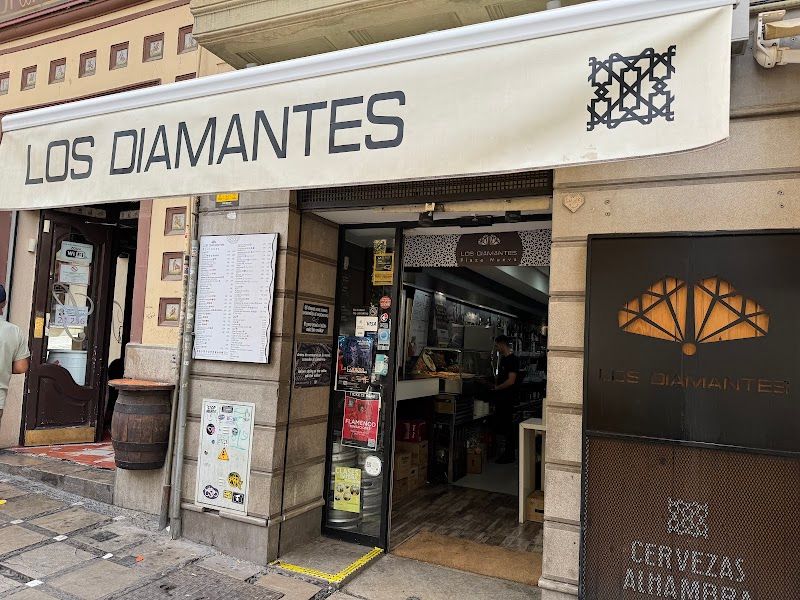
The free tapas tradition exists only in Granada among major Spanish cities. When you order a beer for EUR 2-3.5 at places like Bar Los Diamantes in the Albaicín, you automatically receive a small plate of food. Order another drink, get a different tapa. This system means a proper granada food experience requires knowing which bars offer substantial tapas versus token olives.
Local establishments don't translate menus or explain their specialties to tourists. A guide who speaks Spanish and knows the owners can secure access to dishes that aren't offered to walk-in visitors. We've seen tour groups receive house specialties while independent travelers at the same bar get basic bread and ham.
Granada Food Tour Operators: Direct Comparison
Granada Tapas Tours (Best Overall Value)
Price: EUR 35 per person for 3-hour tour Group Size: Maximum 12 people Stops: 4 authentic tapas bars plus market visit
This operator wins on authenticity and local access. The tour visits La Tana in Centro, where the guide's relationship with owner Pepe results in off-menu tastings of their homemade morcilla (blood sausage) and fried aubergine with molasses. At Bodegas Castañeda, tourists normally receive standard ham and cheese tapas, but tour groups get access to their renowned lamb stew.
The market portion visits Mercado San Agustín on Saturday mornings, where the guide explains seasonal ingredients and negotiates tastings from vendors. This is the only tour that includes market tastings rather than just walking through.
Verdict: Best choice for food-focused travelers who want authentic experiences over Instagram moments.
Devour Granada Food Tours (Premium Option)
Price: EUR 79 per person for 3.5-hour tour Group Size: Maximum 10 people Stops: 5 locations including one restaurant meal
Devour targets food enthusiasts willing to pay premium prices for comprehensive experiences. Their tour includes a sit-down meal at Restaurante Los Manueles (not the bar Bar Los Manueles) where you receive full portions of plato alpujarreño (mountain dish with ham, sausage, and fried egg) and habas con jamón (broad beans with ham).
The guide carries a tablet showing historical photos and explaining the cultural context behind each dish. This educational approach appeals to travelers who want to understand why Granada developed its unique tapas culture while the rest of Spain moved to paid small plates.
Verdict: Worth the premium if you want restaurant-quality food and extensive cultural context, but some stops feel touristy.
Granada Food and Walking Tour (Budget Choice)
Price: EUR 25 per person for 2.5-hour tour Group Size: Up to 16 people Stops: 3 tapas bars
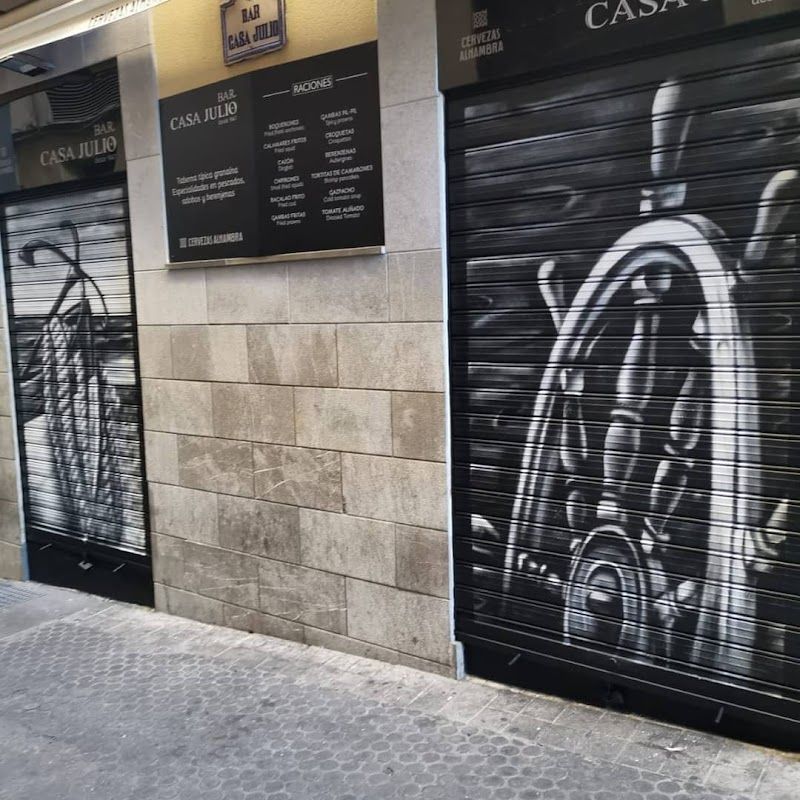
This tour covers the basics at Granada's most accessible bars. Stops include Bar Casa Julio for their famous tortilla española and a bar near Granada Cathedral for jamón ibérico tastings. The larger group size means less personalized attention and standard tourist tapas at each location.
However, for travelers on tight budgets or those wanting a general introduction to tapas culture, this tour provides decent value. The guide explains the ordering system and teaches basic Spanish phrases for continuing your own tapas exploration.
Verdict: Adequate introduction but lacks the depth and exclusive access of premium options.
Best Granada Food Markets Worth Visiting
Granada's granada food market scene centers around traditional vendors who've operated family businesses for decades. These markets offer the freshest ingredients and local specialties that don't appear in restaurant menus.
Mercado San Agustín (Saturday Mornings Only)
Location: Plaza San Agustín, Centro Hours: Saturday 9:00-14:00 Specialties: Local cheeses, mountain honey, seasonal produce
This weekly farmers market brings producers from the Alpujarras mountains to sell directly to Granada residents. The cheese vendor from Trevélez offers tastings of aged cheese made from goats that graze above 1,200 meters elevation. Local honey varieties include rosemary, thyme, and orange blossom, with prices around EUR 8-12 per jar.
Tour groups that visit during peak hours (11:00-12:00) get better access to vendors who speak some English and offer more generous tastings. Independent visitors should arrive early when selection is best but crowds are minimal.
Mercado Central (Daily Indoor Market)
Location: Calle San Agustín 10, Centro Hours: Monday-Saturday 8:00-15:00 Specialties: Fresh fish, local vegetables, prepared foods
Granada's main food market operates in a restored 19th-century building near the cathedral. The fish vendors receive daily deliveries from the Costa del Sol, while produce stalls specialize in vegetables that grow well in Granada's mountain climate: broad beans, artichokes, and various greens used in local stews.
The prepared food section offers takeaway versions of local specialties. Rosario's stall makes excellent croquetas de jamón (EUR 3 for 4 pieces) and empanadas filled with vegetables or meat (EUR 2.50 each).
Alcaicería (Historic Spice Market)
Location: Between Gran Vía and Calle Reyes Católicos, Centro Hours: Daily 10:00-20:00 (shops vary) Specialties: Spices, teas, traditional sweets
The reconstructed Moorish silk market now focuses on food products that reflect Granada's North African heritage. Spice shops sell high-quality saffron (EUR 15-25 per gram), za'atar spice blends, and preserved lemons used in local Moroccan-influenced dishes.
Tea shops offer dozens of varieties imported from Morocco, with proper tasting sessions if you show genuine interest. Mint tea blends are the most popular (EUR 8-15 per 100g), but rarer varieties like gunpowder green tea provide better value.
Tapas Tour Routes: Centro vs Albaicín
Granada food tours typically follow one of two routes that showcase different aspects of the city's culinary culture. The granada food guide for each neighborhood reveals distinct advantages.
Centro Route: Traditional and Accessible
The Centro route covers the flat area around the cathedral and university, where traditional tapas bars serve the classic free tapa with every drink. This area offers consistency and authentic local atmosphere without the steep uphill walks required in the Albaicín.
Free tapas bar hopping in Granada works best in Centro because bars are within 2-3 blocks of each other. You can easily compare the tapas quality and atmosphere at different establishments during a single evening.
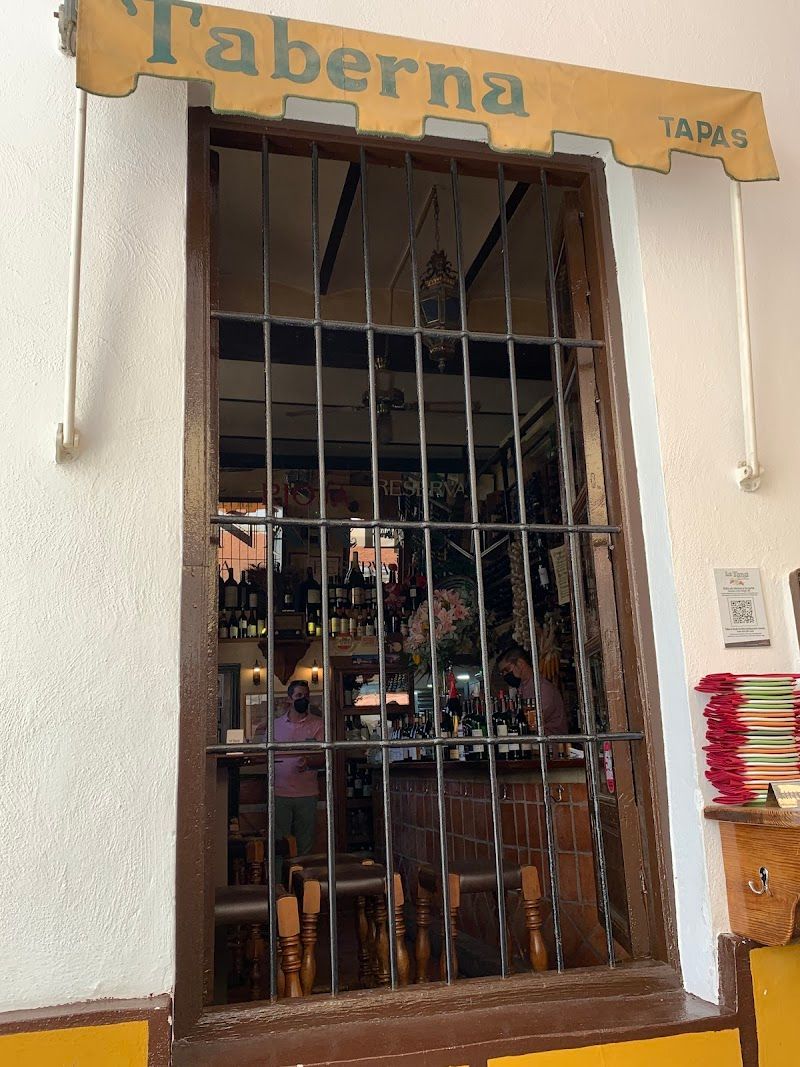
Key stops include tabernas that have operated continuously since the 1940s, where recipes haven't changed and the clientele consists primarily of locals. These bars often have no English menus or tourist concessions, making guided visits particularly valuable.
Albaicín Route: Scenic but Challenging
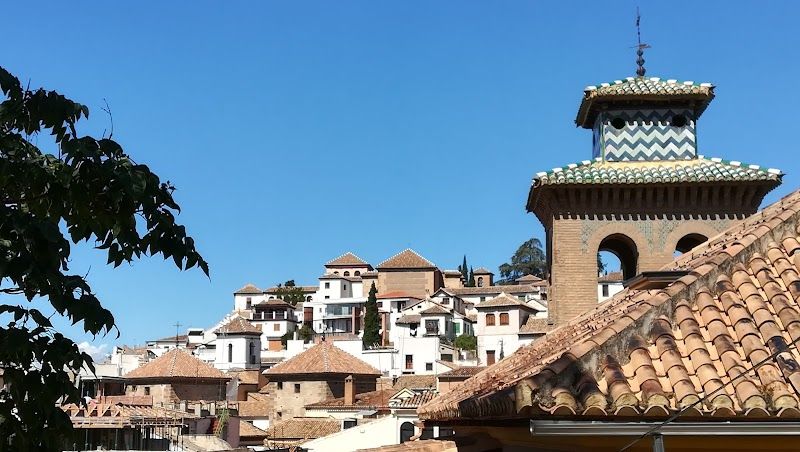
Albaicín tapas tours combine food with views of the Alhambra from bars built into the hillside. The Albaicín neighborhood setting provides Instagram-worthy backdrops, but the steep cobblestone streets make this route more physically demanding.
Restaurants in the Albaicín charge higher prices due to the tourist location and views. Free tapas still exist but tend to be smaller portions compared to Centro establishments. However, several family-run places offer unique dishes influenced by the neighborhood's Moorish heritage.
The walk between bars takes 10-15 minutes due to the hilly terrain, compared to 2-3 minutes in Centro. This pacing works better for leisurely tours focused on sightseeing alongside food, rather than intensive tapas hopping.
What to Expect: Dishes and Specialties
Granada's granada food recommendations must account for seasonal availability and preparation methods that differ from other regions of Spain. Local specialties reflect the city's mountain location and historical influences from North Africa.
Essential Granada Dishes
Plato Alpujarreño (Mountain Plate): A substantial dish combining fried eggs, jamón serrano, chorizo, black pudding, peppers, and potatoes. Most tapas tours include this as a shared plate because it represents Granada's hearty mountain cooking style. Expect versions that cost EUR 12-18 at restaurants, but tour groups often receive smaller portions as tapas.
Habas con Jamón (Broad Beans with Ham): Fresh broad beans cooked with jamón serrano and garlic. This seasonal dish appears on tour menus from March through June when local farms harvest young beans. The preparation varies significantly between establishments - some serve it as a warm salad while others create a more stew-like consistency.
Tortilla del Sacromonte (Sacromonte Omelet): Granada's version of tortilla española includes lamb brain, sweetbreads, and other organ meats along with potatoes and eggs. Many tours mention this dish but few actually serve it due to tourist preferences. Bar Casa Julio makes an excellent version if you specifically request it.
Pionono: A small cylindrical pastry filled with cream and topped with cinnamon sugar, created in Granada during the 19th century. Quality varies dramatically between establishments. Authentic versions use fresh cream and real vanilla, while tourist-focused places serve inferior imitations.
Seasonal Considerations
Granada's food culture changes dramatically with seasons, affecting both ingredient availability and restaurant hours. Summer tours (July-August) face the challenge of extreme afternoon heat, when many traditional bars close from 15:00-20:00.
Spring tours (March-May) offer the best selection of local vegetables and the most comfortable walking weather. Autumn tours (September-November) feature hunting season specialties and the return of hearty stews after the summer break.
Winter tours run shorter routes due to early sunset and cold mountain weather, but provide access to comfort foods that don't appear on summer menus.
Granada Food Tour Booking Strategy
Successful granada food tour booking requires understanding Granada's seasonal patterns and local scheduling preferences. Most quality tours operate year-round but change their routes and timing based on restaurant availability and weather conditions.
Best Times to Book
2-3 weeks advance notice ensures availability for preferred dates and times. Granada food tours typically run morning (10:00-13:00) and evening (18:00-21:00) schedules, with evening tours offering better access to traditional tapas bars that don't open until late afternoon.
Avoid booking tours for Sunday evenings when many family-run establishments close early. Monday tours may encounter limited selection as some bars use this as their weekly closure day for deep cleaning and restocking.
Group Size Considerations
Smaller groups (6-10 people) receive better treatment at traditional bars where space is limited and the owner can personally interact with visitors. Larger groups often get seated in separate areas or receive pre-prepared tapas rather than the spontaneous selection that makes Granada's system special.
Private tours cost approximately EUR 120-180 for 2-4 people but provide access to establishments that don't accept standard tour groups. This option works best for food enthusiasts who want to customize their experience or have dietary restrictions that require advance planning.
Beyond the Tour: Continuing Your Granada Food Journey
A good granada food tour should provide knowledge and confidence for independent exploration rather than creating dependency on guided experiences. The best tours end with specific recommendations for additional bars, markets, and dishes to try during the rest of your Granada visit.
Post-Tour Exploration Tips
Download the SpanishDict app for basic food vocabulary and phrase translations. Granada bartenders appreciate attempts to order in Spanish, even poorly pronounced ones. Learn to say "¿Qué tapas tenéis?" (What tapas do you have?) and "Una caña, por favor" (One small beer, please).
Carry a notebook to record the names of dishes you enjoyed and their Spanish descriptions. Many Granada specialties don't translate directly, and having the original Spanish name helps when ordering at different establishments.
Visit our comprehensive Granada food guide for detailed neighborhood-by-neighborhood restaurant recommendations and seasonal menu explanations that extend beyond what tours can cover in limited time.
Market Shopping for Self-Catering
If you're staying in accommodation with kitchen facilities, Granada's markets offer excellent ingredients for recreating local dishes. The Mercado Central's prepared food section sells house-made sofrito (tomato and pepper base), alioli (garlic mayonnaise), and other foundation sauces that appear in multiple Granada recipes.
Local olive oil from the Alpujarras region costs EUR 12-18 per liter at market vendors versus EUR 8-12 for commercial brands at supermarkets. The price difference reflects traditional production methods and superior flavor that justifies the investment for serious cooks.
Spice vendors will blend custom za'atar mixtures and explain the proper ratios for making Moorish-influenced dishes at home. These personalized blends cost EUR 6-10 per 100g and provide authentic flavors that are difficult to replicate with supermarket spices.
Final Verdict: Which Granada Food Tour to Choose
For most travelers seeking authentic local experiences, Granada Tapas Tours offers the best balance of value, access, and cultural immersion. Their EUR 35 price point includes substantial food portions, market visits, and genuine relationships with bar owners that result in special treatment.
Food enthusiasts with flexible budgets should choose Devour Granada Food Tours for their comprehensive cultural context and restaurant-quality dishes, despite the EUR 79 premium price. The educational component and exclusive access to certain establishments justify the cost difference.
Budget-conscious travelers can start with Granada Food and Walking Tour to learn the basics, then apply that knowledge to independent exploration using recommendations from our detailed itinerary guide.
Skip food tours entirely if you prefer spontaneous discovery, have extensive Spanish language skills, or plan to stay in Granada for more than a week. The city's compact size and friendly bar owners make independent exploration feasible with basic preparation.
Granada's free tapas culture creates opportunities for authentic food experiences that don't exist elsewhere in Spain. A well-chosen food tour accelerates your understanding of local customs and provides access to establishments that might otherwise remain hidden during a typical tourist visit.