Dubai's food scene exists in two separate worlds. There's the Instagram-friendly world of hotel brunches and celebrity chef restaurants in Downtown Dubai, where you'll pay AED 400 for a steak and wonder if you're eating the view or the food. Then there's the actual world, where Pakistani truck drivers eat better lamb karahi for AED 25 in Karama than most tourists will taste in their entire visit.
A dubai food tour worth your time should bridge this gap. The best ones don't just feed you - they decode a city where 85% of residents are expats, where Lebanese meze sits next to Filipino adobo in the same food court, and where the most expensive meal in the city might actually be the worst.
Why Dubai Food Tours Actually Matter
Dubai doesn't have a single culinary identity because Dubai doesn't have a single cultural identity. What it has instead is layers of migration patterns mapped onto a city that rebuilt itself every decade for the past fifty years. Understanding this requires more than just knowing where to find good hummus.
The food tours that work understand this complexity. They don't pretend Dubai has some ancient culinary tradition waiting to be discovered. Instead, they show you how Indian construction workers, Filipino nurses, Iranian businessmen, and Emirati families actually eat, often in the same neighborhood, sometimes at the same restaurant.
The tours that fail treat Dubai like a theme park with ethnic food stations. They'll take you to tourist-friendly versions of authentic restaurants, charge you AED 300 for the privilege, and leave you with no real sense of how the city's food culture actually functions.
Best Organized Dubai Food Tours
Frying Pan Adventures: Old Dubai Food Walk
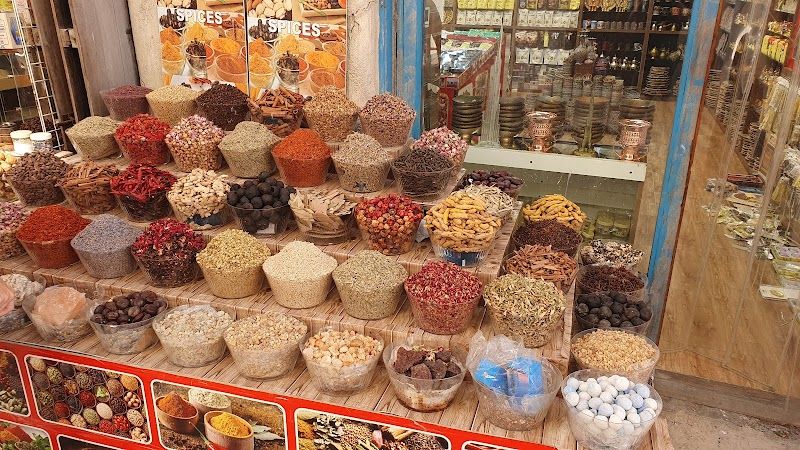
Frying Pan Adventures runs the most honest dubai food walking tour in the city. Their Old Dubai route starts at the Spice Souk in Deira, crosses the Creek by abra (AED 1 each way), and ends in Bur Dubai. The four-hour tour costs AED 295 per person and includes eight food stops plus transportation.
What works: Guide Arva Ahmed actually lives in Dubai and has strong opinions about where tourists should and shouldn't eat. The route covers Iranian breakfast bread in Deira, Pakistani biryani in a mall basement, proper Turkish coffee in Al Fahidi, and Lebanese meze in a restaurant that's never appeared in a guidebook.
What doesn't: The group size maxes at 12, which feels large when you're squeezing into small family restaurants. The tour skips modern Dubai entirely, which means you'll understand old Dubai's food culture but remain clueless about where young Emiratis actually eat now.
Bottom line: Worth the cost if you want to understand Dubai's pre-oil food culture. Skip it if you're more interested in contemporary Dubai dining.
Withlocals Private Food Experience
Withlocals matches travelers with local residents for customized dubai culinary tours. The private experiences cost AED 450-600 per person depending on group size and duration. Your "local" might be an Emirati government worker, an Indian engineer who's lived here fifteen years, or a Lebanese entrepreneur.
The quality varies entirely on your guide. We tested three different experiences. The best was with Fatima, an Emirati marketing manager who took us to her family's regular spots in Jumeirah and explained why certain Lebanese restaurants survived while others failed. The worst was with a Pakistani expat who clearly needed the money more than he wanted to share his city.
The smart play: Book directly through Withlocals' platform but message your potential guide first. Ask specific questions about their favorite restaurants and why. Their answers will tell you immediately whether they're passionate about food or just working a side hustle.
Dubai Food Tour by Alex
Alex runs small-group tours (maximum six people) focused on Dubai's South Asian communities in Karama and Satwa. The three-hour tour costs AED 250 per person and covers seven stops, mostly Pakistani and Indian restaurants that cater to working-class expats rather than tourists.
This is the most authentic dubai street food tour in the city, but authentic doesn't always mean comfortable. You'll eat in restaurants with plastic chairs, shared tables, and no air conditioning. The food is excellent and cheap - the entire tour's worth of food would cost you AED 40 if you went alone.
Alex speaks Hindi, Urdu, and Arabic fluently, which means you get actual conversations with restaurant owners rather than tourist-friendly explanations. The downside is that two of the seven stops are essentially the same (different Pakistani restaurants serving similar karahi), and the route covers a small geographic area.
Dubai Neighborhood Food Tours: DIY Routes
Deira Food Circuit: The Working Class Route
Start at Deira City Centre Metro Station and work your way toward the Creek. This DIY dubai food tour covers the neighborhoods where Dubai's construction workers, taxi drivers, and service industry employees actually eat.
Stop 1: Automatic Restaurant (Al Rigga Road) - Pakistani breakfast from AED 15. Order the nihari with naan and watch how they serve truck drivers at 5 AM the same food they serve families at dinner.
Stop 2: Karachi Darbar (Al Nasr Square) - The biryani costs AED 25 and serves portions large enough for two people. The restaurant has been here since 1989 and hasn't changed the recipe or the decor.
Stop 3: Istanbul Restaurant (Al Sabkha Road) - Turkish breakfast with unlimited tea for AED 30. The restaurant opens at 6 AM and fills with Iranian businessmen and Turkish construction supervisors.
Stop 4: Al Ustad Special Kabab (Bur Dubai) - Cross the Creek by abra and walk to this Iranian restaurant. The lamb koobideh costs AED 35 and comes with rice, salad, and bread. They've been here since 1978.
Total cost: AED 105 plus AED 2 for the abra crossing. Total time: 3-4 hours including walking between stops.
DIFC Contemporary Food Walk
DIFC represents Dubai's attempt to create a sophisticated dining scene that rivals London or New York. Some attempts succeeded. Others are expensive disasters.
Stop 1: Operation Falafel (DIFC) - Lebanese street food that actually tastes like street food, not hotel restaurant interpretations. Falafel wrap costs AED 25.
Stop 2: Zuma (DIFC) - Japanese restaurant that charges AED 150 for miso cod but delivers flavors you won't find anywhere else in the Gulf. Sit at the bar for small plates and sake.
Stop 3: La Petite Maison (DIFC) - French Mediterranean restaurant where the AED 85 burrata actually justifies its price. Skip the main courses and order three appetizers instead.
Stop 4: Pierchic (Al Qasr Hotel, 10 minutes by taxi) - Seafood restaurant built over water. The AED 420 tasting menu is expensive but represents Dubai fine dining at its most confident.
Total cost: AED 680-800 per person including taxi. Total time: 5-6 hours including travel between locations.
Street Food Tours vs Fine Dining Experiences
Dubai's food scene splits cleanly between street food and fine dining with almost nothing in between. This creates a choice: do you want to understand how most Dubai residents eat, or do you want to experience Dubai's aspirational dining culture?
The dubai street food tour approach shows you the city's functional food culture. Pakistani restaurants in Deira, Filipino restaurants in Satwa, Iranian breakfast spots in Jumeirah - this is how people eat when they're feeding families on AED 2,000 monthly salaries.
The fine dining approach shows you Dubai's ambitions. Celebrity chef restaurants, hotel dining rooms with Burj Khalifa views, tasting menus that cost more than most residents spend on food in a month. This isn't fake or artificial - it's a real part of Dubai's identity, just an expensive one.
Most organized tours try to bridge this gap and fail. They'll take you to a sanitized version of street food (Lebanese restaurant in a mall) followed by a watered-down version of fine dining (hotel restaurant with international cuisine). You end up understanding neither.
Our recommendation: Pick one approach and commit to it. Spend a day eating with Pakistani truck drivers or spend a night at restaurants where bankers entertain clients. Don't try to do both in the same tour.
Food Tours by Dubai Neighborhood
Downtown Dubai Culinary Tours
Downtown Dubai food tours focus on high-end dining with international cuisine. Most organized tours here cost AED 400-600 per person and include stops at celebrity chef restaurants, hotel dining rooms, and rooftop bars with Burj Khalifa views.
The area works for food tours because everything is walkable (rare in Dubai) and the restaurants represent Dubai's international dining ambitions. What doesn't work is the complete disconnect from how most Dubai residents eat.
If you're interested in Downtown food tours, focus on specific cuisines rather than general "Dubai food" tours. The Japanese restaurants in DIFC are legitimately excellent. The Italian restaurants in City Walk serve pasta that would be acceptable in Rome. The Lebanese restaurants range from tourist traps to places where Lebanese families actually eat.
Marina and JBR Food Experiences
Dubai Marina food tours work because the neighborhood has both upscale dining and accessible options for the thousands of young professionals living in the towers. The Marina Walk has restaurants ranging from AED 25 Lebanese wraps to AED 200 seafood dinners.
The best Marina food tour route starts at Marina Walk, covers the beachfront restaurants at JBR, and ends at the rooftop bars in the towers. You'll spend AED 150-250 per person and get a genuine sense of how young Dubai residents eat when they're socializing.
Skip the organized Marina tours - they focus too heavily on hotel restaurants and miss the casual dining spots that make the neighborhood work as a place to live rather than just visit.
When Food Tours Are Worth the Money
Paying AED 300 for a food tour makes sense in three situations:
When you need cultural context: If you want to understand why certain Lebanese restaurants succeed in Dubai while others fail, or how Pakistani food adapted to local tastes, a knowledgeable guide provides value you can't get from restaurant reviews.
When you need access: Some of Dubai's best restaurants are hidden in residential areas, mall basements, or industrial zones that you'd never find as a tourist. Local guides know which unmarked door leads to excellent Iranian food.
When language barriers matter: Ordering food in restaurants where the staff speaks limited English requires either Arabic, Hindi, or Urdu. Guides who speak these languages unlock menu items and preparations that aren't available to English-speaking tourists.
Food tours aren't worth the money when they take you to restaurants you could easily find yourself (most mall restaurants), when they focus on tourist-friendly versions of local food, or when the guide lacks genuine knowledge about Dubai's food culture.
Practical Information for Dubai Food Tours
Best Times for Food Tours
Dubai's extreme summer heat (May through September) makes outdoor food tours difficult. Most walking tours run October through April when temperatures stay below 35°C during the day.
Ramadan affects all food tours since many restaurants close during daylight hours or modify their service. Most tour operators suspend operations during Ramadan or switch to evening-only tours that start after sunset.
Transportation Between Food Stops
Dubai's layout makes food tours challenging. Neighborhoods are spread across 50 kilometers with limited public transit connections. Most organized tours include private transportation, which adds AED 100-150 to the cost but makes multiple stops possible.
For DIY food tours, stick to single neighborhoods or areas connected by Metro. The areas that work: Deira to Bur Dubai (connected by abra), DIFC area (walkable), Marina Walk (walkable), and Karama/Satwa (short taxi rides between stops).
Food Safety and Dietary Restrictions
Dubai's food safety standards are high compared to other cities in the region, but organized tours sometimes take shortcuts. Ask about restaurant hygiene certifications and whether tour operators have backup plans for restaurants with health code violations.
Halal requirements are automatically met throughout Dubai. Vegetarian and vegan options exist in most neighborhoods but require specific planning. Kosher food is available but extremely limited - notify tour operators in advance.
Cost Breakdown for Different Tour Types
Organized dubai food tours cost AED 250-600 per person depending on duration and restaurant quality. Budget an additional AED 50-100 for tips and drinks not included in the tour price.
DIY food tours cost AED 80-150 per person in working-class neighborhoods like Deira and Karama, AED 200-400 per person in upscale areas like DIFC and Marina.
Transportation adds AED 20-50 for public transit routes, AED 100-200 for taxi-based routes covering multiple neighborhoods.
Alternatives to Traditional Food Tours
Cooking classes offer better value than most food tours if you want hands-on experience with local cuisine. XVA Cafe in Al Fahidi offers Emirati cooking classes for AED 200 per person including ingredients and dinner.
Food festivals provide concentrated exposure to Dubai's food scene without tour guide markup. Dubai Food Festival (February-March) brings restaurant pop-ups, street food vendors, and chef demonstrations to neighborhoods throughout the city.
Food halls like La Mer Central Market and City Walk Food Truck Park let you sample multiple cuisines in one location without transportation complications. Not authentic, but efficient and affordable.
Making the Most of Your Dubai Food Experience
The best dubai food experiences happen when you stop trying to find "authentic Dubai food" (which doesn't exist) and start exploring how different communities eat in Dubai. Iranian breakfast in Jumeirah, Filipino lunch in Satwa, Lebanese dinner in DIFC - this diversity is Dubai's actual food culture.
Book tours through operators who live in Dubai rather than international companies selling Dubai packages. Local operators have current information about restaurant closures, new openings, and seasonal menu changes.
Bring cash in small denominations. Many of Dubai's best restaurants don't accept cards, and organized tours sometimes require cash tips for restaurant staff and drivers.
Dubai's food scene changes rapidly as neighborhoods develop and restaurant rents fluctuate. What worked six months ago might not work today. Verify current information about restaurants, opening hours, and prices before committing to specific food tour routes.
The city's real food culture lives in neighborhoods like Karama, Satwa, and Deira where working families eat daily, not in hotel restaurants where tourists eat occasionally. The best food tours acknowledge this reality instead of pretending Dubai has some undiscovered culinary tradition waiting in the Gold Souk.