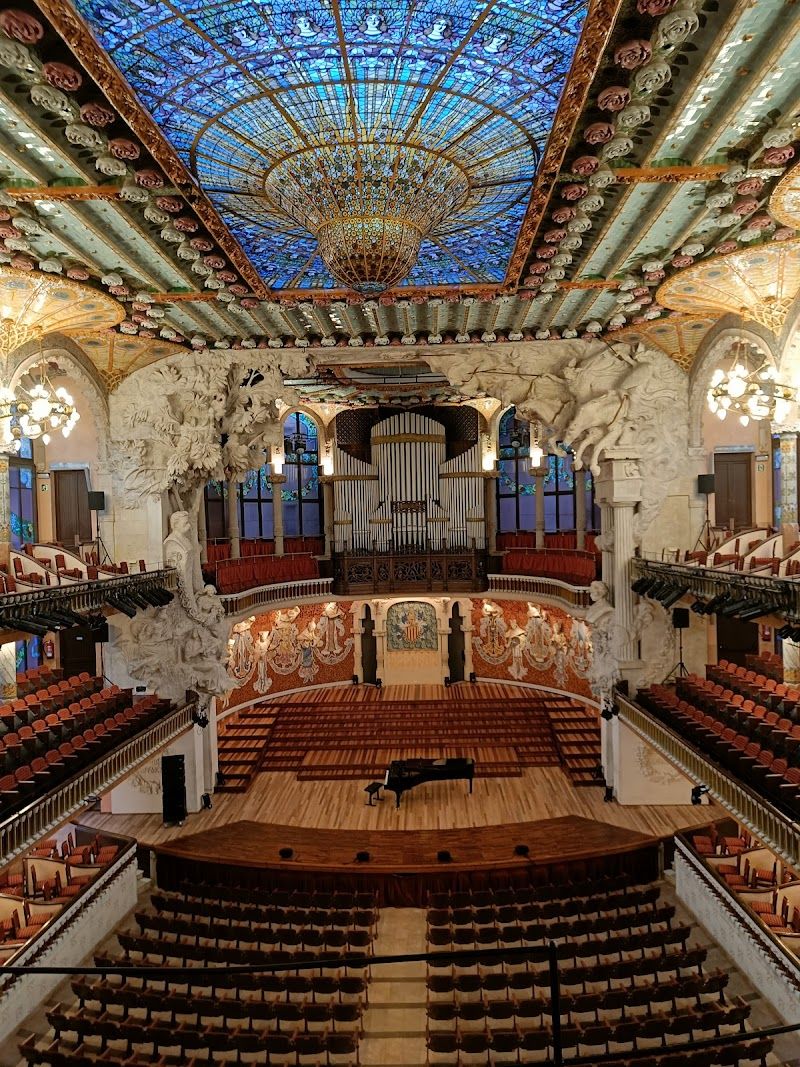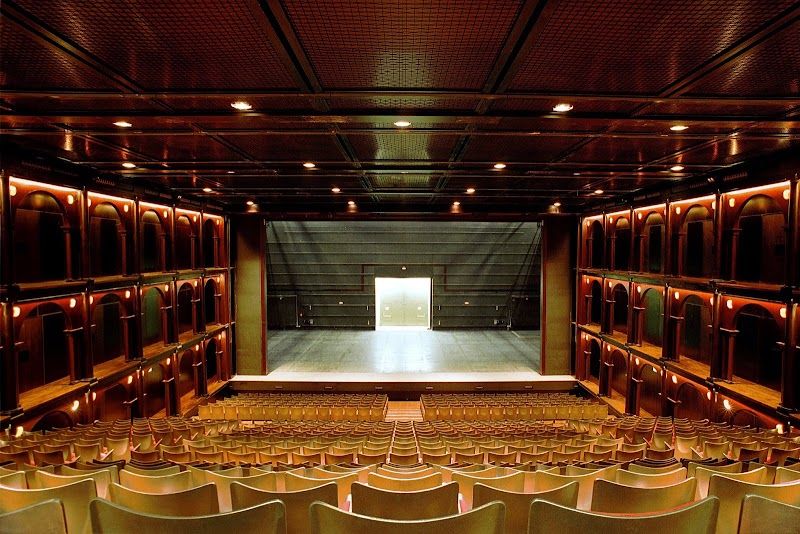
Seven days in Barcelona gives you enough time to understand why this city makes people cancel their flights home. Most Barcelona itineraries rush you through Gaudi's greatest hits and call it a week. This barcelona one week itinerary treats the city like it deserves - as a place where Roman ruins sit under tapas bars, where beaches are 20 minutes from Gothic cathedrals, and where the best dinner starts at 9 PM.
This barcelona 7 day guide assumes you want to see the famous stuff without becoming another tourist taking selfies at Park Güell. You'll hit every essential sight, but you'll also eat at the counter bars where locals actually drink their morning cortado, sleep in neighborhoods that don't price-gouge because of their proximity to Las Ramblas, and learn why Barcelona's metro system is worth understanding on day one.
Day 1: Gothic Quarter and Getting Your Bearings
Start your barcelona extended stay where the city started - in the Gothic Quarter. This isn't just about seeing old buildings; it's about understanding how a Roman settlement became the most architecturally ambitious city in Europe.
Morning (9:00-12:00): Begin at Barcelona Cathedral - not the Sagrada Familia, but the actual cathedral that's been here since the 13th century. Skip the EUR 9 tourist entry and visit during free worship hours (8:00-12:30). The Gothic cloister with its resident geese is worth the early wake-up call.
Walk through Placa del Rei, where Columbus supposedly reported back to Queen Isabella about that New World situation. The Roman walls are still visible if you know where to look - along Carrer del Sotstinent Navarro.
Lunch (12:00-14:00): Get your first proper menu del día at Bar del Pla (Carrer de Montcada, 2). EUR 15 gets you three courses and wine, and you'll understand why Barcelona does lunch differently. The locals eating beside you aren't tourists - they're on their lunch break.
Afternoon (14:00-17:00): Walk to Palau Güell, Gaudi's first major commission and the most understated of his Barcelona works. The EUR 12 entry fee is worth it for the rooftop chimneys alone - they're like a preview of everything Gaudi would do later, but more restrained.
Evening (17:00-20:00): End at Granja Viader (Carrer d'en Xuclà, 4) for hot chocolate so thick you need a spoon. This 1870 chocolate shop invented Cacaolat, Spain's answer to chocolate milk, and hasn't changed its recipe since.
Transport Setup: Buy a T-casual 10-trip card for EUR 13 at any metro station. This covers metro, bus, and tram in zone 1, which includes everything in this itinerary except the airport. You'll use 6-8 trips today just figuring out the system.
Where to Sleep: Book accommodation in El Born or Poble Sec rather than the Gothic Quarter. Same medieval atmosphere, half the tourist markup. Budget hotels in Poble Sec start at EUR 75; El Born boutiques run EUR 150-220.
Day 2: El Born and the Picasso Museum
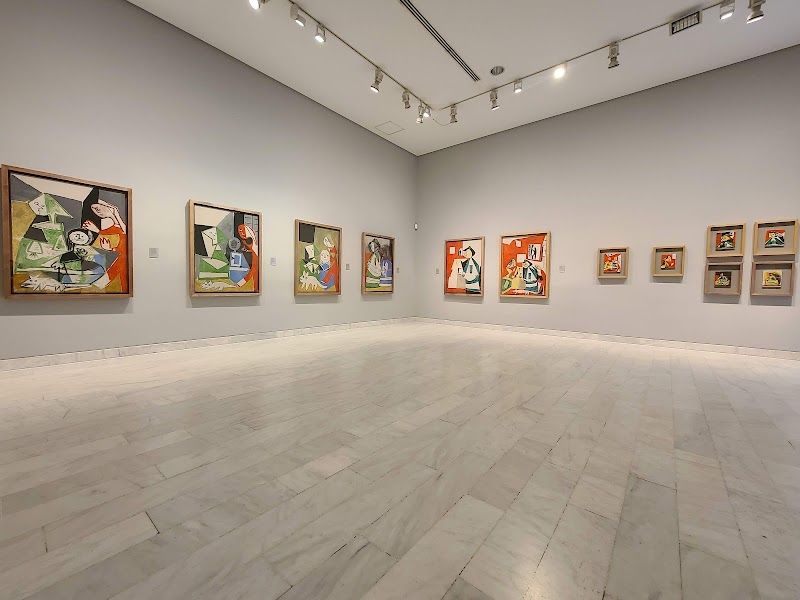
Morning (10:00-13:00): El Born is what the Gothic Quarter was before it became a tourist district. Start at Picasso Museum (EUR 12) - not because Picasso was Barcelona's greatest artist, but because his Blue Period work shows the city as it was when he lived here from 1895-1904.
The museum is inside five medieval palaces on Carrer Montcada. The Las Meninas series in rooms 12-14 shows Picasso deconstructing Velázquez - 58 paintings that track his creative process in real time.
Lunch (13:00-15:00): El Xampanyet (Carrer de Montcada, 22) has been serving the same cava and anchovies since 1929. The owners haven't updated the decor because they haven't needed to. EUR 8-10 per person for cava, olives, and whatever the day's special happens to be.
Afternoon (15:00-18:00): Walk through Parc de la Ciutadella, Barcelona's Central Park equivalent. The park was built on the site of a military fortress that Catalans spent 140 years trying to tear down. The cascading fountain was co-designed by a young Antoni Gaudi, back when he was just another architecture student.
The park connects to Estació de França, Barcelona's original train station that still handles regional routes. The building itself is worth seeing - 1920s wrought iron and glass that predates the Gothic Revival trend by decades.
Evening (18:00-21:00): Aperitivo at Bar Mut (Carrer de Pau Claris, 192) in Eixample. This isn't just drinks - it's the Spanish social hour that bridges the gap between afternoon and dinner. Vermouth on tap, small plates, and locals discussing everything except work.
Dinner (21:00+): Cal Pep (Plaça de les Olles, 8) for the counter experience that defines Barcelona tapas culture. No reservations, cash only, and Pep decides what you eat based on what's best that day. EUR 35-45 per person, and worth every euro.
Day 3: Gaudi's Greatest Hits in Eixample
This is the day every Barcelona itinerary builds toward - Gaudi's architectural fever dream along Eixample's grid system.
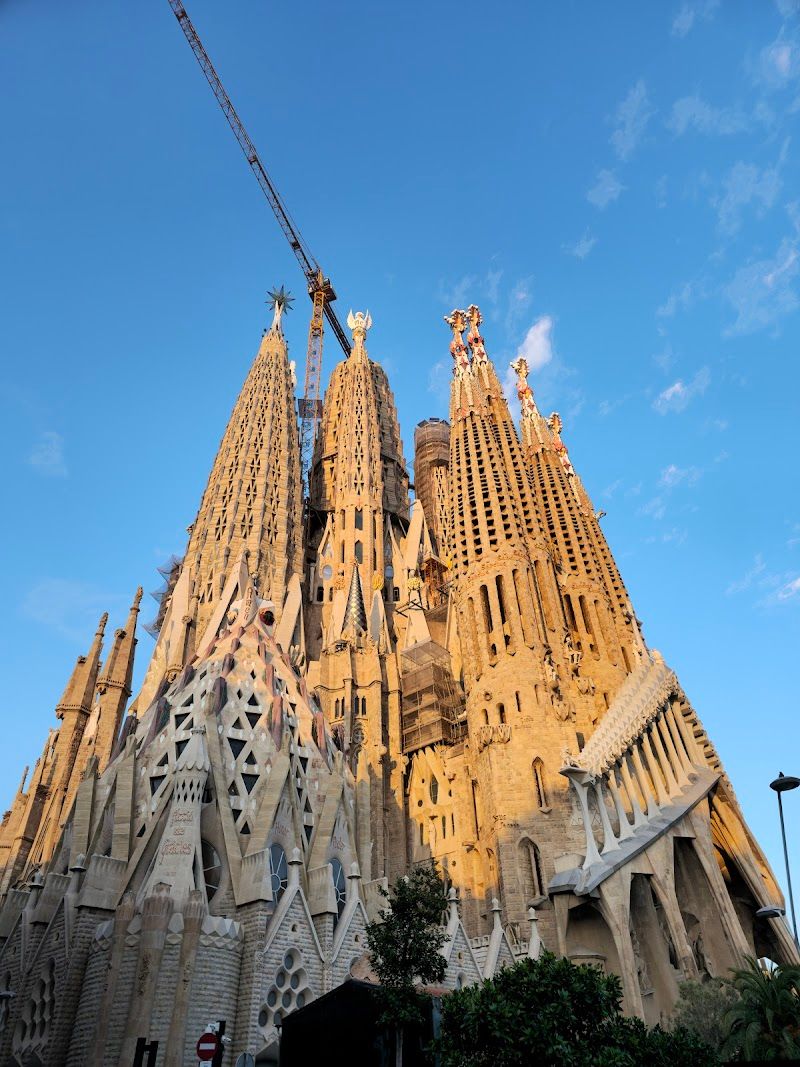
Early Morning (8:00-10:30): Sagrada Familia at opening time to beat the crowds. The EUR 26 basic ticket includes audioguide app, but skip the tower access unless architecture is your profession. The basilica interior at 8 AM, when morning light hits Gaudi's forest-inspired columns, justifies every tourist photo you've ever seen.
Book online and print tickets. The QR code system fails more often than TMB wants to admit.
Mid-Morning (11:00-13:00): Walk down Passeig de Gracia to Casa Batlló and La Pedrera. The EUR 35 Casa Batlló ticket includes AR experience that's actually useful - it shows how Gaudi designed each room to mimic underwater caves. La Pedrera's EUR 28 entry gets you the rooftop with Barcelona's most distinctive chimneys.
Lunch (13:00-15:00): Cerveseria Catalana (Carrer de Mallorca, 236) handles the Eixample lunch rush better than anywhere else. Point at what looks good behind the glass counter. EUR 12-15 per person, and you'll understand why Barcelona's tapas culture evolved from people eating at bar counters.
Afternoon (15:00-17:00): Cool down at Placa Catalunya and watch Barcelona's social dynamics play out. This square is the city's unofficial center - where metro lines converge, where protests start, where tourists figure out they've been walking in circles.
Walk down La Rambla once, just to say you did it. The street that inspired every "European boulevard" cliché is worth seeing, but eat and drink elsewhere.
Late Afternoon (17:00-19:00): Take the metro (Line 3) to Lesseps station and walk 20 minutes uphill to Bunkers del Carmel for sunset. These Spanish Civil War anti-aircraft bunkers offer 360-degree views of the entire city. Free, crowded at sunset, and the best perspective on Barcelona's geographic logic.
Evening: Dinner in Gracia at La Pepita (Carrer de Còrsega, 343) - the neighborhood restaurant that locals don't want tourists to discover. EUR 25-30 per person for modern Catalan cooking that doesn't pander to international palates.
Day 4: Park Güell and Gracia Neighborhood
Day four focuses on Gracia, the neighborhood that was an independent town until 1897 and still acts like it.
Morning (9:00-12:00): Park Güell requires timed entry tickets (EUR 18) that sell out during peak season. The monumental zone with Gaudi's mosaics is what everyone photographs, but the free areas above and below the paid section offer better city views.
The park was supposed to be a housing development for Barcelona's wealthy. It failed commercially because rich Catalans preferred living closer to the city center. Gaudi's architectural vision became public parkland by accident.
Late Morning (12:00-14:00): Walk down through Gracia's village-like streets. Plaça de la Vila de Gracia with its clock tower feels like a small Catalan town square that happens to be in Barcelona. Carrer de Verdi has the neighborhood's best independent shops - bookstores, record stores, and clothing boutiques that couldn't afford Eixample rent.
Lunch (14:00-16:00): Sol Soler (Plaça del Sol, 21-22) for the menu del día (EUR 14) that Gracia residents actually eat. The plaza fills with locals during lunch hour - families, students from the nearby university, and creative types who moved here because Eixample was too expensive.
Afternoon (16:00-18:00): Visit Casa Vicens, Gaudi's first house commission and his most Moorish-influenced work. The EUR 16 entry fee gets you inside Gaudi's architectural laboratory - the place where he figured out how to blend Catalan nationalism with Art Nouveau experimentation.
Evening (18:00-20:00): Aperitivo culture in Gracia happens at Canigó (Plaça de la Vila de Gracia, 2), where vermouth costs EUR 3 and comes with olives, chips, and whatever the bartender feels like serving.
Dinner: Stay in Gracia for dinner at Botafumeiro (Carrer Gran de Gràcia, 81) - the Galician restaurant that's been serving Barcelona's best seafood since 1975. EUR 40-50 per person, and the octopus preparation that made every other Barcelona restaurant copy their technique.
Day 5: Beach Day and Barceloneta
Barcelona's beach culture only makes sense when you realize the city spent most of its history turned away from the Mediterranean. The 1992 Olympics forced Barcelona to confront its coastline, and Barceloneta became the neighborhood where the city figured out how to be both urban and coastal.
Morning (10:00-13:00): Take the metro to Barceloneta station and walk toward Platja de la Barceloneta. The beach isn't Caribbean-perfect, but it's genuine Mediterranean - wide enough for volleyball courts, clean enough for swimming, and urban enough that you can grab coffee without leaving the sand.
Rent a bike at Barcelona Rent a Bike (Passeig Marítim, 33) for EUR 15/day and ride the coastal path toward Poblenou. The route passes Frank Gehry's golden fish sculpture, the W Hotel that locals call "the sail," and beach bars that serve proper mojitos at 11 AM.
Lunch (13:00-15:00): La Cova Fumada (Carrer del Baluard, 56) invented the bomba - the potato and meat croquette that every tapas bar in Barcelona now serves. This family-run place has four tables, no reservations, and a wait that's always worth it. EUR 8-10 per person.
Afternoon (15:00-18:00): Walk through Barceloneta's narrow streets between the beach and the city. These were fishermen's houses built on a geometric grid - the neighborhood was planned, not organic. Carrer de Sant Carles and Carrer de la Maquinista show how working-class Barcelona lived before tourism changed the economics.
Stop at Absenta (Carrer de Sant Carles, 36) for the absinthe preparation that involves sugar cubes, flames, and bartenders who learned the ritual from their grandfathers.
Evening (18:00-21:00): Watch sunset from the Espigó del Gas breakwater - a concrete pier that extends into the Mediterranean and offers perspective on Barcelona's skyline from the water. Locals fish here, couples watch sunset, and tourists finally understand why Barcelona faces the sea.
Dinner: Can Maño (Carrer del Baluard, 12) for the seafood-focused dinner that Barceloneta residents eat when they want to impress visitors. EUR 30-40 per person, no reservations, and a wine list focused on Catalan whites that pair with Mediterranean fish.
Day 6: Montjuïc Hill and Museums
Montjuïc is the 173-meter hill that serves as Barcelona's cultural acropolis - where the city puts its art museums, Olympic facilities, and the fortress that once controlled the harbor.
Morning (10:00-13:00): Take the funicular from Paral·lel metro station to avoid the uphill walk. Start at Museu Nacional d'Art de Catalunya (MNAC) for EUR 12. The Romanesque frescoes from Pyrenean churches in rooms 1-7 show Catalan art before Catalunya was Spanish. The building itself - the 1929 Exposition palace - offers the best views of Barcelona from its front steps.
Late Morning (13:00-15:00): Fundació Joan Miró (EUR 15) houses the largest collection of Miró's work in a building designed specifically for his art. Miró lived in Barcelona until Civil War forced him into exile, and his abstract work captures Mediterranean light in ways that make sense once you've spent a week here.
Lunch (15:00-17:00): Xemei (Passeig de l'Exposició, 85) serves the modern Catalan cuisine that food magazines write about. EUR 35-45 per person for tasting plates that reinterpret traditional Catalan ingredients with contemporary techniques.
Afternoon (17:00-19:00): Walk through Jardí Botànic de Barcelona to see Mediterranean plants from around the world - what grows naturally in climates like Barcelona's. The gardens occupy terraces that offer different perspectives on the city below.
End at Castell de Montjuïc, the fortress that controlled Barcelona's harbor for 300 years. The military history is complex (it was used to suppress Catalan independence movements), but the 360-degree views explain why every power that controlled Barcelona also controlled this hill.
Evening: Take the cable car down to Barceloneta for dinner, or stay on Montjuïc for the Magic Fountain light show (Thursday-Sunday, 21:00-22:00 in summer). The fountain was built for the 1929 Exposition and still draws crowds for its choreographed water and light performances.
Day 7: Local Neighborhoods and Departure Logistics
Your final day should focus on the Barcelona that exists between tourist attractions - the neighborhoods where locals live, work, and socialize without considering visiting tourists.
Morning (10:00-13:00): Poble Sec for the food scene that Barcelona restaurant critics actually write about. Carrer de Blai has become the city's unofficial pintxos street - small bars serving Basque-style small plates on crusty bread. Quimet & Quimet (Carrer del Poeta Cabanyes, 25) is the standing-room-only bar where locals eat conserved seafood prepared with techniques that haven't changed since 1914.
Late Morning (13:00-15:00): Poblenou represents Barcelona's post-industrial future - former factories converted into design studios, tech companies, and the kind of restaurants that win international awards. Rambla del Poblenou feels like a village main street that happens to be 15 minutes from downtown Barcelona.
Lunch at Can Recasens (Rambla del Poblenou, 102) for modern Catalan cooking in a setting that looks like someone's grandmother's dining room.
Afternoon (15:00-17:00): Mercat dels Encants (Plaça de les Glòries) is Barcelona's flea market under a mirrored canopy designed by Barcelona architects. This isn't tourist kitsch - it's where locals buy vintage furniture, old books, and kitchen equipment. The building itself, with its undulating mirror roof, shows how Barcelona approaches contemporary architecture.
Pre-Departure: If flying out tomorrow, buy airport transport today. The Hola Barcelona Travel Card 72h (EUR 25.50) includes airport metro and unlimited city transport. Alternative: Aerobus tickets (EUR 7.75 single, EUR 13.65 return) from Plaça Catalunya every 5-10 minutes.
Final Evening: End your week where it started - in the Gothic Quarter, but this time at Paradiso (Carrer de Rera Palau, 4), the cocktail bar hidden behind a pastrami shop that serves drinks designed by bartenders who trained at the world's best cocktail programs.
Transportation Strategy for Your Barcelona Extended Stay
Seven days requires understanding Barcelona's transport logic rather than buying day passes randomly. The T-casual 10-trip card (EUR 13) covers metro, bus, tram, and FGC trains within zone 1, which includes everything except the airport.
For airport connections, you need either:
- Zone 2 T-casual card (EUR 25.50) that includes airport metro L9 Sud
- Special airport supplement (EUR 5.50) for single airport trips
- Hola Barcelona cards (48h EUR 17.50, 72h EUR 25.50) that include airport transport
Walking vs. Metro Strategy: Barcelona's city center is walkable, but distances are deceptive. Gothic Quarter to Sagrada Familia looks close on maps but takes 35 minutes walking. Use metro for distances over 1km, walk for exploration within neighborhoods.
Metro Lines That Matter:
- L1 (Red): Connects Eixample, Gothic Quarter, El Born
- L3 (Green): Runs from Montjuïc to Park Güell area
- L4 (Yellow): Beach to city center via Barceloneta
- L9 Sud: Airport connection (requires zone 2 or supplement)
Where to Sleep: Neighborhood Strategy
Your accommodation choice affects your entire Barcelona week-long trip experience. Tourist-focused areas like Las Ramblas and immediate Gothic Quarter charge premium prices for average quality.
Best Value: Poble Sec offers authentic neighborhood life, excellent restaurants, and metro connections to everywhere on this itinerary. Budget hotels start at EUR 75, boutique properties around EUR 150.
Most Atmospheric: El Born provides medieval streets without Gothic Quarter tourist density. Expect EUR 120-250 for character hotels in converted historic buildings.
Most Convenient: Eixample puts you within walking distance of Gaudi's major works and metro connections to beaches and Montjuïc. Mid-range hotels EUR 110-180, luxury EUR 300+.
Beach Access: Barceloneta works if beach time is your priority, but restaurant options are limited and you'll commute to most attractions.
Essential Barcelona Dining Strategy
Barcelona's meal timing takes 24 hours to adjust to, but once you sync with local rhythms, everything makes sense. Breakfast is coffee and pastry at a counter bar. Lunch (menu del día) runs 13:00-16:00. Dinner doesn't start before 20:30, peaks at 22:00.
Menu del Día Economics: EUR 12-18 gets you three courses, wine, and coffee at lunch. This isn't tourist pricing - it's how Barcelona subsidizes midday dining for workers. Every neighborhood restaurant offers this.
Tapas vs. Restaurant Strategy: Counter bars serve small plates (EUR 3-8 per tapa) with drinks. Restaurants serve full meals (EUR 25-45 per person with wine). Both are correct - they serve different social functions.
Reservation Reality: High-end restaurants require reservations. Neighborhood bars and casual restaurants work on a first-come basis. The best local spots often don't take reservations at all.
For comprehensive restaurant recommendations organized by neighborhood, check our complete Barcelona food guide.
Budget Planning for Your Barcelona 7-Day Trip
Seven days in Barcelona costs significantly less than equivalent time in Paris or London, but pricing varies dramatically by neighborhood and timing.
Daily Budget Minimums:
- Budget: EUR 50-70 (hostel dorm, menu del día, metro, one paid attraction)
- Mid-range: EUR 100-140 (private room/budget hotel, mix of restaurants, taxis, multiple attractions)
- Comfortable: EUR 180-250 (good hotel, restaurant dinners, easy transport, all major sights)
Week-Long Totals:
- Budget conscious: EUR 350-490
- Mid-range comfort: EUR 700-980
- No compromises: EUR 1,260-1,750
Money-Saving Strategies:
- Accommodation: Book Poble Sec or Gràcia instead of Gothic Quarter
- Dining: Menu del día for lunch, tapas counter for dinner
- Transport: T-casual 10-trip card vs. daily tourist passes
- Attractions: Free museum hours, church worship times, public viewpoints
This barcelona detailed itinerary balances must-see attractions with authentic local experiences that most week-long visitors miss. Barcelona rewards travelers who look beyond the postcard shots - the city's real appeal lies in neighborhoods where tourists are welcome but not the primary consideration. Seven days gives you enough time to find your own favorite corner bar, learn the metro system, and understand why Catalans are proud of their distinct culture within Spain.
Remember that Barcelona operates on Mediterranean time - lunch at 14:00, dinner at 22:00, and siestas that aren't tourist mythology but actual business practice. Work with the city's rhythms rather than against them, and you'll discover why so many visitors end up extending their stays.