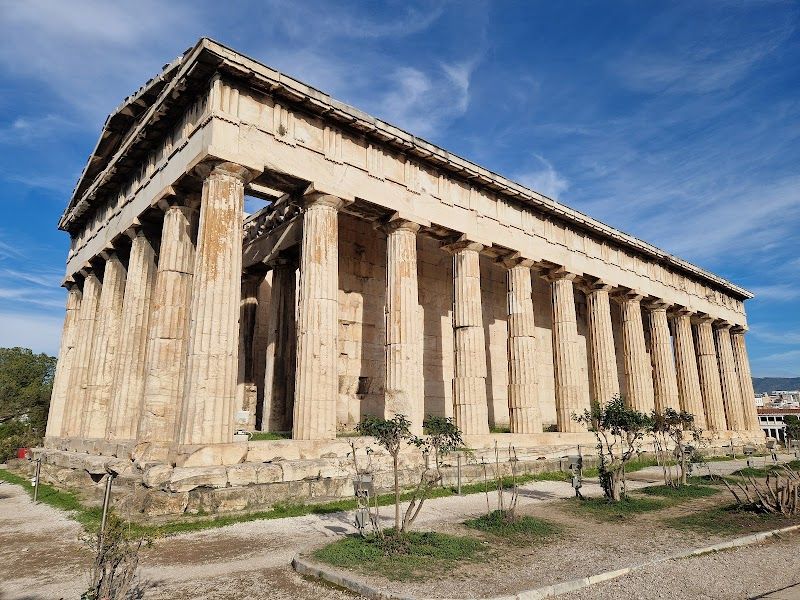
The Athens Marathon is the most honest race you'll ever run. There are no participation medals for showing up, no flat course designed for personal records, and absolutely no sympathy for runners who underestimate the hills between Marathon and Athens. This is the original marathon route, the one Pheidippides supposedly ran in 490 BC, and it will test every aspect of your athens marathon training.
The race takes place every November, usually the second Sunday of the month, and attracts around 20,000 runners from 100 countries. The course elevation profile looks like a roller coaster designed by someone who hates runners - you climb 200 meters in the first 20km, then face a brutal series of hills between kilometers 20-35 before the final descent into Athens. The finish line sits inside the marble Panathenaic Stadium, the same venue that hosted the first modern Olympics in 1896.
Understanding the Athens Marathon Route
The athens marathon route starts in the town of Marathon, 42.195 kilometers northeast of Athens, and follows the historic path that ancient messengers took to deliver news of military victories. Unlike modern city marathons with flat, fast courses, this route was designed by geography and history, not race times.
The first 10 kilometers are deceptively pleasant. You run through countryside dotted with olive groves and small villages, with the Aegean Sea visible to your left. The road surface is good asphalt, and the early morning start (usually 9 AM) means temperatures are still cool. Many runners make the mistake of going out too fast here, banking time for the hills ahead.
Kilometers 10-20 introduce the climbing. The road rises gradually but persistently through the villages of Nea Makri and Rafina. The elevation gain averages 10 meters per kilometer, which doesn't sound like much until you're running it. Your legs will feel the accumulated stress by kilometer 15, and this is where undertrained runners start walking.
The notorious section runs from kilometers 20-35. After a brief respite through Pikermi village, the course attacks you with three significant climbs. The steepest section hits around kilometer 32, where the road rises 60 meters over 2 kilometers. This is where the athens classic marathon separates recreational runners from those who trained specifically for hills. The aid stations here are crucial - volunteers offer water, isotonic drinks, sponges, and bananas.
The final 7 kilometers descend into Athens, but the downhill running after 35km of climbing destroys unprepared quadriceps. The course passes through suburban neighborhoods before entering central Athens. You run past the Temple of Olympian Zeus, through the National Gardens, and finally into the Panathenaic Stadium where 50,000 spectators wait.
Race Strategy for the Hills
The athens marathon route demands a specific strategy that differs completely from flat marathons. Plan to run the first half 15-20 minutes slower than your goal pace. The climbing will slow you down regardless of your fitness level, and starting conservatively allows you to maintain consistent effort rather than constantly adjusting for elevation changes.
Walk the steepest sections without shame. Elite athletes power-walk the hills around kilometer 32, and recreational runners should do the same. Running uphill at marathon pace burns glycogen stores you'll need for the final 10km. The key metric is effort level, not pace per kilometer.
Practice downhill running extensively. The descent from kilometer 35 to the finish line destroys undertrained runners. Your quadriceps must be conditioned for sustained downhill pounding after 35km of mixed terrain. Include weekly downhill runs in your training, focusing on controlled landings and maintaining form when your legs are fatigued.
Athens Marathon Training Essentials
Training for the Athens Marathon requires a fundamentally different approach than preparing for flat city marathons. The elevation profile demands specific preparation that most generic marathon training plans ignore completely.
Hill training is non-negotiable. Schedule weekly hill repeats starting 16 weeks before the race. Find a hill that takes 3-5 minutes to climb at tempo effort, and repeat 6-10 times with easy jogging recovery. This builds the specific muscle strength needed for the climbs between kilometers 10-35. If you live in a flat area, use treadmill incline training or find highway overpasses for repeated climbing.
Long runs must include significant elevation change. Your weekly long runs should accumulate 300-500 meters of climbing to simulate race conditions. This teaches your body to process lactate efficiently while climbing and prepares your legs for the sustained effort required. Flat long runs, even at the correct distance, won't prepare you for Athens.
Practice fueling on hills. Eating and drinking while climbing requires different techniques than fueling on flat courses. Your breathing is already labored, making it harder to consume gels and sports drinks. Practice taking nutrition while walking uphill during training runs. The race provides aid stations every 5km with water, isotonic drinks, oranges, bananas, and sponges.
Include back-to-back training days. Schedule consecutive days of running to simulate the cumulative fatigue you'll experience during the race. A typical weekend might include a hill-heavy 25km run on Saturday followed by an easy 15km recovery run on Sunday. This teaches your legs to function when glycogen stores are depleted.
Specific Workouts for Athens Marathon Success
Your training plan should include these athens marathon training sessions every week for 12-16 weeks before the race:
Tuesday: Hill Intervals - 6-8 x 4 minutes uphill at threshold effort with 2-minute recovery jogs. This builds the aerobic power needed for sustained climbing.
Thursday: Tempo with Hills - 60-80 minutes at comfortably hard effort over rolling terrain. This simulates race effort while managing elevation changes.
Saturday: Long Run with Elevation - Build from 25km to 35km with 400-600 meters of total climbing. Practice race nutrition and hydration strategies.
Sunday: Recovery Run - Easy 45-60 minutes on tired legs to build resilience and teach efficient movement when fatigued.
Athens Marathon Accommodation Strategy
Choosing the right place to stay can make or break your athens marathon experience. The race logistics require specific considerations that don't apply to typical Athens tourism.
Stay near a Metro Line 2 (red line) station. The race organizers provide shuttle buses from Nomismatokopio Metro station to the Marathon start line, departing between 6:30-7:30 AM. Hotels near Syntagma, Panepistimio, or Omonia stations put you within easy reach of the shuttle pickup point. The shuttle costs EUR 5 and takes about 45 minutes to reach Marathon.
Book accommodation in Pangrati for optimal logistics. This neighborhood sits close to the finish line at Panathenaic Stadium, making post-race logistics simple. Hotels here cost EUR 80-120 per night during marathon weekend, and you can walk to the stadium in 15 minutes. The area has excellent tavernas for carb-loading dinners and multiple pharmacies for last-minute supplies.
Avoid staying in Marathon town itself. While it seems logical to stay near the start line, Marathon offers limited hotel options and requires complex logistics to reach the finish line after the race. The shuttle bus system from Athens works efficiently and eliminates the need to arrange post-race transportation from Marathon back to Athens.
Koukaki provides the best value for marathon runners. This neighborhood sits below the Acropolis, offers boutique hotels at EUR 90-150 per night, and connects easily to both the Metro system and the finish line area. The neighborhood has numerous restaurants serving traditional Greek food carb-loading, and the streets are quieter than central tourist areas.
Marathon Weekend Accommodation Rates
Marathon weekend is peak season for Athens hotels, and prices reflect the demand. Book at least 6 months in advance for the best rates and availability.
Budget Options (EUR 40-70 per night): Hostels in Psyrri or Exarchia offer dorm beds for EUR 25-35 during marathon weekend. Private rooms in 2-star hotels cost EUR 50-70. These neighborhoods require 30-40 minutes to reach the shuttle pickup point but offer authentic local atmosphere and excellent restaurant options.
Mid-Range Hotels (EUR 80-150 per night): Three-star hotels in Pangrati, Koukaki, or near Syntagma Square provide comfortable rooms with air conditioning, reliable wifi, and continental breakfast. Many offer late checkout on race day, allowing you to shower and rest after finishing.
Luxury Options (EUR 200-400 per night): Five-star hotels near Syntagma Square or in Kolonaki provide full-service amenities including spa facilities for pre-race massage and recovery treatments. These hotels often arrange private transportation to the shuttle pickup point.
Race Day Logistics and Timeline
The Athens Marathon requires more complex logistics than typical city marathons. The remote start location, early departure times, and post-race transportation create multiple points of potential failure that proper planning can eliminate.
5:00 AM - Final preparation begins with a light breakfast 3-4 hours before the 9 AM start time. Greek hotels typically don't serve breakfast this early, so purchase supplies the day before. Optimal pre-race meal includes familiar carbohydrates like bread, bananas, and coffee if you normally drink it.
6:00 AM - Depart for shuttle pickup at Nomismatokopio Metro station. Allow 45 minutes travel time from central Athens hotels using the Metro system. Purchase a EUR 1.20 Metro ticket and keep your race bib visible - volunteers at the station will direct you to the correct shuttle bus.
6:30-7:30 AM - Shuttle departure window provides multiple bus departures every 15 minutes. Buses are comfortable coaches with storage for warm-up clothes. The 45-minute ride to Marathon includes a light breakfast box and allows time to review race strategy or rest.
8:15 AM - Arrival in Marathon gives you 45 minutes for final preparations. Portable toilets are available but expect queues. Bag drop is mandatory - the organization transports finish line bags to Athens via truck. Keep only essential race supplies with you.
9:00 AM - Race start happens regardless of weather conditions. The course closes at 2:30 PM (5.5 hours), with rolling cutoff times at each aid station. Runners who exceed cutoff times are transported to the finish line by bus.
Post-Race Transportation
Finishing the Athens Marathon in the Panathenaic Stadium is memorable, but getting back to your hotel requires planning. The stadium area becomes congested with 20,000 finishers, spectators, and support crews.
Metro Line 2 connects the stadium area to central Athens. The closest station is Akropoli, about 800 meters from the finish line. Expect crowds and potential service delays due to marathon traffic. Allow 60-90 minutes to return to central Athens hotels.
Taxis are available but expensive and slow. Fixed rates from the stadium area to central Athens run EUR 15-25, but marathon day traffic extends journey times significantly. Pre-arrange pickup times with your hotel or use ride-sharing apps.
Walking to nearby neighborhoods works well if you're staying locally. Koukaki hotels are 15-20 minutes walk from the stadium, Pangrati hotels are 10-15 minutes away. This allows you to avoid transportation crowds while enjoying the post-race atmosphere in Athens.
Essential Race Week Preparation
The week before the Athens Marathon focuses on logistics, nutrition, and managing pre-race nerves while exploring Athens. Many runners combine the race with a Greek vacation, but race week requires specific attention to preparation details.
Monday-Tuesday: Arrive and register. Race registration typically occurs at the Athens Olympic Sports Complex (OAKA) Tuesday through Friday. Collect your race bib, timing chip, and marathon t-shirt while attending the race expo. International runners must present passport for bib pickup. The expo includes gear vendors, nutrition suppliers, and Greek tourism information.
Wednesday: Course reconnaissance. Drive or take a bus tour of key course sections, particularly the hill segments between kilometers 20-35. Visual familiarity with the route reduces race day anxiety and helps you plan pacing strategy. Many local running clubs offer guided course tours during marathon week.
Thursday: Carb-loading dinner. Athens offers exceptional pasta and traditional Greek dishes carbohydrate loading. Visit Varvakios Agora central market for fresh ingredients or dine at traditional tavernas in Plaka. Avoid unfamiliar foods or excessive alcohol consumption.
Friday: Rest day with light tourism. Visit the Acropolis Museum (EUR 15) or walk through the National Gardens for gentle movement without stress. Purchase any last-minute race supplies from sports shops near Syntagma Square. Confirm hotel checkout arrangements for race day.
Saturday: Final preparation. Pick up your shuttle bus ticket if you haven't already, organize race day clothing, and eat familiar foods. Many runners visit the Panathenaic Stadium to visualize crossing the finish line. Early bedtime is essential regardless of Athens' nightlife reputation.
Nutrition Strategy for Athens
Greek cuisine provides excellent marathon preparation foods, but international runners should balance local exploration with familiar pre-race nutrition. The Mediterranean diet aligns well with endurance athlete requirements, emphasizing complex carbohydrates, healthy fats, and lean proteins.
Monday-Wednesday: Explore Greek food while maintaining normal eating patterns. Traditional dishes like pastitsio (Greek lasagna), moussaka, and fresh seafood provide quality nutrition without dramatic dietary changes. Local markets offer exceptional fruits, vegetables, and whole grains.
Thursday-Friday: Focus on carbohydrate loading using pasta, rice, bread, and potatoes. Many Athens restaurants serve excellent pasta dishes, and traditional Greek bread is available everywhere. Increase portion sizes rather than changing food types.
Saturday: Race day preparation includes familiar breakfast foods purchased in advance. Greek yogurt with honey, bread, bananas, and coffee provide safe pre-race fuel. Avoid the temptation to try new Greek breakfast specialties on race morning.
Race day fueling should follow your trained strategy. Aid stations provide water, isotonic drinks, oranges, bananas, and sponges every 5km. Bring familiar gels or energy bars from home rather than relying on unfamiliar race nutrition.
Weather and Gear Considerations
November weather in Athens creates ideal marathon conditions but requires specific gear preparation. Temperatures typically range from 12-18°C (54-64°F) with low humidity and minimal rainfall probability.
Start line temperature in Marathon town runs 2-3°C cooler than Athens due to elevation and proximity to the sea. Plan for 10-12°C (50-54°F) at the 9 AM start, warming to 15-17°C (59-63°F) by the time you reach Athens. This temperature range is marathon running but requires layering strategy.
Clothing recommendations include a disposable outer layer for the start area that you can discard after the first 5km when your body temperature rises. Long-sleeve technical shirt with removable arm warmers allows temperature adjustment during the race. Shorts work well for most runners, though some prefer lightweight tights.
Footwear selection should prioritize grip and durability over pure speed. The course includes some rough asphalt sections and debris, particularly in the rural areas between Marathon and Athens. Trail-oriented road shoes provide better traction on the hills and protection from small rocks.
Weather backup plans matter despite November's generally stable conditions. Bring rain gear if forecasts show precipitation - running 42km in cold rain without proper protection leads to hypothermia. Wind can be significant in the exposed sections between kilometers 5-15, making lightweight windbreaker valuable.
Essential Gear Checklist
Pack these items specifically for the Athens Marathon experience:
Race day clothing: Tested racing outfit, throwaway warm-up layer, hat or visor, sunglasses for the final sunny kilometers through Athens
Foot care: Proven running shoes (not new ones), moisture-wicking socks, toe lubricant or tape for blister prevention
Nutrition and hydration: Familiar gels or energy bars (don't rely solely on aid station offerings), small water bottle if you prefer controlled hydration
Post-race comfort: Warm dry clothes for after finishing, slip-on shoes for swollen feet, towel for the shower facilities at Panathenaic Stadium
Documentation: Passport (required for race registration), travel insurance information, emergency contact details in Greek and English
The Athens Marathon strips away everything except your preparation, determination, and respect for the course. Unlike flat city marathons designed for personal records, this race rewards runners who train specifically for its challenges and approach it with appropriate respect. The finish line inside the marble Panathenaic Stadium, where Olympic history began, makes every difficult kilometer worthwhile.
For comprehensive guidance on exploring Athens beyond race day, check our First Time in Athens: Everything You Need to Know and discover the neighborhoods where you'll recover after crossing that historic finish line.