Athens
Ancient ruins, EUR 4 souvlaki, rooftop bars with Acropolis views, and the best food you have never been warned about
About Athens
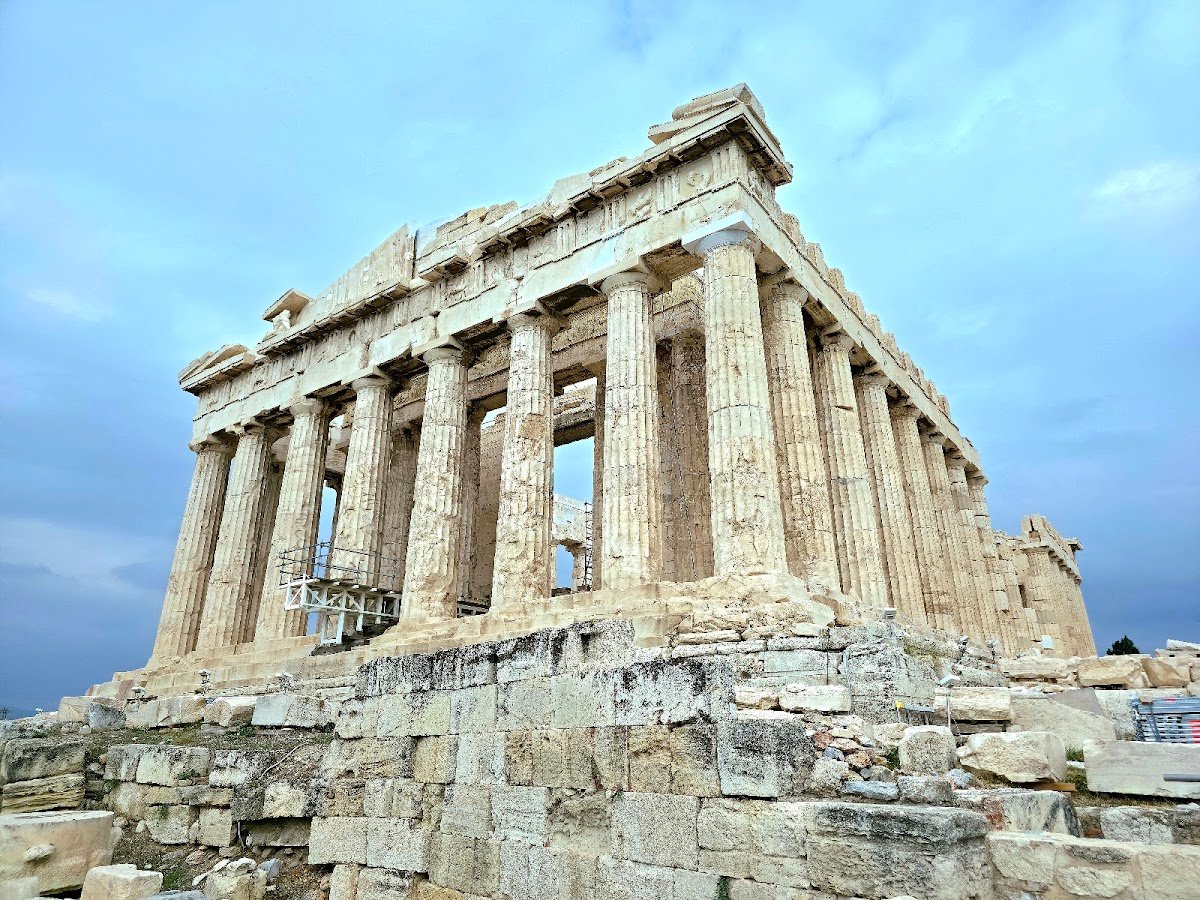
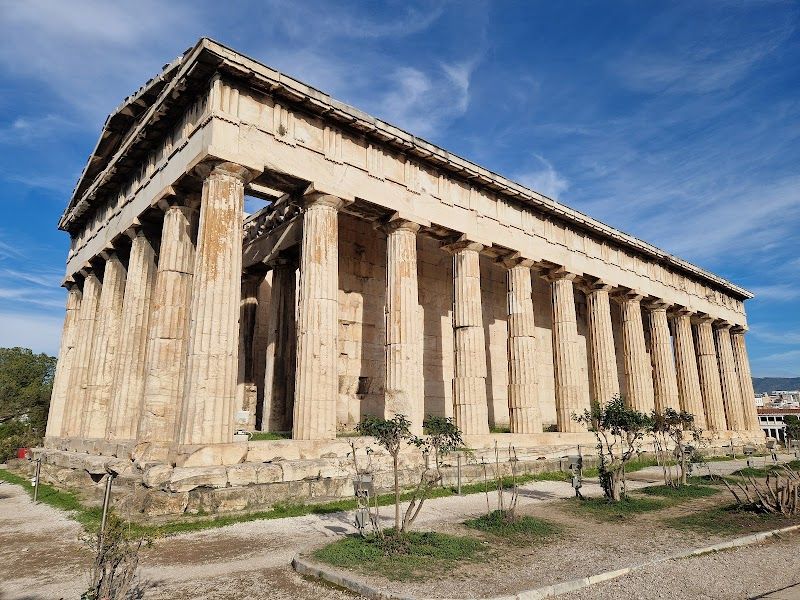
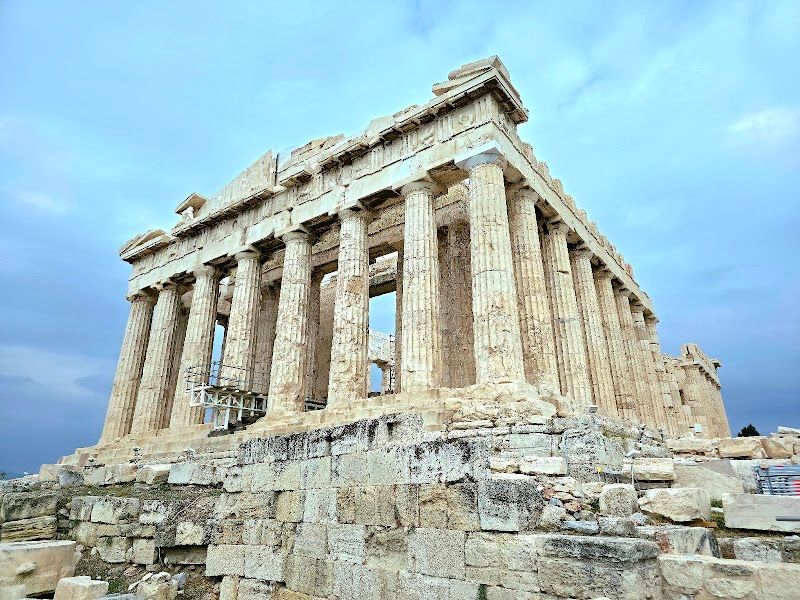
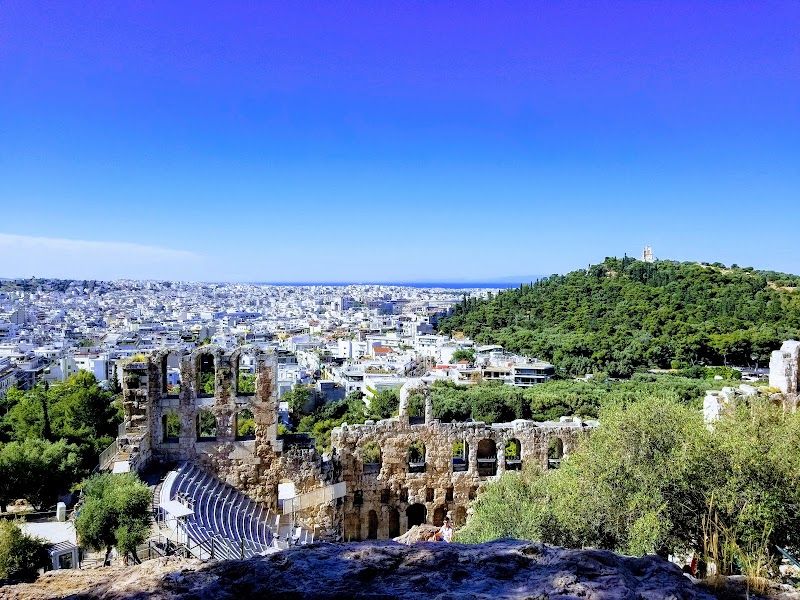
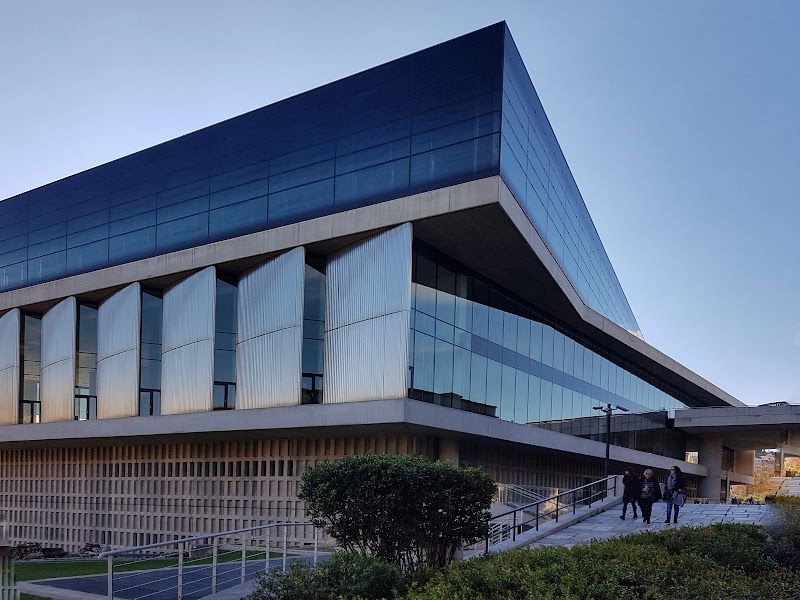
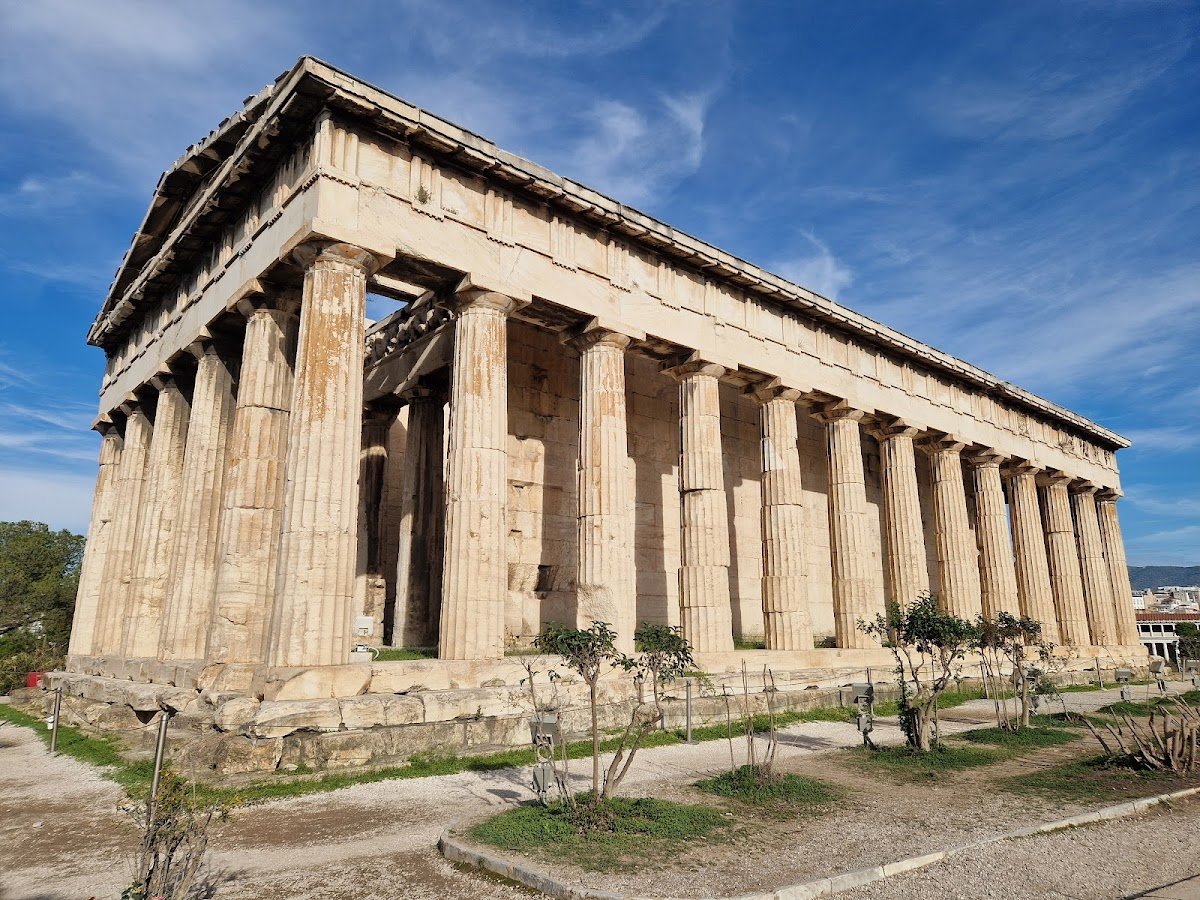
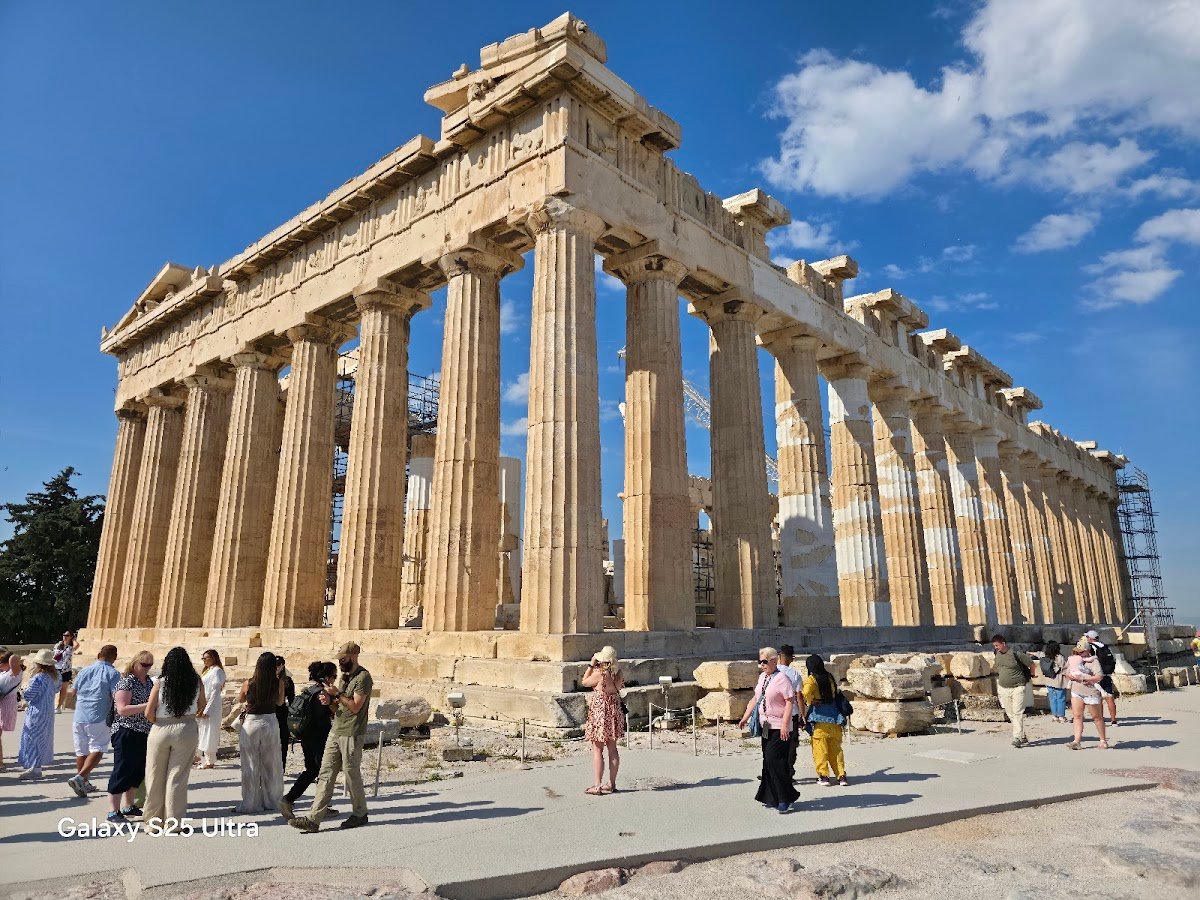
Athens is the city where you eat dinner at 10 PM, the ruins are older than most countries, and the street art is better than most galleries. The Acropolis dominates the skyline from almost everywhere in the city, and the first time you see the Parthenon lit up at night from a rooftop bar in Monastiraki, you understand why people have been making pilgrimages here for 2,500 years. The new Acropolis Museum (EUR 15, free on certain winter Sundays) is the rare museum that actually lives up to the building it was designed for, with a glass floor over an active excavation and a top-floor gallery aligned precisely with the Parthenon so you see the sculptures in the same light the original architects intended.
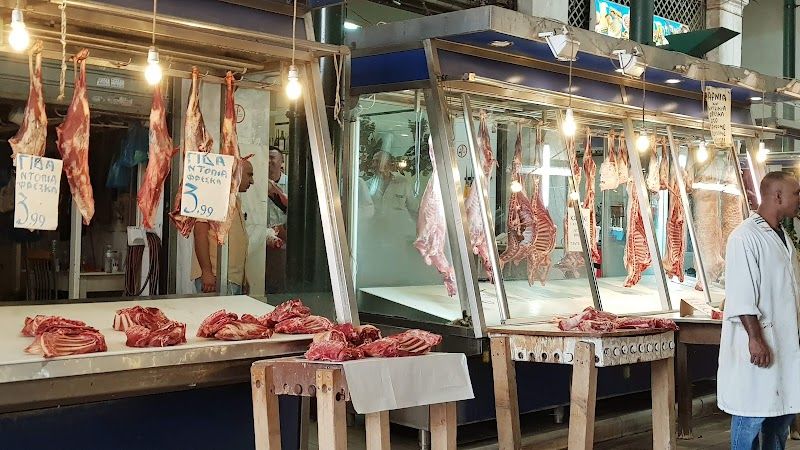
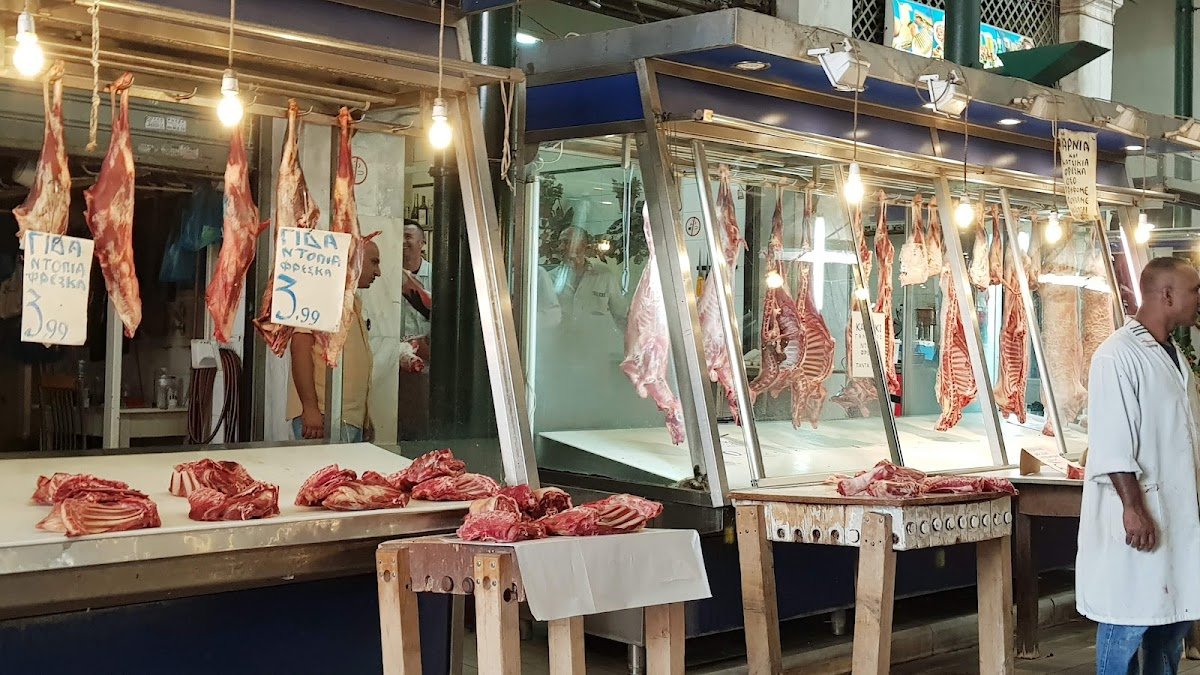
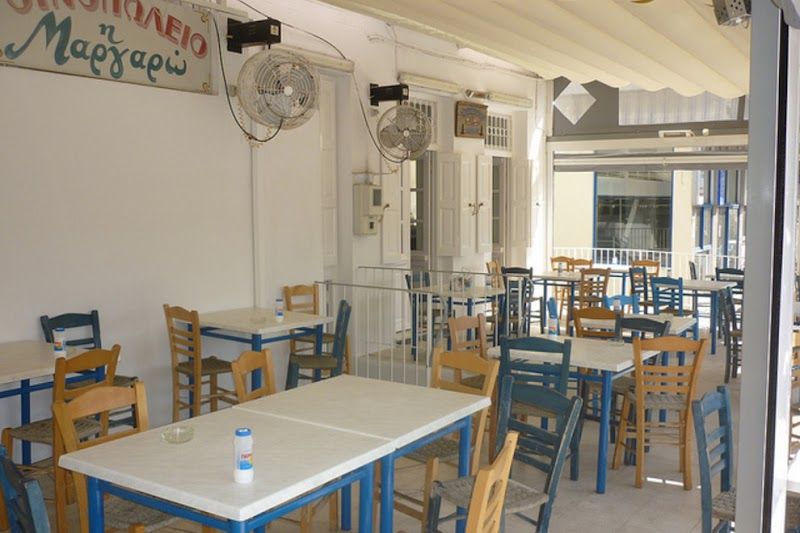
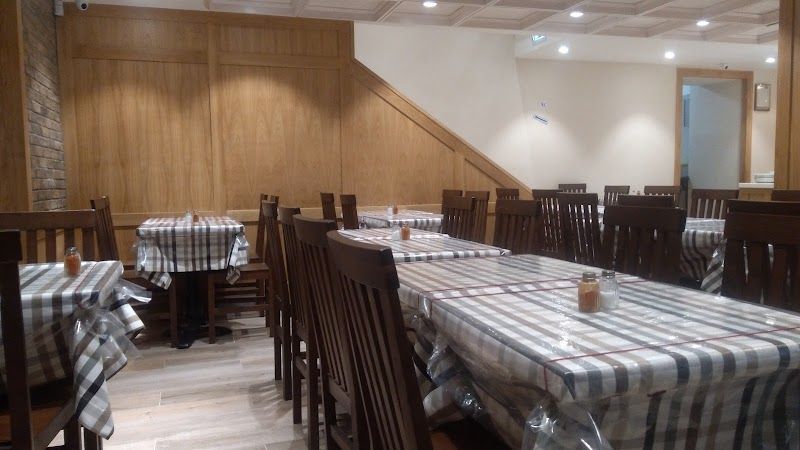
The food is the thing nobody warns you about. Greek food in Athens bears almost no resemblance to the Greek food you have eaten anywhere else. A proper taverna lunch in Psyrri or Pangrati costs EUR 12-18 per person for dishes that are cooked in olive oil that tastes like the olives were pressed that morning, because they might have been. Souvlaki from a good shop (Kostas in Syntagma, Kosta Tou Psyrri, O Thanasis in Monastiraki) costs EUR 3-4 and is a complete meal wrapped in pita with tomato, onion, tzatziki, and fries stuffed inside. The mezze culture means you order six small plates, share everything, argue about which dish is best, and then order three more. Wine is cheap (EUR 4-6 a glass for something genuinely good), and the Greek varietals (Assyrtiko, Xinomavro, Agiorgitiko) are finally getting the international recognition they deserve.
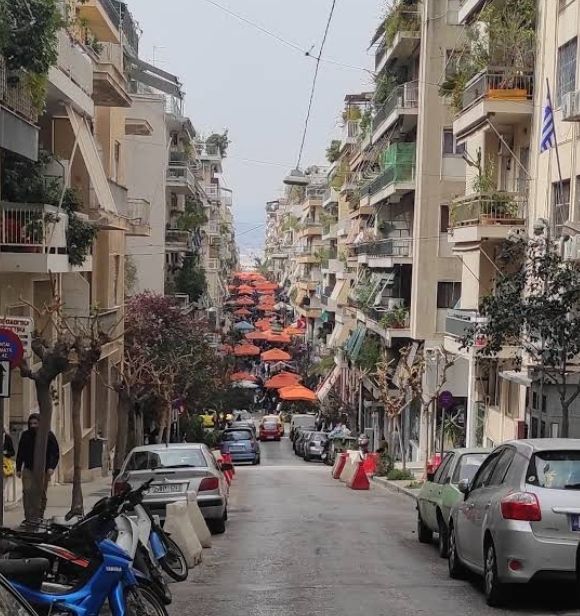
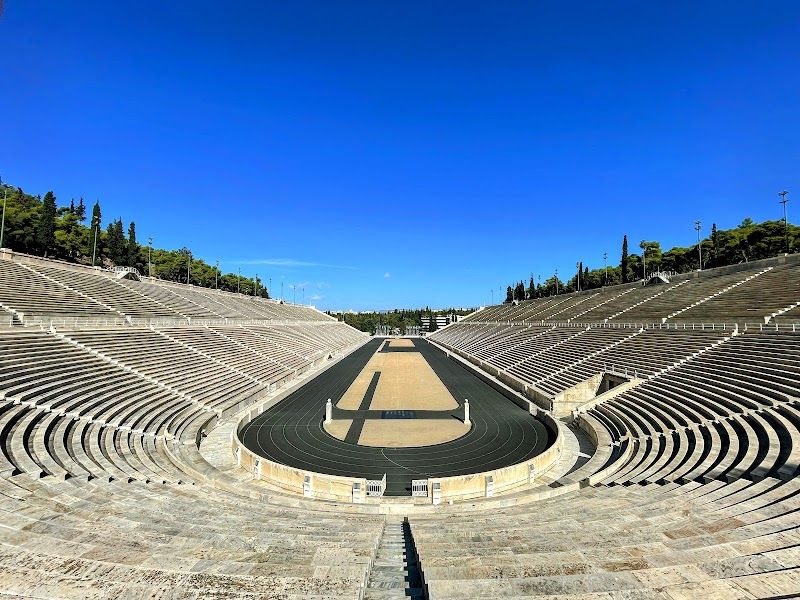
The neighbourhoods are where Athens reveals itself. Plaka and Monastiraki are the tourist centre, beautiful and crowded and worth seeing once, but the city that Athenians actually live in starts one block further out. Exarchia is the anarchist quarter, covered in political graffiti and murals, with the best independent bookshops, vinyl record stores, and EUR 8 dinner plates in the city. Pangrati is residential and calm, with the Panathenaic Stadium (where the first modern Olympics were held in 1896, free to see from outside, EUR 10 to walk the track) and neighbourhood tavernas where the waiter does not speak English and the food is better for it. Koukaki sits below the Acropolis and has the best balance of location, restaurants, and actual Athenian life.
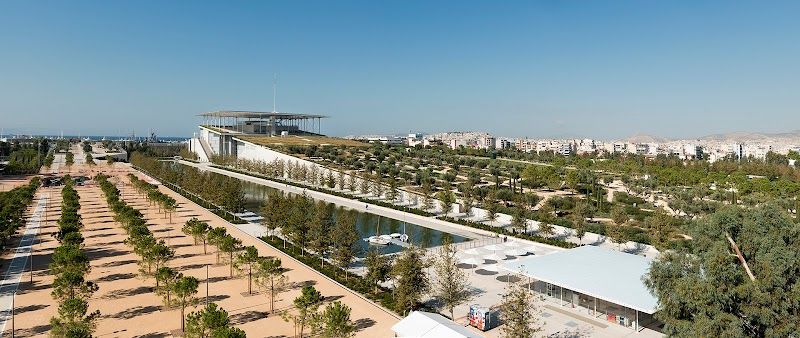
Athens is also the gateway. Ferries to the Saronic Islands leave from Piraeus (Hydra is 90 minutes, no cars allowed, the most photogenic Greek island that is not Santorini). Cape Sounion and the Temple of Poseidon (70 km south, sunset here is legendary, EUR 10) make a half-day trip. The Athenian Riviera coastline south of the city has beaches, seaside restaurants, and the Stavros Niarchos Foundation Cultural Centre (Renzo Piano building, free park, free library, free events most evenings). Give the city itself at least three full days before you start island-hopping, because the Athens that opens up after the Acropolis and Plaka is the one that makes people rebook their flights.
Pick your base
Stay in Athens
Real-time pricing across hotels, apartments, and ryokans. Book direct from the map.
Things to do in Athens
Experiences worth booking ahead
Vetted tours and tickets we'd send a friend to. The ones worth reserving before you arrive.
Travel guides
From the blog
Practical bits, answered
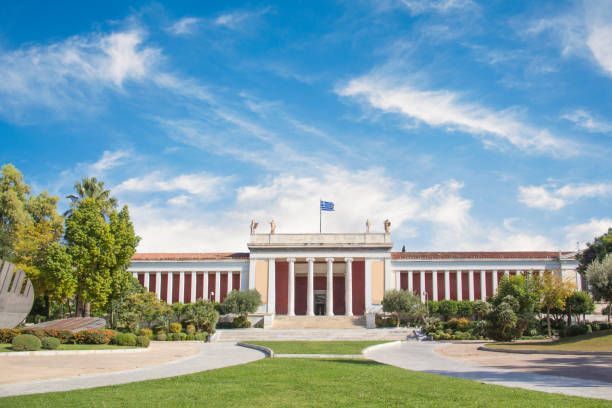
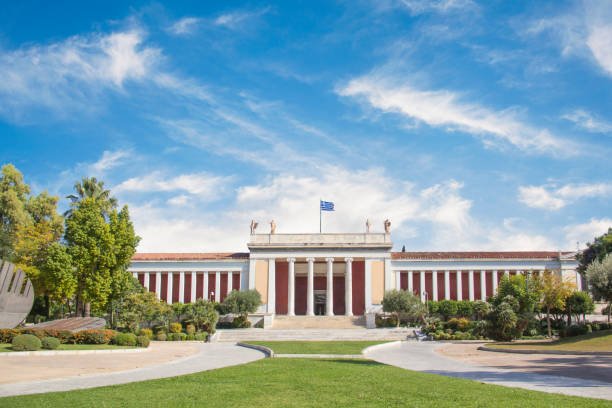
Three full days is the sweet spot: one for the Acropolis and ancient sites (Acropolis at 8 AM, Acropolis Museum, Ancient Agora, walk Dionysiou Areopagitou), one for the neighbourhoods (Psyrri street art, National Archaeological Museum in Exarchia, dinner in Koukaki), and one for the hills and day trip prep (Panathenaic Stadium, Lycabettus sunset, Pangrati tavernas). Five days lets you add a day trip (Hydra island or Cape Sounion) and coastal Athens. A long weekend works if you focus on the Acropolis area and one or two neighbourhoods.
Yes. Athens is safe by European city standards. Pickpockets operate on the metro and at Monastiraki flea market, so keep valuables secure. Exarchia looks edgy (graffiti, political posters) but is not dangerous for visitors. The area around Omonia Square can feel rough after dark, best avoided at night. Syntagma, Plaka, Koukaki, Kolonaki, and Pangrati are all comfortable day and night. Use the BEAT app (Greek ride-hailing) instead of hailing taxis if you prefer.
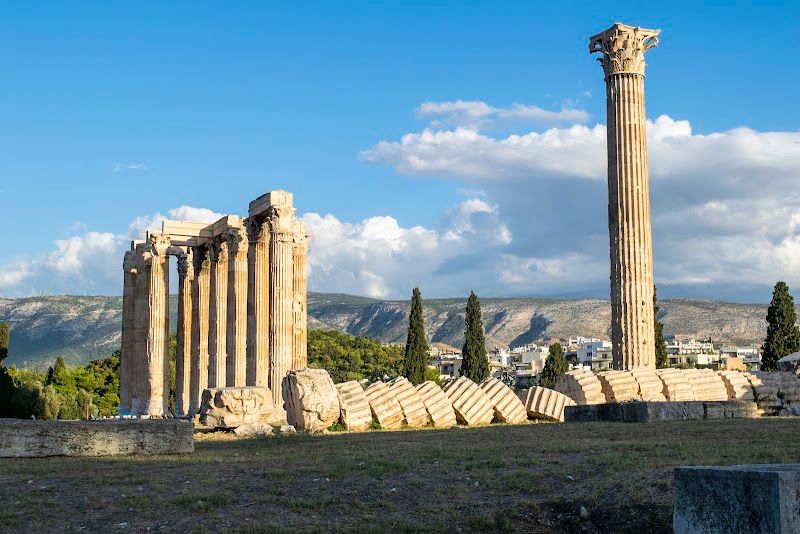
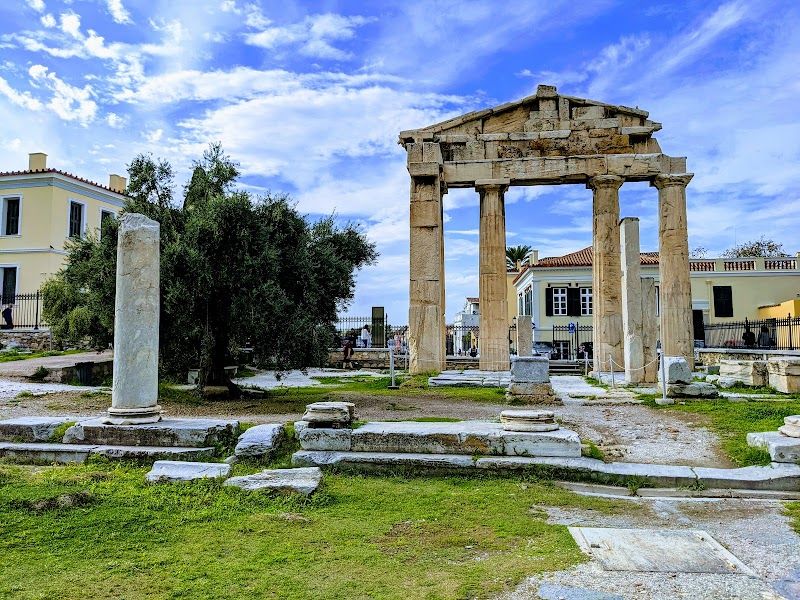
Yes, if you plan to visit 3 or more archaeological sites. The EUR 30 combined ticket covers the Acropolis, Ancient Agora, Roman Agora, Kerameikos, Temple of Olympian Zeus, Hadrian's Library, and Aristotle's Lyceum. It is valid for 5 days. The Acropolis alone costs EUR 20, so the combined ticket pays for itself with just one additional site. Buy it online before you go to skip the Acropolis ticket queue, which can be 30-60 minutes in summer.
Very hot. July and August regularly hit 35-40C (95-104F) with little shade on archaeological sites. If you visit in summer: do the Acropolis at 8 AM opening, spend the afternoon in air-conditioned museums or at the beach, and sightsee again after 5 PM. September and October are ideal (25-30C, fewer crowds, warm sea for swimming). April to June is the best overall: comfortable temperatures, wildflowers, longer daylight hours, and pre-peak prices.
No. English is widely spoken in the tourist centre, restaurants, hotels, and by most younger Athenians. In neighbourhood tavernas in Pangrati or Exarchia, staff may speak limited English but menus usually have translations, and pointing at other tables' food is an accepted ordering technique. Learn "efcharisto" (thank you), "yassas" (hello/goodbye), and "poso kanei" (how much). Greeks appreciate the effort even if they reply in English.
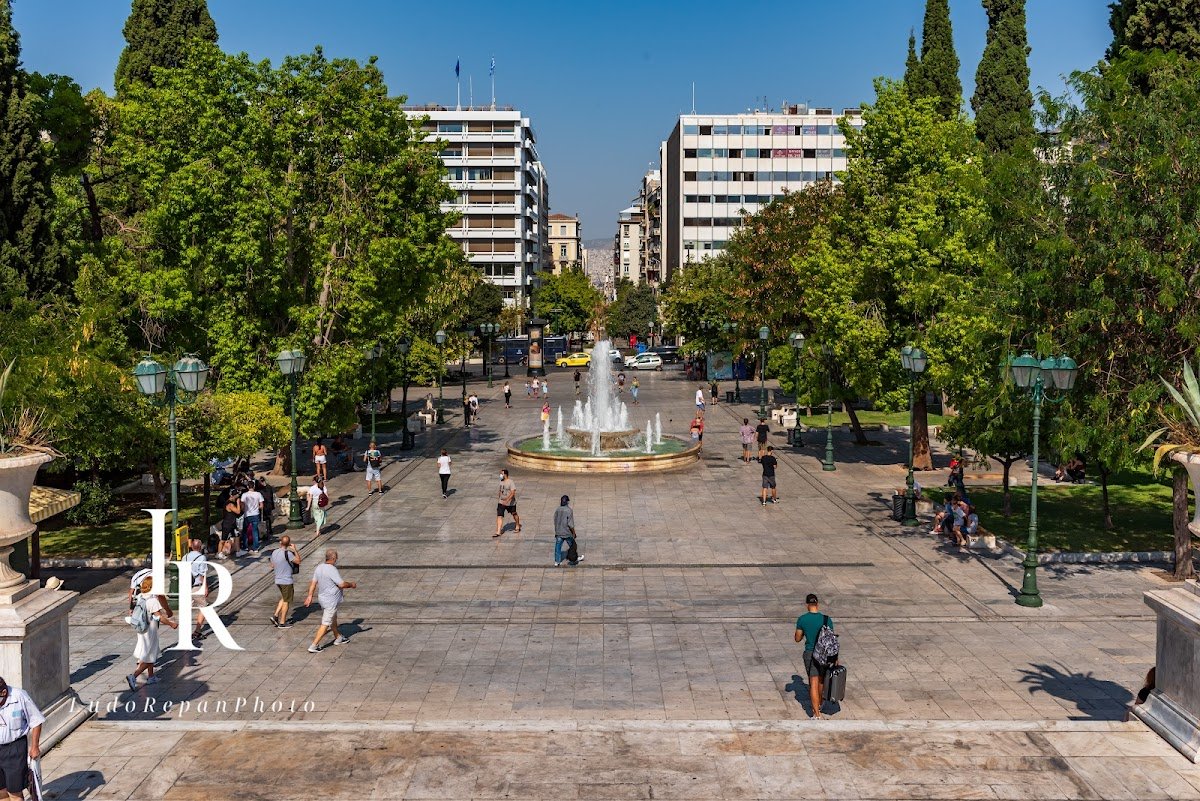
The metro (Line 3, blue line) runs from Athens International Airport to Syntagma Square in the city centre. It takes 40 minutes and costs EUR 9 (EUR 18 return if bought together). Trains run every 30 minutes from 6:30 AM to 11:30 PM. The X95 express bus runs 24 hours, costs EUR 5.50, and takes 60-90 minutes depending on traffic. Taxis cost EUR 40 flat rate to the centre (EUR 55 between midnight and 5 AM). The metro is the best option for most visitors.
Let DAIZ plan your Athens days
Tell us how long you've got and what you're into. We'll build a day-by-day plan, with the bookable bits ready to lock in.