Italy

Tuscany

Cypress-lined roads, Renaissance cities, Chianti by the glass, and the kind of light that makes everything look like a painting
Tuscany, Italy
Type
Wine Route
Duration
5-7 days
Transport
car
Best Time
May-June and September-October (spring wildflowers or autumn harvest)
Cities
4
The place

About Tuscany

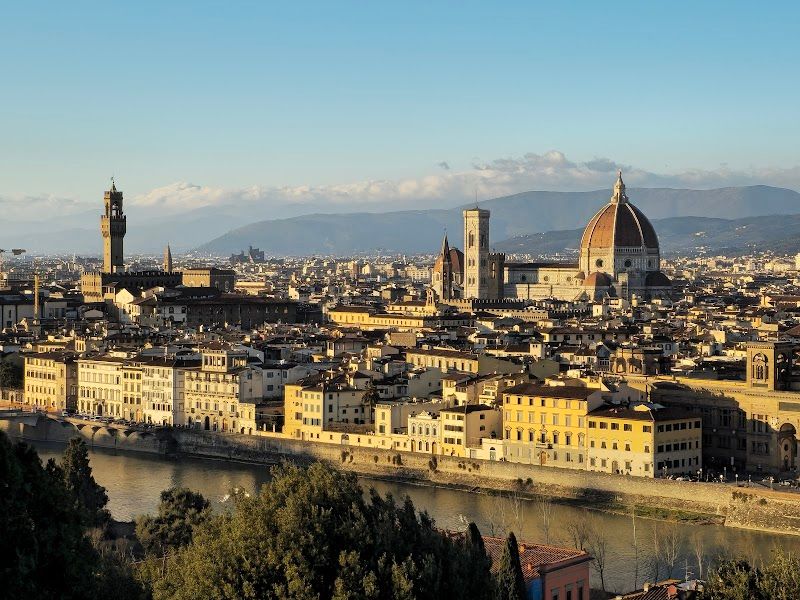
Tuscany is the Italian region that ruined every other landscape for you. The hills roll in exactly the way you expect from every olive oil label and wine bottle you have ever seen, except in person the colours are better and the food is cheaper. Florence anchors the north with 500 years of art stacked in galleries that could occupy you for a month. Siena owns the middle ages - the shell-shaped piazza, the contrade rivalries, the Palio. San Gimignano kept its medieval towers when every other town tore theirs down. And the Val d'Orcia in the south is UNESCO-listed because even bureaucrats occasionally recognise beauty when it is this obvious.

The wine and food alone justify the trip. Chianti Classico from vineyards between Florence and Siena (EUR 8-15/bottle at the cellar door), Brunello di Montalcino from the southern hill town that produces one of Italy's greatest reds (EUR 30-80/bottle), Vino Nobile di Montepulciano from underground cellars carved into Etruscan caves (EUR 10-25), and Vernaccia di San Gimignano (the white, EUR 8-15). The food matches: bistecca alla fiorentina (the massive T-bone steak, 1 kg minimum, rare, shared), pici with wild boar ragu in Siena, pecorino in Pienza where the cheese shops offer free tastings that could constitute lunch, and ribollita (the bread soup) everywhere.

The driving is the connective tissue. The cypress-lined roads between towns, the SR222 Chiantigiana route through wine country, the approach to hilltop towns that appear and disappear as the road curves - these are not transfers between destinations, they are the destination. Rent a small car, bring good sunglasses, and accept that you will stop for photographs more often than the itinerary suggests.

The places

Cities in this region

4 destinations, each with its own character. Pick one as a base or string them into a route.
The path

Suggested route

1
Florence2-3 nights
75 min drive or 90 min bus from Florence (EUR 8-10)
2
Siena2 nights
30 min drive from Siena
3
San GimignanoHalf day
1 hour drive south from Siena
4
Val d'Orcia1-2 nights
What to do

Things to do across Tuscany

24 top experiences across every destination in the region.
Hand-picked

Experiences worth booking ahead

Vetted tours and tickets across every destination in the region. The ones worth reserving before you arrive.
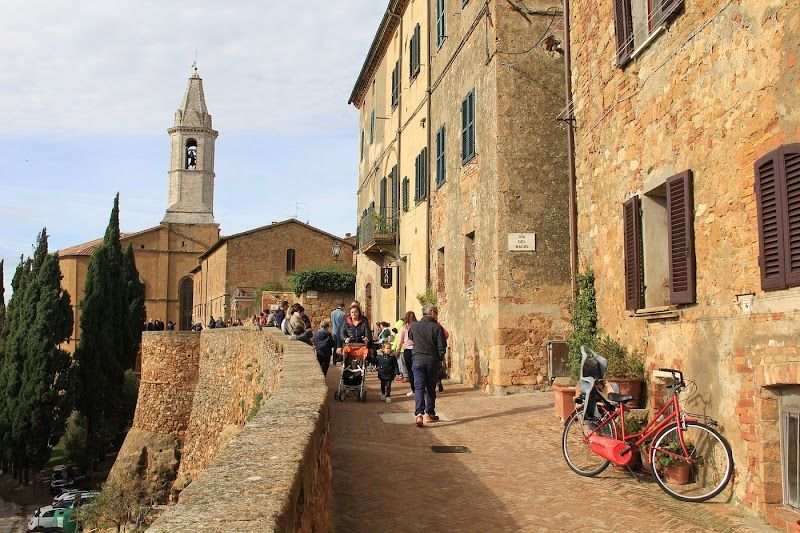
Piazza della Santissima Annunziata
Bestseller

Piazza della Santissima Annunziata

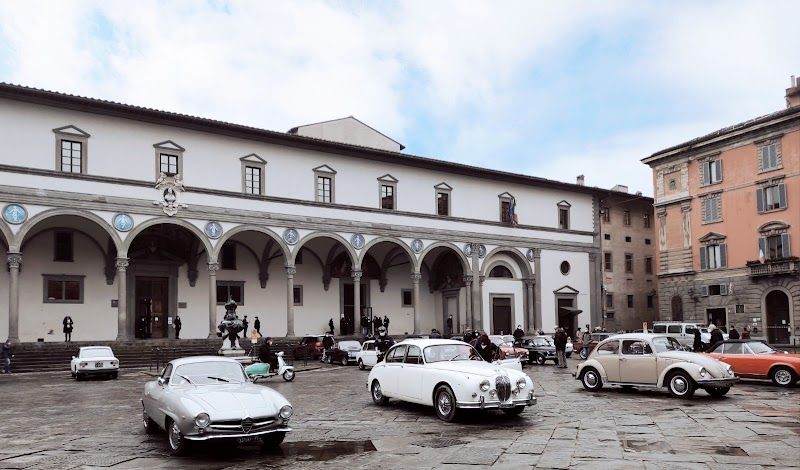
This perfectly proportioned Renaissance square showcases Brunelleschi's elegant arcade wrapping around three sides, creating Florence's most geometrically harmonious public space. You'll find Giambologna's bronze statue of Grand Duke Ferdinando I commanding the center, while the Ospedale degli Innocenti displays Andrea della Robbia's famous blue and white terra cotta roundels of swaddled babies. The square connects the Basilica della Santissima Annunziata with Europe's first purpose-built orphanage, now housing an excellent museum. The space feels intimate compared to Piazza della Signoria, with locals cutting through on their way to work and mothers pushing strollers under the graceful arches. You can walk the entire perimeter in five minutes, studying the perfectly matched proportions that influenced Renaissance urban planning across Europe. The morning light hits the arcade beautifully, casting geometric shadows that shift throughout the day. Students from the nearby university often sit on the steps, giving the square a lived-in quality that tourist-heavy piazzas lack. Most visitors snap photos and leave, missing the real treasure inside the Ospedale degli Innocenti. The Museo degli Innocenti costs €7 and takes 45 minutes, but it's worth it for della Robbia's ceramics and the fascinating history of Renaissance childcare. Skip the basilica unless you're seriously into Mannerist frescoes. The square works best as a peaceful pause between the crowds at the Duomo and Accademia, both a 10-minute walk away.

FlorenceBook
Bagno Vignoni
Top rated

Bagno Vignoni

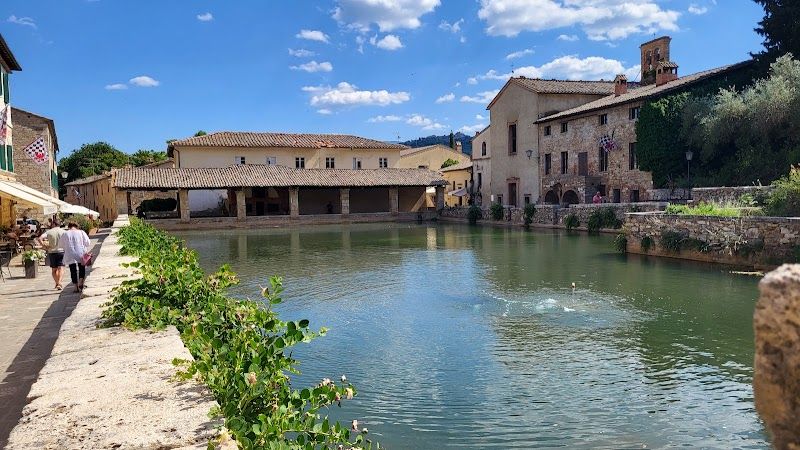
Bagno Vignoni is probably the most surreal village you'll encounter in Tuscany: the entire main piazza is filled with a massive rectangular thermal pool that's been bubbling at 49°C since Roman times. Steam rises constantly from the mineral-rich water while Renaissance loggias and weathered stone buildings frame this ancient bathing site. You can't swim in the main pool anymore (it's protected), but the sight of this steaming lake surrounded by medieval architecture feels like stumbling into a fantasy film set. The village itself takes maybe 20 minutes to explore completely, but the atmosphere keeps you lingering longer than expected. Steam drifts across the piazza creating an almost mystical mood, especially in cooler months when the contrast is most dramatic. The handful of restaurants and cafes have terraces overlooking the thermal pool, so you'll find yourself nursing a coffee while watching the hypnotic steam patterns. The sound of gently bubbling water creates a surprisingly meditative backdrop. Most guides oversell this as a full morning destination when it's really a atmospheric 1-hour stop. The restaurants around the piazza are predictably overpriced (expect €15-20 for basic pasta), so eat elsewhere. The real value is in the free Parco dei Mulini below the village where thermal water cascades over ancient mill ruins and you can actually soak your feet. Skip the souvenir shops, grab your photos of the steaming piazza, then head down to the park for the genuine thermal experience.

Val d'OrciaBook

Palazzo del Podestà

Palazzo del Podestà anchors Piazza del Duomo as San Gimignano's seat of medieval power, built in 1239 when the city was flexing its merchant wealth. The palace's Torre Rognosa stands 51 meters tall, deliberately constructed as the official height limit that no private family tower could legally exceed. You'll see original Romanesque arches along the ground level and weathered medieval stonework that's survived nearly 800 years of Tuscan weather. You can't enter the palace interior, so this is purely an exterior appreciation stop that takes about 15 minutes. The building dominates the cathedral square with its imposing bulk, and you'll find yourself craning your neck to trace the tower's ascent. The palazzo feels stern and governmental compared to the more decorative towers nearby, which makes sense given its role as the podestà's official residence. Morning light hits the facade beautifully, bringing out the warm honey tones in the stone. Most guides oversell this as a major attraction when it's really a quick photo stop and architecture lesson. The real value comes from understanding how this tower enforced medieval building codes across the entire city. Don't waste time lingering too long here, especially since the interior offers nothing to see. Instead, use it as your reference point to spot how every other private tower respects the height restriction as you explore the rest of San Gimignano.

San GimignanoBook
Piazza della Cisterna
Top rated

Piazza della Cisterna

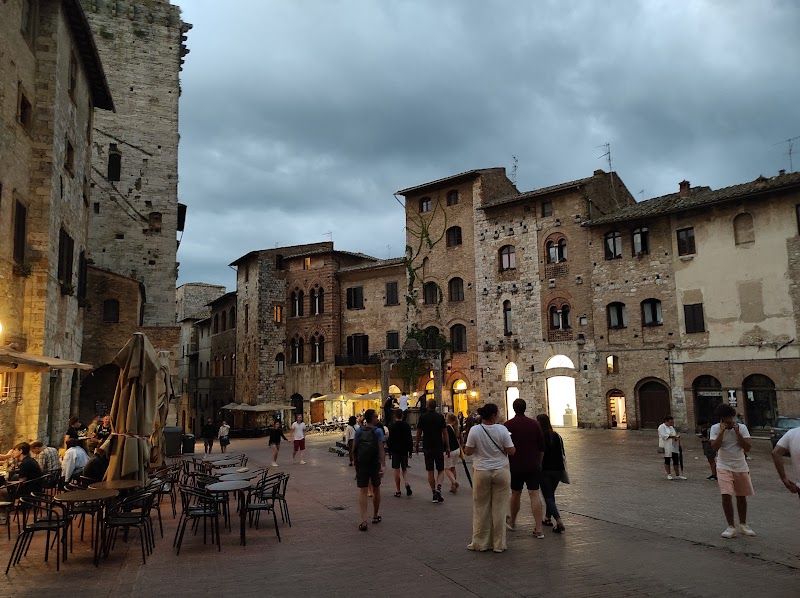
Piazza della Cisterna is San Gimignano's triangular heart, a perfectly preserved medieval square where 13th-century tower houses lean inward like protective guardians. You'll see the famous twin Torri dei Salvucci dominating the north side, while Torre del Diavolo looms to the east, all connected by herringbone brick paving that's remained unchanged for 700 years. The central wellhead that gives the piazza its name still sits exactly where medieval residents drew their water. Walking into this space feels like stepping onto a movie set, except the worn brick beneath your feet and the weathered stone facades are completely authentic. Morning light creates dramatic shadows between the towers while locals emerge for their morning coffee at the corner cafes. You'll hear the echo of footsteps bouncing off ancient walls and catch glimpses of laundry hanging from upper windows where people still actually live. Most visitors rush through for photos, but this square rewards lingering. Skip the overpriced tourist restaurants on the main corners and grab a coffee at Bar dalle Volte for EUR 1.50 instead of EUR 3 elsewhere. Gelateria Dondoli lives up to its world champion reputation, though EUR 4 for two scoops stings. The real magic happens early morning or late afternoon when tour groups clear out and you can actually hear the medieval silence.

San GimignanoBook
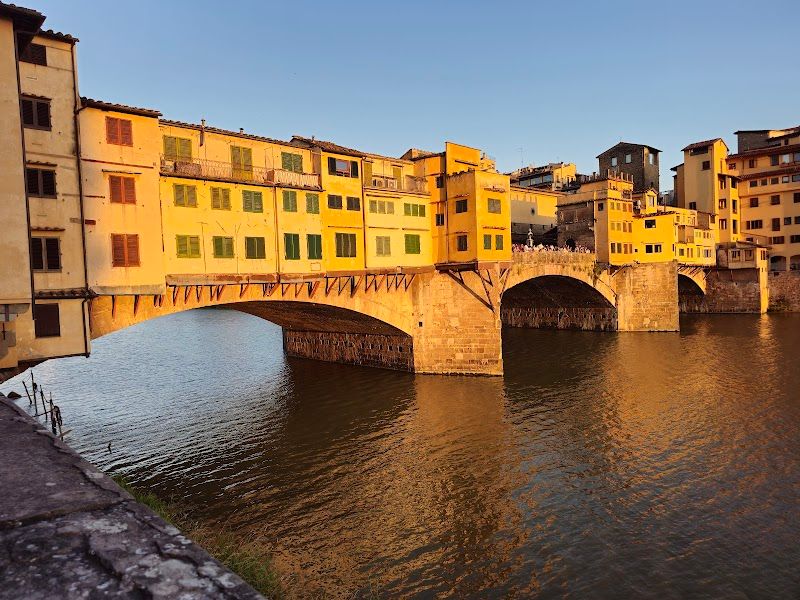
Ponte Vecchio
Top rated

Ponte Vecchio

Ponte Vecchio is Florence's oldest bridge, rebuilt in 1345 and lined with jewelry shops that have operated here since 1593. You'll walk across stone arches over the Arno River while browsing gold vendors in tiny medieval storefronts. The bridge connects the city center to the Oltrarno district, and the famous Vasari Corridor runs above the shops, built so the Medici could cross privately between their palace and the Uffizi. The experience feels like walking through a covered market suspended over water. Jewelry shops display wedding rings, chains, and bracelets in windows barely wider than your outstretched arms. Crowds pack the narrow walkways, especially midday, making it slow going. The stone feels worn smooth by centuries of foot traffic, and you'll hear multiple languages as tour groups squeeze past local shoppers examining gold pieces. Most guides don't mention that prices here aren't inflated for tourists. Local families actually buy wedding rings from these shops, with 18k gold rings starting around 300 EUR. Skip the crowded afternoon visits. Come before 8:30 AM for photos without the masses, or return at sunset when the light turns everything golden. The best bridge photos are actually taken from Ponte Santa Trinita, not from Ponte Vecchio itself.

FlorenceBook
Florence Cathedral (Duomo) & Brunelleschi's Dome
Top rated

Florence Cathedral (Duomo) & Brunelleschi's Dome

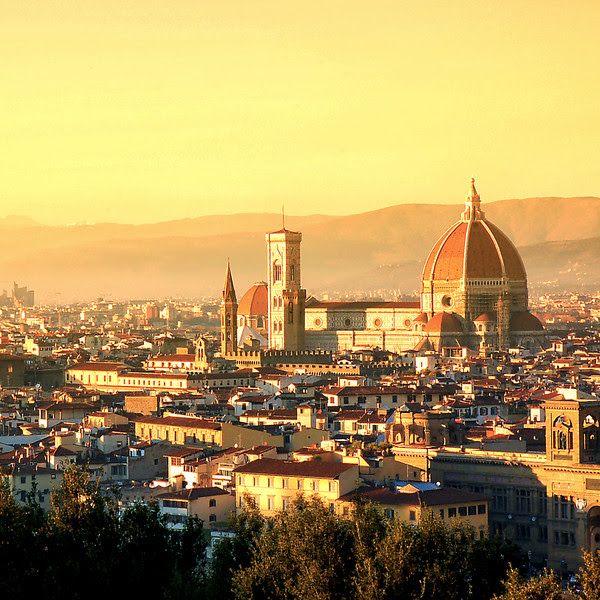
Florence Cathedral and Brunelleschi's dome define the city's skyline, and climbing inside the dome is one of Europe's most extraordinary architectural experiences. The cathedral itself is free to enter, but the real prize is the EUR 30 combined ticket that gets you up 463 steps into Brunelleschi's engineering masterpiece. Built between 1420-1436, this is the world's largest masonry dome, constructed with a revolutionary double-shell technique that still baffles engineers today. The dome climb takes you between the inner and outer shells where you can see the construction techniques up close, then inside to view Vasari's Last Judgment frescoes from an impossibly intimate perspective. The narrow spiral staircases feel medieval and claustrophobic, especially in summer heat, but emerging onto the external lantern delivers sweeping views across Florence's terracotta rooftops to the Tuscan hills beyond. The cathedral floor looks tiny from up there, and you truly understand why this dome was considered impossible to build. Book your dome climb at least a week ahead during peak season, it sells out daily. The cathedral nave is underwhelming compared to the dome experience, so don't feel obligated to linger there. If dome tickets are sold out, Giotto's Bell Tower next door offers nearly identical views with shorter queues for the same EUR 30 ticket. Most people rush through, but take your time on the lantern to really absorb the panorama.

FlorenceBook
Uffizi Gallery
Top rated

Uffizi Gallery

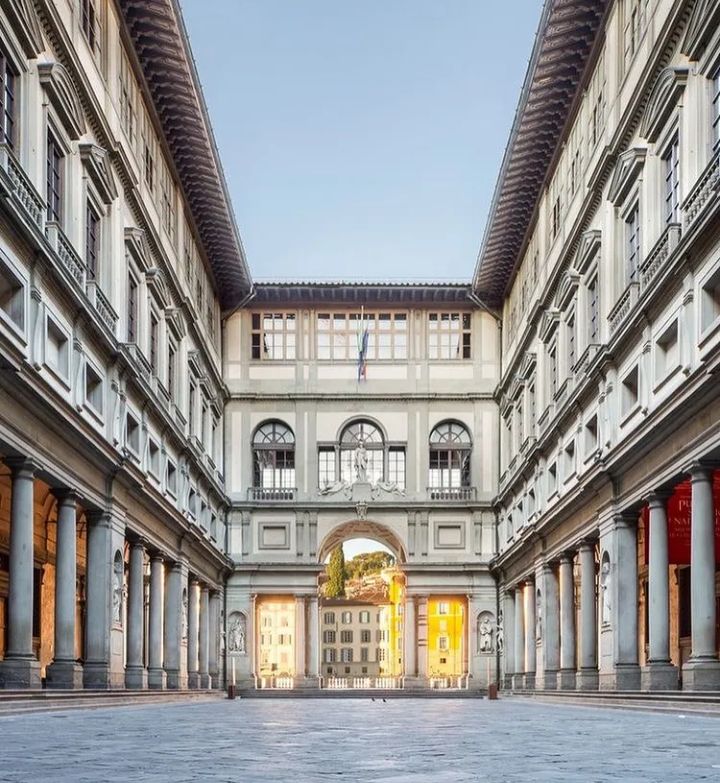
The Uffizi houses the world's finest collection of Renaissance art in what used to be the Medici family's administrative offices. You'll see Botticelli's Birth of Venus and Primavera in their full glory, plus works by Leonardo da Vinci, Raphael, Caravaggio, and Michelangelo that would anchor any other museum on earth. The building itself, designed by Vasari in 1560, stretches along the Arno with 45 galleries containing 500 years of artistic masterpieces. Walking through feels like a greatest hits tour of art history, but the crowds can be overwhelming. The early morning hours transform the experience: you'll have space to actually contemplate Botticelli's masterpieces instead of craning over selfie sticks. The Caravaggio rooms hit differently when you're not fighting for position, and you can actually read the details in Leonardo's unfinished Adoration of the Magi. The building's long corridors and high ceilings create dramatic sightlines, especially looking toward the Arno through ancient windows. Most visitors try to see everything and end up exhausted after two hours. Focus on Rooms 10 to 14 for Botticelli, Room 15 for Leonardo, and Rooms 26 to 27 for Raphael and Michelangelo, then call it a day. Skip the later rooms unless you're genuinely into Baroque painting. Admission costs EUR 25 but you'll pay EUR 4 extra for advance booking, which is absolutely essential. The audioguide adds EUR 8 but provides crucial context for understanding what you're seeing.

FlorenceBook
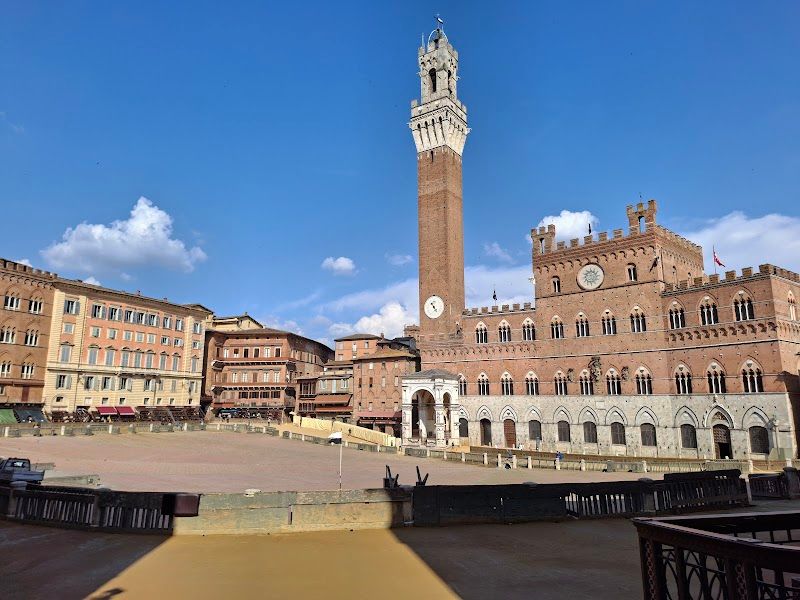
Piazza del Campo
Top rated

Piazza del Campo

Piazza del Campo is Europe's most beautiful medieval square, a shell-shaped amphitheater of red brick that slopes down like a natural theater toward the Gothic Palazzo Pubblico. You're looking at 14th-century urban planning at its finest: nine white marble lines divide the fan-shaped space, representing the Council of Nine who ruled Siena during its golden age. The Fonte Gaia fountain anchors the high end while the 102-meter Torre del Mangia dominates the skyline at the bottom. Walking into the Campo feels like entering a living postcard where students sprawl on warm brick, tourists navigate gelato vendors, and pigeons patrol for dropped paninis. The sloping surface works like stadium seating, so you can sit almost anywhere and watch the theater of daily life unfold below. Twice yearly the space transforms completely when they dump sand everywhere for the legendary Palio horse race, but most of the time it's Siena's outdoor living room where conversations echo off surrounding palazzos. Skip the overpriced cafes ringing the square (EUR 4 for espresso, EUR 8 for a mediocre panino) and grab supplies from any alimentari instead. The restaurants charge a 25% premium for Campo views that aren't even that great from table level. Come at sunset when the brick glows golden and locals appear with wine bottles, or early morning when you can actually hear the fountain over the chatter.

SienaBook
Accademia Gallery
Top rated

Accademia Gallery

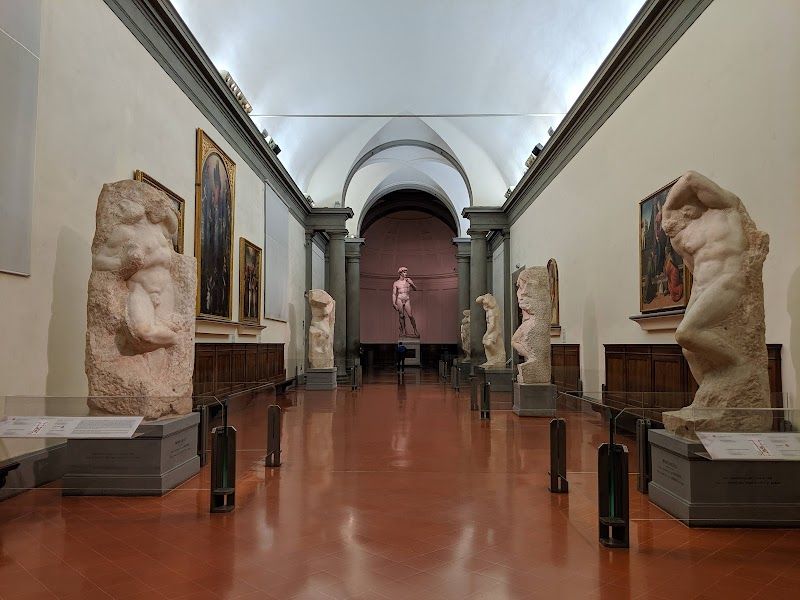
The Accademia Gallery houses Michelangelo's David, the 17-foot marble masterpiece that's genuinely breathtaking in person. You'll also see his unfinished Prisoners sculptures, which show figures emerging from raw stone, plus a decent collection of Florentine paintings and Renaissance plaster casts. The Museum of Musical Instruments upstairs gets skipped by most visitors but contains beautiful historical pieces including Medici court instruments. The gallery feels intimate compared to the Uffizi, with just a handful of rooms connected by a central corridor that leads directly to David's Tribune. The statue dominates a domed rotunda where you can walk 360 degrees around it, and honestly, photos don't prepare you for the scale and detail. The crowds can be intense, especially 10am to 2pm, but the space manages traffic well with timed entries. Skip the audio guide at €6, the wall plaques have enough detail. Entry costs €16 but expect €4 booking fees online, which you absolutely need since walk-up tickets are rare. Most people spend 30 minutes staring at David and rush through everything else, but the Prisoners deserve equal time. The musical instruments floor is blissfully quiet and worth the extra 20 minutes if you're feeling overwhelmed downstairs.

FlorenceBook
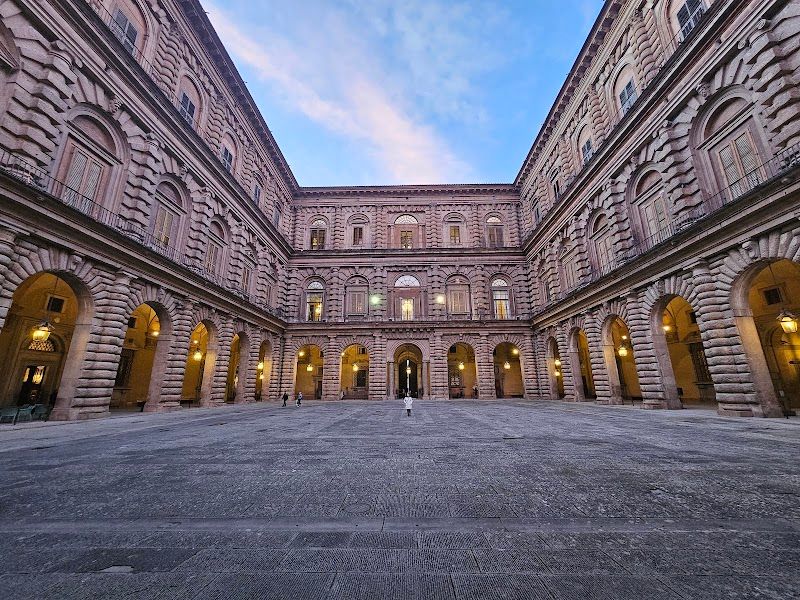
Palazzo Pitti
Top rated

Palazzo Pitti

The Palazzo Pitti houses the world's second largest collection of Raphael paintings, plus the opulent private apartments where the Medici grand dukes actually lived. You'll walk through rooms where Cosimo I made political decisions that shaped Renaissance Europe, seeing his bedroom, dining halls, and the throne room where foreign ambassadors waited for audiences. The Palatine Gallery contains masterpieces by Titian, Rubens, and Van Dyck displayed salon style on silk covered walls, exactly how the Medici arranged them. The visit flows through increasingly grand spaces, starting with intimate family rooms filled with personal portraits and moving into ceremonial halls with 20 foot ceilings covered in allegorical frescoes. Each room tells a story about Medici power: the Throne Room's red velvet and gold leaf designed to intimidate visitors, the Mars Room celebrating military victories, the Apollo Room where the family held private concerts. The scale feels genuinely overwhelming, more like Versailles than a typical Florentine palace. Most guides don't mention that tickets cost 16 EUR and include access to all galleries, making it Florence's best art value after you've seen the Uffizi. Skip the Modern Art Gallery entirely unless you're obsessed with 19th century Italian painting. Focus your energy on the Palatine Gallery's Raphael room and the Royal Apartments' bedroom suites. The audio guide costs extra 6 EUR but explains the complex ceiling allegories that otherwise look like random mythology.

FlorenceBook
Where to book

Stay in Tuscany

Real-time pricing across hotels, apartments, and ryokans. Book direct from the map.

Day by day

Tuscany Wine Trail: 5 Days from Chianti to Montalcino

Five days tasting your way through the greatest wine region in Italy: Chianti Classico, Brunello di Montalcino, Vino Nobile di Montepulciano, and Vernaccia di San Gimignano.

Day 1Chianti

Chianti Classico: The Wine Road

Drive the SR222 from Florence. Morning at Castello di Verrazzano (EUR 15-25 tasting, the explorer who named New York's bridge grew up here). Lunch in Greve (the wine capital, Piazza Matteotti). Afternoon at Badia a Passignano (the Antinori estate in a medieval abbey, EUR 20-30). Arrive Siena, dinner with Chianti Classico.

Day 2San Gimignano

Vernaccia & Towers

Drive to San Gimignano. Vernaccia Wine Experience (EUR 5-8 tasting, the history of the white). Walk the town, Dondoli gelato (the saffron-Vernaccia flavour). Afternoon at a Vernaccia vineyard outside the walls (Tenuta Le Calcinaie or Panizzi, EUR 10-15). Return to Siena.

Day 3Montepulciano

Vino Nobile: Underground Cellars

Drive to Montepulciano. Morning Contucci (free tasting in the palazzo on the main square, the cellars are medieval). De' Ricci (EUR 10-15, the cellars go down into Etruscan caves). Lunch at a Piazza Grande trattoria with Vino Nobile. Afternoon Avignonesi (EUR 15-25, the modern estate, the Vin Santo aging room). Stay in Montepulciano or drive to Montalcino.

Day 4Montalcino

Brunello: The King

Montalcino morning. Fortezza wine bar (EUR 5-15, tasting on the ramparts, no appointment needed). Lunch at a Montalcino enoteca (Rosso di Montalcino with food, EUR 10-20/bottle). Afternoon winery visit: Casanova di Neri, Col d'Orcia, or Poggio Antico (EUR 15-30, book ahead). These are the producers who make EUR 50-80 bottles taste like they should cost more.

Day 5Pienza to Florence

Pienza Pecorino & Farewell

Morning in Pienza (the pecorino shops offer free tastings, buy a wedge of aged pecorino EUR 8-15, the panoramic walk over Val d'Orcia). Drive back to Florence (2 hours) via the cypress roads. Stop wherever the light is good. Final dinner in Florence: bistecca alla fiorentina with a bottle of whatever you liked best this week.

Good to know

Practical bits, answered

Car essential outside Florence. Rent at Florence airport or train station, return same location. Budget EUR 30-50/day. The roads between towns are narrow, winding, and beautiful - they are half the experience. Florence to Siena: 75 min drive or 90 min bus (EUR 8-10, no direct train). Siena to San Gimignano: 30 min drive. Siena to Pienza: 1 hour drive. Montalcino to Montepulciano: 30 min drive. The Chianti road (SR222) between Florence and Siena through Greve, Panzano, and Castellina is the most famous driving route in Tuscany.

Car essential. Same route as the main itinerary. Book winery visits 2-3 days ahead for famous producers (Biondi-Santi, Antinori, Avignonesi). Smaller producers often accept walk-ins.

Tasting fees: EUR 10-30 per winery, usually credited against purchases. Budget 2-3 winery visits per day. Bottles at cellar door: Chianti Classico EUR 8-15, Vernaccia EUR 8-15, Vino Nobile EUR 10-25, Rosso di Montalcino EUR 10-20, Brunello EUR 30-80. A case of mixed Tuscan wine shipped home costs EUR 150-300 + shipping.

Ready for Tuscany?

Let DAIZ plan your Tuscany days

Tell us how long you've got and what you're into. We'll build a day-by-day plan, with the bookable bits ready to lock in.

Plan my Tuscany tripFree · no signup to start
Plan your Tuscany trip