Val d'Orcia
UNESCO cypress-lined roads, Pienza pecorino, Brunello from Montalcino, Vino Nobile cellars in Montepulciano, and the Tuscan landscape that defined the genre
About Val d'Orcia
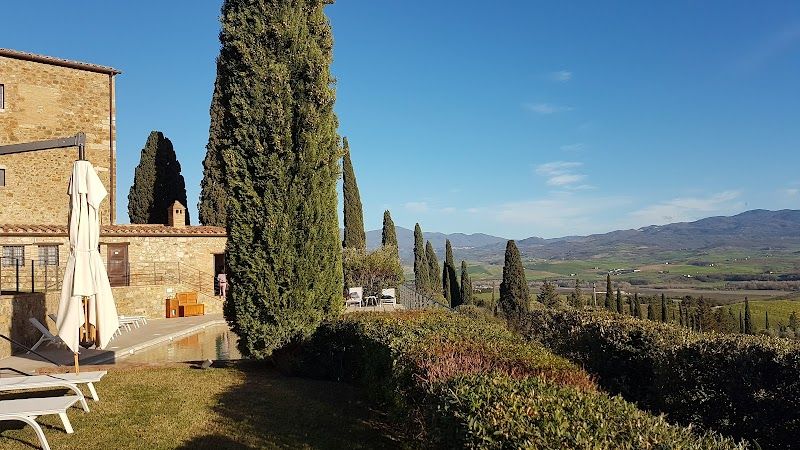
The Val d'Orcia is the UNESCO-listed landscape south of Siena that defined what people mean when they say Tuscany. The rolling clay hills (crete senesi), the lone cypress trees standing on ridgelines, the medieval hilltop towns with terracotta roofs visible from 20 km away, and the gravel roads lined with cypress avenues that appear in every Italian tourism photograph: this is where all of that comes from.
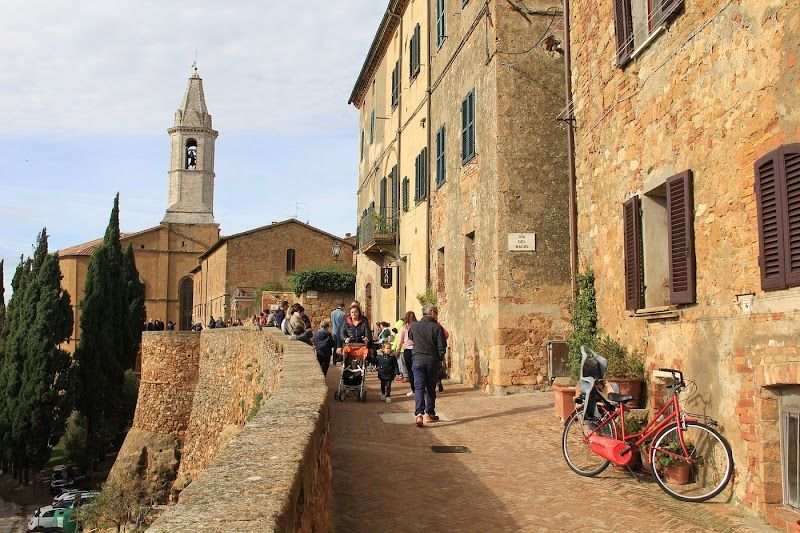
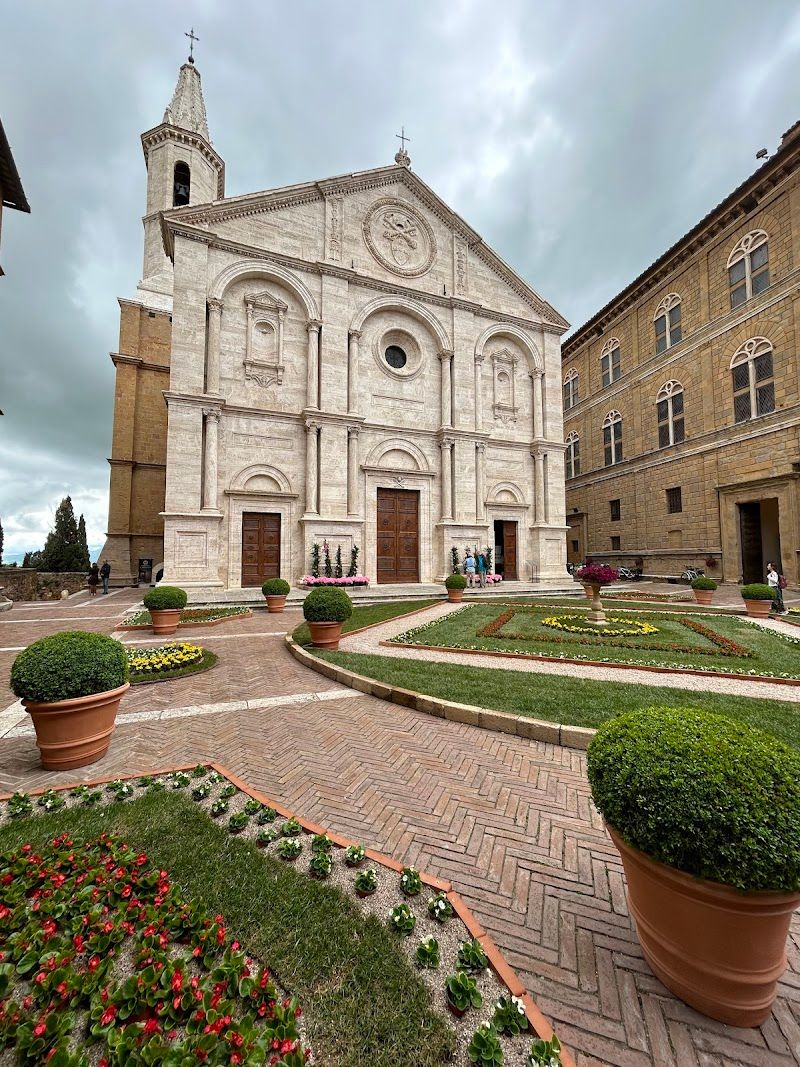
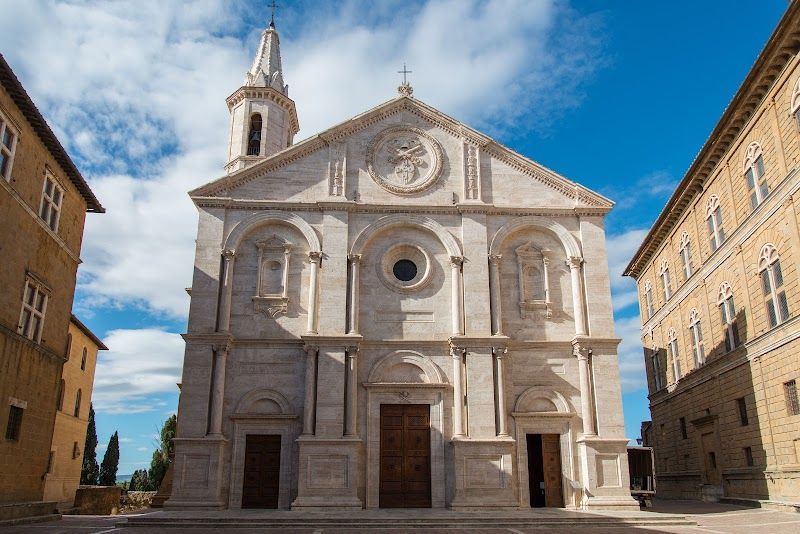
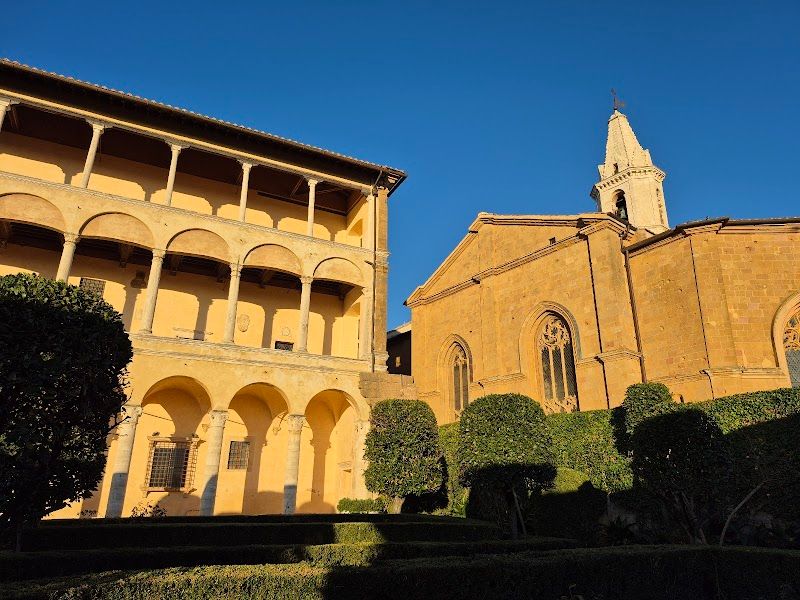
The valley is organised around four small towns, each with a distinct identity. Pienza (population 2,100) is the Renaissance ideal city, redesigned in the 1460s by Pope Pius II with a cathedral, papal palace, and main street that remains one of the most harmonious pieces of urban planning in Europe. It is also the pecorino capital of Tuscany: the sheep's milk cheese sold at every shop on the Corso costs EUR 3-8 per portion and is aged in various styles (fresco, semi-stagionato, stagionato, in walnut leaves, in ash).
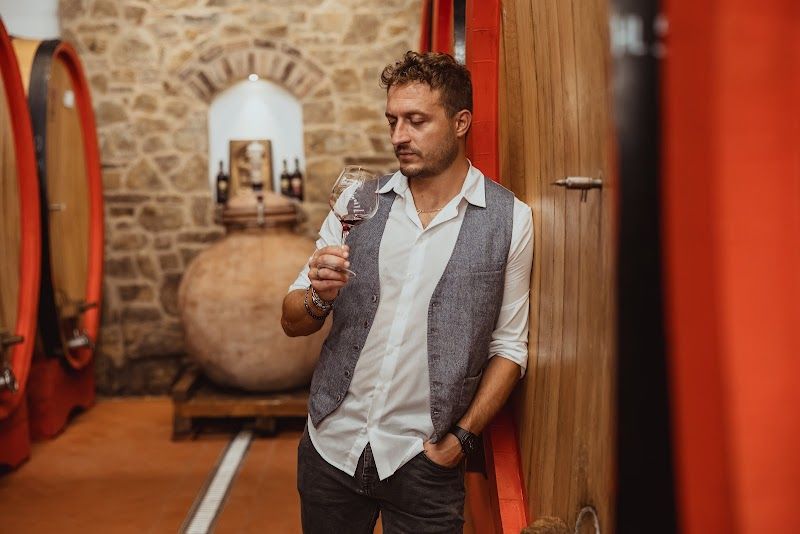
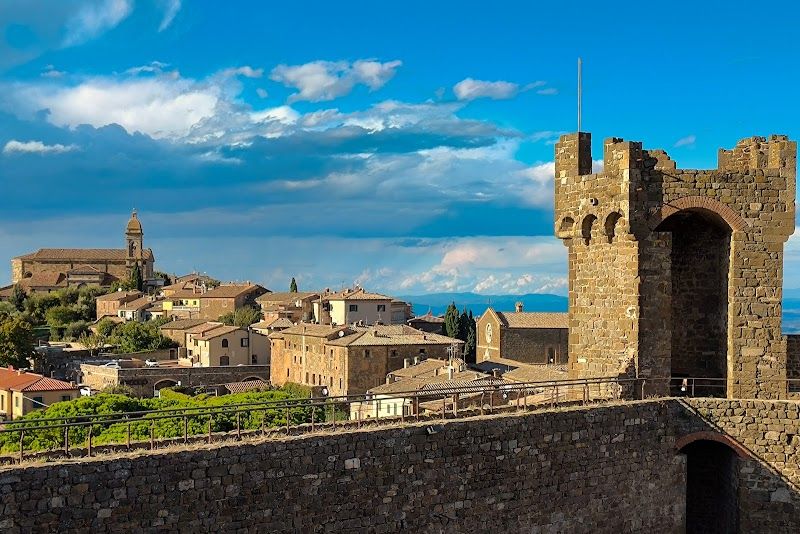
Montalcino (population 5,000) sits on a hill above the Orcia valley and produces Brunello di Montalcino, one of the world's great red wines. A glass at a local enoteca costs EUR 6-15 depending on the producer and vintage. The Fortezza (EUR 4) is a 14th-century fortress with rampart walks and a wine bar inside where you can taste Brunello while looking over the valley. The Rosso di Montalcino (the younger, lighter wine from the same grapes) costs EUR 4-8 per glass and is the better value for casual drinking.
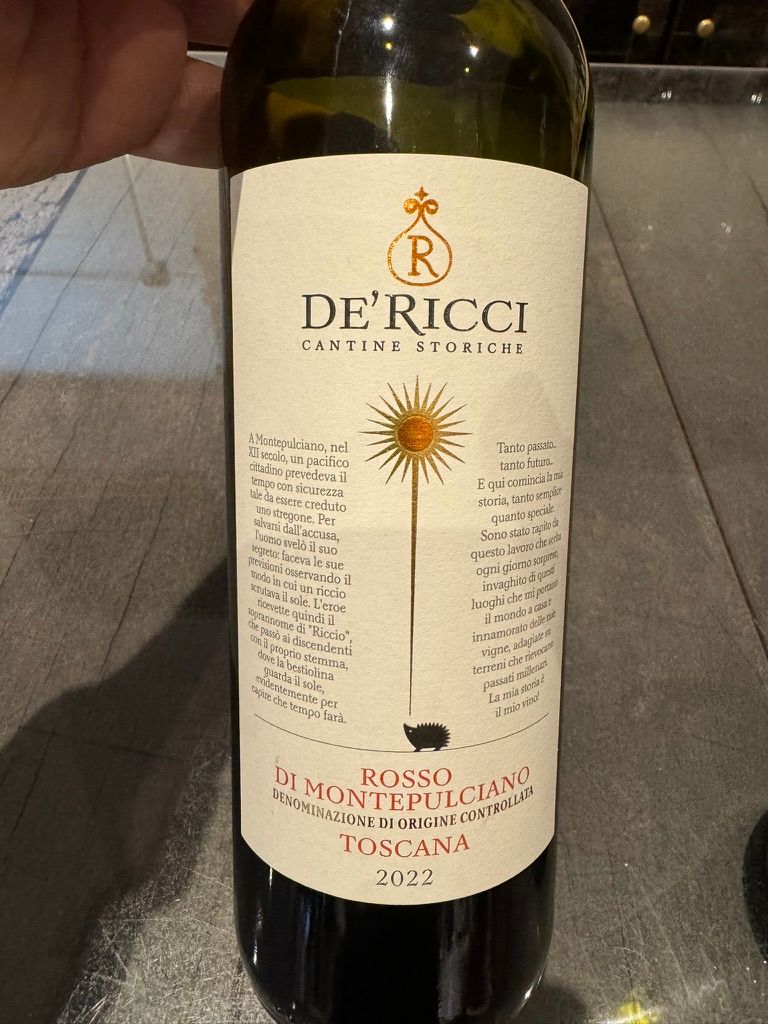
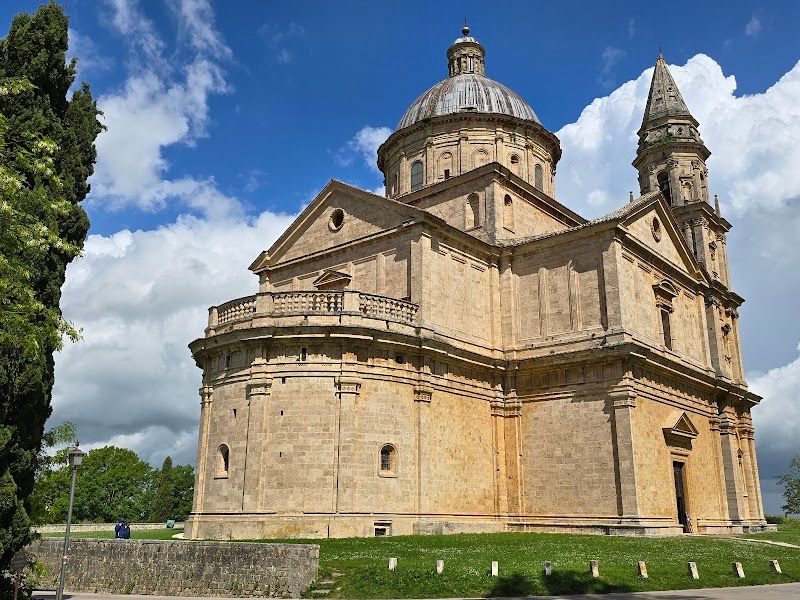
Montepulciano (population 14,000) is the largest town in the valley, with a dramatic main street climbing from the Porta al Prato gate to the Piazza Grande at the summit. The underground cellars carved into the tufa rock beneath the town have been aging Vino Nobile di Montepulciano since the 1600s. The Contucci and De' Ricci cellars offer free or EUR 5 tastings. A glass of Vino Nobile costs EUR 4-8 at a local bar.
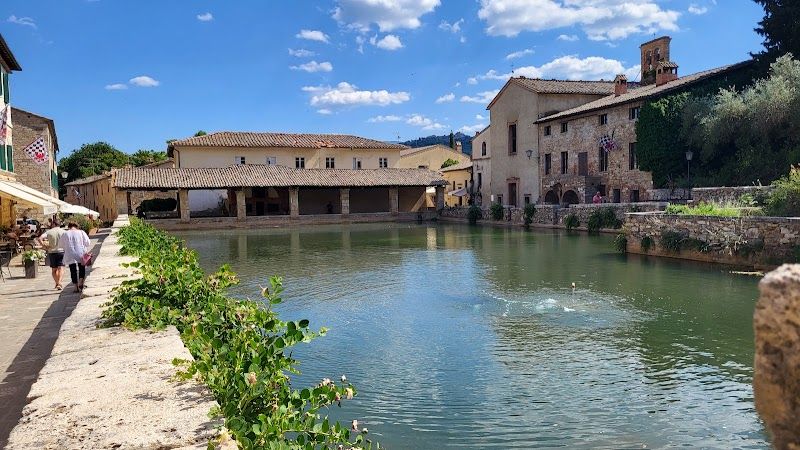
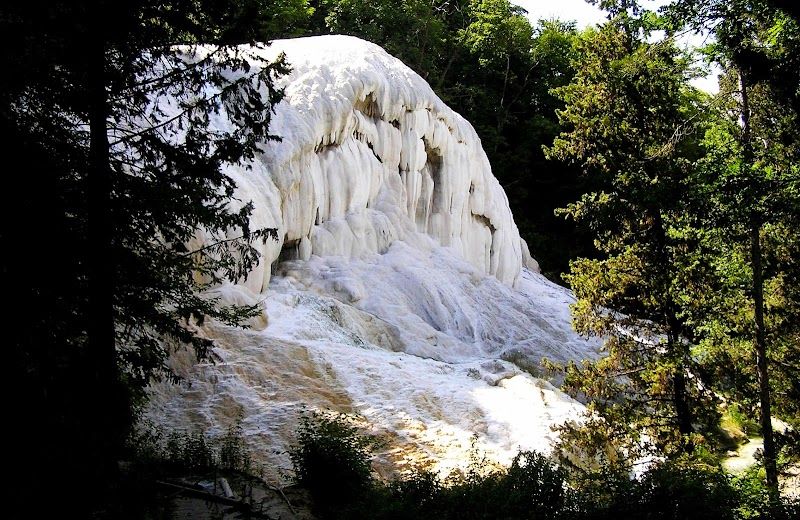
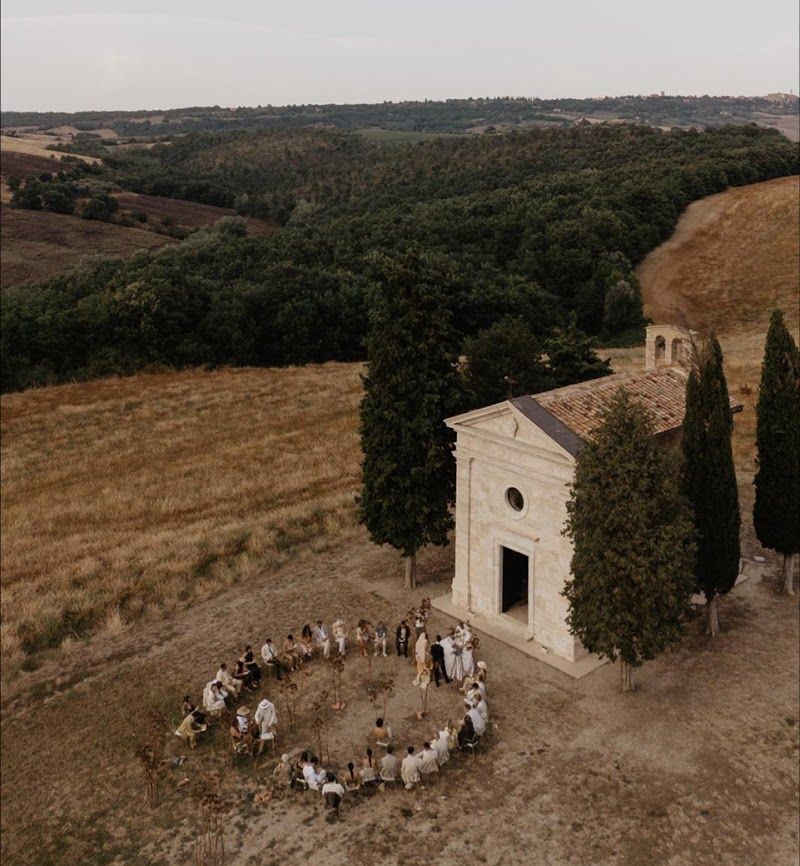
The countryside between the towns is the landscape itself: the cypress-lined road near Monticchiello (the most photographed road in Tuscany), the Cappella della Madonna di Vitaleta (the lone chapel between two cypress trees that appears on every Tuscany postcard), and the thermal baths at Bagno Vignoni (a village built around a medieval thermal pool, free to view, nearby Bagni San Filippo has free natural hot springs).
Pick your base
Stay in Val d'Orcia
Real-time pricing across hotels, apartments, and ryokans. Book direct from the map.
Things to do in Val d'Orcia
Experiences worth booking ahead
Vetted tours and tickets we'd send a friend to. The ones worth reserving before you arrive.
Travel guides
Practical bits, answered
Yes, a car is effectively required. The towns are 15-40 km apart on winding roads with minimal public transport. There are occasional buses between Siena and the main towns, but they are infrequent (2-4 per day) and do not connect the towns to each other well. A rental car from Florence or Siena costs EUR 40-70 per day. The driving is scenic, the roads are good, and the distances are short (Pienza to Montalcino is 20 minutes, Pienza to Montepulciano is 15 minutes). Parking in each town costs EUR 1.50-2/hour.
One day is enough to visit 2-3 towns and drive the scenic roads. Two days lets you visit all four main towns at a relaxed pace with time for wine tastings and long lunches. Base yourself in Pienza (central, the best restaurants) or Montepulciano (the most accommodation options). The towns are small: Pienza takes 2-3 hours, Montalcino 2-3 hours, Montepulciano 3-4 hours.
Brunello di Montalcino (EUR 6-15 per glass at Montalcino enotecas, powerful Sangiovese aged 4+ years). Rosso di Montalcino (EUR 4-8, the younger lighter version, better everyday value). Vino Nobile di Montepulciano (EUR 4-8, Sangiovese-based, aged in underground tufa cellars). Vernaccia di San Gimignano is not from the Val d'Orcia but appears on menus. Most Montalcino wineries require booking for visits (book 2-3 days ahead). Montepulciano cellars (Contucci, De' Ricci) offer walk-in tastings, free or EUR 5.
The most photographed cypress road is near Monticchiello, on the road between Pienza and Montepulciano. The Cappella della Madonna di Vitaleta (the lone chapel between two cypress trees) is between Pienza and San Quirico d'Orcia, visible from the road and reachable by a 15-minute walk across a field. The cypress avenue at the Agriturismo Poggio Covili (near Castiglione d'Orcia) is another classic shot. All are free to photograph from the road.
Let DAIZ plan your Val d'Orcia days
Tell us how long you've got and what you're into. We'll build a day-by-day plan, with the bookable bits ready to lock in.