Greece

Greek Islands

Island-hop from the caldera cliffs of Santorini to the pink sand beaches and Minoan palaces of Crete, with Athens as your gateway to the Aegean
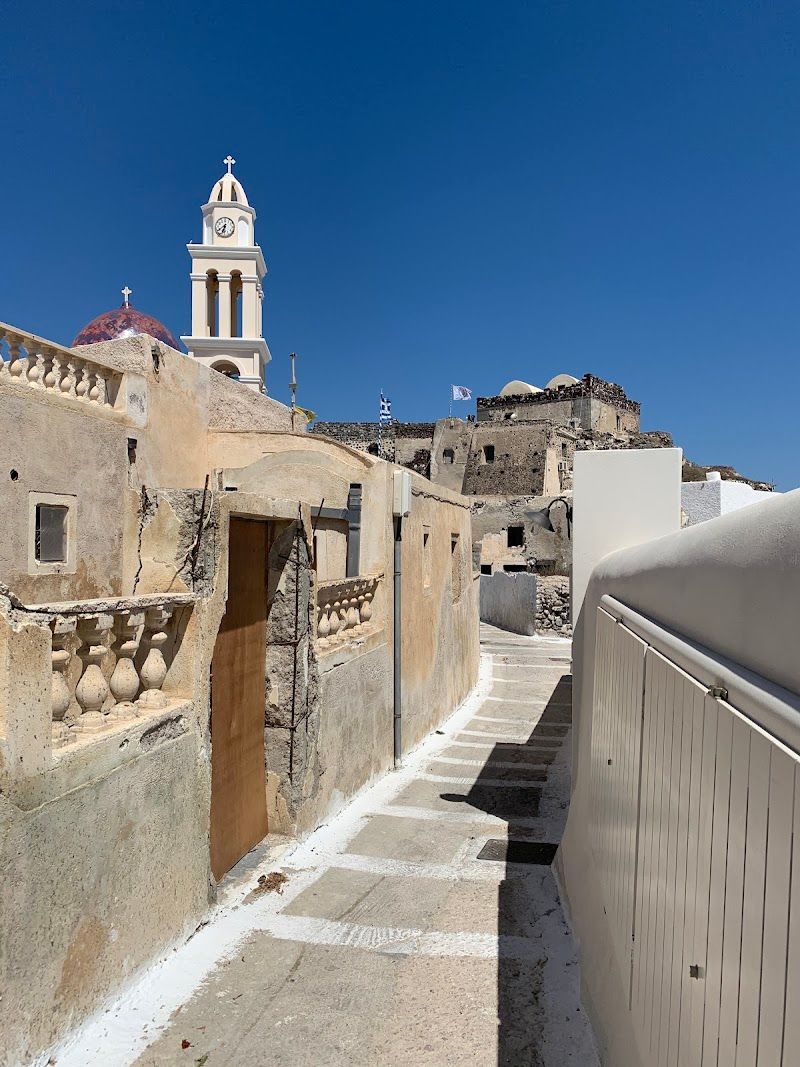
Greek Islands, Greece
Type
Island Group
Duration
7-10 days
Transport
ferry
Best Time
May-June and September-October (avoid July-August heat and cruise ship crowds)
Cities
3
The place

About Greek Islands

The Greek Islands are 6,000 islands scattered across the Aegean and Ionian seas, of which 227 are inhabited and about 20 are on the average traveller's list. Santorini and Crete are the two that justify the flights, the ferry tickets, and the sunburn, and together with Athens they form a triangle that covers 4,000 years of history, the best beaches in the Mediterranean, and food that costs half what it does in Western Europe.

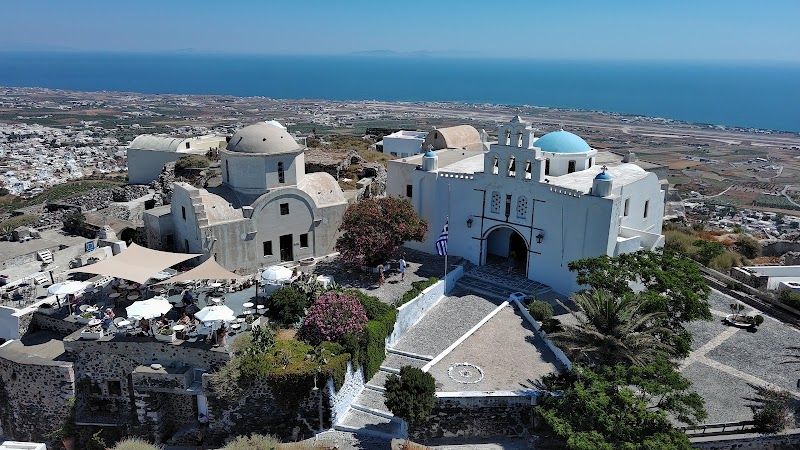
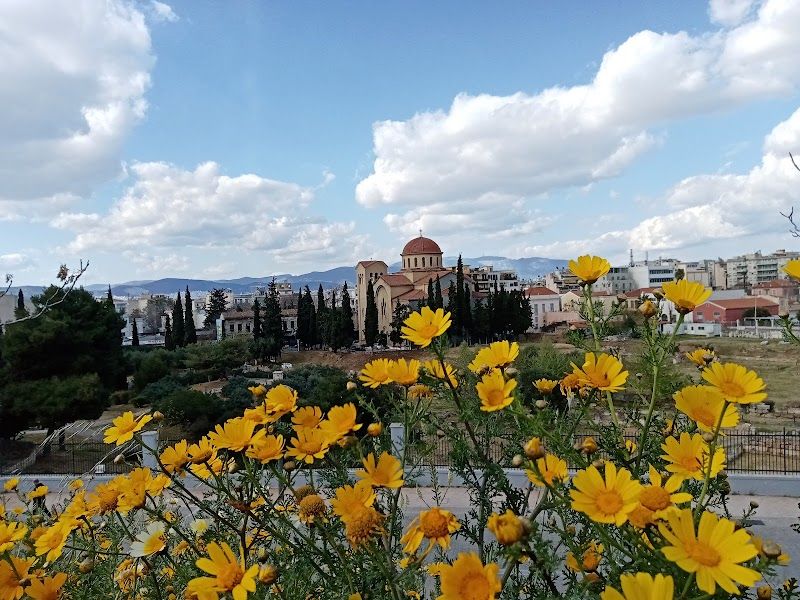
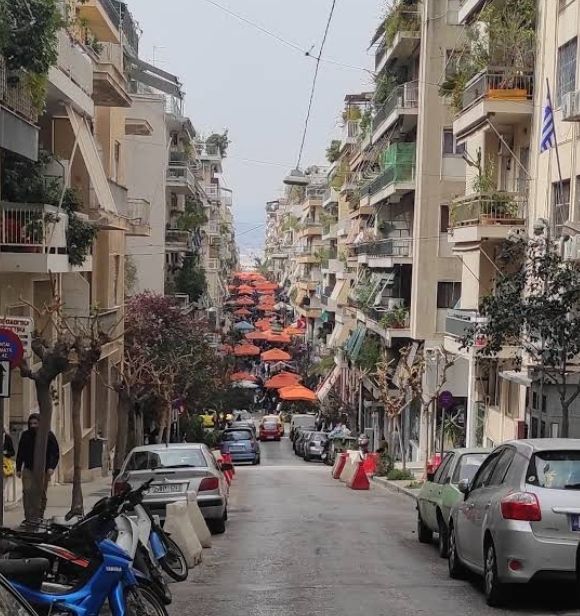
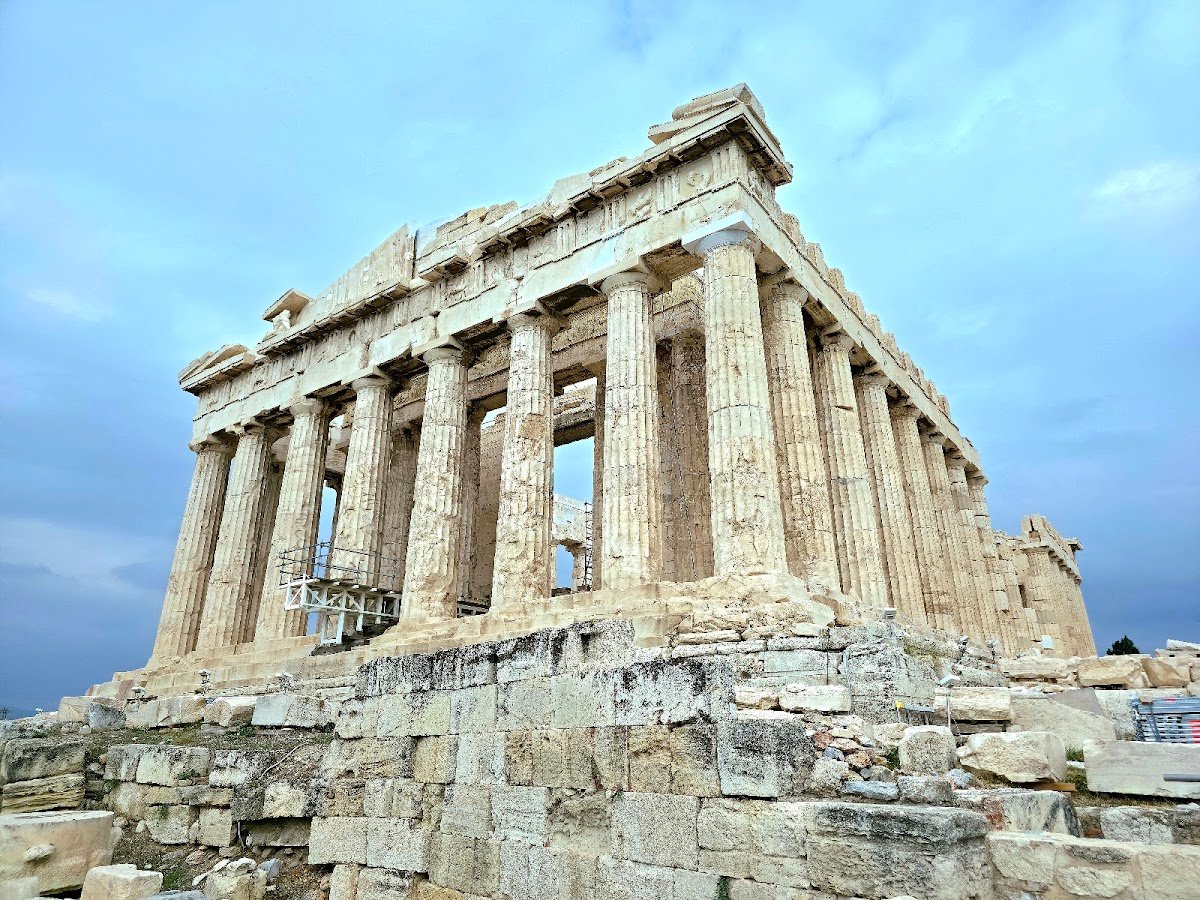
Athens anchors the trip with the Acropolis, the ancient Agora, and the Plaka neighbourhood where the restaurants are tourist-facing but the rooftop bars with Parthenon views at sunset are worth every euro. Santorini is the volcanic island that collapsed into the sea and left behind the caldera cliffs, the white villages, and the sunsets that launched a million Instagram accounts. Crete is the big one: large enough to drive for hours, diverse enough to offer pink sand beaches, 16 km gorges, Minoan palaces, and tavernas where the raki arrives free and the menu is whatever the kitchen cooked that morning.

The ferries connect them in a loop, and the rhythm of island-hopping is part of the experience: deck chairs on the morning ferry, watching the Cyclades appear as white specks on the horizon, arriving at a new port with a bag and a hotel booking and nothing else planned. The food shifts as you move: Athens does souvlaki and mezze, Santorini does fava and volcanic wine, and Crete does dakos and slow-cooked lamb with olive oil so thick and green it barely pours. The costs drop as you move from Santorini (the most expensive island) to Crete (one of the most affordable), and the crowds thin as you move east.

The places

Cities in this region

3 destinations, each with its own character. Pick one as a base or string them into a route.
The path

Suggested route

1
Athens1-2 nights
45 min flight or 5-8 hr ferry from Athens (EUR 35-80)
2
Santorini3-4 nights
2 hr ferry from Santorini (EUR 35-50)
3
Crete4-5 nights
What to do

Things to do across Greek Islands

24 top experiences across every destination in the region.
Hand-picked

Experiences worth booking ahead

Vetted tours and tickets across every destination in the region. The ones worth reserving before you arrive.
Kallidromiou Street
Bestseller

Kallidromiou Street

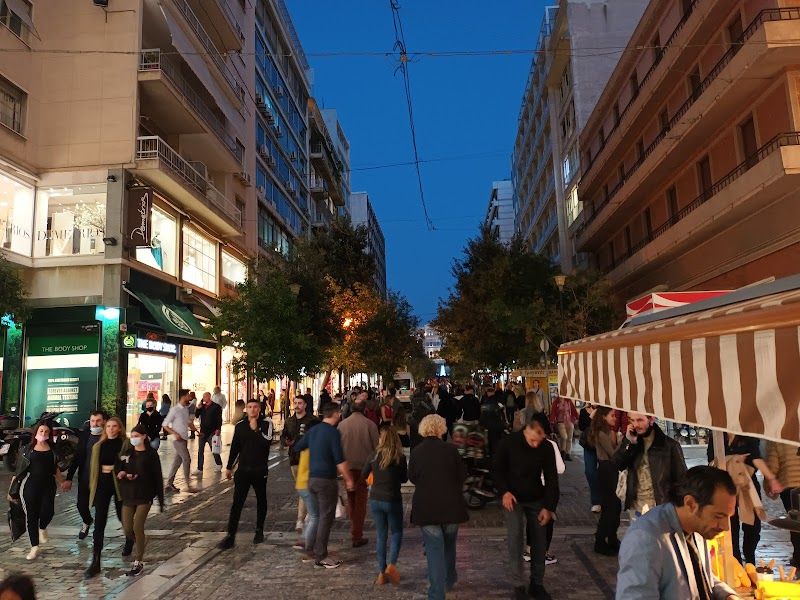
Kallidromiou Street forms the pedestrian spine of Exarchia, Athens' intellectual and anarchist quarter. You'll walk past radical bookshops selling Marxist theory next to vinyl stores spinning punk records, while street art covers nearly every surface with political slogans and colorful murals. The 400-meter stretch between Stournari and Themistokleous streets concentrates the neighborhood's counterculture spirit into one walkable corridor. The street moves at its own pace, slower than commercial Athens but charged with political energy. Students cluster outside cafés debating politics over freddo cappuccinos (2-3 EUR), while older intellectuals browse philosophy sections in cramped bookshops. You'll hear Greek folk music drifting from record stores, smell incense from alternative shops, and see impromptu political discussions forming around café tables. The atmosphere shifts from laid-back morning browsing to animated evening gatherings. Most guides romanticize Exarchia's rebel reputation, but Kallidromiou delivers the real thing without trying too hard. Skip the touristy souvenir hunting and focus on the genuine cultural spaces: Politeia bookstore has Athens' best literature selection, while Ear Candy record shop stocks rare Greek pressings. Avoid Saturday evenings when crowds dilute the authentic neighborhood vibe.

AthensBook
Plateia Kolonakiou
Top rated

Plateia Kolonakiou

Plateia Kolonakiou (officially Plateia Filikis Etaireias) is the circular nerve center of Athens' poshest neighborhood, where you'll find some of the city's best people-watching alongside serious shopping. The square's ring of sidewalk cafés serves as outdoor theater seating for observing well-dressed Athenians sipping freddo espressos and discussing everything from politics to fashion. Designer boutiques line the surrounding streets, making this your gateway to brands like Hermès, Louis Vuitton, and high-end Greek designers. The square operates like an elegant living room where locals treat café tables as extensions of their homes. You'll see business deals conducted over coffee, mothers with designer strollers meeting for morning gossip, and stylish twenty-somethings checking their phones between shopping trips. The circular layout means you can walk the perimeter in two minutes, but most people settle into a café chair and stay for hours. The energy shifts throughout the day, from morning coffee rituals to evening aperitivo culture. Honestly, the coffee here costs nearly double what you'll pay elsewhere (expect 4-6 EUR for a freddo cappuccino), and you're paying for the location more than quality. Skip the touristy café terraces facing directly onto the square, they're overpriced even by Kolonaki standards. Instead, grab a seat at one of the side street cafés where you can still see the action but pay 2 EUR less per drink.

AthensBook
Acropolis of Athens
Top rated

Acropolis of Athens

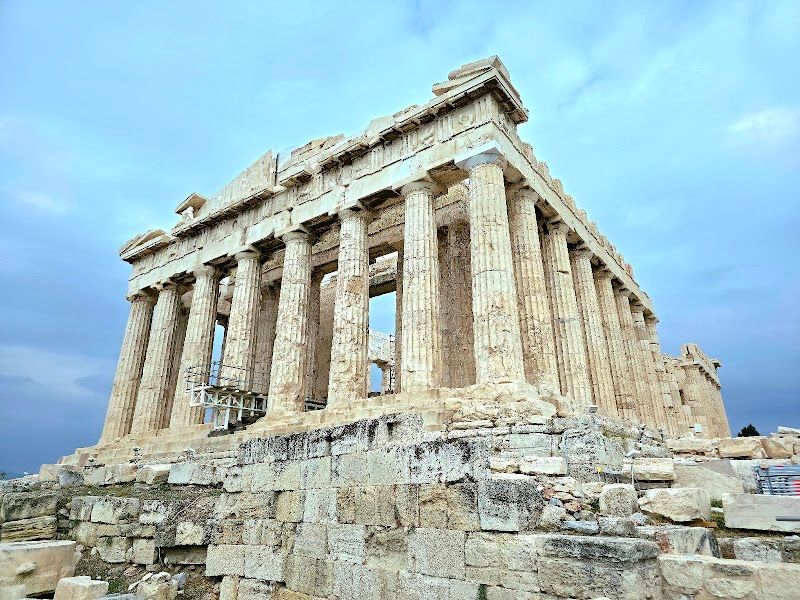
The Acropolis isn't just ancient ruins, it's the birthplace of democracy and Western civilization sitting 150 meters above modern Athens. You're walking where Pericles planned the golden age of Greece, where the Parthenon has dominated the skyline for 2,500 years. The scale hits you immediately: those columns are 10 meters tall and the whole temple is bigger than most city blocks. The Erechtheion with its famous Caryatid maidens and the tiny Temple of Athena Nike complete the complex. The approach up the marble steps builds anticipation perfectly, then you emerge through the Propylaea gateway and there's the Parthenon in full view. Even with scaffolding (there's always scaffolding), the precision of the architecture is breathtaking. The views over Athens stretch to the sea on clear days. Crowds gather around the main monuments, but you can find quieter spots along the perimeter walls where the perspective is actually better. Most guides won't tell you the €30 combined ticket is essential, it covers the Acropolis Museum plus six other major sites for five days. Skip the south slope attractions unless you're seriously into theater history, they're underwhelming compared to the main event. The marble is genuinely treacherous when wet, and there's zero shade up top. Come at 8am or after 6pm, midday visits are miserable with crowds and heat.

AthensBook
Acropolis Museum
Top rated

Acropolis Museum

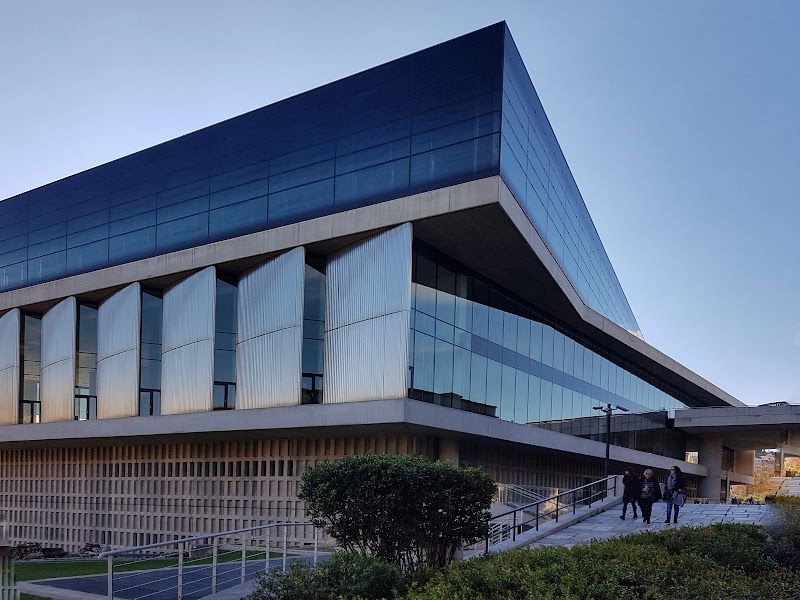
The Acropolis Museum holds the original sculptures from the Parthenon, displayed exactly as they appeared on the temple itself. You'll walk on glass floors over active archaeological digs, see the original Caryatids from the Erechtheion, and experience the top floor Parthenon Gallery where surviving marbles sit at the precise angle and height they occupied for 2,500 years. The building is a masterpiece, designed by Bernard Tschumi to create perfect sightlines between ancient artifacts and the Acropolis above. Your visit starts with a glass floor moment, peering down at 2,000-year-old ruins beneath your feet. The Caryatids gallery feels intimate and powerful, these six marble women are impossibly graceful after millennia. But the Parthenon Gallery is what you came for: massive pediment sculptures and frieze panels arranged exactly as they sat on the temple, with dramatic gaps where the Elgin Marbles belong. Natural light floods the space just as it hit the originals. Entry costs €15, it's free on winter Sundays from November through March. Most guides don't mention the excellent restaurant on the second floor, which has proper Acropolis views and reasonable prices compared to tourist traps below. Skip the crowded weekend mornings and go on a Friday evening when it's open until 8pm. The gift shop is overpriced, except for the quality reproduction jewelry.

AthensBook
Panathenaic Stadium
Top rated

Panathenaic Stadium

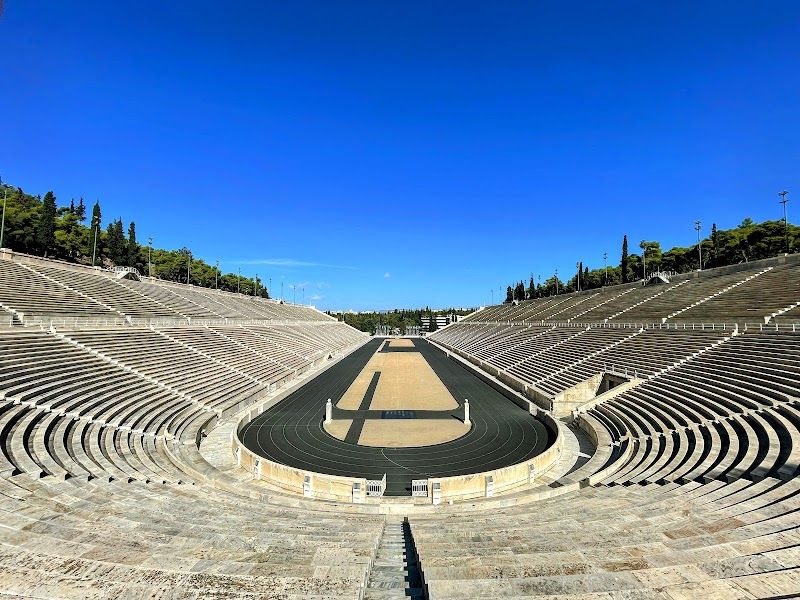
The Panathenaic Stadium is the world's only all-marble stadium, rebuilt from ancient foundations where athletes competed 2,000 years ago. You'll walk on the same track where the first modern Olympics happened in 1896, climb marble steps to 50,000 seats, and get sweeping views over Athens from the top rows. The €10 entry includes a decent audio guide that covers everything from ancient Panathenaic Games to Pierre de Coubertin's Olympic revival. The experience feels more like exploring a monument than visiting a sports venue. The white Pentelic marble gleams in sunlight, and the horseshoe shape creates perfect acoustics where your footsteps echo. You can jog the track, pose on the podium, and sit in seats that feel impossibly steep. The tunnel entrance adds drama, opening suddenly onto the brilliant white marble bowl. Most guides oversell this as a major attraction, but it's worth exactly one hour. The audio guide drags on about Olympic history you probably already know. Skip it if you're tight on time and just peek through the entrance gates for free. The morning light makes the marble glow beautifully for photos, and combining it with the adjacent National Garden makes perfect sense.

AthensBook
Ancient Agora of Athens
Top rated

Ancient Agora of Athens

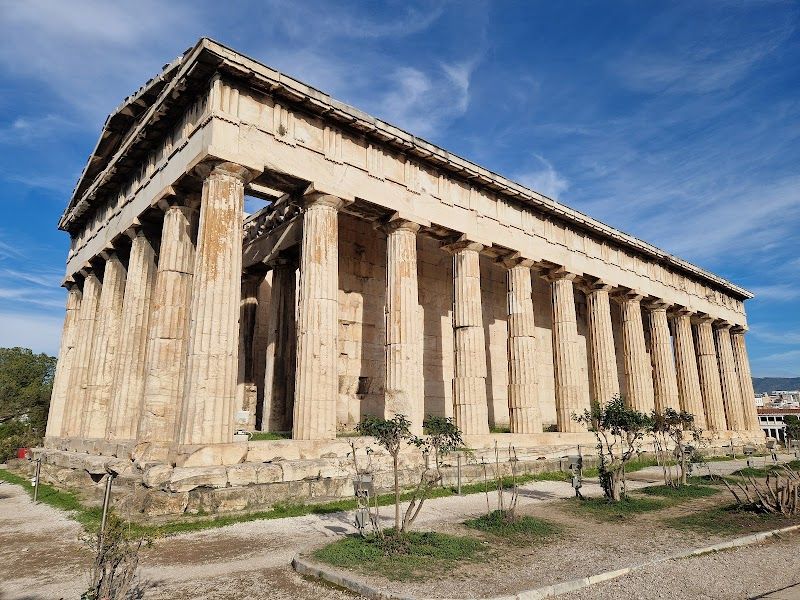
The Ancient Agora is where democracy was born and where Socrates taught his students. You'll find the best-preserved Greek temple anywhere (the Temple of Hephaestus), a fully reconstructed ancient shopping mall turned museum (the Stoa of Attalos), and the actual stones where Athenians cast their votes to ostracize politicians. The site sprawls across a tree-shaded area that feels more like a peaceful park than a tourist attraction. You enter through ancient ruins scattered across grassy areas, then climb to the Temple of Hephaestus, which sits perfectly intact on a hill overlooking everything. The Stoa of Attalos houses fascinating everyday objects: pottery shards used as ballots, ancient coins, and surgical instruments that show how Athenians actually lived. Unlike the Acropolis crowds, you can wander here quietly and actually read the signs without being pushed along. Most guides don't mention that this place delivers more than the overcrowded Acropolis for understanding ancient Athens. The €30 combo ticket (same as Acropolis) covers both sites, so you're essentially getting this for free. Skip the audio guide and use the free site map instead. The museum closes 30 minutes before the site, so hit the Stoa first if you arrive late.

AthensBook
National Archaeological Museum
Top rated

National Archaeological Museum

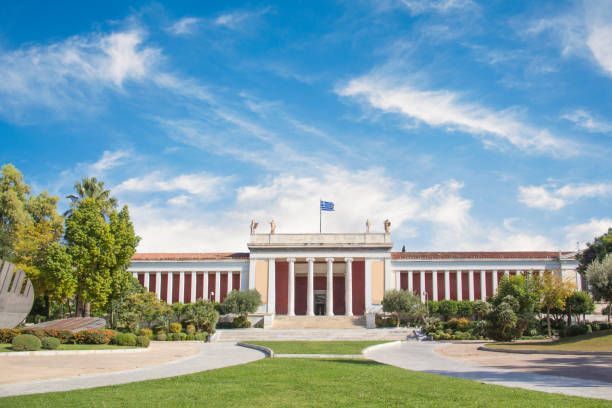
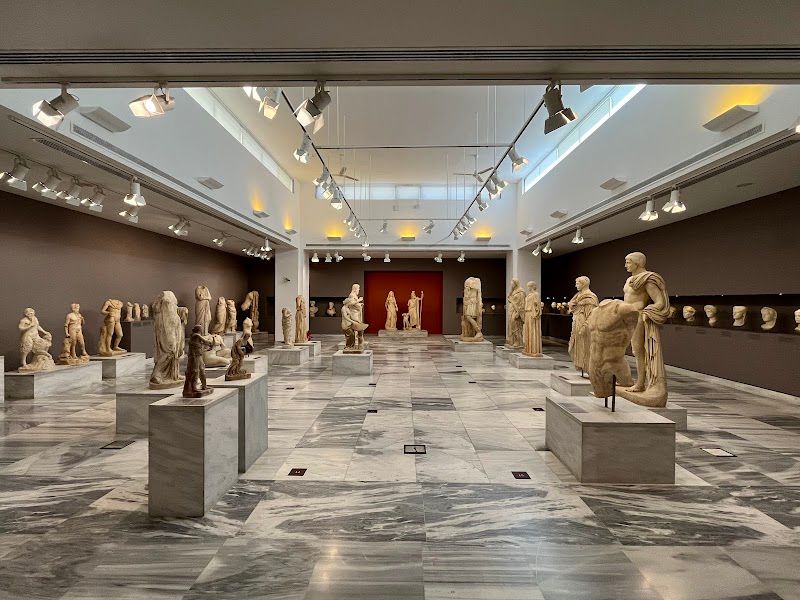
The National Archaeological Museum houses the world's finest collection of ancient Greek artifacts, including the legendary Mask of Agamemnon and the mind-blowing Antikythera Mechanism, a 2,000-year-old astronomical computer that'll make you question everything you thought you knew about ancient technology. The Mycenaean gold collection glitters in the first rooms, while the bronze statues of Poseidon and the Jockey of Artemision are so perfectly preserved they look like they were cast yesterday. This isn't just looking at old stuff: it's watching 3,000 years of human achievement unfold room by room. You'll start with the prehistoric collections and work chronologically through Greek civilization, but most people beeline straight to the gold and bronzes. The museum feels refreshingly uncrowded compared to the Acropolis, with actual space to contemplate each piece. The Antikythera Mechanism gets its own dramatic display case, and watching people's faces when they realize what they're looking at is half the fun. The building itself is classic 1890s neoclassical, all marble and natural light. Entry costs €12 and you need minimum three hours to do it justice, though you could easily spend a full day. Most guides oversell the pottery collections: skip rooms 49-56 unless you're genuinely into ceramics. The garden café is overpriced but the courtyard is peaceful. Monday hours are shorter (1pm to 8pm), but afternoon visits mean smaller crowds and better light for photos.

AthensBook
Where to book

Stay in Greek Islands

Real-time pricing across hotels, apartments, and ryokans. Book direct from the map.

Day by day

7 Days Island-Hopping: Athens, Santorini & Crete

A week covering the Acropolis, the caldera sunsets, and the beaches and tavernas of Crete. Ferries connect the dots, and each island feels like a different country.

Day 1Athens

Athens: Acropolis & Plaka

Acropolis at opening (EUR 20, the Parthenon, the Erechtheion, the view over Athens), walk down through the Plaka, lunch at a taverna in Anafiotika (the whitewashed village on the hillside, looks like a Cycladic island transplanted to the city), afternoon Ancient Agora (EUR 10), evening on a Monastiraki rooftop bar watching the sunset light up the Acropolis.

Day 2Athens to Santorini

Athens to Santorini

Morning flight (45 min) or early ferry (5-8 hours, the deck views of the Cyclades are part of the experience). Arrive Santorini, check in, afternoon walk from Fira to Firostefani along the caldera rim (20 min, the Three Bells church, free), first caldera sunset from Fira with a glass of Assyrtiko wine (EUR 5-8).

Day 3Santorini

Santorini: Akrotiri & South

Akrotiri archaeological site at 8 AM (EUR 12, the Minoan city buried by the eruption), Red Beach (bring water, limited shade), afternoon winery visit (Santo Wines EUR 10-15, the caldera view while tasting is the real product), sunset at Akrotiri Lighthouse (bring wine, 20 people instead of 15,000 at Oia).

Day 4Santorini

Santorini: Oia & Ammoudi

Oia morning walk (the blue domes, the galleries, the light before 10 AM), down 300 steps to Ammoudi Bay (grilled octopus lunch EUR 14-18, swim off the rocks), afternoon beach at Perissa or Kamari (black sand, lounger EUR 15-25), evening Oia sunset from the kasteli ruins (arrive 30 min early for a spot).

Day 5Santorini to Crete

Santorini to Crete

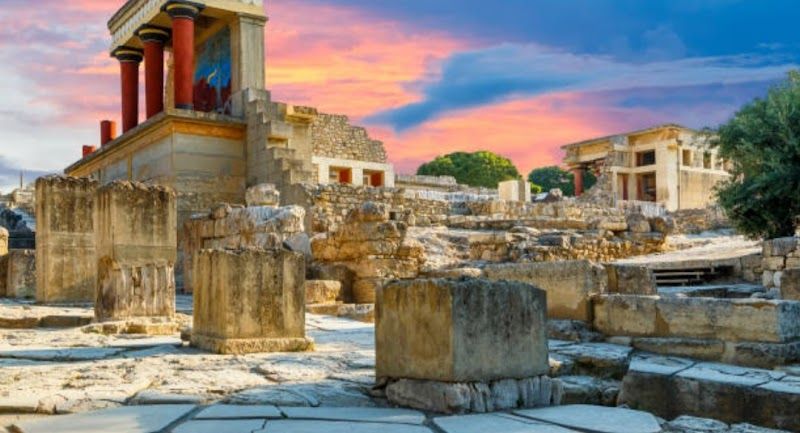
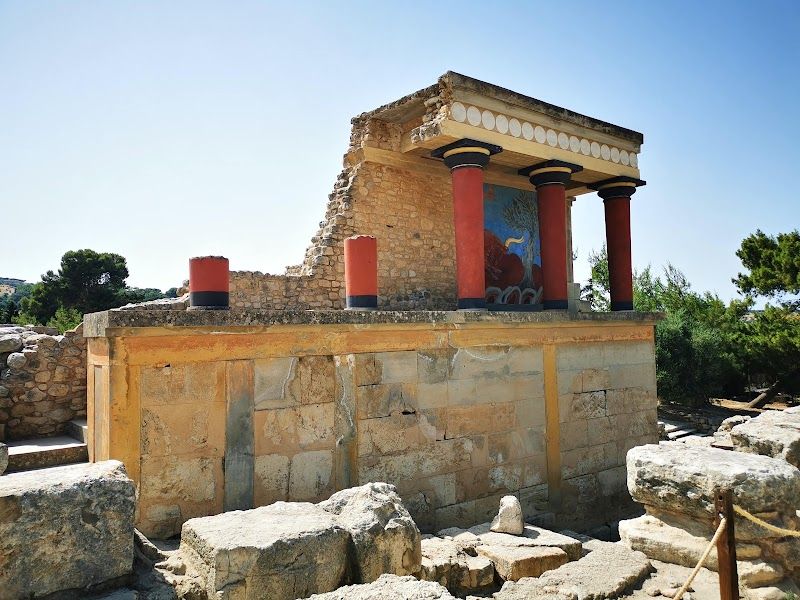
Morning ferry Santorini to Heraklion (2 hours, EUR 35-50). Arrive Crete, pick up rental car. Afternoon Knossos (EUR 15, the Minoan palace, the throne room, the labyrinth corridors), evening in Heraklion old town (dinner at Peskesi for ingredient-focused Cretan cooking, or a simple taverna on the back streets, EUR 15-25 pp plus free raki).

Day 6Crete

Crete: Chania & the West

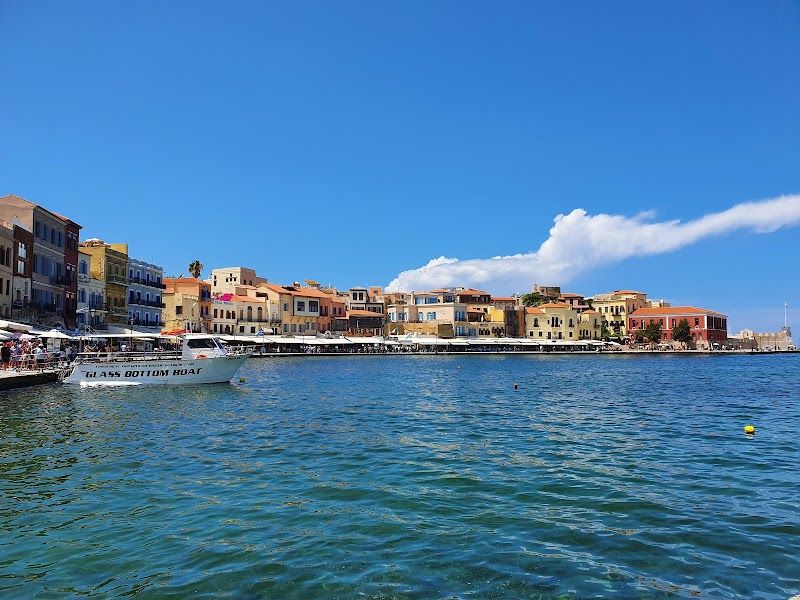
Drive west to Chania (2.5 hours on the national highway). Venetian Harbour walk, Old Town exploration (the market, leather street Skridlof, the mosque), lunch at the harbour (Tamam in the old hammam for genuine Cretan). Afternoon: Elafonisi pink sand beach (75 min from Chania, arrive by 2 PM, swim until 6 PM) or Balos lagoon (boat from Kissamos EUR 25). Evening back in Chania, dinner in the old town.

Day 7Crete

Crete: Rethymno & Farewell

Drive east to Rethymno (1 hour from Chania). Fortezza morning (EUR 4, the Venetian fortress, the sea views), Old Town walk (the Rimondi Fountain, the minaret, the Renaissance streets), farewell Cretan lunch at a taverna (dakos, lamb, raki). Drive to Heraklion for evening flight, or continue east for a longer trip to Agios Nikolaos and Spinalonga.

Good to know

Practical bits, answered

Athens is the gateway. Fly into Athens, spend 1-2 days, then ferry or fly to the islands. Athens to Santorini: 45 min flight (EUR 40-80) or 5-8 hour ferry (EUR 35-65 depending on speed, Blue Star is cheapest, SeaJets is fastest). Santorini to Crete (Heraklion): 2 hour ferry (EUR 35-50) or 25 min flight. Crete to Athens: 1 hour flight or 6-9 hour overnight ferry. Book ferries on ferryscanner.com or directferries.com. In summer, book 2-4 weeks ahead for popular routes. The ferry triangle (Athens to Santorini to Crete to Athens) works in either direction.

Athens to Santorini: 45 min flight or 5-8 hr ferry. Santorini to Crete: 2 hr ferry. Car rental essential on Crete (EUR 25-45/day). Santorini: buses or ATV (EUR 25-40/day). Book ferries on ferryscanner.com 2-4 weeks ahead in summer.

Athens and Crete are affordable (taverna dinner EUR 15-25 pp). Santorini is expensive (caldera dinner EUR 40-80 pp). Ferry triangle costs EUR 100-180 total. Museum entries EUR 6-20. The trip averages EUR 80-120/day excluding accommodation, with Crete pulling the average down and Santorini pulling it up.

Ready for Greek Islands?

Let DAIZ plan your Greek Islands days

Tell us how long you've got and what you're into. We'll build a day-by-day plan, with the bookable bits ready to lock in.

Plan my Greek Islands tripFree · no signup to start
Plan your Greek Islands trip