Vienna · Innere Stadt

Meierei im Stadtpark

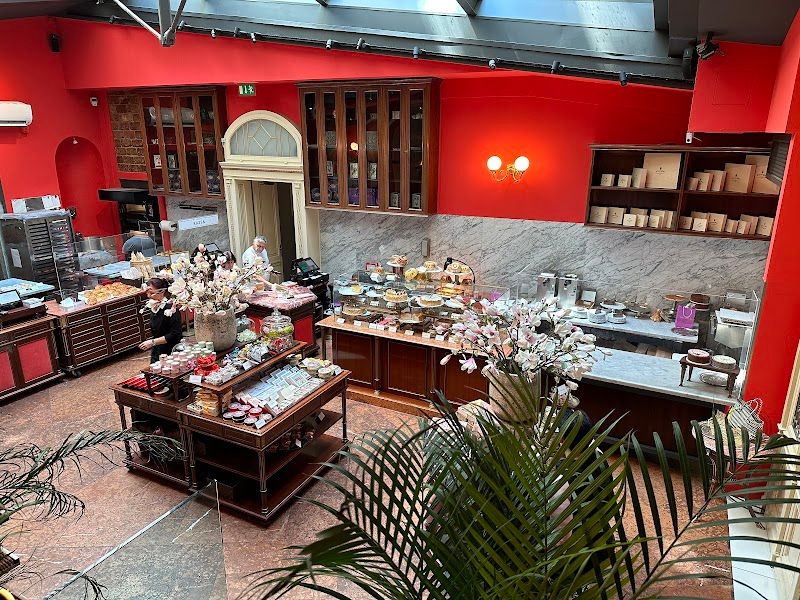
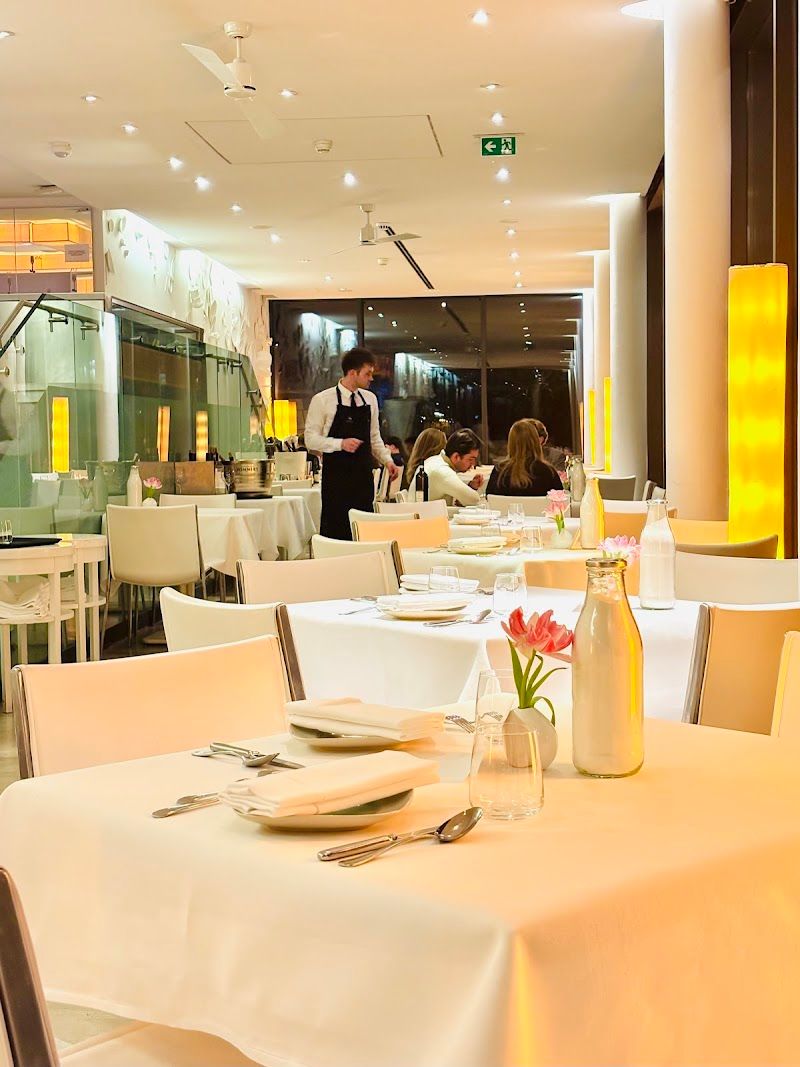
A glass-walled pavilion in the Stadtpark serving modern Austrian cuisine with park views and a terrace overlooking the pond.
Meierei im Stadtpark, Vienna · Innere Stadt
Category
Restaurant
Duration
2 hours
Best Time
Morning
Entry
€€€
Rating
4.4 (12)
The place

About Meierei im Stadtpark

A glass-walled pavilion in the Stadtpark serving modern Austrian cuisine with park views and a terrace overlooking the pond. The kitchen combines traditional techniques with contemporary presentation, and the weekend brunch features Kaiserschmarrn made to order.

Book ahead

Book Tickets

Live availability and skip-the-line options from our booking partners.

Search on Viator →Search on GetYourGuide →

Booking powered by our partners. DAIZ may earn a commission.

The place

Getting there

Address
Am Stadtpark 2/a, 1030 Wien, Austria
Neighborhood
Innere Stadt
View on Google Maps →
Good to know

Tips, answered

Book a table on the terrace in summer, the park views are spectacular and you can watch ducks on the pond

Plan for about 2 hours. Morning visits are typically less crowded.

Meierei im Stadtpark is in the Innere Stadt neighborhood of Vienna. The address is Am Stadtpark 2/a, 1030 Wien, Austria. The area is well-served by metro.

Morning visits, especially early, mean fewer crowds and better light for photos. Weekdays are significantly quieter than weekends.

Around the corner

Nearby in Innere Stadt

Explore all →
Karlsplatz
Landmark

Karlsplatz

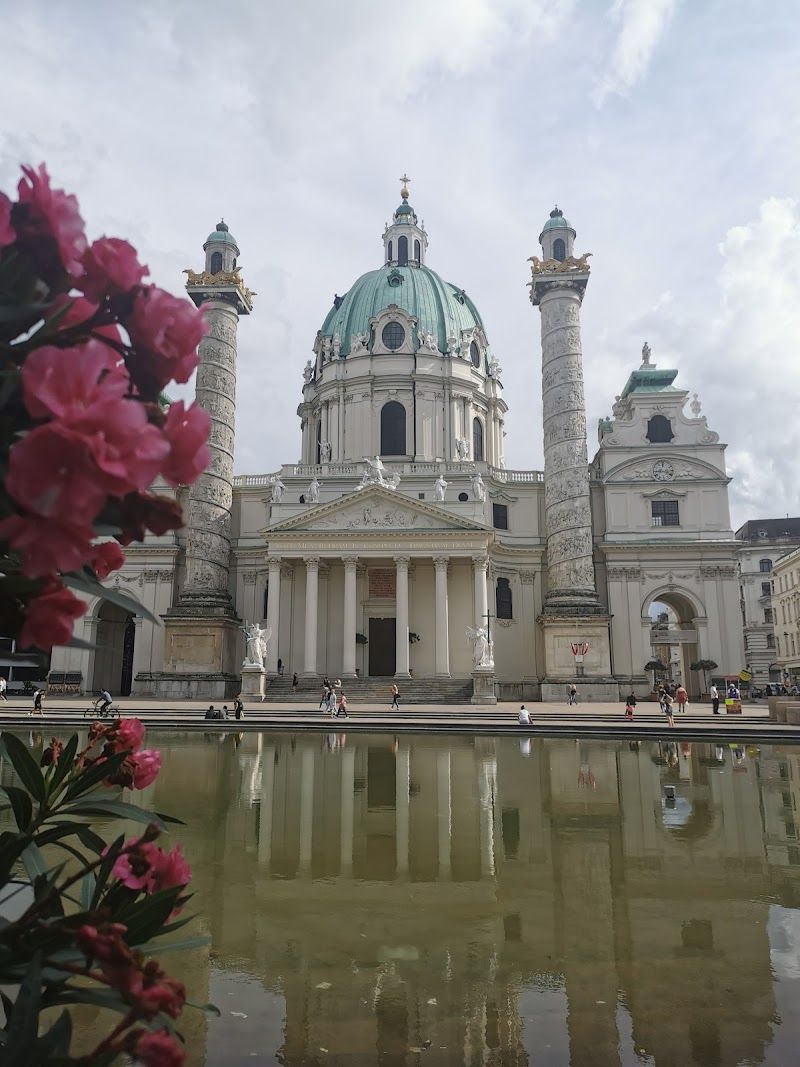
Karlsplatz anchors Vienna's cultural district with the Karlskirche dominating one side and two Otto Wagner Pavilions flanking the other. You'll find yourself in Europe's largest baroque church square, where green lawns stretch between ornate architecture and modern university buildings. The Wien Museum sits at the plaza's edge, housing the city's most comprehensive historical collection, while the U-Bahn stations below showcase more of Wagner's Art Nouveau mastery. The square feels like Vienna in miniature: students from the Technical University sprawl on the grass, tourists crane their necks at Karlskirche's massive dome, and commuters stream through the ornate subway entrances. The contrast works well. The Wagner Pavilions catch afternoon light like architectural details, while the church's green copper dome shifts colour throughout the day. You can easily spend an hour just people-watching from the steps or benches scattered around the plaza's perimeter. Most guidebooks may exaggerate the Wien Museum's (€10 entry, often crowded with school groups) importance, but the real treats here come at no extra cost. It is recommended to skip the museum unless you're genuinely interested in Vienna's municipal history. The exterior views of the Wagner Pavilions are certainly impressive, and climbing Karlskirche's dome (€8) offers better city views than any museum exhibit. Visit early morning or late afternoon when the light transforms both the architecture and the atmosphere.

30-45 minutesExplore
Stephansdom Catacombs Tours
Tour

Stephansdom Catacombs Tours

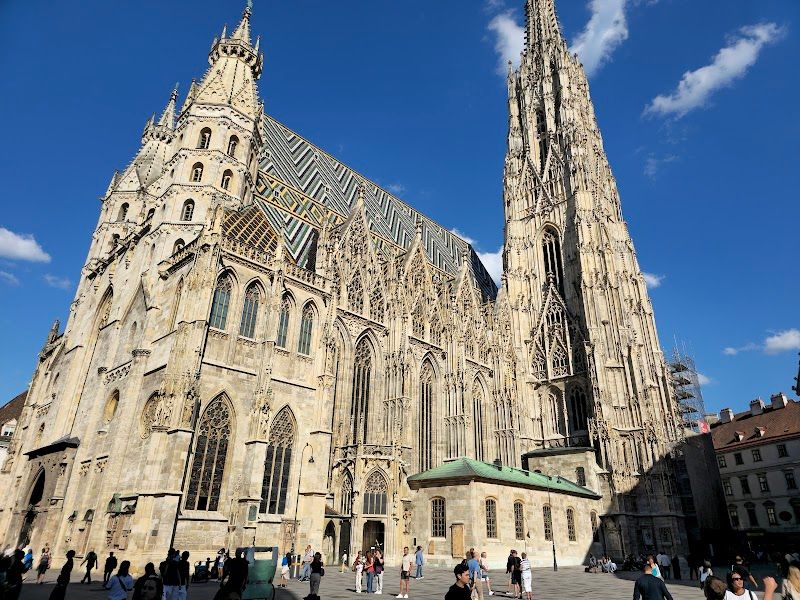
The catacombs beneath St. Stephen's Cathedral hold 11,000 bodies spanning from Roman times through the 18th century, including plague victims whose remains were hastily moved here when Vienna's cemeteries overflowed. You'll descend stone steps into dimly lit chambers where bishops rest in ornate tombs and commoners lie stacked in bone repositories. The tour covers the Rudolf Crypt, the bishops' vault with copper coffins, and chambers where bodies were stored during cholera outbreaks. Your guide leads groups of 25 through narrow corridors that smell faintly of old stone and dampness. The temperature drops noticeably as you move deeper underground, and the contrast between the cathedral's soaring Gothic architecture above and these cramped burial chambers below feels jarring. You'll see medieval burial urns, copper coffins green with age, and rooms where bones are arranged in systematic piles. The lighting is atmospheric but practical, illuminating carved stone details and religious symbols etched into walls. Most visitors expect something more dramatic after seeing Paris catacombs, but this is more historical than theatrical. Tours cost 6 EUR and run every 30 minutes from 10am to 5:30pm Monday through Saturday, Sundays from 1:30pm. The stairs are steep and uneven, so skip this if mobility is an issue. English tours happen at set times: 10:15am, 11:45am, 1:15pm, 2:45pm, and 4:15pm. Groups often fill up during summer, so arrive 15 minutes early.

30 minutesExplore
Vienna State Opera (Wiener Staatsoper)
Cultural Site

Vienna State Opera (Wiener Staatsoper)

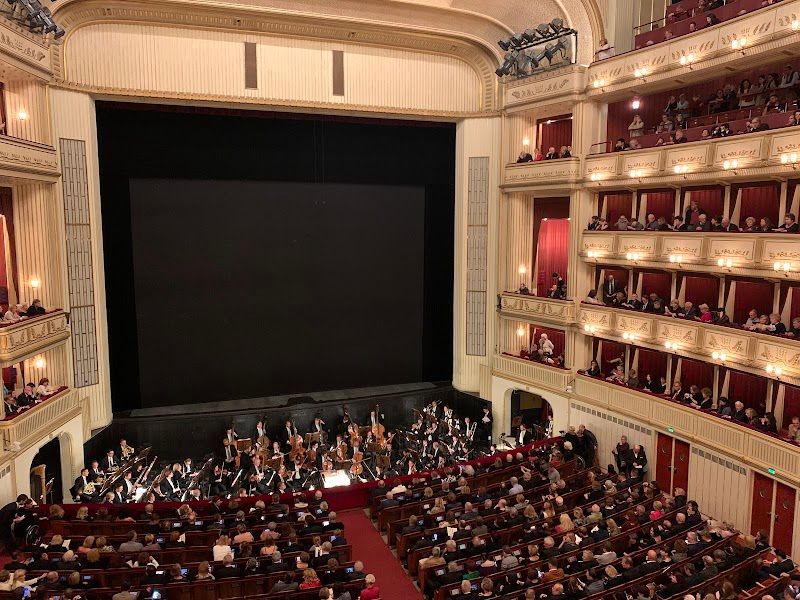
The Vienna State Opera stands as one of the world's most prestigious opera houses, offering an unmatched cultural experience in the heart of Innere Stadt. This architectural masterpiece, completed in 1869 as the first major building on the famous Ringstrasse, combines stunning Neo-Renaissance design with world-class acoustics that have captivated audiences for over 150 years. What makes this venue truly special is its incredible accessibility through standing room tickets priced at just EUR 4 to 10, making it one of Europe's greatest cultural bargains. The opera house seats 1,709 with additional space for 567 standing patrons. The repertoire changes nightly, so you might experience Tosca on Monday, Don Giovanni on Tuesday, and The Magic Flute on Wednesday, ensuring every visit offers something different. The orchestra consists of members from the legendary Vienna Philharmonic, delivering performances of extraordinary quality. Even if you cannot attend a show, guided tours run for EUR 13 lasting 40 minutes when no rehearsals are scheduled, typically between 1 PM and 3 PM daily. While the building was heavily damaged during WWII and subsequently rebuilt, the original grand staircase and opulent foyer survived, showcasing breathtaking 19th-century craftsmanship with marble columns, frescoed ceilings, and crystal chandeliers. Practical tip: arrive early for standing room tickets, which go on sale 80 minutes before performances. The sound quality from standing areas is excellent, though comfort requires stamina. Dress code expectations vary, but smart casual works perfectly for most performances.

2-3 hoursExplore
Hofburg Palace
Landmark

Hofburg Palace

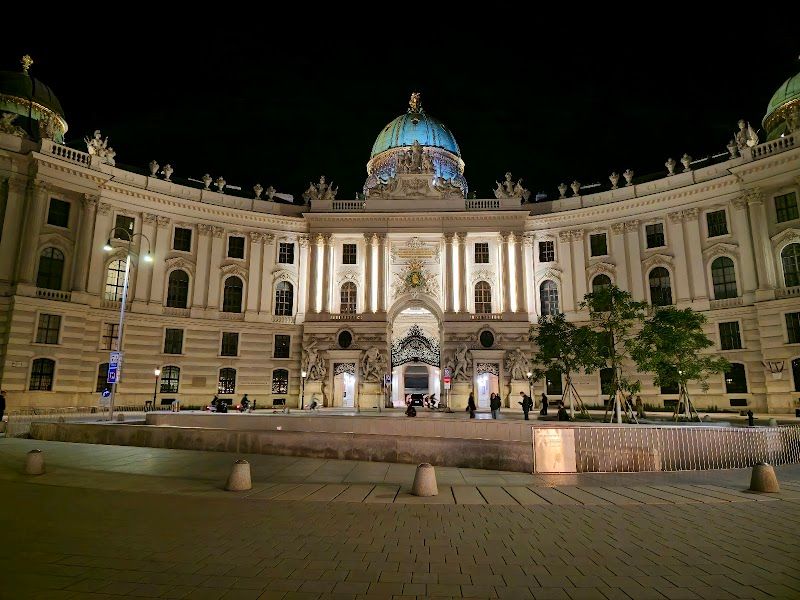
The Hofburg Palace stands as Vienna's most significant imperial complex, serving as the Habsburg dynasty's primary residence for over six centuries until 1918. Today this sprawling palace houses Austria's president, multiple world-class attractions, and offers visitors an authentic glimpse into imperial life. The essential three-museum ticket (EUR 17.50) includes the Imperial Apartments, Sisi Museum, and Imperial Silver Collection. Allow 2.5 hours minimum. The Sisi Museum deserves special praise for its refreshingly honest portrayal of Empress Elisabeth, debunking romantic myths to reveal a complex woman obsessed with beauty, fitness, and freedom. Her actual corsets and gym equipment surprise many visitors. The Imperial Apartments showcase Emperor Franz Joseph's surprisingly modest personal quarters alongside elaborate state rooms where crucial European decisions were made. The Silver Collection displays over 7,000 pieces of imperial tableware, including a 30-meter-long dining table setting. The Spanish Riding School (performances EUR 25-180, morning exercises EUR 18) has trained Lipizzaner stallions since 1572. Book performances months ahead; morning exercises offer better value and authentic atmosphere. The baroque Winter Riding School is a highly impressive architectural masterpiece. Don't miss the free Augustinerkirche, site of Habsburg weddings including Marie Antoinette's proxy ceremony. The Hofburg Chapel hosts Vienna Boys' Choir Sunday masses (EUR 5-29, book early). Practical tips: start early to avoid crowds, wear comfortable shoes for extensive walking, and consider the one-year Sisi Ticket (EUR 34) if visiting Schönbrunn Palace too. The palace's large size can be overwhelming; focus on your interests rather than attempting everything.

2-3 hoursExplore
Albertina Museum
Museum

Albertina Museum

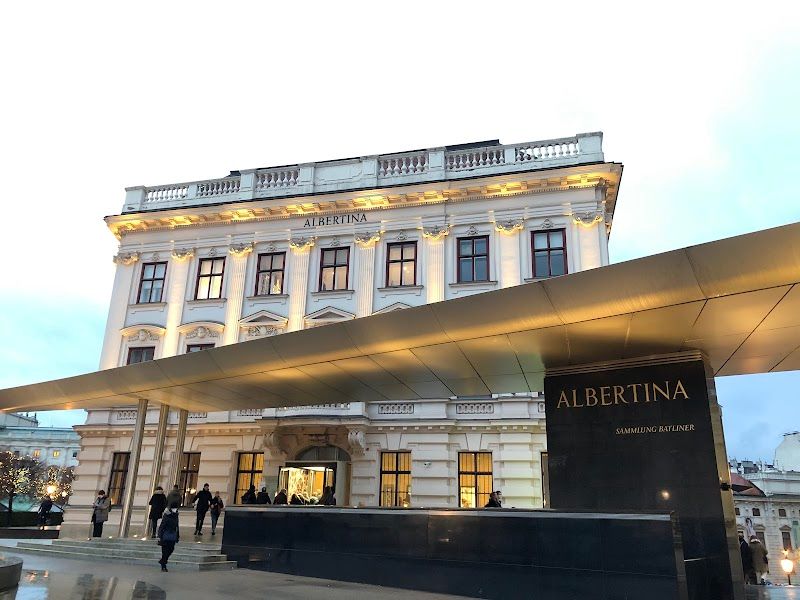
The Albertina sits atop the Hofburg complex housing one of the world's most impressive collections of prints and drawings, with over one million works spanning five centuries. You'll see original sketches by Dürer, Michelangelo's studies, and complete series by masters like Rembrandt and Schiele. The Habsburg state rooms upstairs showcase imperial living at its most extravagant, with gilded furniture, crystal chandeliers, and floors so polished you can see your reflection. The experience flows between intimate gallery spaces where you examine delicate works on paper and grand palatial rooms that make you feel tiny. The print galleries keep lighting deliberately low to protect the works, creating an almost reverent atmosphere. Then you climb to the state rooms where everything explodes in gold and marble. The contrast hits you immediately: from studying a pencil sketch worth millions to standing in a ballroom where emperors once waltzed. Most guides oversell the permanent collection, which rotates constantly since works on paper can't handle continuous light exposure. The real draw is whatever major exhibition is running, usually Impressionist or modern masters that justify the €16 entry fee. Skip the audio guide and spend your time in the Batliner Collection of modern art on the second floor, which most tourists miss entirely. The state rooms photograph beautifully but take only 20 minutes to see properly.

2-3 hoursExplore
Kunsthistorisches Museum
Museum

Kunsthistorisches Museum

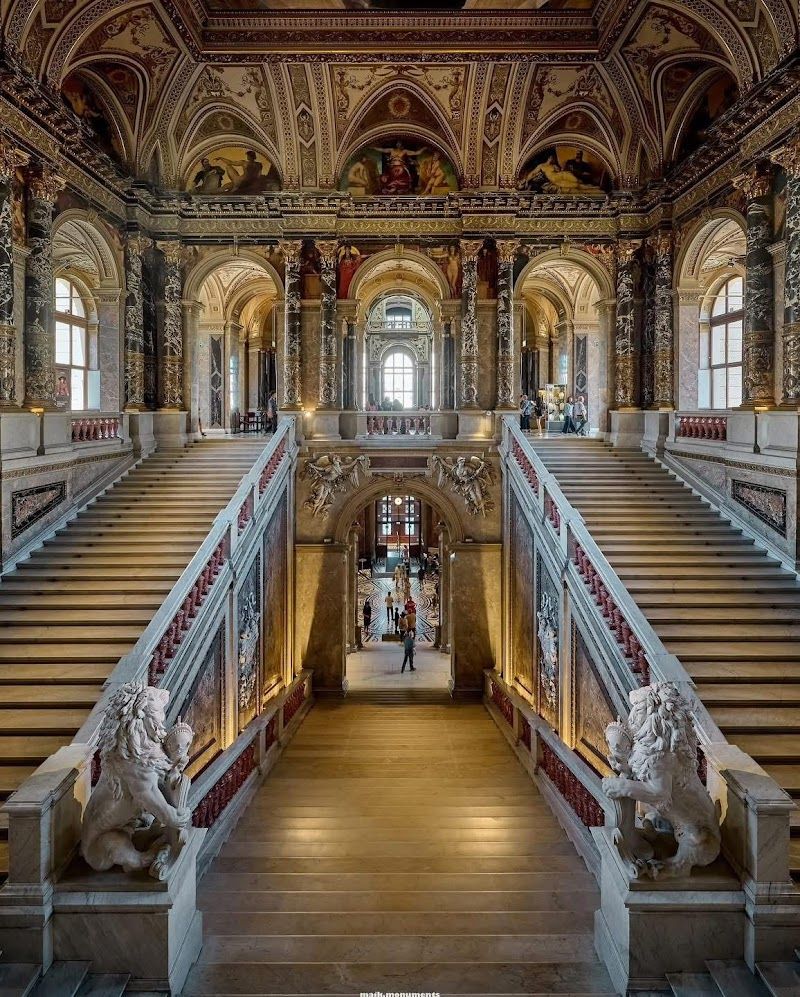
The Kunsthistorisches Museum stands as one of the world's premier art institutions, housed in a palatial 19th-century building that rivals its contents in grandeur. Open Tuesday through Sunday from 10:00 to 18:00, with Thursday hours extended until 21:00, this Habsburg treasure trove justifies its EUR 21 admission fee with an unparalleled collection spanning centuries. The museum's crown jewels include the world's largest Bruegel collection, featuring masterpieces like Tower of Babel and Hunters in the Snow. Vermeer's enigmatic The Art of Painting captivates visitors, while works by Raphael, Titian, Caravaggio, and Velazquez demonstrate the Habsburgs' discerning taste. The Egyptian and Near Eastern Collection on the ground floor houses mummies, sarcophagi, and ancient artifacts that transport you millennia back in time. Don't miss the Kunstkammer, reopened after extensive renovation, displaying the famous Cellini Salt Cellar and bizarre Habsburg curiosities that blur the line between art and oddity. The building itself deserves attention: Klimt and Makart's ceiling paintings adorn the marble staircase, creating an Instagram-worthy ascent to artistic heaven. Plan at least three hours for a meaningful visit, though art enthusiasts could easily spend an entire day. Tuesday mornings offer smaller crowds. The museum cafe provides respite with views of Maria-Theresien-Platz. While pricey, this is Vienna's essential cultural experience, representing 500 years of imperial collecting passion in one magnificent location.

2-4 hoursExplore
More on Vienna

From the blog

View all →
Ready for Vienna?

Let DAIZ plan your Vienna days

Tell us how long you've got and what you're into. We'll build a day-by-day plan, with the bookable bits ready to lock in.

Plan my Vienna tripFree · no signup to start
Plan your Vienna trip