Madrid · Barrio de las Letras

Taberna El Sur de Huertas

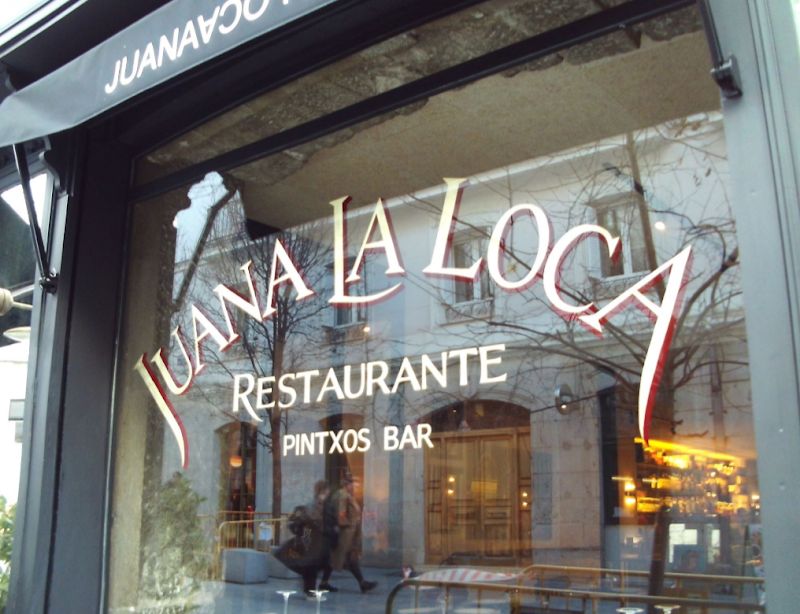
This cozy Huertas taberna specializes in Andalusian cuisine with excellent fried fish, salmorejo, and flamenquines.
Taberna El Sur de Huertas, Madrid · Barrio de las Letras
Category
Restaurant
Duration
1h 30m
Best Time
Afternoon
Entry
€€
Rating
4.5 (2,595)
The place

About Taberna El Sur de Huertas

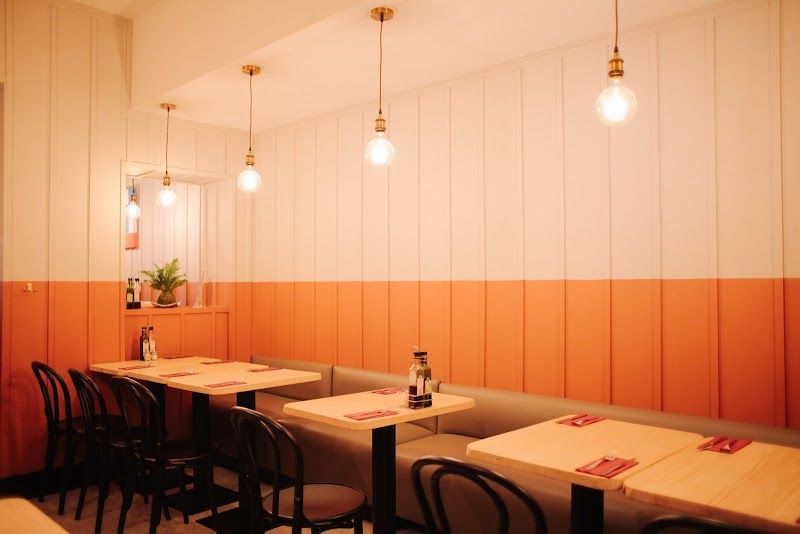
This cozy Huertas taberna specializes in Andalusian cuisine with excellent fried fish, salmorejo, and flamenquines. The small tiled interior fills with locals who come for the quality southern Spanish cooking at prices that feel like a different era.

Book ahead

Book Tickets

Live availability and skip-the-line options from our booking partners.

Search on Viator →Search on GetYourGuide →

Booking powered by our partners. DAIZ may earn a commission.

The place

Getting there

Address
C. de las Huertas, 24, Centro, 28014 Madrid, Spain
Neighborhood
Barrio de las Letras
Nearest Metro
Line 1 to Atocha (southern end)Lines 1, 2, 3 to Sol (western end)Line 2 to Sevilla (northern end)
View on Google Maps →
Good to know

Tips, answered

The fried artichokes and gazpacho (summer only) are house specialties that locals order without looking at the menu.

Plan for about 1h 30m.

Taberna El Sur de Huertas is in the Barrio de las Letras neighborhood of Madrid. The address is C. de las Huertas, 24, Centro, 28014 Madrid, Spain. The area is well-served by metro.

This works well at any time of day, though mornings tend to be quieter. Weekdays are less crowded than weekends.

Around the corner

Nearby in Barrio de las Letras

Explore all →
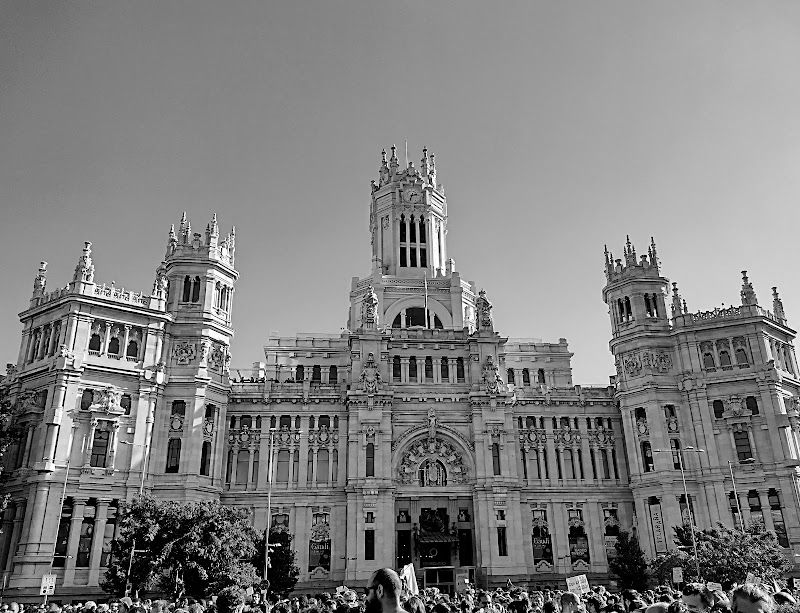
Palacio de Cibeles
Landmark

Palacio de Cibeles

This imposing white palace dominates Plaza de Cibeles and houses Madrid's City Hall alongside CentroCentro, a surprisingly good cultural center with rotating contemporary art exhibitions. The building itself is the real draw: built in 1919 as Madrid's central post office, it's pure early 20th-century grandeur with soaring halls, ornate staircases, and detailed stonework. The eighth-floor viewing gallery gives you free panoramic views over the plaza and down Paseo del Prado, while the rooftop terrace costs 3 EUR for even better angles. You'll enter through security (it's still a working government building) and can wander the ground floor galleries for free. The CentroCentro exhibitions change every few months and range from photography to design, usually well-curated but hit or miss depending on your interests. Taking the elevator to the eighth floor feels like accessing a secret viewpoint: suddenly you're looking down at the famous Cibeles fountain and across to the Prado's red-tiled roof. The interior courtyards are particularly photogenic from above. Most people skip the 3 EUR rooftop terrace, but it's worth it for the 360-degree views and dramatic perspective on the surrounding architecture. The CentroCentro exhibitions are often overlooked by tourists focused on the Prado nearby, making them pleasantly uncrowded. Skip the building entirely if you're rushed: the views are lovely but not essential, and you can appreciate the exterior just as well from plaza level.

1 hourExplore
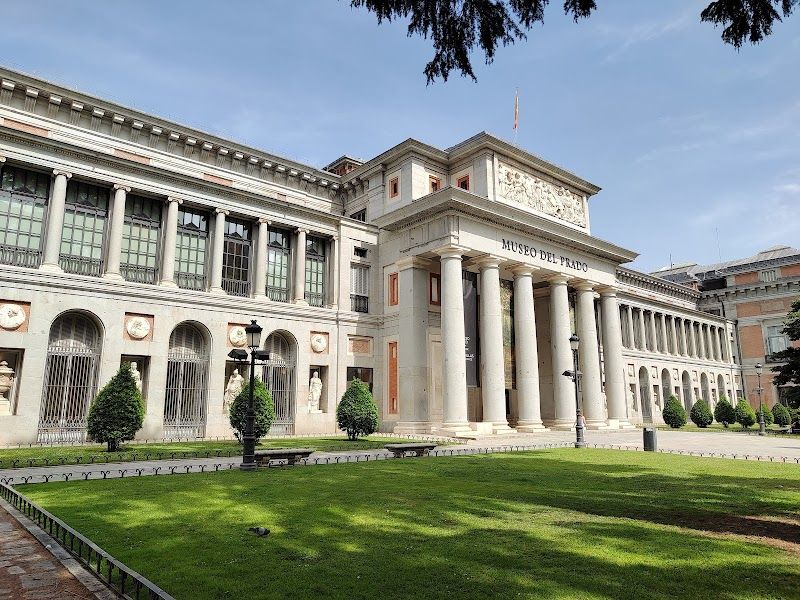
Museo del Prado
Museum

Museo del Prado

The Prado is the best art museum most people have never prioritised. It doesn't have the Louvre's fame or the Uffizi's Instagram presence, but what it has is Velazquez's Las Meninas, which is the painting that changed how painters thought about painting. You'll stand in front of it in Room 12 and understand immediately. The room is built around it. Everything else in the museum leads to or away from this moment. Goya gets two entire sections: the early works upstairs are beautiful and luminous, full of colour and social observation. The Black Paintings downstairs are terrifying. Saturn Devouring His Son is in a room with paintings Goya made directly on the walls of his house when he was deaf, isolated, and possibly losing his mind. The Garden of Earthly Delights by Bosch is in Room 56A and people cluster around it like it's a puzzle, which it basically is. El Greco's long, stretched figures fill a gallery that feels like stepping into a fever dream. And then there's the Rubens room, which has more drama per square metre than most countries' entire national collections. The EUR15 entry ticket is a bargain for what you're getting. The museum is free in the last two hours before closing (Monday to Saturday 6-8 PM, Sundays 5-7 PM), but it's packed and rushed. Pay the EUR15, come at 10 AM on a weekday, and give yourself three hours minimum. The audio guide (EUR6) is worth it for the Velazquez rooms alone. Skip the temporary exhibitions unless the queue is short. The permanent collection is why you're here. One practical note: the building is enormous and poorly signposted. Grab a free map at the entrance, decide on three things you want to see, and navigate to those first. Then wander. Trying to see everything systematically will break you by Room 30.

3-4 hoursExplore
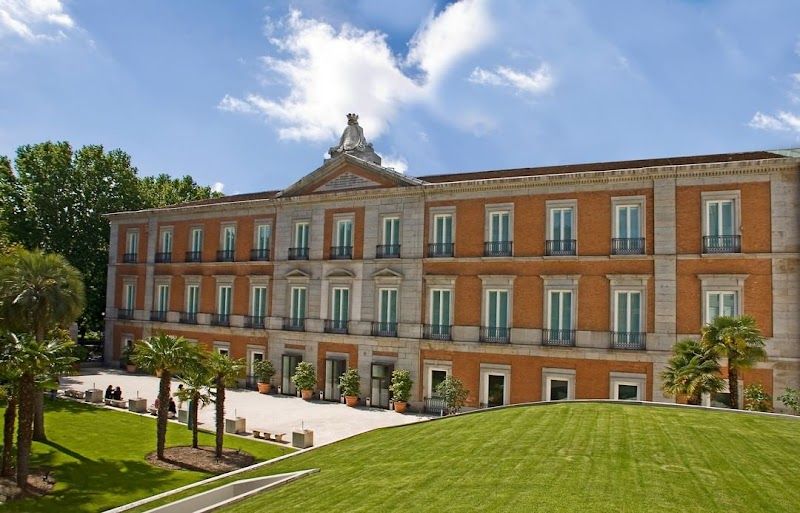
Museo Thyssen-Bornemisza
Museum

Museo Thyssen-Bornemisza

The Thyssen is the private collection that fills the gap between the Prado and the Reina Sofia. Where the Prado stops at the 19th century and the Reina Sofia starts at the 20th, the Thyssen covers everything: medieval altarpieces on the top floor, Dutch Golden Age masters and Italian Renaissance paintings on the second, Impressionists and Post-Impressionists in the middle, and German Expressionists, Pop Art, and Edward Hopper on the ground floor. The collection was assembled by Baron Hans Heinrich Thyssen-Bornemisza and his father over decades, buying art that other collectors overlooked. Spain acquired it in 1993 for a fraction of its value, and it sits in the Villahermosa Palace on the Paseo del Prado, five minutes from the Prado itself. Start on the top floor (floor 2) and work down chronologically. The flow is intuitive and the rooms are small enough that nothing feels overwhelming. The highlights that most visitors seek out: Hopper's Hotel Room (as lonely as you'd expect), Kirchner's Franzi in Front of a Carved Chair, Van Eyck's Annunciation Diptych, Caravaggio's Saint Catherine of Alexandria, and a strong Impressionist section with Monet, Renoir, and Degas. The Carmen Thyssen collection in the connected wing adds more Impressionists and 19th-century landscapes. Entry EUR13 for the permanent collection, more with temporary exhibitions. Free on Mondays noon-4 PM. The building is manageable in 2-3 hours, making it the most digestible of the three art triangle museums.

2-3 hoursExplore
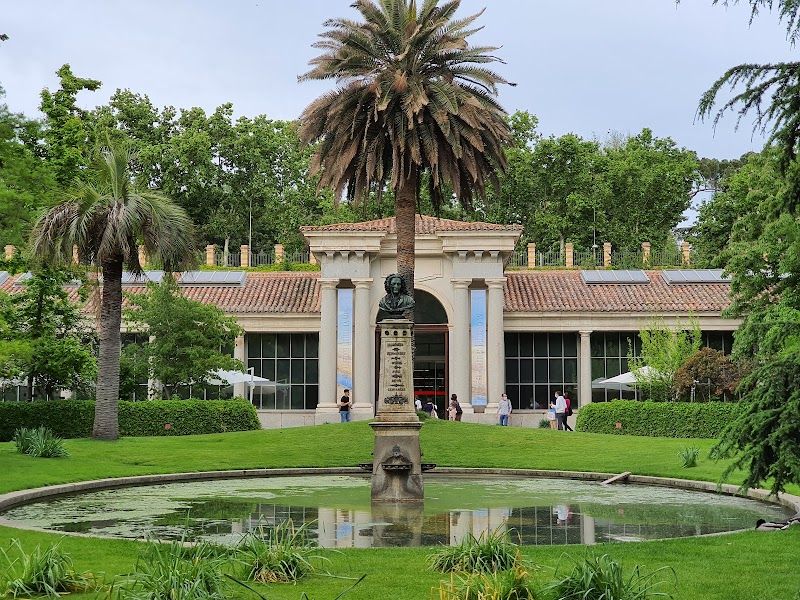
Real Jardín Botánico de Madrid
Park & Garden

Real Jardín Botánico de Madrid

The Real Jardín Botánico feels like Madrid's best kept secret, even though it sits right next to the Prado Museum. Founded in 1755, this 20-hectare garden houses over 5,000 plant species arranged in thoughtfully designed sections: formal French parterres, rose gardens that peak in May, tropical greenhouses that stay warm year-round, and an impressive bonsai collection. You'll spend around 90 minutes wandering gravel paths that connect themed areas, from medicinal plants used by 18th-century apothecaries to exotic specimens collected from Spanish colonies. The experience feels remarkably peaceful considering you're in central Madrid. You enter through wrought-iron gates and immediately notice the careful landscaping: perfectly trimmed hedges frame colorful flower beds while mature trees provide shade over wooden benches. The greenhouse complex transports you to different climates, with humid tropical sections where orchids bloom year-round and desert areas filled with towering cacti. Spring brings crowds of locals picnicking on the lawns, but even then it never feels overwhelming. Entry costs €4 for adults, which makes this one of Madrid's best cultural bargains compared to the €15 Prado next door. Most visitors rush through in 45 minutes, but you'll miss the seasonal rotations and small details that make this special. Skip the northern sections in winter when many outdoor plants look dormant, and focus your time on the greenhouses and the beautiful Villanueva Pavilion, which hosts rotating botanical art exhibitions that most tourists walk right past.

1.5-2 hoursExplore
Círculo de Bellas Artes
Viewpoint

Círculo de Bellas Artes

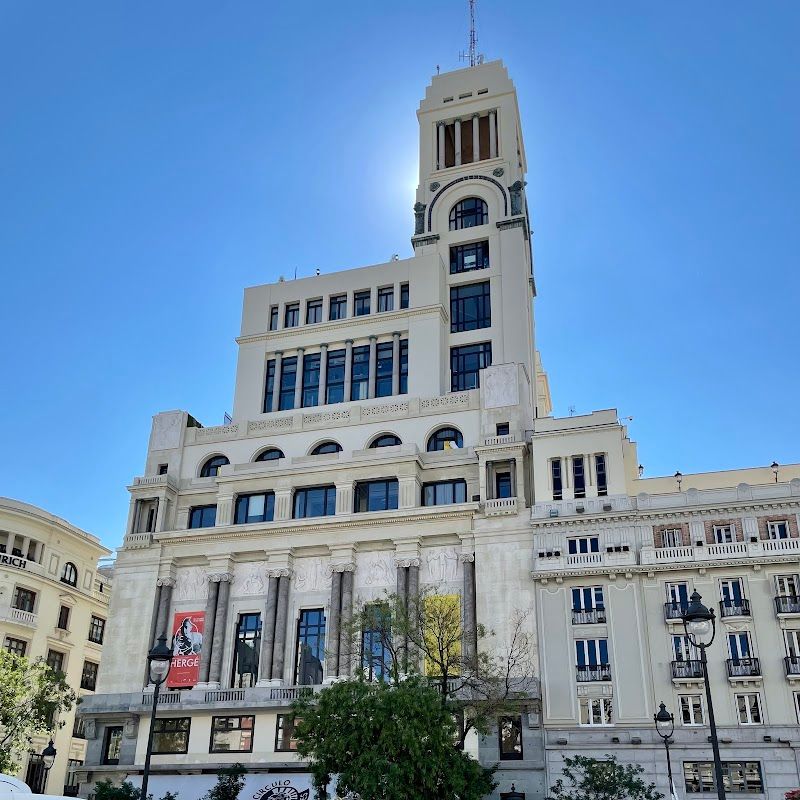
Círculo de Bellas Artes is a 1920s cultural center that happens to have Madrid's best 360-degree rooftop terrace, accessible for just 5 EUR (includes one drink). You'll get sweeping views over Gran Vía, the Royal Palace, and Retiro Park from the seventh floor of this neo-classical building. The cultural programming downstairs is decent but forgettable: the rooftop is why you're here. Taking the small elevator up feels like entering a secret club, and stepping onto the terrace delivers that perfect Madrid moment. The wraparound views stretch in every direction, with the golden dome of Metropolis building gleaming below and the mountains visible on clear days. The rooftop bar serves overpriced drinks, but your entry fee covers one, so grab it and claim a spot along the railing. Wind can be fierce up here, especially in winter. Most travel guides oversell the cultural center aspect: skip the exhibitions and head straight up. The 5 EUR entry is Madrid's best viewpoint bargain, but timing matters enormously. Sunset draws massive crowds, and the space fills fast. If you're here for photos, early morning or late afternoon on weekdays gives you breathing room. The drink included isn't great, but the views make terrible wine taste better.

1-1.5 hoursExplore
CaixaForum Madrid
Museum

CaixaForum Madrid

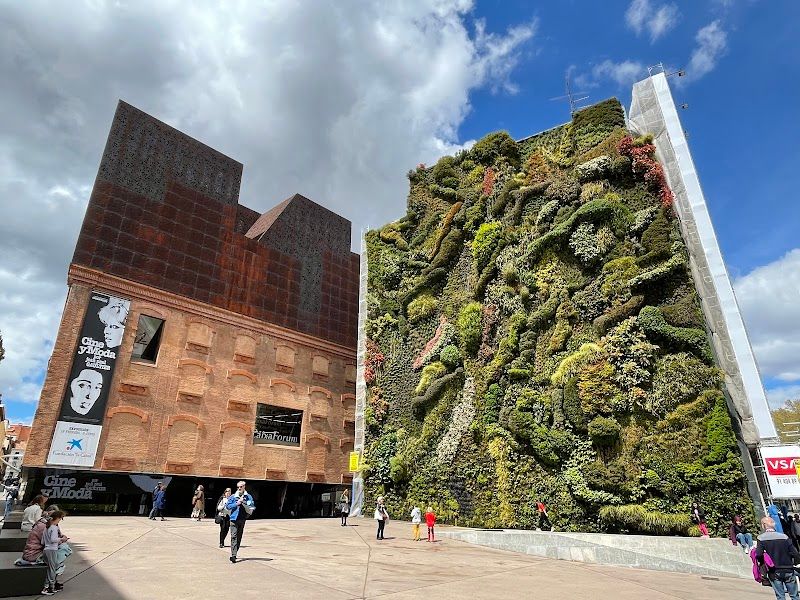
A converted power station on the Paseo del Arte with a vertical garden by Patrick Blanc covering its exterior wall. The building appears to float above street level, with the original brick facade suspended above a public plaza. The architectural trick is impressive enough to draw crowds who never go inside, but the exhibitions are worth entering. CaixaForum is funded by La Caixa Foundation, one of Spain's largest cultural patrons, and hosts rotating exhibitions that range from photography and design to fine art retrospectives. Past shows have included Ai Weiwei, Cezanne, Greek sculpture, and immersive digital art. The quality is consistently high and the curation is more accessible than the Reina Sofia's contemporary holdings. Entry EUR6, with discounts for students and under-16s. The bookshop is excellent. The cafe on the top floor has a terrace with views toward the Retiro and the Botanical Garden. Free events including concerts, lectures, and children's workshops are scheduled regularly. The vertical garden on the exterior is 24 metres tall, contains 15,000 plants of 250 species, and is maintained by a drip irrigation system that keeps it green year-round. It is one of the most photographed facades in Madrid and worth walking past even if you don't go inside.

1.5-2 hoursExplore
More on Madrid

From the blog

View all →
Ready for Madrid?

Let DAIZ plan your Madrid days

Tell us how long you've got and what you're into. We'll build a day-by-day plan, with the bookable bits ready to lock in.

Plan my Madrid tripFree · no signup to start
Plan your Madrid trip