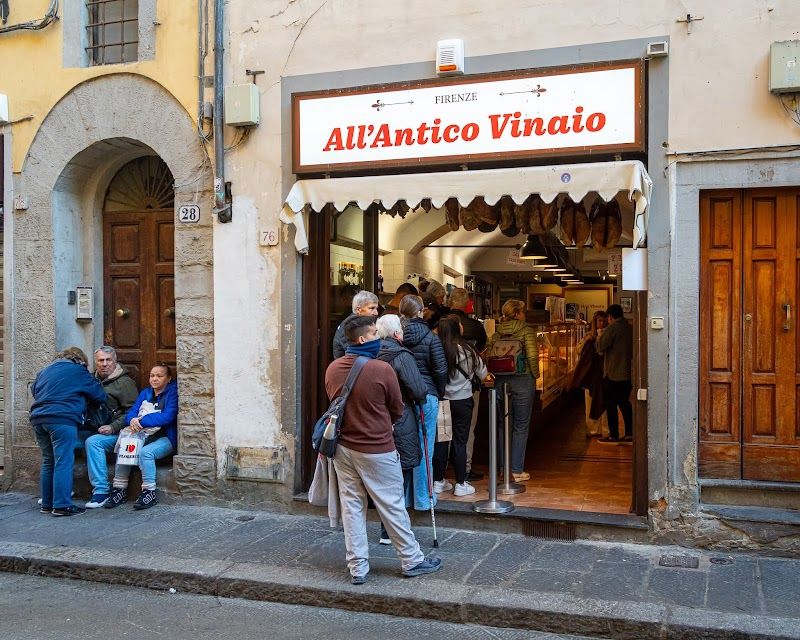
Florence · San Marco & Santissima Annunziata

Ristorante Perseus

Bistecca specialist near Santa Croce with a display case showcasing massive Chianina beef cuts.
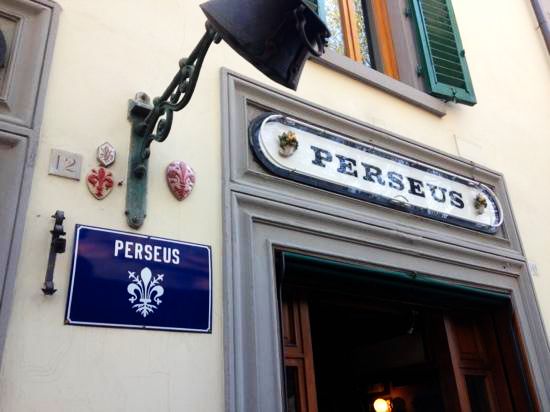
Ristorante Perseus, Florence · San Marco & Santissima Annunziata
Category
Restaurant
Duration
2 hours
Best Time
Any time
Entry
€€€
Rating
4.3 (5,264)
The place

About Ristorante Perseus

Bistecca specialist near Santa Croce with a display case showcasing massive Chianina beef cuts. Formal service, tableside carving, and proper rare preparation. Dinner reservations recommended, expect €60-80 per person for the full experience.

Book ahead

Book Tickets

Live availability and skip-the-line options from our booking partners.

Search on Viator →Search on GetYourGuide →

Booking powered by our partners. DAIZ may earn a commission.

The details

Practical bits

WalkingMinimal walking
The place

Getting there

Address
Viale Don Giovanni Minzoni, 10/R, 50129 Firenze FI, Italy
Neighborhood
San Marco & Santissima Annunziata
View on Google Maps →
Good to know

Tips, answered

The bistecca is priced by weight and serves two - confirm the exact cost before ordering to avoid bill shock at €50-60 per kilo.

Plan for about 2 hours.

Ristorante Perseus is in the San Marco & Santissima Annunziata neighborhood of Florence. The address is Viale Don Giovanni Minzoni, 10/R, 50129 Firenze FI, Italy. The area is well-served by metro.

This works well at any time of day, though mornings tend to be quieter. Weekdays are less crowded than weekends.

Closed on Sunday. Check the official website for holiday closures and special hours.

Around the corner

Nearby in San Marco & Santissima Annunziata
Explore all →
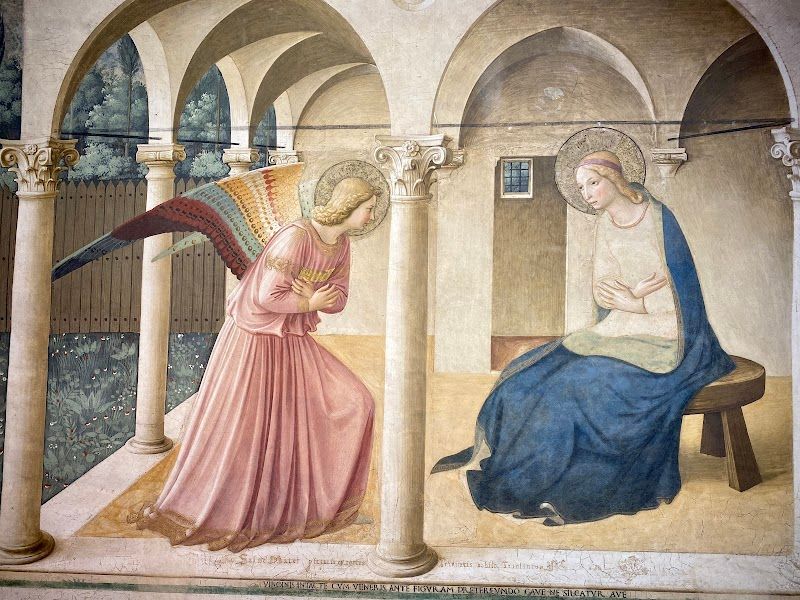
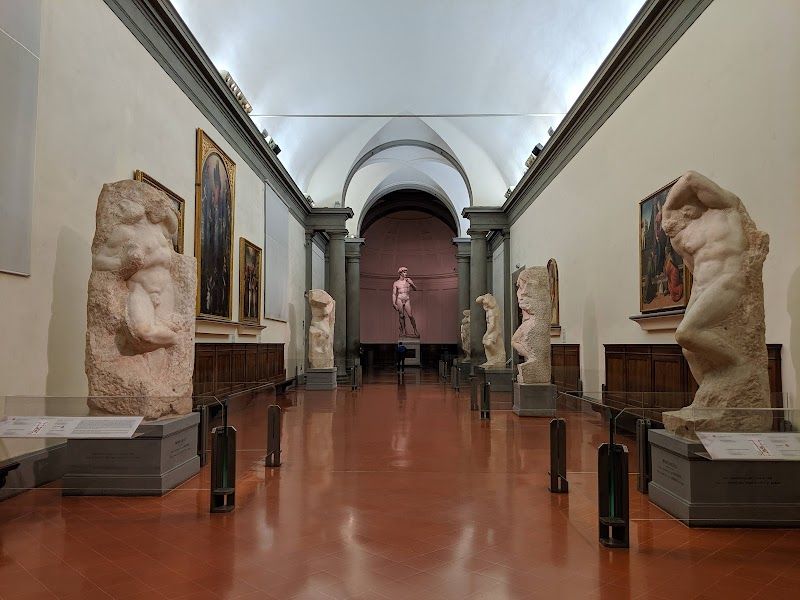
Accademia Gallery
Museum

Accademia Gallery

The Accademia Gallery houses Michelangelo's David, the 17-foot marble masterpiece that's genuinely breathtaking in person. You'll also see his unfinished Prisoners sculptures, which show figures emerging from raw stone, plus a decent collection of Florentine paintings and Renaissance plaster casts. The Museum of Musical Instruments upstairs gets skipped by most visitors but contains beautiful historical pieces including Medici court instruments. The gallery feels intimate compared to the Uffizi, with just a handful of rooms connected by a central corridor that leads directly to David's Tribune. The statue dominates a domed rotunda where you can walk 360 degrees around it, and honestly, photos don't prepare you for the scale and detail. The crowds can be intense, especially 10am to 2pm, but the space manages traffic well with timed entries. Skip the audio guide at €6, the wall plaques have enough detail. Entry costs €16 but expect €4 booking fees online, which you absolutely need since walk-up tickets are rare. Most people spend 30 minutes staring at David and rush through everything else, but the Prisoners deserve equal time. The musical instruments floor is blissfully quiet and worth the extra 20 minutes if you're feeling overwhelmed downstairs.

1.5 hoursExplore
Piazza della Santissima Annunziata
Landmark

Piazza della Santissima Annunziata

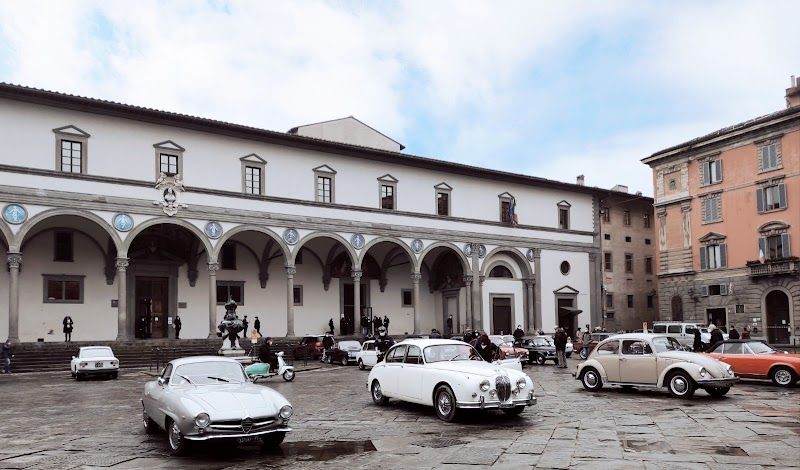
This perfectly proportioned Renaissance square showcases Brunelleschi's elegant arcade wrapping around three sides, creating Florence's most geometrically harmonious public space. You'll find Giambologna's bronze statue of Grand Duke Ferdinando I commanding the center, while the Ospedale degli Innocenti displays Andrea della Robbia's famous blue and white terra cotta roundels of swaddled babies. The square connects the Basilica della Santissima Annunziata with Europe's first purpose-built orphanage, now housing an excellent museum. The space feels intimate compared to Piazza della Signoria, with locals cutting through on their way to work and mothers pushing strollers under the graceful arches. You can walk the entire perimeter in five minutes, studying the perfectly matched proportions that influenced Renaissance urban planning across Europe. The morning light hits the arcade beautifully, casting geometric shadows that shift throughout the day. Students from the nearby university often sit on the steps, giving the square a lived-in quality that tourist-heavy piazzas lack. Most visitors snap photos and leave, missing the real treasure inside the Ospedale degli Innocenti. The Museo degli Innocenti costs €7 and takes 45 minutes, but it's worth it for della Robbia's ceramics and the fascinating history of Renaissance childcare. Skip the basilica unless you're seriously into Mannerist frescoes. The square works best as a peaceful pause between the crowds at the Duomo and Accademia, both a 10-minute walk away.

20-30 minutesExplore
Opificio delle Pietre Dure
Museum

Opificio delle Pietre Dure

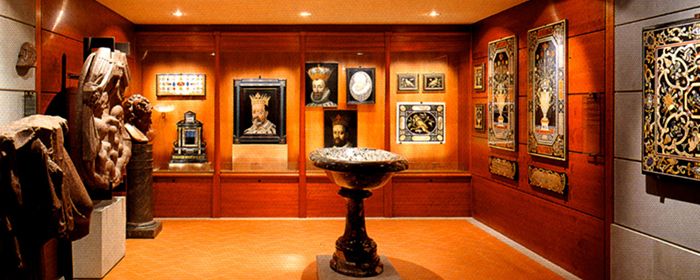
The Opificio delle Pietre Dure preserves Florence's tradition of commesso, the art of creating intricate mosaics from semi-precious stones like lapis lazuli, jasper, and agate. You will see examples of this craft: elaborate tabletops that resemble paintings from a distance, portraits rendered entirely in stone, and decorative panels that took years to complete. The museum also houses the original tools used to cut and polish these materials, and you can watch contemporary restorers using the Renaissance techniques. The visit flows through intimate rooms where every surface showcases this meticulous art form. The lighting here is excellent, designed to make the stones' natural colors pop: deep blues of lapis lazuli, rich greens of malachite, and warm amber tones of jasper. You will find yourself leaning in close to examine the tiny joints between stone pieces, admiring craftsmanship so precise it rivals any painting. The restoration workshop on the first floor lets you observe artisans at work, their movements careful and deliberate as they repair centuries-old pieces. Most travel guides do not mention this place, which keeps crowds minimal even in peak season. Entry costs 4 EUR, making it one of Florence's best museum values. Skip the ground floor gift shop entirely, but do not rush through the second floor where the most spectacular tabletops are displayed. The museum takes about an hour, though stone enthusiasts could easily spend twice that examining the technical details.

45 minutes to 1 hourExplore
Chiostro dello Scalzo
Museum

Chiostro dello Scalzo

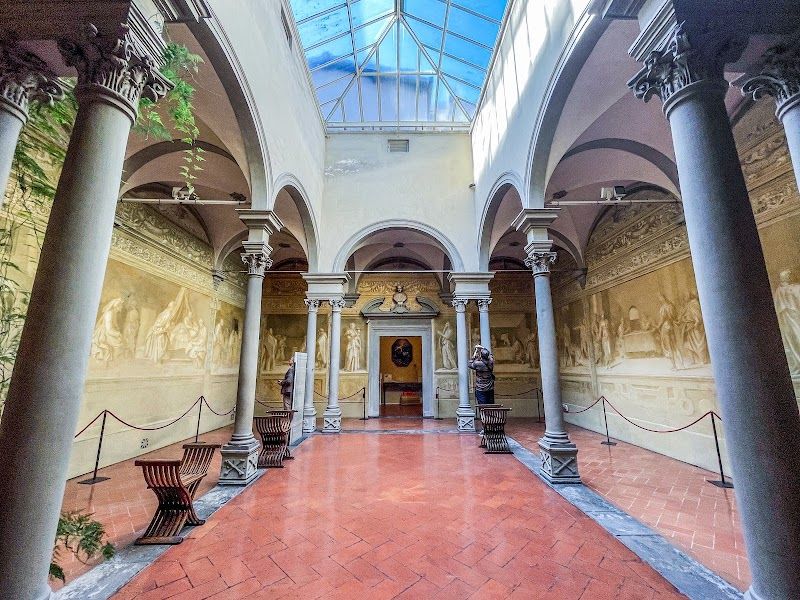
Chiostro dello Scalzo houses one of Florence's most remarkable fresco cycles, painted entirely in grisaille (shades of gray) by Andrea del Sarto between 1511 and 1526. The small cloister contains twelve scenes from the life of St. John the Baptist, executed with such precision that they look like marble reliefs rather than painted walls. Two scenes were actually completed by del Sarto's student Franciabigio, but you'd need an art history degree to spot the difference. You'll have this tiny courtyard almost entirely to yourself, which feels surreal given the artistic caliber. The frescoes run chronologically around the cloister walls, starting with the Annunciation to Zacharias and ending with the Beheading of the Baptist. The monochrome technique creates an intimate, almost meditative atmosphere that's completely different from the color-saturated chapels elsewhere in Florence. Each scene reveals del Sarto's mastery of anatomy and perspective, particularly in the dancing Salome sequence. Most guidebooks barely mention this place, which works in your favor. Entry is completely free, and you'll often find the attendant reading a newspaper in the corner while you study million-euro frescoes alone. The visit takes exactly as long as you want it to, though 20 minutes covers the highlights thoroughly. Skip it only if you're completely frescoed out from the Sistine Chapel comparisons get old fast.

30 minutesExplore
More on Florence

From the blog

View all →
Ready for Florence?

Let DAIZ plan your Florence days

Tell us how long you've got and what you're into. We'll build a day-by-day plan, with the bookable bits ready to lock in.

Plan my Florence tripFree · no signup to start
Plan your Florence trip