Athens · Koukaki

Lake Vouliagmeni

Lake Vouliagmeni is Athens' year-round swimming spot, a thermal lake fed by underground springs that keeps the water at a steady 22-24°C even in January.
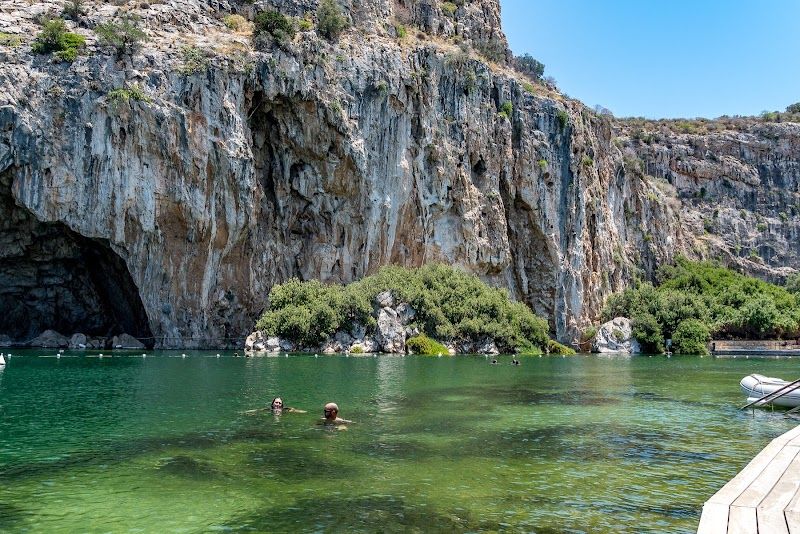
Lake Vouliagmeni, Athens · Koukaki
Category
Beach
Duration
2h 30m
Best Time
Any time
Entry
€€€
Rating
4.3 (2,393)
The place

About Lake Vouliagmeni

Lake Vouliagmeni is Athens' year-round swimming spot, a thermal lake fed by underground springs that keeps the water at a steady 22-24°C even in January. The brackish water contains minerals that locals swear help with arthritis and skin conditions, plus tiny fish that'll gently nibble dead skin off your feet (it tickles more than hurts). You're swimming in what feels like nature's own spa, surrounded by limestone cliffs just 20 minutes from central Athens.

The experience feels surreal, especially in winter when steam rises from the warm water into cold air. You'll enter through a small facility with changing rooms and lockers, then walk down wooden steps into the surprisingly deep lake. The water has an unusual buoyancy from the mineral content, making floating effortless. Most visitors are older Greeks who come regularly for the therapeutic benefits, creating a relaxed, almost medicinal atmosphere rather than a beach party vibe.

Entry costs EUR 18 in summer, EUR 15 in winter, which feels steep for what's essentially a natural hot tub with basic facilities. The cafe serves overpriced snacks, so eat beforehand. Don't expect pristine waters, the lake can look murky from minerals and algae, but that's normal. Most tourists rush through in an hour, but locals know to soak for at least two hours to feel the benefits.

Book ahead

Book Tickets

Live availability and skip-the-line options from our booking partners.

Search on Viator →Search on GetYourGuide →

Booking powered by our partners. DAIZ may earn a commission.
The place

Getting there

Address
Lake Vouliagmeni, Vouliagmeni 166 71, Greece
Neighborhood
Koukaki
View on Google Maps →
Good to know

Tips, answered

Arrive by 9am on weekdays November through March when you'll have the lake nearly to yourself and the steam effect is most dramatic

Bring water shoes, the lake bottom has sharp rocks and the wooden platforms can be slippery when wet

Stay in the water for at least 90 minutes, locals say the mineral absorption and fish therapy need time to work properly

Plan for about 2h 30m.

Lake Vouliagmeni is in the Koukaki neighborhood of Athens. The address is Lake Vouliagmeni, Vouliagmeni 166 71, Greece. The area is well-served by metro.

This works well at any time of day, though mornings tend to be quieter. Weekdays are less crowded than weekends.

Comfortable shoes are recommended. Parts are outdoors, so bring a light layer.

Around the corner

Nearby in Koukaki

Explore all →
National Museum of Contemporary Art
Museum

National Museum of Contemporary Art

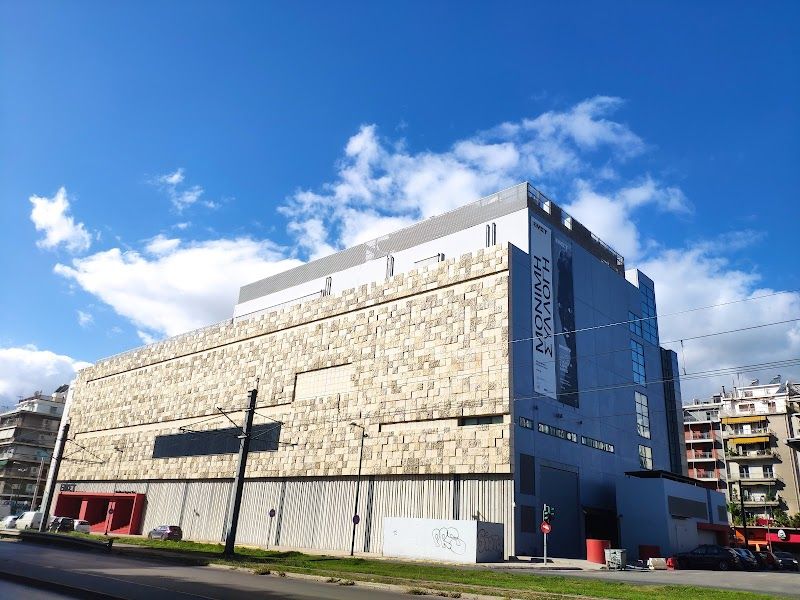
EMST occupies the massive former Fix brewery, a brutalist concrete behemoth that's as much a draw as the art inside. You'll find works by Greek heavyweights like Jannis Kounellis alongside international names, with a strong focus on conceptual and video art from the 1960s onward. The permanent collection rotates regularly, so you might encounter anything from political installations to experimental photography spread across multiple floors of raw industrial space. The experience feels like exploring a concrete cathedral of contemporary art. Those soaring brewery halls create an almost overwhelming sense of scale, especially when filled with large installations or video projections. The building's industrial bones are left exposed: concrete pillars, metal fixtures, and original brewery infrastructure frame the artwork. It's deliberately stark, which works brilliantly for some pieces but can make others feel lost in the vastness. Most guides won't tell you that half the museum is often closed for exhibition changes or installations in progress. The signage can be confusing, and you'll waste time wandering empty corridors if you don't ask at reception which sections are actually open. Skip the ground floor shop (overpriced art books) and head straight to the upper levels where the best pieces usually live. Entry costs €8 but remember those free Thursday evenings from 6pm to 10pm.

2-3 hoursExplore
Astir Beach
Beach

Astir Beach

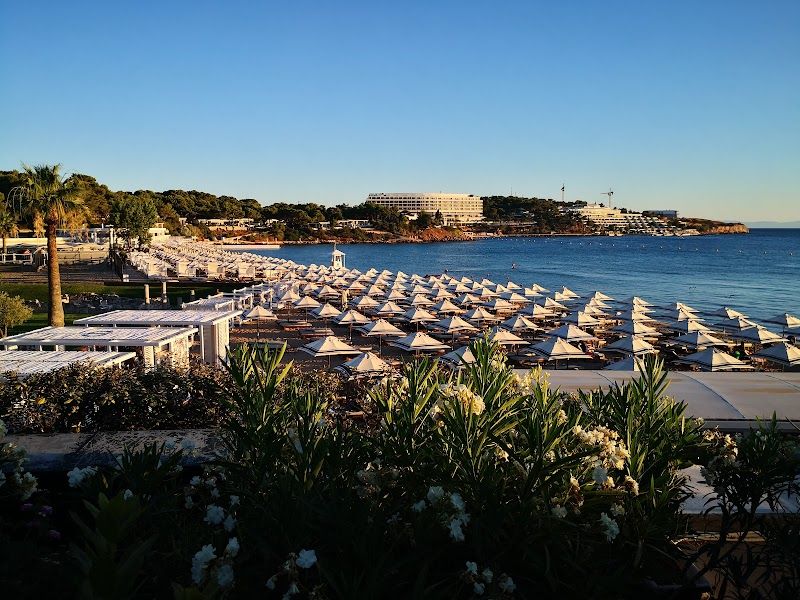
Astir Beach sits in a protected bay on the Athens Riviera, offering the kind of manicured beach experience you'd expect from a private club. You're paying EUR 8-15 for entry (weekends cost more), but you get pristine sand, quality sunbeds, attentive umbrella service, and water that stays remarkably calm thanks to the natural breakwater. The beach bar serves decent cocktails and overpriced salads, while the changing rooms and showers actually work properly. The atmosphere feels more Mykonos than mainland Greece, with well-heeled Athenians treating this as their summer living room. You'll find families with young kids in the morning, couples claiming prime spots by noon, and a younger crowd rolling in after work. The sand gets raked daily, the staff replaces towels without being asked, and the water stays clean because there's actual crowd control. Everything runs smoothly in that effortless way that only happens when you're paying for it. Most beach guides won't mention that Astir gets painfully crowded between 11am and 4pm on weekends, when the entry fee jumps to EUR 15 and you're still fighting for space. The smart play is arriving early or coming after 5pm when prices drop to EUR 8 and half the crowd disappears. Skip the overpriced food and bring snacks, but do try their freddo espresso. The free beaches nearby (Kavouri, Vouliagmeni Beach) offer similar water quality without the cost if you don't mind bringing your own chair.

3-5 hoursExplore
Pantopoleion
Shopping

Pantopoleion

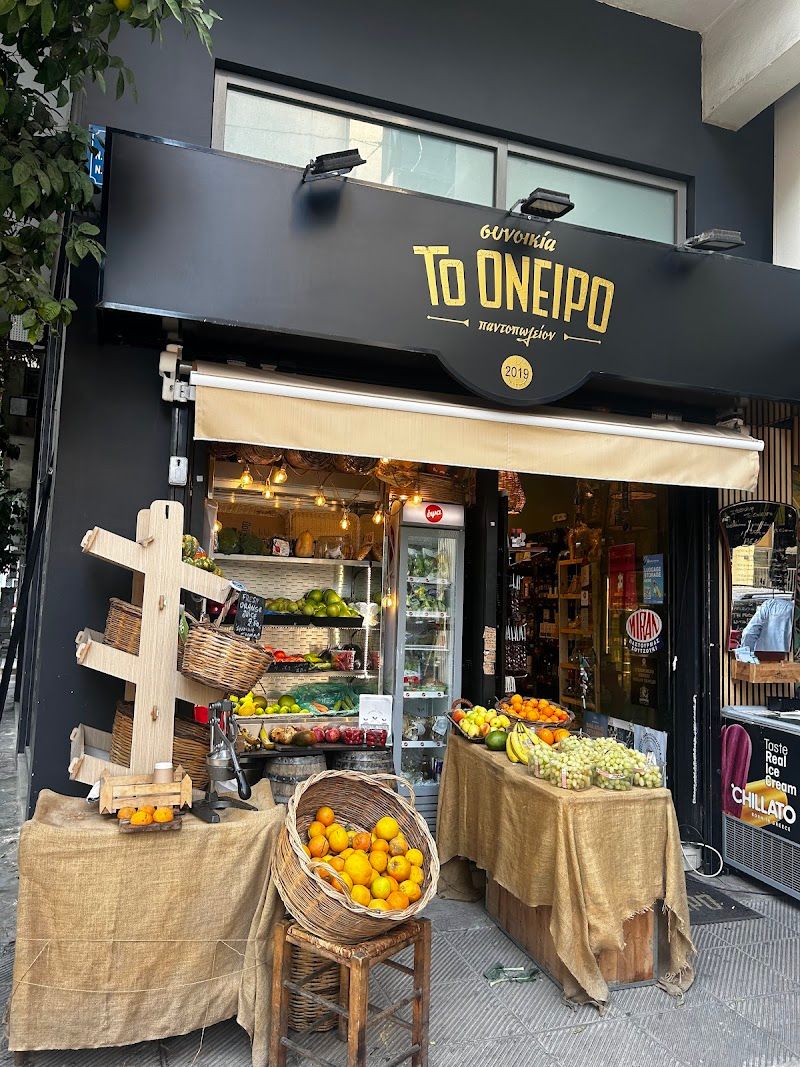
Pantopoleion stocks the kind of olive oil that makes you understand why Greeks are so passionate about the stuff. This isn't your average grocery store: owner Yannis sources directly from small family producers across Greece, creating what feels more like a curated olive oil library than a shop. You'll find over 30 varieties of extra virgin olive oil, from peppery Koroneiki from Laconia to buttery Manaki from Kalamata, plus mountain herbs, wild honey, and other artisanal products that most tourists never discover. The shop occupies a narrow storefront in Koukaki where bottles line wooden shelves from floor to ceiling, each labeled with detailed provenance information. Yannis or his staff will walk you through tastings, explaining how volcanic soil affects flavor or why harvest timing matters. The atmosphere feels intimate and educational rather than commercial: you're learning about terroir, not just buying condiments. The selection changes seasonally as new harvests arrive, making each visit slightly different. Most food shops in Athens cater to tourists with overpriced mediocrity, but Pantopoleion's prices are surprisingly fair for the quality: decent oils start around EUR 8, while exceptional single estate bottles top out at EUR 40. Skip the packaged herb mixes (you can find those anywhere) and focus on the oils and raw mountain honey. The staff genuinely wants to educate you, so don't rush: plan 30 minutes minimum if you want the full experience.

30 minutesExplore
Mythology Tours
Tour

Mythology Tours

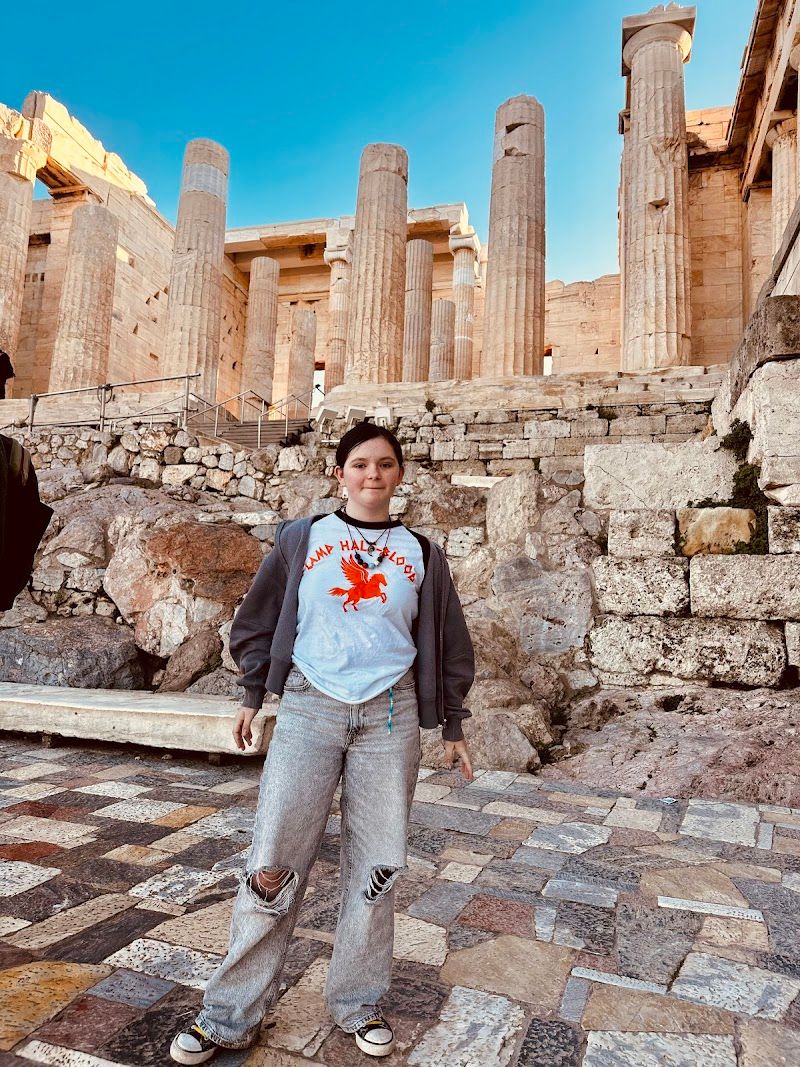
These mythology tours turn Athens' ancient sites into interactive storytelling experiences where costumed guides weave Greek myths directly into the archaeological locations where they supposedly happened. You'll visit spots like the Acropolis, Ancient Agora, and Temple of Olympian Zeus while actors dressed as gods, heroes, and mythical creatures act out the stories of Athena, Perseus, and Theseus. Kids solve riddles about the myths, craft laurel wreaths like Olympic victors, and learn how constellations got their names from Greek legends. The experience feels like stepping into a live history book where every marble column has a story. Your guide might transform into Athena at the Parthenon, explaining how she won Athens in a contest with Poseidon, then lead you to the exact spot where it allegedly happened. The energy stays high with constant audience participation: children shout answers to mythology questions, act out scenes as Greek heroes, and compete in mini challenges based on ancient tales. The mix of outdoor archaeological sites and indoor museum spaces keeps everyone engaged regardless of weather. Most family tours in Athens are either too academic or too dumbed down, but this one strikes the right balance. The 2.5 hour duration works perfectly since kids start losing interest around the 3 hour mark that most comprehensive tours demand. Skip the afternoon slots in summer since the archaeological sites become uncomfortably hot and the storytellers lose their energy. The morning tours have fresher guides and fewer crowds competing for attention at each site.

2.5 hoursExplore
More on Athens

From the blog

View all →
Ready for Athens?

Let DAIZ plan your Athens days

Tell us how long you've got and what you're into. We'll build a day-by-day plan, with the bookable bits ready to lock in.

Plan my Athens tripFree · no signup to start
Plan your Athens trip