Athens · Plaka & Monastiraki

Hadrian's Library

Hadrian's Library isn't your typical ancient ruin: it's a surprisingly intact glimpse into Roman intellectual life from 132 AD.
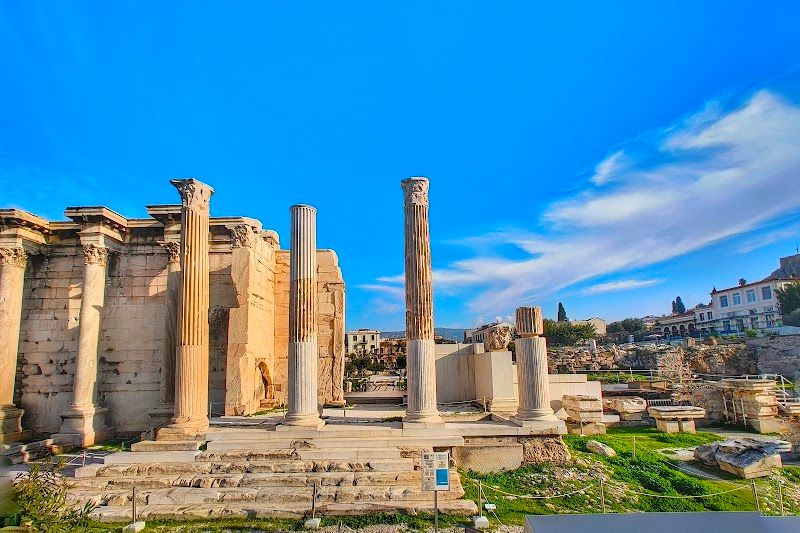
Hadrian's Library, Athens · Plaka & Monastiraki
Category
Museum
Duration
30 minutes
Best Time
Any time
Entry
Rating
4.4 (7,409)
The place

About Hadrian's Library

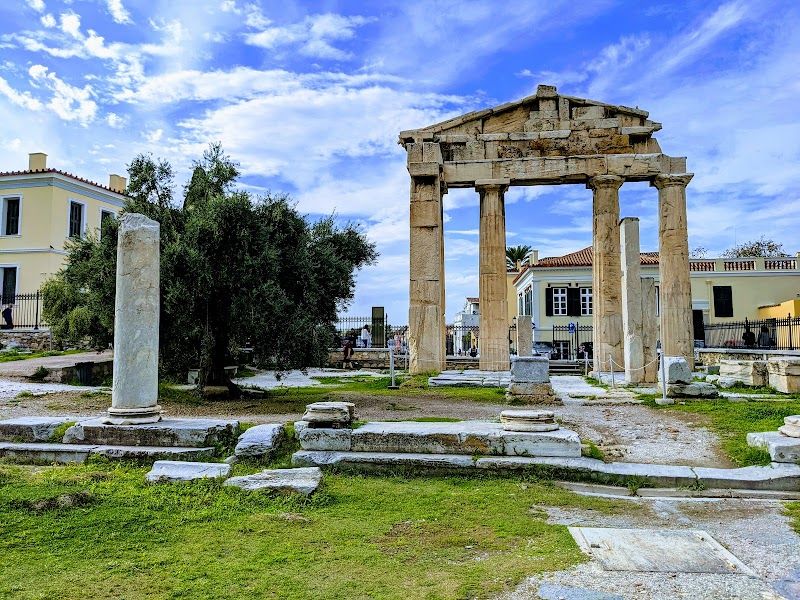
Hadrian's Library isn't your typical ancient ruin: it's a surprisingly intact glimpse into Roman intellectual life from 132 AD. You'll walk among towering Corinthian columns that once framed a massive courtyard where scholars debated philosophy and citizens browsed thousands of scrolls. The western facade still stands impressively tall, while beautiful floor mosaics peek through protective glass coverings. Inside the Roman foundations, you'll find the remains of a Byzantine church, creating this fascinating archaeological sandwich of civilizations.

The site feels intimate compared to the Acropolis crowds just blocks away. You enter through a small gate and immediately face those magnificent columns, their capitals still sharp after nearly 2,000 years. The layout becomes clear quickly: imagine the central courtyard filled with reading rooms, lecture halls, and gardens. The church ruins sit awkwardly in the southeast corner, its Christian stones repurposing pagan foundations. You can trace the original library's footprint along marked foundation stones.

Most guidebooks exaggerate the importance of visiting, but it's really best suited for archaeology enthusiasts and Roman history buffs. The €4 entry fee may seem steep for 30 minutes of wandering, especially since you get decent views through the fence. Skip it if you're rushed, but if you love imagining ancient daily life, those columns and mosaics deliver a genuine experience. The combination ticket with other Roman sites (€15) makes more sense than solo entry.

Get Ticketsvia GetYourGuide · prices may vary
Book ahead

Skip the Queue

Live availability and skip-the-line options from our booking partners.

Search on Viator →Search on GetYourGuide →

Booking powered by our partners. DAIZ may earn a commission.
The place

Getting there

Address
Κ, Areos 3, Τ, Athina 105 55, Greece
Neighborhood
Plaka & Monastiraki
View on Google Maps →
Good to know

Tips, answered

Enter from Areos Street rather than the Monastiraki side: you get the full impact of the columns as soon as you walk in

Most people rush through to check it off their list, but sit on the stone benches for five minutes and picture 1,000 Romans reading scrolls in this exact spot

The floor mosaics are easiest to photograph in late afternoon when the light hits them directly through the protective glass

Plan for about 30 minutes.

Hadrian's Library is in the Plaka & Monastiraki neighborhood of Athens. The address is Κ, Areos 3, Τ, Athina 105 55, Greece. The area is well-served by metro.

This works well at any time of day, though mornings tend to be quieter. Weekdays are less crowded than weekends.

Around the corner

Nearby in Plaka & Monastiraki

Explore all →
Ancient Agora of Athens
Landmark

Ancient Agora of Athens

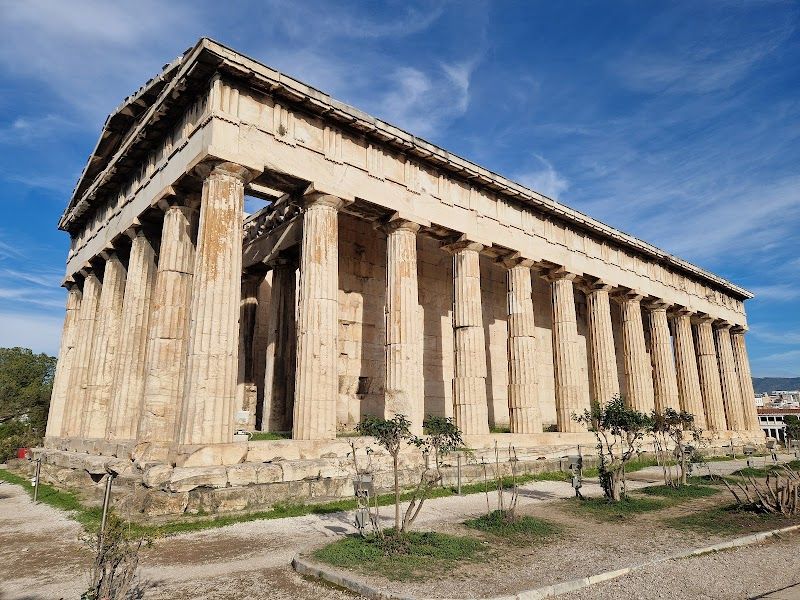
The Ancient Agora is where democracy was born and where Socrates taught his students. You'll find the best-preserved Greek temple anywhere (the Temple of Hephaestus), a fully reconstructed ancient shopping mall turned museum (the Stoa of Attalos), and the actual stones where Athenians cast their votes to ostracize politicians. The site sprawls across a tree-shaded area that feels more like a peaceful park than a tourist attraction. You enter through ancient ruins scattered across grassy areas, then climb to the Temple of Hephaestus, which sits perfectly intact on a hill overlooking everything. The Stoa of Attalos houses fascinating everyday objects: pottery shards used as ballots, ancient coins, and surgical instruments that show how Athenians actually lived. Unlike the Acropolis crowds, you can wander here quietly and actually read the signs without being pushed along. Most guides don't mention that this place delivers more than the overcrowded Acropolis for understanding ancient Athens. The €30 combo ticket (same as Acropolis) covers both sites, so you're essentially getting this for free. Skip the audio guide and use the free site map instead. The museum closes 30 minutes before the site, so hit the Stoa first if you arrive late.

1-1.5 hoursExplore
Roman Agora
Museum

Roman Agora

The Roman Agora sits like a forgotten theater set in modern Athens, where you can walk through the actual marketplace where Romans bought grain, oil, and gossip 2,000 years ago. The star here is the Tower of the Winds, an octagonal marble clocktower that's basically the world's first weather station. Each face shows a different wind god carved in relief, and if you look closely, you can still see the channels where water flowed through the ancient hydraulic clock mechanism. You'll enter through the impressive Gate of Athena Archegetis, its four Doric columns still standing proud after two millennia. The site feels intimate compared to the chaos of the nearby Ancient Agora. You can walk right up to the Tower of the Winds and circle it completely, studying each wind god's personality carved into the marble. The morning light hits the sundial markings perfectly, making the ancient timekeeping system suddenly clear. Most guides bundle this with other sites, but it deserves focused time. Skip the audio guide (€5) and just observe the tower's details yourself. The site connects to the Ancient Agora if you have a combo ticket, but honestly, seeing this first makes the larger agora feel overwhelming afterward. Entry costs €8, or it's included in the €30 multi-site ticket.

45 minutesExplore
Monastiraki Flea Market
Shopping

Monastiraki Flea Market

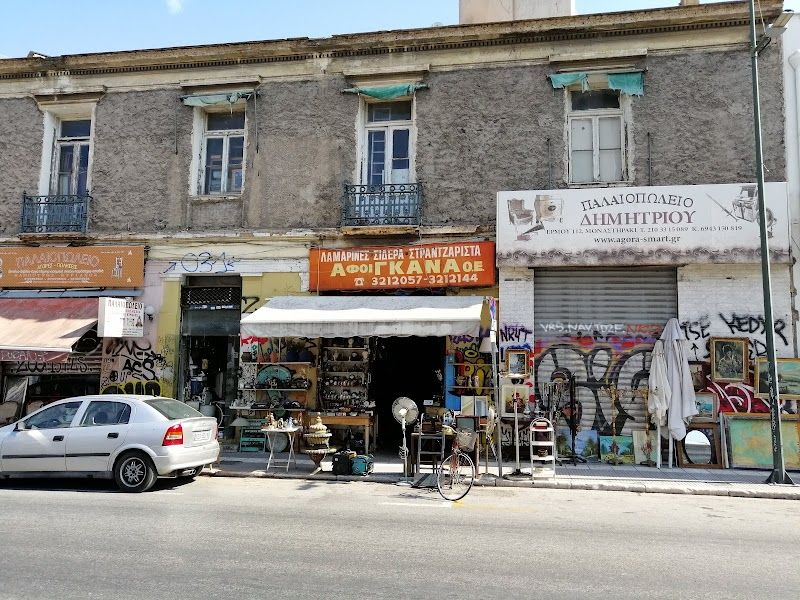
This sprawling open-air market has operated continuously since Ottoman times, spreading across Ifestou Street and the surrounding narrow alleys near Monastiraki Square. You'll find everything from genuine Byzantine icons (starting around EUR 30) to Soviet-era military medals, vintage vinyl records, and old Greek postcards. The real draws are the antique dealers who've been here for decades, selling authentic pieces like traditional Greek worry beads, old copper coffee pots, and hand-painted ceramics alongside plenty of tourist trinkets. Sunday mornings transform the area completely when dozens of additional vendors set up temporary stalls on every available corner. The atmosphere gets properly chaotic as locals and tourists squeeze through narrow passages between tables piled high with everything from old cameras to handmade jewelry. You'll hear rapid-fire Greek negotiations, the clink of coins, and vendors calling out prices. The permanent shops stay open most days, but Sunday brings the real energy and the widest selection. Most guidebooks oversell this as some treasure trove, but honestly, 70% is junk aimed at tourists. The genuine antiques are there, but you need patience and a good eye. Skip the obviously mass-produced "ancient" coins and focus on the established dealers who can tell you real stories about their pieces. Bring cash for negotiating, expect to pay around EUR 50-150 for quality vintage items, and don't bother coming on weekdays when half the stalls are closed.

2 hoursExplore
Temple of Hephaestus
Cultural Site

Temple of Hephaestus

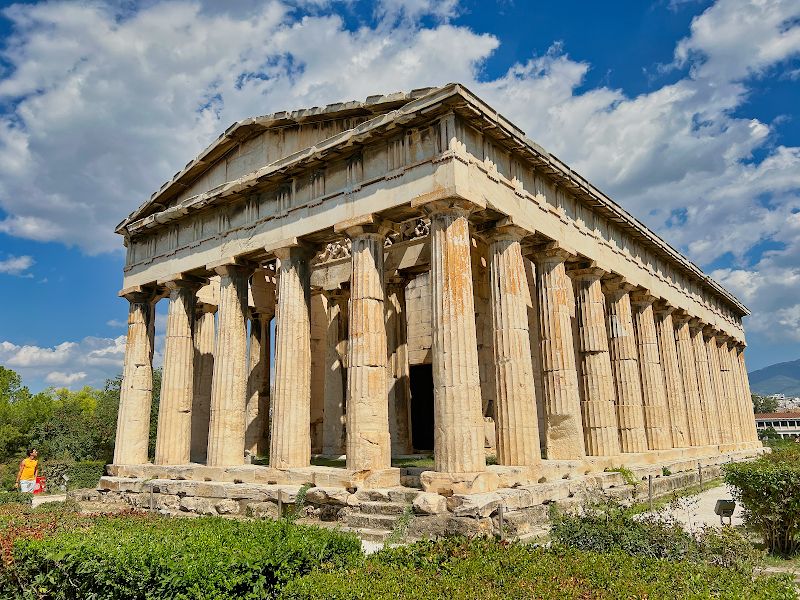
The Temple of Hephaestus is genuinely the best preserved ancient Greek temple you'll find anywhere, and that's not tourism hype. Built around 450 BC, it still has its original roof, all 34 Doric columns intact, and detailed sculptural friezes showing Heracles' labors that you can actually make out. The temple survived because early Christians converted it to a church in the 7th century, accidentally preserving what would have otherwise crumbled like most ancient buildings. You'll climb a gentle hill through the Ancient Agora to reach it, passing olive trees and excavated ruins below. The temple sits in a peaceful garden setting with pomegranate trees providing shade, and the views over the sprawling agora excavations are spectacular. Inside, the proportions feel surprisingly intimate rather than overwhelming, and you can walk completely around the exterior to examine the different sculptural scenes. The afternoon light hits the honey colored marble beautifully. Most people rush through in 10 minutes, but you're missing the point if you don't sit and absorb the setting for at least 20 minutes. Entry costs 10 EUR as part of the Ancient Agora ticket (no separate fee), making it excellent value. Skip the crowded Parthenon afternoon visits and come here instead, you'll have a more authentic ancient Greek experience with a fraction of the tourists.

30 minutesExplore
Athens Walking Tours
Tour

Athens Walking Tours

These walking tours pair licensed archaeologists with small groups (max 20 people) for intimate explorations of the Acropolis and surrounding ancient sites. You'll cover the Parthenon, Erechtheion, Propylaea, and Theater of Dionysus while your guide explains construction techniques, mythology, and political intrigue that shaped classical Athens. The archaeologists bring artifacts to life with stories about Pericles' building program and the daily rituals that happened on this sacred rock. The experience starts at the south slope entrance where you'll skip the main ticket lines and begin climbing the marble steps worn smooth by millions of ancient pilgrims. Your guide uses visual aids and points out details most visitors miss: original paint traces on marble columns, ancient graffiti from Roman tourists, and precise engineering that keeps the Parthenon standing after 2,500 years. The pace is leisurely with plenty of photo stops, and the small group size means you can ask questions without shouting over crowds. Most tour companies use generic guides reading scripts, but these archaeologists actually worked on Acropolis restoration projects. Skip the afternoon tours (blazing hot, packed with cruise groups) and avoid the cheapest options at €25 that cram 40 people together. The €45 morning tours with licensed archaeologists are worth the premium. Book directly through their website to avoid €5 booking fees from third party sites.

2 hoursExplore
Ermou Street
Market

Ermou Street

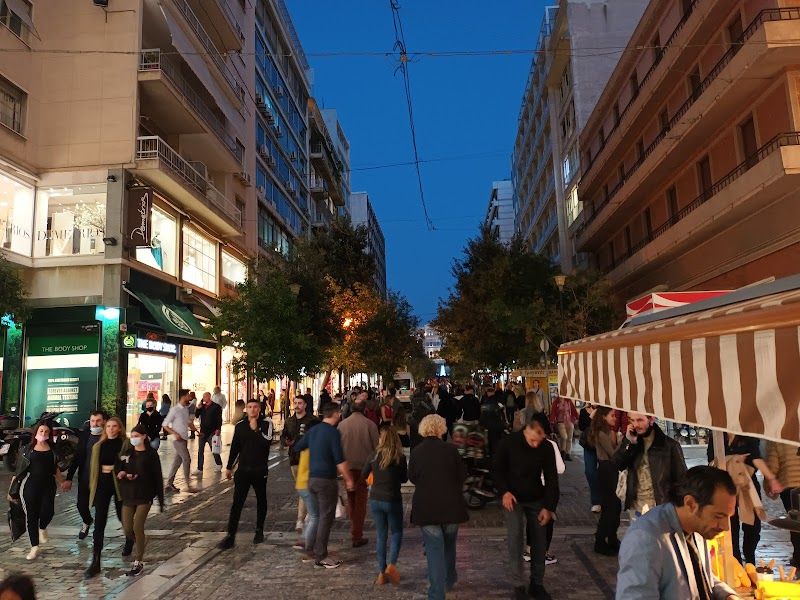
Ermou Street is Athens' main shopping pedestrian zone, a 1.5km stretch connecting Syntagma Square to Monastiraki that's part runway, part social theater. You'll find the usual suspects (Zara, H&M, Nike) mixed with Greek chains like Fokas and Attica department store, plus street musicians who range from exceptional to painfully amateur. The real surprise is the 11th century Panagia Kapnikarea church sitting right in the middle of the street, forcing shoppers to flow around this tiny Byzantine survivor like water around a stone. The experience varies wildly by timing. Weekday mornings feel almost civilized with locals grabbing coffee and window shopping. Weekend evenings turn into a proper Greek promenade where families dress up just to walk and see friends. You'll hear more English than Greek during peak tourist hours, but the energy stays distinctly Athenian. The church creates a natural gathering spot where people pause for photos or just to appreciate the architectural time warp. Most guides oversell this as a cultural experience when it's really just pleasant urban shopping. Prices here run 10-20% higher than elsewhere in Athens, so browse but buy elsewhere unless you need something specific. The real action happens in the side streets, particularly north toward Psyrri where independent designers sell clothes you won't find anywhere else. Skip the weekend afternoons when it's shoulder to shoulder crowds moving at glacial pace.

1-2 hoursExplore
More on Athens

From the blog

View all →
Ready for Athens?

Let DAIZ plan your Athens days

Tell us how long you've got and what you're into. We'll build a day-by-day plan, with the bookable bits ready to lock in.

Plan my Athens tripFree · no signup to start
Plan your Athens trip