Triberg sits at the geographic center of Germany's Black Forest, a small town of 4,700 people that has built its reputation on three pillars: the country's highest waterfalls, the world's most elaborate cuckoo clocks, and the claim to have invented Black Forest cake. This combination makes it both a legitimate natural attraction and an unabashed tourist trap - but one that delivers on its promises if you know how to navigate it.
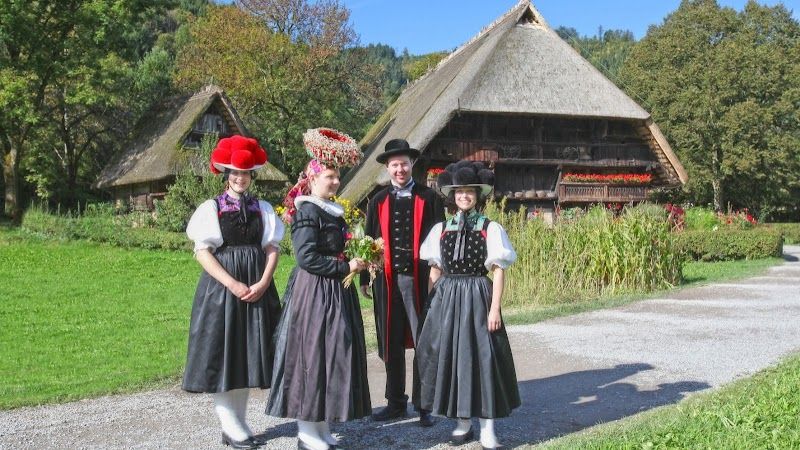
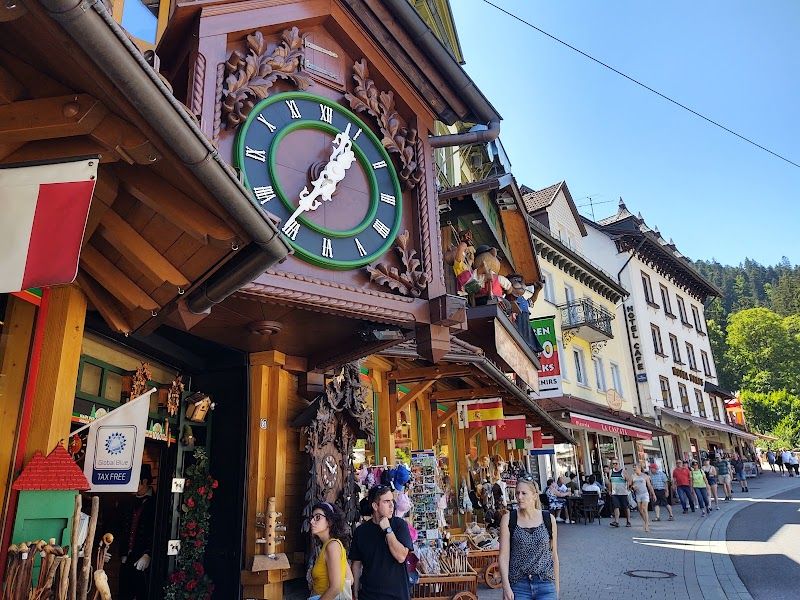
The town stretches along a narrow valley at 700 meters elevation, with the main Hauptstrasse lined with clock shops, cake cafes, and traditional guesthouses. Most visitors come for a day trip, but Triberg rewards those who stay longer with hiking trails, traditional restaurants, and a glimpse into Black Forest culture that goes deeper than the souvenir shops.
Why Visit Triberg: The Three Main Draws
Triberg's tourism industry centers on three attractions that have genuine merit. The Triberg Waterfalls drop 163 meters over seven cascades through a granite gorge - making them Germany's highest by cumulative drop. The water thunders through mixed forest that changes dramatically with the seasons: spring snowmelt creates the most powerful flow, while winter often freezes sections into ice sculptures.
The cuckoo clock tradition here isn't just marketing. Triberg and the surrounding valleys have been carving wooden clockwork since the 1730s, evolving from simple wooden mechanisms to elaborate mechanical theaters. The House of 1000 Clocks displays everything from pocket-sized timepieces to room-filling grandfather clocks, while working shops still handcraft mechanisms using traditional methods.
Black Forest cake originated here in the 1930s according to local claims (though this is disputed by other towns). What isn't disputed is that Triberg's version sets the standard: layers of chocolate sponge soaked with kirsch, whipped cream, and sour cherries, topped with chocolate shavings and whole cherries. The traditional serving includes a small glass of kirsch on the side.
Planning Your Triberg Itinerary: How Long You Need
Most tour buses allocate 2-3 hours to Triberg, which covers the waterfalls' lower section and a quick browse through the clock shops. This feels rushed and misses the best parts. Plan for a full day if you want to hike the complete waterfall trail, visit a working clock shop, and eat proper Black Forest cake without rushing.
A two-day itinerary works well for those who want to explore beyond the main attractions. Day one covers the waterfalls and town center, while day two can include the Vogtsbauernhof Open Air Museum in the Gutach valley or hiking trails in the surrounding forest.
Sample One-Day Triberg Schedule
9:00 AM - 11:30 AM: Start at the waterfalls early to avoid crowds. Take the Naturweg trail for the best views and fewer people than the paved Kulturweg.
11:30 AM - 12:30 PM: Browse the town center's cuckoo clock shops. Skip the obvious tourist traps and head to working shops where you can see craftsmen at work.
12:30 PM - 2:00 PM: Lunch at a traditional Gasthaus. The tourist restaurants along Hauptstrasse serve decent food but charge premium prices.
2:00 PM - 3:30 PM: Visit the Schwarzwaldmuseum Triberg for context on Black Forest culture and mechanical music demonstrations.
3:30 PM - 4:30 PM: Black Forest cake at one of the traditional cafes. Order it with filter coffee, not espresso.
4:30 PM - 6:00 PM: Walk the upper section of the waterfall trail if energy permits, or explore the forest paths around town.
The Triberg Waterfalls: Germany's Highest Worth Seeing
The waterfalls justify the EUR 8 adult entry fee (EUR 5 for kids 6-17). The cascade drops 163 meters total over seven distinct stages, with the water following granite channels carved over millennia. Three marked trails offer different experiences: the Kulturweg provides paved, stroller-accessible viewing of the lower cascades, while the Naturweg and Kaskadenweg climb higher through forest for better views and fewer crowds.
The Naturweg offers the best compromise between accessibility and scenery. This dirt trail climbs steadily but isn't technically difficult, reaching viewpoints of the upper cascades that most visitors never see. The complete loop takes 45-60 minutes for average hikers. Wear proper shoes - the trail can be muddy and slippery, especially after rain.
Timing matters significantly for the waterfall experience. Spring snowmelt (March-May) creates the most powerful flow and the loudest sound. Summer offers easier hiking and warm weather but less dramatic water flow. Winter can freeze sections of the falls into ice formations, creating a completely different but equally impressive sight.
The waterfall area also includes several traditional restaurants and the Schwarzwaldmuseum Triberg, making it easy to spend a full morning or afternoon in this part of town. KONUS guest card holders (available at most Black Forest hotels) enter the waterfalls free, making this one of the best value attractions in the region for hotel guests.
Cuckoo Clock Shopping: What to Buy and Where
Triberg's Hauptstrasse contains dozens of clock shops, but quality and authenticity vary dramatically. Many shops sell mass-produced clocks made elsewhere, while others maintain traditional workshops where craftsmen still hand-carve movements and cases. The key difference is whether clocks carry the "Black Forest Clock Association" certification mark, which guarantees traditional construction methods and regional origin.
For serious buyers, the working shops offer the best combination of authenticity and value. These establishments let you watch craftsmen at work and explain the mechanical differences between various clock types. Expect to pay EUR 200-500 for a quality mechanical cuckoo clock with traditional carved case and eight-day movement. Simpler one-day movements start around EUR 80-120.
The House of 1000 Clocks serves as both museum and shop, displaying historical pieces alongside contemporary works. Their collection includes clocks from the 1700s through modern artistic interpretations, providing context for understanding what makes each style significant. This stop helps distinguish between tourist souvenirs and genuine Black Forest clockwork.
For those wanting to see the world's largest cuckoo clock, drive 5 kilometers west to Schonach on the B500. The walk-in cuckoo clock costs EUR 2-3 to enter and demonstrates the cuckoo mechanism at 15 and 45 minutes past each hour. It's genuinely impressive in scale, though clearly built for tourism rather than timekeeping.
Black Forest Cake: The Original vs Tourist Versions
Triberg's cafes and restaurants all claim to serve "original" Black Forest cake, but quality ranges from excellent traditional preparations to disappointing tourist versions. The authentic Schwarzwalder Kirschtorte requires specific techniques: chocolate sponge layers soaked (not just sprinkled) with kirsch, fresh whipped cream (never artificial), and sour cherries from the Black Forest region.
Cafe Schaefer on Hauptstrasse 33 serves the most talked-about version at EUR 5-6 per slice, claiming to be the originator of the recipe. Their cake meets traditional standards and comes with a small glass of kirsch, but expect crowds from tour buses between 11 AM and 2 PM. The quality justifies the price and reputation, though the setting feels more like a tourist attraction than a neighborhood cafe.
For a more authentic atmosphere, try the traditional Gasthäuser outside the main tourist zone. These family-run restaurants serve Black Forest cake as dessert rather than the main event, often with recipes passed down through generations. The Black Forest Cake Trail guide covers the best spots for both tourist-friendly and local favorite versions.
Traditional serving includes filter coffee, not espresso. German filter coffee pairs better with the cake's richness and reflects how locals have eaten this dessert for decades. Most cafes charge EUR 3-4 for filter coffee, EUR 3.50-4.50 for cappuccino or Milchkaffee.
Beyond the Main Attractions: Exploring Triberg's Surroundings
Triberg serves as a base for exploring the broader Black Forest region. The Gutach valley extends northwest along the B33 road, leading to the Vogtsbauernhof Open Air Museum after 8 kilometers. This museum displays 20 original Black Forest farmhouses, moved piece by piece from locations throughout the region. Entry costs EUR 12 for adults, EUR 6 for kids 6-17, with family tickets available for EUR 28.
The museum operates from late March through October, offering bread-baking demonstrations, traditional craft workshops, and seasonal events that show how Black Forest families lived over the past 400 years. Plan 3-4 hours for a complete visit, including time to watch the craftspeople working in period-appropriate workshops.
For active visitors, hiking trails radiate from Triberg into the surrounding forest. The Schonacher Rohrhardsberg offers panoramic views over the Black Forest from its 1,164-meter summit, accessible via a 4-kilometer trail from Schonach village. The hike takes 1.5-2 hours each way and provides genuine wilderness experience away from the tourist areas.
Where to Eat: Traditional Food Beyond Black Forest Cake
Triberg's restaurants divide into two categories: tourist-focused establishments along Hauptstrasse that serve decent but expensive food, and traditional Gasthäuser that offer authentic Black Forest cuisine at better prices. The tourist restaurants aren't bad - they just charge premium prices for standard German fare.
Traditional Black Forest cooking emphasizes game, trout, and hearty preparations suited to mountain weather. Schwarzwaldforelle (Black Forest trout) appears on most menus at EUR 18-24, usually served with almonds and local vegetables. Maultaschen (Swabian ravioli) costs EUR 12-16 and provides a filling lunch option. Flammkuchen (thin-crust pizza with crème fraîche, onions, and bacon) runs EUR 10-14.
Restaurant Pfaff near the waterfalls serves reliable traditional food in a setting that feels authentic rather than touristy. Their lunch plates run EUR 12-18, with portions sized for hikers and outdoor workers rather than light eaters. The restaurant's location makes it convenient for combining with waterfall visits.
For budget-conscious visitors, Imbiss zur Linde offers simple prepared foods and sandwiches at lower prices than the sit-down restaurants. Their Bratwurst and bread combinations cost around EUR 6-8 and provide enough fuel for hiking without the time commitment of a full restaurant meal.
Practical Information for Your Triberg Visit
Getting to Triberg
Triberg lies on the Schwarzwaldbahn railway line between Karlsruhe and Konstanz. Direct trains from Stuttgart take 1.5 hours, while connections from Frankfurt require 2.5-3 hours with one change. The train station sits at the bottom of town, with the waterfalls and main attractions a 10-minute uphill walk.
Driving offers more flexibility for exploring the surrounding area. The B33 highway passes directly through Triberg, connecting to the A5 autobahn at Offenburg (45 minutes north) or continuing south toward Lake Constance. Parking costs EUR 2-4 per day in town center lots, with free parking available at the waterfall entrance.
When to Visit: Seasonal Considerations
Each season offers different advantages for visiting Triberg. Spring (March-May) provides the most powerful waterfalls due to snowmelt, plus comfortable hiking weather and fewer crowds than summer. Wildflowers bloom in the forest during late April and May.
Summer brings warm weather hiking but also the largest crowds. July and August see tour buses throughout the day, making early morning or late afternoon visits preferable. The waterfalls run lower during dry summer periods.
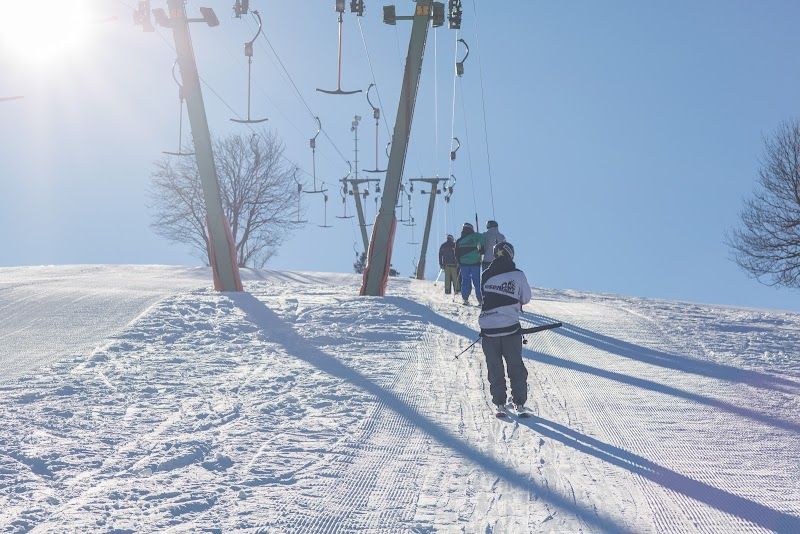
Winter transforms Triberg into a different destination entirely. Snow covers the forest trails, sections of the waterfalls freeze, and the town takes on a fairy-tale appearance that matches the cuckoo clock atmosphere. However, some restaurants and attractions reduce hours or close entirely. The winter guide covers cold-weather specific attractions and practicalities.
Where to Stay: Hotels vs Day Trips
Most visitors treat Triberg as a day trip, but staying overnight allows for a more relaxed pace and early morning access to attractions before crowds arrive. Traditional Gasthof hotels line Hauptstrasse, offering basic but comfortable rooms at EUR 60-90 per night. These family-run establishments often include breakfast and provide authentic Black Forest hospitality.
For families, staying overnight opens up different activities and allows children to experience the town's quieter evening atmosphere. Many hotels participate in the KONUS guest card program, providing free public transport and attraction discounts.
Budget Planning: What Triberg Actually Costs
Triberg isn't cheap, but costs remain reasonable compared to other German tourist destinations. Budget EUR 35-45 per person for a full day including waterfall entry, museum admission, lunch, and Black Forest cake. Add EUR 15-20 for cuckoo clock souvenirs or EUR 200+ for serious clock purchases.
| Item | Cost |
|---|---|
| Waterfall entry (adult) | EUR 8 |
| Waterfall entry (child 6-17) | EUR 5 |
| Schwarzwaldmuseum entry | EUR 6 |
| Traditional lunch | EUR 12-18 |
| Black Forest cake slice | EUR 5-6 |
| Filter coffee | EUR 3-4 |
| Basic cuckoo clock | EUR 80-120 |
| Quality mechanical clock | EUR 200-500 |
The KONUS guest card (free with hotel stays) provides waterfall entry at no charge, making overnight stays more economical than day trips for those planning to visit multiple attractions.
Making the Most of Your Triberg Travel
Triberg succeeds because it delivers on its three main promises without apology for its tourist-focused nature. The waterfalls genuinely rank among Germany's most impressive, the cuckoo clock tradition has real historical depth, and the Black Forest cake meets high standards when done properly. The key is knowing which shops and restaurants maintain quality standards versus those coasting on location alone.
Plan for a full day minimum, arrive early to beat crowds, and don't hesitate to venture beyond the main Hauptstrasse strip. The surrounding Black Forest offers hiking, traditional food, and cultural attractions that provide context for understanding why this small town became such a significant tourist destination. Whether you're seeking natural beauty, cultural traditions, or simply excellent cake, Triberg provides all three in a compact, walkable setting that makes planning straightforward and rewarding.