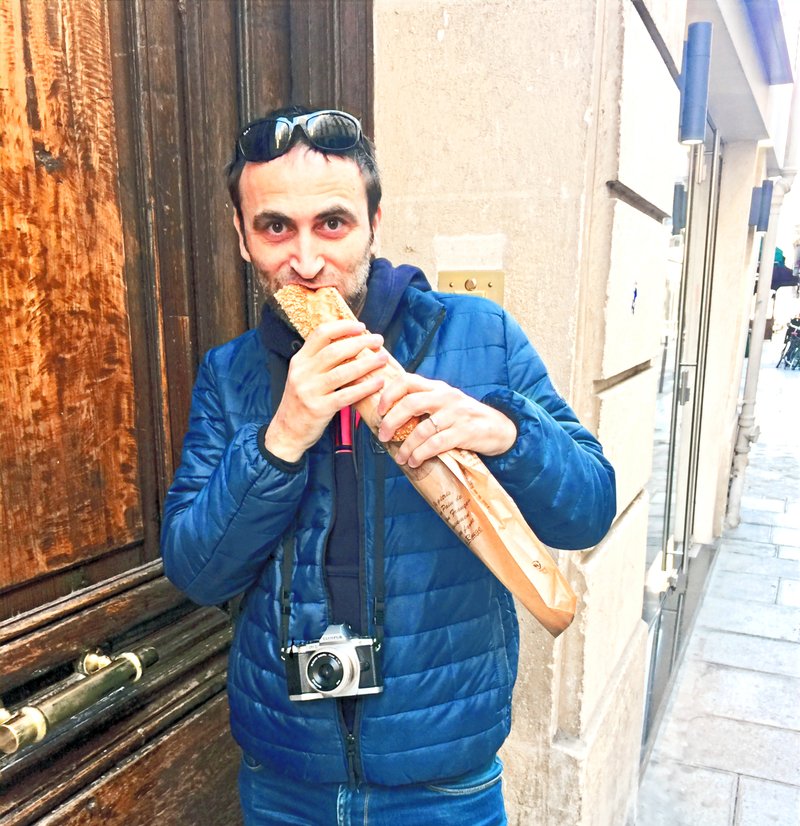
The best Porto tips by locals come from people who walk these cobblestones daily, not from guidebooks written by visitors. After talking to bartenders, shopkeepers, and longtime residents, the truth is clear: Porto's real treasures are tucked away from the Ribeira crowds, served at neighborhood tascas, and discovered through conversations with people who call this city home.
Portuguese locals protect their favorite spots fiercely, but they'll share them if you ask the right questions. The francesinha at tourist restaurants costs EUR 15 and tastes like disappointment. The one at the corner tasca where the construction workers eat lunch costs EUR 8 and will change your life. This is the difference between visiting Porto and understanding it.
Where Locals Actually Go for Breakfast
Portuguese residents don't eat breakfast at cafes with English menus and Instagram-worthy tiles. They stop at padarias (bakeries) on their way to work, order an espresso for EUR 0.8, and grab a pastel de nata for EUR 1. The best morning routine in Porto starts at Confeitaria do Bolhão on Rua Formosa, where locals line up at 7:30 AM for fresh pastéis straight from the oven.
Real locals skip the famous Majestic Cafe entirely. Yes, it's beautiful with its Art Nouveau interior, but you'll pay EUR 4 for coffee that costs EUR 1 elsewhere, and you'll wait 20 minutes for a table. Instead, head to Café Pessoa on Rua do Almada, where newspaper-reading regulars have claimed the same corner tables for decades. The owner, Carlos, knows everyone's order by heart and serves coffee in proper thick cups, not tourist-friendly mugs.
For the ultimate local breakfast experience, visit Mercado do Bolhão on Saturday morning. The market vendors eat at the small counter bar inside, ordering torrada mista (grilled ham and cheese) and bica (espresso) while conducting business in rapid Portuguese. Join them at the bar, point to what the person next to you is eating, and you'll pay EUR 3.5 for breakfast instead of EUR 12 at a tourist cafe.
Local Food Spots That Tourists Never Find
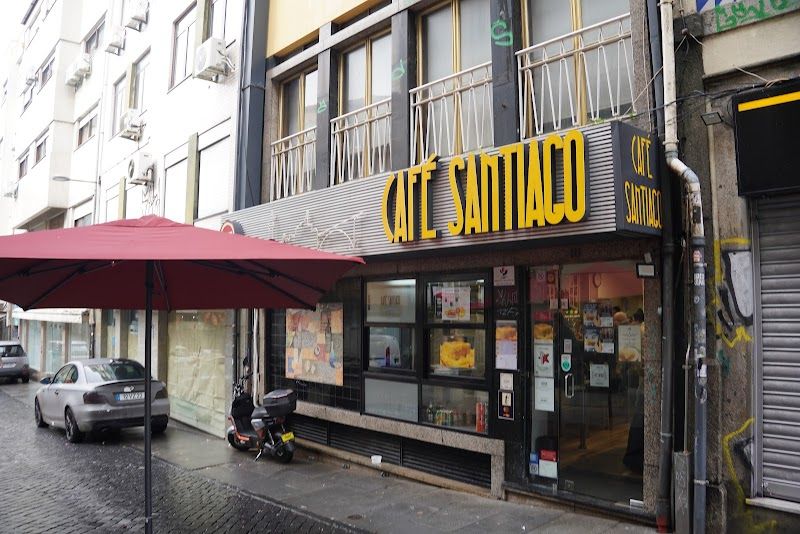
The most authentic francesinha in Porto isn't at Café Santiago, despite what every blog claims. Locals prefer Bufete Fase on Rua de Santa Catarina, a no-frills restaurant with fluorescent lighting and plastic chairs where the sandwich arrives drowning in secret-recipe sauce for EUR 9. The owner, Sr. António, has been perfecting his francesinha since 1987 and refuses to share the sauce ingredients with anyone, including his own son.
For seafood, locals drive 20 minutes to Matosinhos instead of eating at overpriced Ribeira restaurants. Take the metro's Blue Line (EUR 1.3) to Matosinhos Sul station, then walk to Rua Heróis de França. Every restaurant on this street serves the same fresh fish at half the price of downtown Porto. Order grilled dourada (sea bream) or robalo (sea bass) by weight, expect to pay EUR 15-20 per person, and watch the fishing boats unload their catch directly across the street.
The neighborhood secret for petiscos (Portuguese tapas) is Taberna Real do Fado on Rua do Vigário. This tiny place has eight tables, no reservations, and a menu written on a chalkboard. The owner sources ingredients from his family's farm in Minho, serves wine in unmarked bottles, and closes when the food runs out. Arrive before 7 PM or prepare to wait, but the wait is worth it for dishes you won't find anywhere else.
Transportation Secrets Locals Use
Portuguese residents treat the metro like a subway system, not a tourist attraction. Buy an Andante card at any station, load it with EUR 4.15 for unlimited daily travel, and use it on metro, buses, and trams. The Purple Line connects every neighborhood visitors care about: Airport to Campanhã to Trindade to Marquês, covering your entire Porto journey for less than a single taxi ride.
Locals never take taxis during rush hour (8-9 AM and 6-7 PM) because Porto's hills create traffic nightmares. Instead, they walk. The entire historic center spans less than 2 kilometers, and locals consider anything within the city center a "short walk," even if it involves climbing 200 stone steps. Wear comfortable shoes and embrace the inclines - your legs will adapt, and your wallet will thank you.
For airport transfers, locals take the Violet Line metro for EUR 2 instead of paying EUR 25-35 for taxis. The metro runs every 20 minutes from 6 AM to 1 AM, reaches downtown in 45 minutes, and connects directly to all other metro lines at Trindade station. Only tourists pay for airport taxis during daylight hours.
The historic Tram 1 along the river costs EUR 3.5 and takes 30 minutes to travel from Jardim do Morro to Passeio Alegre beach. Locals ride it on Sunday afternoons with their families, not as a sightseeing activity but as practical transportation to the coast. Board at Jardim do Morro for guaranteed seats and better views.
Authentic Porto Local Secrets for Evenings
Real fado happens at Taberna do Real Fado on Rua de São João, not at the tourist shows in Ribeira. This family-run restaurant serves dinner until 9 PM, then transforms into Porto's most authentic fado house. There's no admission charge, no minimum drink requirement, and no photography policy because it's not a show - it's a neighborhood tradition. The singers are local amateurs who perform for love of the music, not tips from tourists.
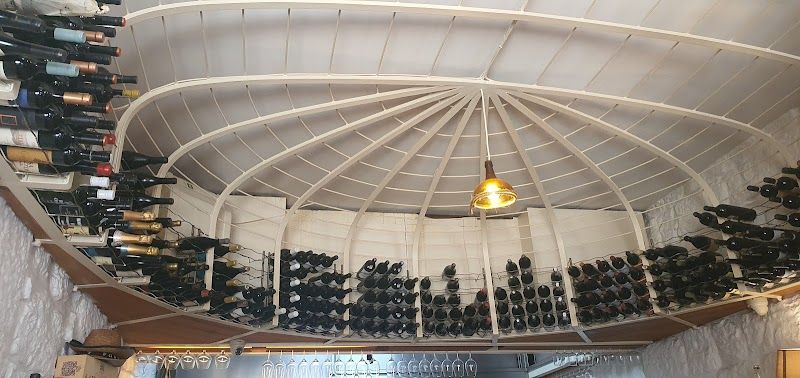
Locals drink at wine bars, not tourist pubs. Prova on Rua de Ferreira Borges serves wine by the glass from EUR 3, focuses exclusively on Portuguese regions, and stays open until 2 AM. The owner, João, worked as a sommelier in Lisbon for 15 years before returning to Porto to open his dream wine bar. He'll guide you through Portuguese wine regions most tourists never hear about, from Bairrada to Beiras to Vinhos Verdes.
For nightlife, Portuguese students and young locals congregate in the Cedofeita & Bolhao area around Rua Miguel Bombarda and Rua de Cedofeita. These streets transform after 10 PM into an outdoor party with bars spilling onto sidewalks, craft beer for EUR 2-3, and live music venues hosting local bands. It's grittier than Ribeira, cheaper than Aliados, and completely authentic.
Hidden Viewpoints Locals Frequent
Every tourist climbs Torre dos Clérigos for EUR 6 and fights crowds for photos. Locals prefer Jardins do Palácio de Cristal, a free park with multiple viewpoints, peacocks wandering the paths, and benches watching sunset over the Douro River. The best viewpoint sits at the park's western edge, overlooking the river and Vila Nova de Gaia wine cellars.
For the ultimate Porto panorama without paying admission, climb to Miradouro da Vitória near the cathedral. This small square offers the same river views as expensive hotel terraces, costs nothing, and rarely appears in guidebooks. Locals bring coffee from nearby cafes and watch the cruise ships navigate the Douro bend while planning their weekends.
The secret morning viewpoint is Jardim do Morro in Vila Nova de Gaia, directly across from Porto's historic center. Take the metro's Yellow Line to Jardim do Morro station, walk 100 meters uphill, and you'll find local dog walkers and joggers enjoying coffee with the city's best sunrise views. The light hits Porto's buildings perfectly between 8-9 AM, and you'll have the place mostly to yourself.
Shopping Like a Local
Portuguese residents shop at traditional markets, not souvenir stores. Mercado do Bolhão operates Tuesday through Saturday, selling fresh produce, regional specialties, and everyday items at local prices. Buy Portuguese olive oil for EUR 4-6 per bottle, aged cheese from northern regions for EUR 8-12 per kilogram, and canned seafood that locals actually eat, not tourist versions with inflated prices.
For clothing and household items, locals shop at Via Catarina, the shopping center connected to São Bento station. This mall contains Portuguese chain stores, reasonable prices, and practical items visitors need but can't find in tourist areas. The basement level supermarket stocks Portuguese wine, preserved foods, and regional specialties at supermarket prices, not boutique markups.
The best place for Portuguese ceramics isn't in tourist shops but at Rua de Miguel Bombarda's independent studios. Local artisans sell handmade pottery, tiles, and decorative items at fair prices, and they'll explain the difference between different ceramic traditions from Aveiro, Caldas da Rainha, and other Portuguese pottery centers.
Local Money-Saving Tricks
Portuguese locals eat the prato do dia (daily special) at neighborhood restaurants for EUR 7-12 instead of ordering from tourist menus. This set meal includes soup, main course, dessert, and coffee, represents the chef's best seasonal cooking, and fills you properly for half the price of à la carte dining. Ask "Qual é o prato do dia?" and point if your Portuguese needs work.
Free museum admission happens every Sunday morning at most municipal museums. Museu Nacional Soares dos Reis, Casa-Museu Guerra Junqueiro, and other city museums open their doors free until 2 PM on Sundays. Locals plan cultural activities around these free hours, combining museum visits with Sunday morning walks through historic neighborhoods.
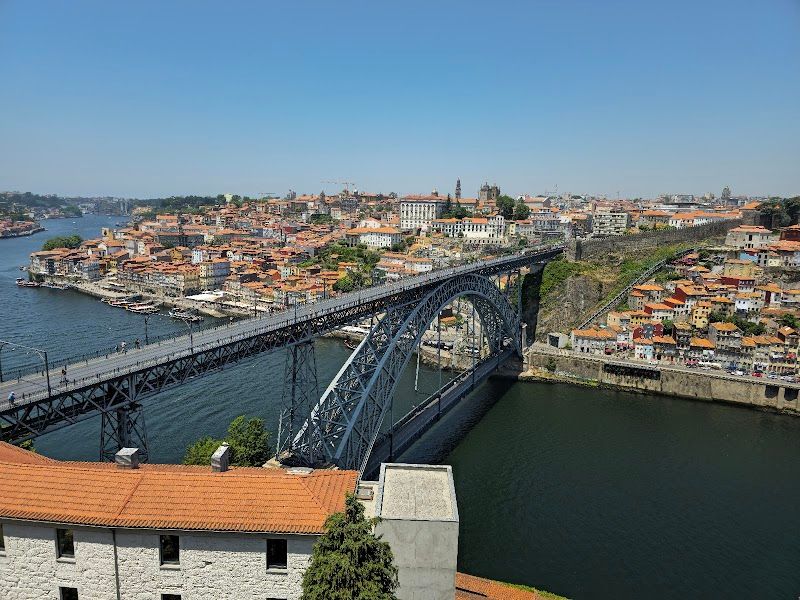
The Porto Card costs EUR 13 for one day or EUR 20 for two days, but locals recommend it only if you're visiting three or more paid attractions. Instead, focus on free activities: walking the UNESCO-listed Ribeira district, browsing São Bento station's tile panels, exploring Jardins do Palácio de Cristal, and watching sunset from the Dom Luís I bridge.
Seasonal Local Recommendations
Portuguese locals adapt their city routines to weather and seasons. During winter months (December-February), locals spend evenings in wine bars and traditional restaurants instead of outdoor terraces. They dress in layers, always carry umbrellas, and embrace the cozy atmosphere of small, family-run establishments with stone walls and warm lighting.
Summer brings different patterns. Locals wake early to explore before tourist crowds arrive, take afternoon breaks during peak heat, and extend evenings well past midnight. They frequent riverside restaurants in Vila Nova de Gaia, take weekend trips to nearby beaches via metro, and eat lighter meals featuring fresh seafood and regional salads.
Spring and autumn represent peak local activity periods. Weather stays mild, tourist crowds remain manageable, and locals reclaim their favorite outdoor spaces. These seasons offer the best opportunities to experience Porto as residents do: leisurely morning coffee, long walks through different neighborhoods, and evening meals that stretch for hours.
Building Connections with Locals
The Portuguese have a concept called "desenrascanço" - the art of solving problems creatively and helping others do the same. Ask locals for directions, restaurant recommendations, or transportation advice, and they'll often provide more help than requested. This cultural trait makes Porto particularly welcoming for travelers who engage authentically rather than demanding tourist services.
Learn basic Portuguese greetings: "Bom dia" (good morning), "Boa tarde" (good afternoon), and "Obrigado/a" (thank you). Portuguese locals appreciate any effort to speak their language, even poorly, and will respond with patience and additional help. They distinguish immediately between tourists who try to connect and those who expect English-only service.
The best local connections happen in neighborhood cafes, small restaurants, and traditional markets. Strike up conversations with shopkeepers, ask bartenders about Portuguese wine regions, or request cooking advice from restaurant owners. These interactions transform tourist experiences into genuine cultural exchanges, and locals often share recommendations they'd never give to casual visitors.
Porto reveals itself gradually to travelers who approach it with curiosity rather than checklist tourism. The city's real character lives in morning conversations with coffee shop owners, evening fado sessions in family restaurants, and quiet moments in neighborhood squares where locals gather to discuss daily life. These porto insider tips from Portuguese residents offer a foundation, but the best discoveries come from your own conversations and willingness to wander beyond guidebook boundaries.