Porto restaurant culture operates by rules that guidebooks rarely mention. The city that invented the francesinha and perfected port wine has dining customs that separate locals from tourists within minutes of sitting down. Understanding these unwritten codes transforms your meal from a standard tourist experience into something resembling actual Portuguese life.
These porto tips restaurant owners wish tourists knew will save you from ordering disasters, embarrassing service interactions, and the kind of inflated bills that come from eating in the wrong places at the wrong times.
Essential Porto Restaurant Etiquette That Actually Matters
The Bread and Couvert Situation
Every table in Porto gets bread, olives, cheese, and sometimes chouriço placed in front of you before you order. This is couvert, and it costs EUR 3-8 depending on the restaurant. Tourists assume it's free and get angry at the bill. Locals know the score: if you eat it, you pay for it. If you don't want it, push it to the side or tell the server "não queremos couvert."
The bread quality tells you everything about the restaurant. Fresh, warm bread from a good bakery indicates the kitchen cares about ingredients. Stale supermarket rolls mean you should probably leave.
Meal Timing That Matches Local Rhythms
Porto dining schedules follow Portuguese rhythms, not international tourist expectations. Lunch runs from 12:30 to 15:00, with most locals eating around 13:30. Dinner starts at 19:30 and peaks around 21:00. Restaurants that open for dinner at 18:00 are targeting tourists, and the food quality usually reflects this compromise.
Many traditional tascas (neighborhood restaurants) close between 15:00 and 19:00. Don't expect to get a full meal at 16:30 unless you're near Mercado do Bolhão where food stalls operate continuously.
Service Style and Expectations
Portuguese restaurant service prioritizes efficiency over friendliness. Your server won't check on you every five minutes or provide detailed menu explanations unless asked. This isn't rudeness - it's respect for your dining experience. Signal when you need something rather than waiting for them to approach.
Tipping operates differently than most European cities. Round up to the nearest euro for coffee, add EUR 2-5 for lunch, and 5-10% for dinner only if service exceeded expectations. Over-tipping marks you as a tourist and actually makes servers uncomfortable.
Decoding Porto Restaurant Types and When to Use Them
Tascas: The Real Local Experience
Tascas are family-run restaurants serving traditional Portuguese food at prices that make economic sense for locals. They typically offer a "prato do dia" (daily plate) for EUR 7-12 that includes soup, main course, dessert, and coffee. The menu rarely translates to English, décor hasn't changed since 1980, and the owner's grandmother might still be cooking.
Look for tascas in Cedofeita & Bolhao neighborhood rather than the tourist-heavy Ribeira downtown area. Rua de Cedofeita and Rua Miguel Bombarda contain several excellent examples that locals frequent daily.
Marisqueiras: Seafood Specialists
Marisqueiras focus entirely on seafood and shellfish. They're usually more expensive than tascas but offer the freshest fish in the city. Most display their daily catch on ice at the entrance - this isn't just for show. Locals inspect the fish before sitting down, and you should too. Cloudy eyes, strong fishy smell, or slimy texture means find another restaurant.
Prices at marisqueiras vary wildly based on market rates. Grilled fish typically costs EUR 18-35 per plate, while shellfish platters can reach EUR 50-80. Always ask the price before ordering, especially for items listed as "preço variável" (variable price).
Churrasqueiras: The Meat Alternative
Churrasqueiras specialize in grilled meats, particularly chicken. They're casual, family-friendly, and serve massive portions at reasonable prices. A whole grilled chicken with fries and salad costs around EUR 12-15 and easily feeds two people. The quality depends entirely on their charcoal grilling technique - look for restaurants with visible grills and the smell of wood smoke.
Mastering the Francesinha: Porto's Signature Dish
When and Where to Order It
The francesinha is Porto's most famous dish, but locals don't eat it as frequently as tourists assume. It's a weekend lunch item, a late-night drinking food, or a cure for hangovers - not an elegant dinner choice. Ordering francesinha at 20:00 on a Tuesday immediately identifies you as a tourist.
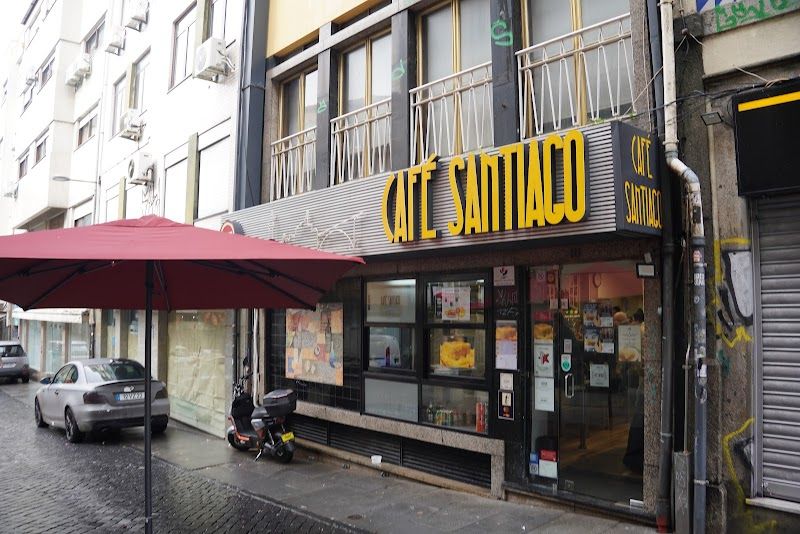
The best francesinhas come from specialized sandwich shops, not fancy restaurants. Café Santiago remains the gold standard, serving their version for EUR 8-10 since 1959. Other excellent options include Lado B Café on Rua Passos Manuel and Bufete Fase on Rua Santa Catarina.
Francesinha Variations and Ordering Tips
A traditional francesinha contains ham, linguiça, fresh sausage, steak, and melted cheese, covered in a spicy beer-and-tomato sauce. Variations include francesinha especial (with fried egg), francesinha poveira (from Póvoa do Varzim with different sauce), and vegetarian versions that locals consider an abomination.
Never ask for the sauce on the side - the sauce-soaked bread is essential to the dish's identity. Don't attempt to eat it with a knife and fork like a proper meal; locals attack it with both hands and accept the mess.
Francesinha Prices and Quality Indicators
Francesinhas range from EUR 8-15 depending on location and quality. Versions under EUR 6 use cheap ingredients and aren't worth eating. Versions over EUR 20 are tourist traps trading on location rather than quality. The sweet spot sits between EUR 8-12 at establishments that specialize in the dish.
Quality indicators include house-made sauce (never from a bottle), fresh bread that holds up to the sauce, and meat that doesn't taste like it came from a package. The cheese should melt completely but not separate into greasy pools.
Porto Wine Culture and Restaurant Pairing
Port Wine Drinking Etiquette
Port wine in Porto restaurants follows specific customs that differ from international wine service. Vintage port is never served with meals - it's a digestif enjoyed after dinner, usually with cheese or nuts. Tawny port works as an aperitif or with dessert. White port pairs with appetizers or serves as a summer refresher.
Don't order port wine by the bottle unless you're sharing with a large group. Restaurants serve it by the glass in proper portions: 50ml for tawny and ruby, 75ml for white port. A good restaurant offers at least three port options at different price points: a basic ruby (EUR 3-4), a 10-year tawny (EUR 5-6), and something special (EUR 8-12).
Vinho Verde: The Local Table Wine
Vinho verde (young wine) is Porto's actual dinner companion, not port wine. This slightly sparkling, low-alcohol wine pairs perfectly with seafood and light meals. Restaurants serve it chilled in small glasses, and it's acceptable to drink it throughout the meal.
Quality vinho verde costs EUR 3-5 per glass at restaurants, while tourist-trap versions run EUR 8-10 for the same thing. Ask for a recommendation from the Minho region rather than accepting whatever they pour first.
Beer Culture in Porto Restaurants
Porto locals drink more beer than wine with meals. An "imperial" (small draft beer) costs EUR 1.5-3.5 and pairs with everything from bifanas to grilled fish. Super Bock and Sagres dominate, though some restaurants offer craft options from local breweries.
Beer service follows Portuguese customs: servers bring it immediately upon ordering, it arrives very cold, and you're expected to finish it relatively quickly. Nursing one beer for an hour while occupying a table annoys restaurant staff.
Neighborhood-Specific Porto Dining Tips
Ribeira Downtown: Tourist Central with s
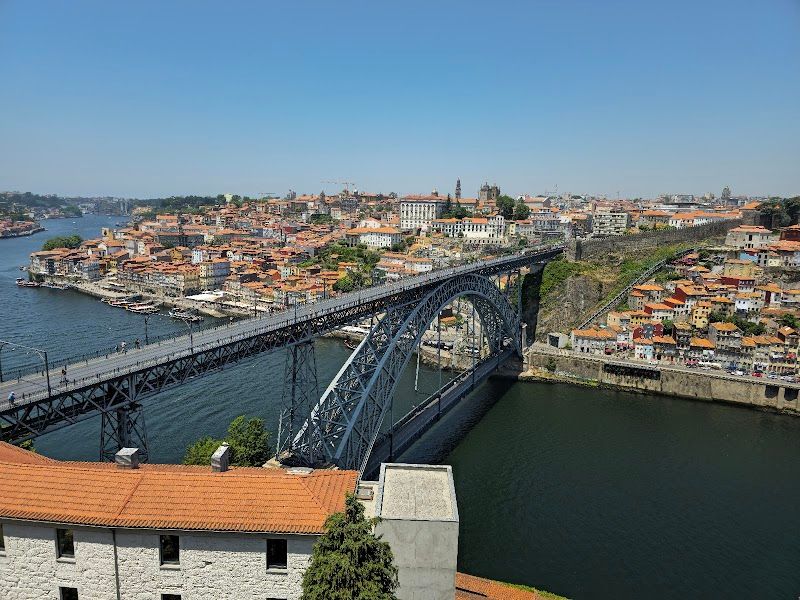
Ribeira downtown contains Porto's most photographed restaurants and its most overpriced tourist traps. The waterfront restaurants along Cais da Ribeira charge premium prices for mediocre food served to people who prioritize Instagram photos over flavor.
Better options hide in the streets above the river. Rua da Fonte Taurina and Travessa de Cedofeita contain traditional tascas that tourists rarely discover. These places serve the same dishes as the waterfront restaurants for half the price and twice the authenticity.
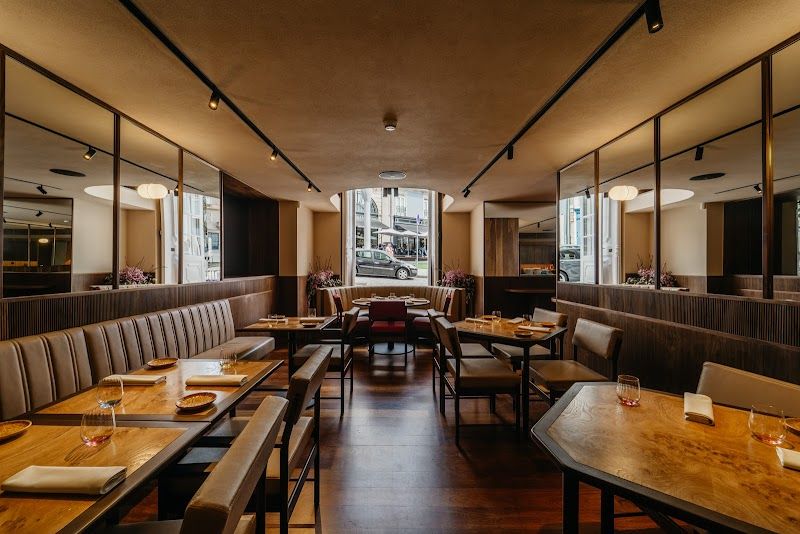
Restaurante Abadia do Porto represents the best of Ribeira dining: traditional Portuguese cuisine in a historic setting without inflated tourist pricing. Their daily specials change based on market availability, and the wine list focuses on regional producers.
Cedofeita & Bolhao: Local Dining Territory
Cedofeita & Bolhao neighborhoods contain Porto's most authentic dining experiences. This area caters to locals who eat out regularly rather than tourists seeking experiences. Prices reflect actual Portuguese income levels, and menus assume you understand Portuguese food culture.
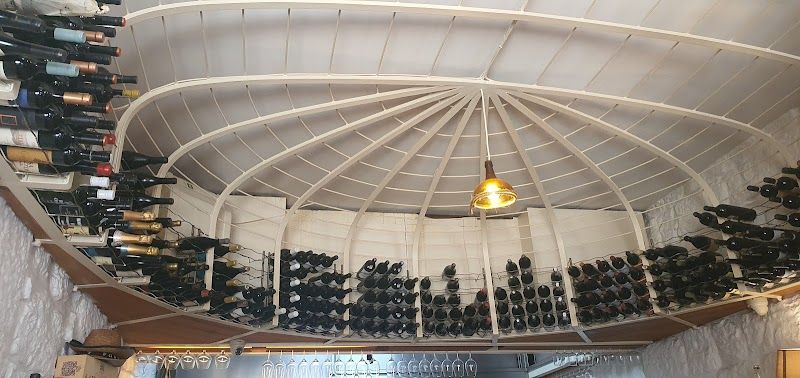
Rua de Miguel Bombarda particularly rewards exploration. Small family restaurants serve excellent daily specials for EUR 7-10, wine bars offer regional selections by the glass, and bakeries produce fresh bread twice daily. This is where you'll find the kind of neighborhood restaurant that locals consider their second dining room.
Vila Nova de Gaia: Beyond the Port Cellars
Vila Nova de Gaia is famous for port wine cellars, but the dining scene extends beyond tourist-focused cellar restaurants. The area around Santa Marinha and General Torres contains excellent seafood restaurants that specialize in fresh catches from the Atlantic.
Restaurants near the port cellars inevitably cater to wine tourists and price accordingly. Better value lies in the residential areas above the river, where locals eat at family-run establishments that have operated for decades. These restaurants often offer better food at lower prices than their tourist-focused counterparts.
Practical Porto Restaurant Navigation
Making Reservations and Walk-in Strategy
Most traditional tascas don't accept reservations - they operate on a first-come, first-served basis. Arrive early (12:30 for lunch, 19:30 for dinner) or expect to wait. Higher-end restaurants require reservations, especially on weekends.
Call directly rather than using online booking systems when possible. Many family-run restaurants don't participate in reservation platforms but will accommodate phone requests. Basic Portuguese helps: "Boa tarde, queria reservar uma mesa para hoje à noite" (Good afternoon, I'd like to reserve a table for tonight).
Payment Methods and Bill Splitting
Most Porto restaurants accept cards, but small tascas might be cash-only. Always carry EUR 20-30 in cash for unexpected situations. Bill splitting (conta separada) is common and accepted, but inform your server at the beginning of the meal rather than surprising them during payment.
Service charges aren't automatically added to bills, unlike some European cities. The total on your receipt is what you pay, plus any tip you choose to add.
Language Barriers and Menu Navigation
Many traditional restaurants don't offer English menus or English-speaking staff. This isn't a problem if you understand basic Portuguese food terms. "Bacalhau" means cod, "frango" is chicken, "porco" is pork, and "peixe" covers general fish dishes.
Download a photo translation app for complex menus, but don't rely entirely on technology. Pointing at other tables and saying "isso, por favor" (that one, please) works surprisingly well and often leads to better recommendations than struggling through menu descriptions.
Common Porto Restaurant Mistakes That Mark You as a Tourist
Ordering Errors That Locals Never Make
Tourists consistently over-order in Porto restaurants. Portuguese portions are generous, and traditional meals include multiple courses. Ordering an appetizer, main course, and dessert per person often results in wasted food and inflated bills. Share appetizers and skip dessert unless you're genuinely hungry - most locals finish with coffee and perhaps a small digestif.
Another common mistake: ordering the same dish as your dining companion. Portuguese dining culture emphasizes sharing and trying different items. Order complementary dishes and share tastes rather than each getting identical plates.
Service Expectations and Cultural Misunderstandings
Americans and British tourists often misinterpret Portuguese service style as rude or inattentive. Portuguese servers provide efficient service but don't hover or interrupt conversations with frequent check-ins. This is considered respectful, not neglectful.
Don't snap your fingers, wave frantically, or raise your voice to get attention. Make eye contact with your server and raise your hand slightly. Portuguese restaurant culture values quiet dignity over dramatic gestures.
Tourist Menu Traps and How to Avoid Them
Restaurants in tourist areas often offer "tourist menus" with fixed prices that seem like good deals. These menus typically feature mediocre versions of Portuguese classics prepared in advance and reheated. Quality restaurants don't need to advertise "authentic Portuguese cuisine" because their clientele already knows what they serve.
Avoid restaurants with:
- Multilingual menus featuring cuisine from multiple countries
- Staff standing outside trying to convince you to enter
- Photos of food on the menu (quality speaks for itself)
- Prices significantly higher or lower than surrounding establishments
- No local customers during typical meal times
Instead, look for restaurants where locals eat, even if the menu requires translation apps and pointing at neighboring tables.
Porto's restaurant scene rewards visitors who respect local customs and seek authentic experiences over convenient tourist services. Understanding these cultural codes transforms dining from a necessity into an education in Portuguese hospitality, flavor, and the kind of genuine local culture that makes travel meaningful. The city's best meals happen when you stop trying to eat like a tourist and start eating like someone who belongs.