Porto neighborhoods each tell a different story, and choosing the right one shapes your entire visit. The historic Ribeira waterfront draws crowds to its UNESCO-listed buildings and riverside restaurants, while Vila Nova de Gaia across the river houses the port wine cellars that made the city famous. Away from the tourist circuit, Cedofeita offers authentic Portuguese neighborhood life, and the Clerigos area combines university energy with some of the city's best cafes.
Understanding porto neighborhoods before you arrive saves time and disappointment. Each area serves different travel styles, budgets, and interests. This guide breaks down what each neighborhood actually offers, who should stay there, and what you'll pay for accommodation and meals.
Ribeira & Downtown: Historic Heart with Tourist Trade-offs
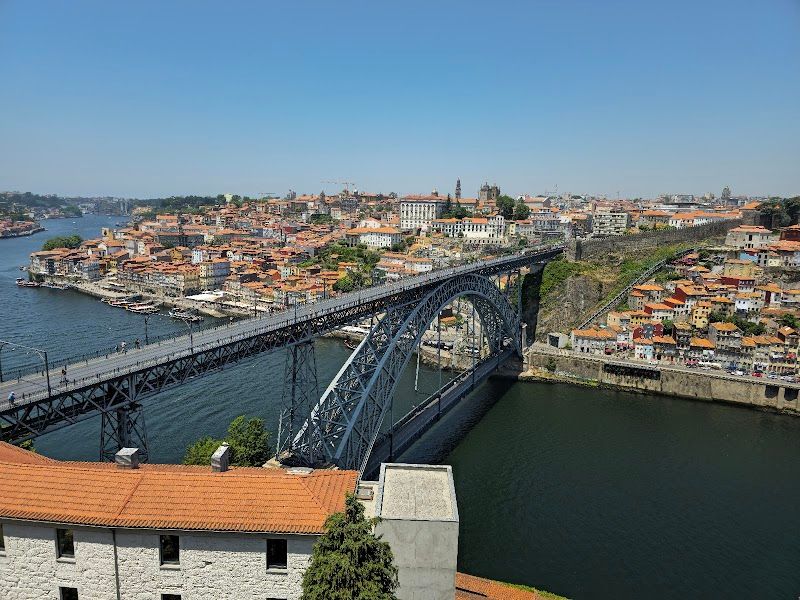
Ribeira sits at the bottom of Porto's hillside, directly on the Douro River, and represents everything people picture when they think of Portuguese charm. The terracotta roofs climb the granite hillside in photogenic layers, connected by staircases steep enough to count as cardio. This is where Dom Luis I Bridge spans the river, where the Sao Bento Railway Station displays 20,000 azulejo tiles, and where tour groups gather for photos.
What makes Ribeira special: The neighborhood earned its UNESCO World Heritage status legitimately. Medieval streets wind between buildings that date to the 12th century, many now converted to restaurants and shops. The riverside promenade offers unobstructed views across to Vila Nova de Gaia's port wine cellars. Walking from Ribeira to any other part of central Porto takes 15-20 minutes maximum.
The reality of staying in Ribeira: This area attracts heavy tourist traffic, especially April through October. Riverside restaurants charge EUR 15-25 for basic Portuguese dishes that cost EUR 8-12 elsewhere in the city. Many establishments prioritize quick turnover over quality. The cobblestone streets create noise that echoes between buildings, and the steepest parts can be challenging with luggage.
Best Ribeira experiences: Palácio da Bolsa offers guided tours (EUR 11) of its 19th-century trading rooms, including the Arab Room with Moorish-inspired decoration. Evening river cruises depart from Cais da Ribeira dock, though the 1-hour trips cost EUR 15-20 and cover limited distance. The Ideal Clube de Fado provides authentic fado performances most nights, with shows starting around 21:30.
Accommodation costs in Ribeira: Budget hotels in converted historic buildings run EUR 40-70 for double rooms, though many lack elevators and air conditioning. Mid-range options with river views cost EUR 80-150, while boutique hotels in restored 18th-century buildings charge EUR 120-200. Book well ahead for weekend stays, as rooms fill quickly.
Who should stay in Ribeira: First-time visitors who prioritize convenience over authenticity, travelers on short stays who want major sights within walking distance, and those who don't mind paying premium prices for prime location.
Vila Nova de Gaia: Port Wine Capital Across the River
Technically a separate city, Vila Nova de Gaia functions as Porto's wine district and offers the most distinctive neighborhood experience in the metropolitan area. The south bank of the Douro River houses over 50 port wine cellars, from multinational brands like Sandeman and Taylor's to family operations that have been aging wine in the same caves since the 1700s. The area transforms from quiet residential streets to wine tourism hub depending on which section you explore.
The port wine experience: Port wine tasting in Vila Nova de Gaia ranges from basic EUR 5 samples to comprehensive EUR 25 experiences with vintage selections. Sandeman offers reliable tours explaining the port-making process, while smaller cellars like Quinta do Noval provide more personal attention. Most cellars open at 10:00 and close by 18:00, with the last tours starting around 17:00.
Beyond wine cellars: The Cais de Gaia waterfront promenade extends for 2 kilometers along the river, offering the best views of Porto's skyline. Jardim do Morro sits at the top of the hill behind the cellars, providing panoramic views and peaceful gardens. The neighborhood also houses several contemporary cultural spaces, including Espaço Porto Cruz, which combines wine education with rotating art exhibitions.
Getting around Vila Nova de Gaia: The Dom Luis I Bridge connects Gaia to central Porto via both upper and lower decks. The upper deck carries the metro (EUR 1.3 single journey), while the lower deck is pedestrian-only. Local buses connect different parts of Gaia, though most wine cellars cluster within walking distance of the bridge.
Accommodation in Vila Nova de Gaia: Hotels here cost 20-30% less than equivalent properties in central Porto. Budget options start around EUR 35-60 for double rooms, while mid-range hotels with river views run EUR 60-120. The Yeatman luxury hotel represents the top end at EUR 300-500 per night, but most travelers find comfortable mid-range options.
Who should choose Vila Nova de Gaia: Wine enthusiasts who want immediate access to cellars, budget-conscious travelers willing to cross the river daily, visitors seeking quieter evenings away from central Porto's nightlife, and those who prioritize views of the city skyline.
Cedofeita & Bolhao: Local Life Away from Tourist Routes
Cedofeita and Bolhao represent the working heart of modern Porto, where locals shop, eat, and live their daily lives largely unaffected by tourism. These connected neighborhoods stretch north of the historic center, centered around the traditional Mercado do Bolhão market hall and extending to contemporary attractions like the Fundação de Serralves museum complex.
What defines these neighborhoods: Real Portuguese neighborhood life unfolds here. Local tascas serve prato do dia (daily specials) for EUR 7-12, grocers display fresh produce at market prices, and residents conduct their business in Portuguese rather than tourist English. The architecture mixes 19th-century bourgeois buildings with modern apartments, creating a lived-in atmosphere missing from more polished areas.
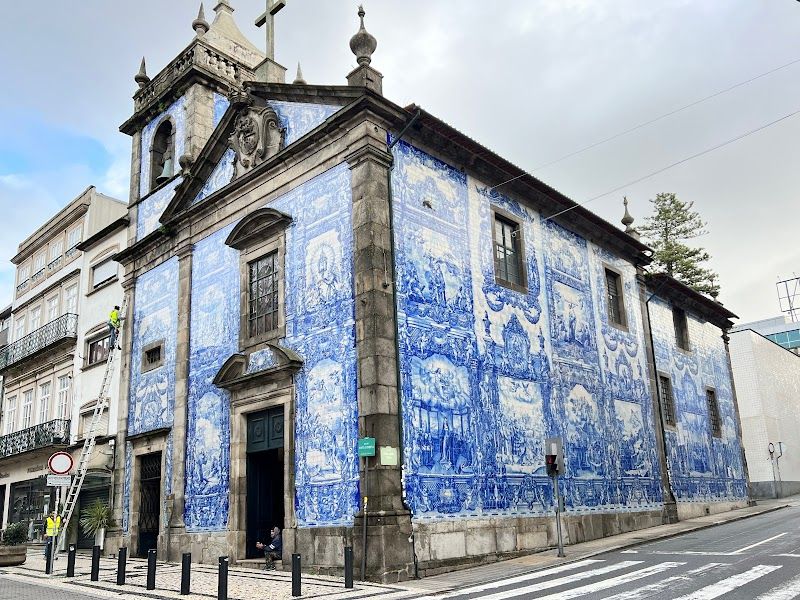
Cultural highlights: Serralves Museum (EUR 12 admission) houses Portugal's premier contemporary art collection in a striking Art Deco building surrounded by formal gardens. The museum requires 2-3 hours for a thorough visit and often features major international exhibitions. Capela das Almas displays 15,947 azulejo tiles covering its exterior walls, creating one of Porto's most photographed religious sites.
The Bolhao Market experience: The traditional market building underwent major renovation and reopened in 2022 with improved facilities while maintaining its authentic character. Local vendors sell fresh fish, vegetables, and prepared foods Tuesday through Saturday, 8:00-17:00. This provides the best opportunity to observe daily Portuguese commerce and purchase genuine local ingredients.
Dining in Cedofeita: Restaurants here cater to local tastes and budgets rather than tourist expectations. A full dinner with wine costs EUR 15-25 at neighborhood tascas, while upscale Portuguese cuisine runs EUR 30-45. The francesinha sandwich reaches peak quality at local spots like O Diplomata, where it costs EUR 9-12 compared to EUR 15-18 in tourist areas.
Transportation connections: The Bolhao metro station (Blue and Orange lines) connects these neighborhoods to the airport, city center, and coastal areas. The 24-hour Andante pass (EUR 4.15) covers unlimited metro and bus travel throughout the system.
Who thrives in Cedofeita & Bolhao: Travelers who want authentic Portuguese experiences, food enthusiasts seeking genuine local cuisine, art lovers who prioritize Serralves Museum, and visitors comfortable navigating a non-English environment.
Clerigos & University Area: Academic Energy Meets Historic Charm
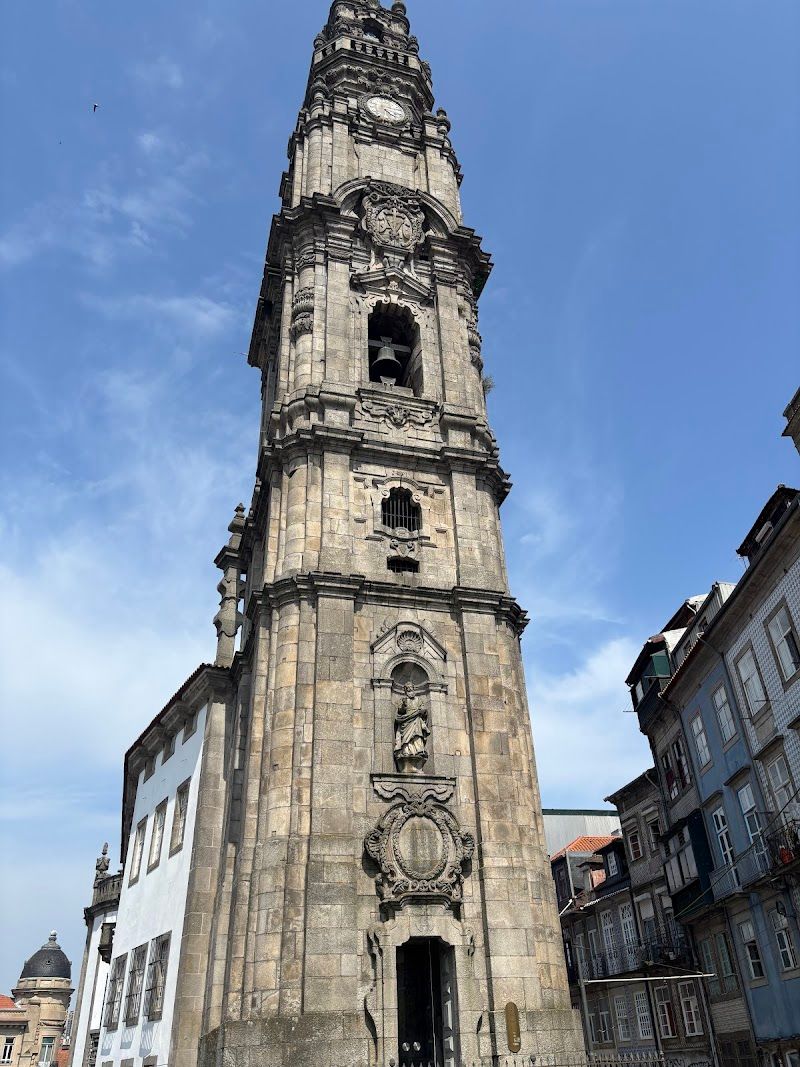
The hillside area around Clerigos Tower and the University of Porto combines academic energy with some of the city's most impressive architecture. This neighborhood sits above the historic center, providing elevated views while maintaining easy access to major attractions. The area attracts younger crowds, international students, and visitors drawn to its concentration of bookshops, cafes, and cultural sites.
The Clerigos Tower experience: The 240-step climb up the baroque tower (EUR 6 admission) provides panoramic city views, though the narrow spiral staircase creates bottlenecks during busy periods. Visit early morning or late afternoon to avoid crowds and capture better lighting for photos.
Literary and cafe culture: Livraria Lello draws crowds for its Neo-Gothic architecture and claimed connection to Harry Potter inspiration. The EUR 6 entrance fee (refundable with book purchase) controls access but doesn't eliminate crowds. Cafe Majestic represents Belle Époque elegance, though prices reflect its tourist status. For better value and authentic atmosphere, Zenith Brunch & Cocktails and Lado B Cafe serve students and locals.
Religious architecture: The neighborhood concentrates several significant churches within walking distance. Igreja de Santo Ildefonso displays 11,000 azulejo tiles on its facade, while Igreja do Carmo features elaborate baroque interior decoration. Both churches offer free admission and remain active places of worship.
University area dining: Cafe Santiago serves one of Porto's most respected francesinha sandwiches (EUR 10-13) in a no-frills environment favored by locals. Student-oriented restaurants offer generous portions at EUR 8-15 for complete meals, while trendy spots targeting international visitors charge EUR 20-30.
Accommodation near the university: This area offers the best balance of location, price, and local character for many travelers. Mid-range hotels cost EUR 70-130 for double rooms, while boutique options in converted academic buildings run EUR 100-180. Student-oriented hostels provide dorm beds from EUR 15-20.
Who should choose Clerigos & University: Culture enthusiasts who want proximity to bookshops and cafes, travelers seeking a balance between tourist attractions and local life, visitors who enjoy walking uphill daily, and those attracted to younger, international crowds.
Getting Around Porto Neighborhoods
Porto's compact size makes neighborhood-hopping straightforward, though the city's hillside geography affects travel times and effort. The metro system connects major neighborhoods efficiently, while walking remains the most flexible option for exploring within each area.
Metro connections: The system operates 6:00-1:00 daily (2:00 on Fridays and Saturdays) with trains every 4-7 minutes during peak hours. Single zone tickets cost EUR 1.3, while the 24-hour pass (EUR 4.15) covers unlimited travel. The Violet Line connects the airport to Trindade station in the city center (EUR 2, 30-minute journey).
Walking between neighborhoods: Ribeira to Clerigos requires 15-20 minutes of steep uphill walking. Cedofeita to downtown takes 20-25 minutes on mostly flat terrain. Vila Nova de Gaia connects to central Porto via the Dom Luis I Bridge (10-minute walk), though returning uphill to the Gaia wine cellars adds another 10 minutes.
Tram and bus options: The historic Tram 1 (EUR 3.5) runs along the river from downtown to the Foz district, passing through multiple neighborhoods. City buses fill gaps in metro coverage, particularly for reaching residential areas and parks.
Where to Stay Based on Your Porto Priorities
For first-time visitors (2-3 days): Ribeira & Downtown provides maximum convenience despite higher costs and crowds. Most major sights lie within 15 minutes' walk, and you can explore other neighborhoods during day trips.
For food and wine focus: Vila Nova de Gaia offers direct access to port wine cellars and better restaurant values, though you'll cross the river frequently for other activities. Check our Porto food guide for specific dining recommendations.
For authentic Portuguese experience: Cedofeita & Bolhao provides genuine local life with easy metro access to tourist attractions. This works best for travelers comfortable with minimal English and willing to explore independently.
For culture and cafe scene: Clerigos & University balances historic charm with contemporary energy, offering the best concentration of bookshops, cafes, and cultural sites.
For longer stays (1 week+): Consider splitting time between neighborhoods. Many travelers spend 3-4 nights in Ribeira for convenience, then move to Cedofeita or Gaia for a different perspective and better prices.
Porto neighborhoods reward visitors who choose based on genuine interests rather than generic recommendations. The city's small size allows you to experience multiple areas even from a single base, but understanding each neighborhood's character helps you make decisions that enhance rather than complicate your visit. Before finalizing accommodation, read our first-time Porto guide and detailed itinerary for additional context on how these neighborhoods fit into a complete Porto experience.