Porto's food scene operates on a simple principle: good ingredients prepared without fuss. This isn't Lisbon with its global influences or its Instagram-friendly presentations. Porto food is about feeding dock workers, university students, and families who have lived here for generations. The result is a city where you can eat better for EUR 15 than most places manage for EUR 50.
The porto food specialities revolve around three pillars: fresh Atlantic seafood, hearty meat dishes that sustained port workers, and wine that has been perfected over 300 years. You won't find molecular gastronomy or fusion experiments here. Instead, you get francesinha sandwiches that require both hands and a napkin strategy, bacalhau prepared 50 different ways, and pastéis de nata that locals queue for at 7 AM.
Essential Porto Food Specialities You Must Try
Francesinha: Porto's Legendary Sandwich
The francesinha isn't just a sandwich - it's a test of commitment. Layers of cured ham, fresh linguiça, and roast beef or steak, covered in melted cheese and doused in a spicy beer-based sauce. The best versions come with a fried egg on top and enough sauce to require a spoon.
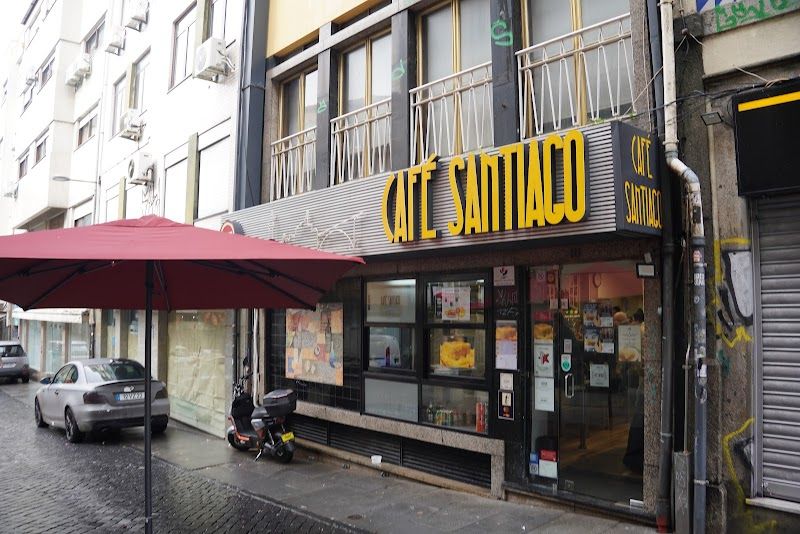
Café Santiago on Rua de Passos Manuel serves what many locals consider the definitive francesinha. EUR 8.50 gets you the classic version, and the sauce recipe has remained unchanged since 1946. The owner, António Santos, will tell you that tourists often ask for the sauce recipe - he's never given it out.
Café au Lait on Rua do Almada offers a slightly different take with a thicker sauce and extra cheese for EUR 9. The dining room fills with construction workers at lunch, which tells you everything about authenticity. Avoid the tourist-trap versions in Ribeira - they cost EUR 15 and taste like they were assembled by someone who has never eaten a real francesinha.
Bacalhau: The King of Portuguese Fish
Portugal claims to have 365 ways to prepare cod - one for each day of the year. In Porto, you'll encounter the classics: bacalhau à Gomes de Sá (with potatoes and eggs), bacalhau à Brás (shredded with scrambled eggs), and bacalhau com natas (in cream sauce).
Taberna Real do Fado on Rua do Vigário serves exceptional bacalhau à Gomes de Sá for EUR 14. The cod is properly desalted, the potatoes are from the Minho region, and the dish arrives in a traditional earthenware pot. Book ahead - this 12-table restaurant fills quickly.
For bacalhau à Brás, head to Tabacaria do Real on Rua do Bonjardim. EUR 12 gets you a generous portion that feeds two people if you're not particularly hungry. The cod is shredded fine, the eggs remain slightly runny, and the garnish includes proper Portuguese olives.
Pastéis de Nata: More Than Tourist Bait
Every bakery in Porto makes pastéis de nata, but the quality varies dramatically. The best versions have a custard that's set but still slightly jiggly, pastry that shatters when you bite it, and a caramelized top with dark spots.
Padaria da Esquina on Rua de Miguel Bombarda produces exceptional pastéis de nata for EUR 1.20 each. They bake fresh batches every 90 minutes, and locals know to ask when the next batch comes out. The custard uses a higher ratio of egg yolks than most places, resulting in a richer texture.
Confeitaria do Bolhão near Mercado do Bolhão offers a slightly different style with a hint of lemon zest in the custard. EUR 1 each, or EUR 5 for a box of six. The bakery has been family-owned since 1923, and the current owner's grandmother developed the recipe.
Where to Experience Porto Food Culture by Neighborhood
Ribeira & Downtown: Tourist Central with s
Ribeira attracts most visitors, which means it attracts tourist-trap restaurants with multilingual menus and inflated prices. However, locals still eat here if you know where to look.
Restaurante Filha da Mãe Preta on Rua de Cimo do Muro serves traditional Porto dishes away from the riverside crowds. The grilled sardines (EUR 8) come from Matosinhos port that morning, and the bifana sandwich (EUR 2.50) uses properly marinated pork.
For a proper meal, Taberna do Largo on Largo de São Domingos offers honest Portuguese cooking in a dining room that hasn't been renovated since 1975. The caldo verde soup (EUR 4) contains actual Portuguese chorizo, not the Spanish version most restaurants substitute. The francesinha costs EUR 10, which is reasonable for the location.
Avoid any restaurant with a tourist menu in multiple languages or staff members soliciting customers on the street. These establishments charge EUR 20-25 for meals that cost EUR 12-15 elsewhere in the city.
Cedofeita & Bolhao: Local Life and Market Culture
Cedofeita & Bolhao represents the local heart of Porto food culture. This is where residents shop for groceries, grab quick lunches, and meet friends for coffee without thinking about tourists.
Mercado do Bolhão reopened in 2022 after extensive renovations, and the food stalls on the upper level serve some of the city's best casual meals. Marisqueira do Bolhão specializes in seafood - the grilled octopus salad (EUR 12) features octopus caught off the Minho coast, served with proper Portuguese olive oil and vinegar.
Casa do Livro, despite its name, is actually a traditional tasca serving daily specials for EUR 8-12. The menu changes based on what's available at the market, but the cozido à portuguesa (Portuguese stew) on Thursdays draws office workers from across the city.
For coffee culture, Café au Lait on Rua do Almada represents old-school Porto. Espresso costs EUR 0.80, and the counter fills with locals reading newspapers and discussing football. The pastries come from a bakery two blocks away and arrive fresh twice daily.
Clerigos & University: Student Eats and Classic Cafes
The Clerigos & University area balances student-friendly prices with historic establishments that have served Porto for generations.
Café Majestic on Rua Santa Catarina represents Belle Époque elegance with Art Nouveau interiors and formal service. Coffee costs EUR 2.50, which is expensive for Porto but reasonable for the experience. The pastéis de nata arrive warm and pair well with their house blend coffee. Yes, it's touristy, but it's also legitimately beautiful.
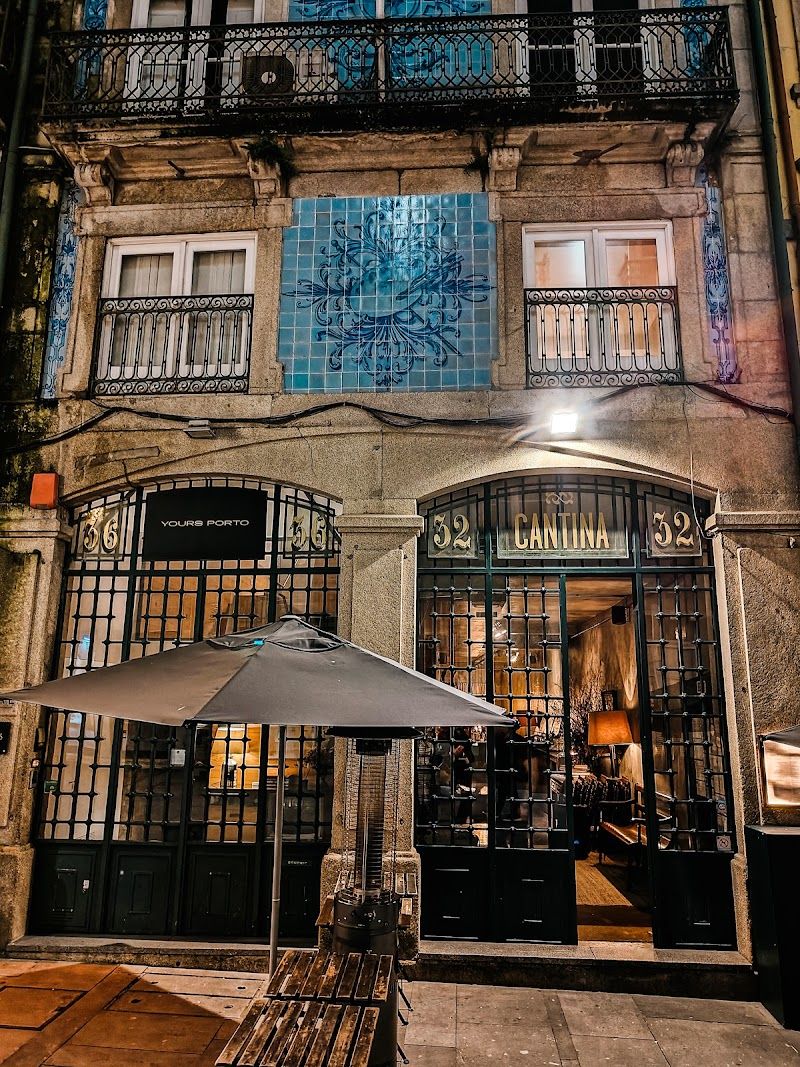
For student-friendly meals, Cantina 32 on Rua das Carmelitas serves generous portions at university prices. The prato do dia (daily special) costs EUR 7 and includes soup, main course, bread, and dessert. The quality matches what you'd find at more expensive restaurants, but the atmosphere is casual and the service is fast.
Side B Café on Rua de Passos Manuel offers modern Portuguese cooking in a relaxed setting. The menu changes seasonally, but the octopus salad with sweet potato (EUR 14) and the duck rice (EUR 16) represent contemporary interpretations of classic dishes.
Vila Nova de Gaia: Wine and River Views
Vila Nova de Gaia focuses primarily on port wine, but several restaurants take advantage of the river views and wine cellar proximity.
The Yeatman Restaurant offers fine dining with Michelin stars and prices to match - dinner runs EUR 150-200 per person. However, their lunch menu (EUR 45 for three courses) provides access to the same kitchen and wine list at a more reasonable price.
For casual dining, Taberna Real on Rua do General Torres serves traditional dishes with an extensive port wine selection. The lamb stew costs EUR 18 and pairs beautifully with a glass of 10-year tawny (EUR 6). The terrace overlooks the Douro River and provides views of Porto's skyline.
Porto Food Markets: Where Locals Actually Shop
The renovated Mercado do Bolhão now operates Tuesday through Saturday from 8 AM to 8 PM. The ground floor features traditional vendors selling fresh produce, fish, and meat. Prices are reasonable - tomatoes cost EUR 2-3 per kilo, fresh fish ranges from EUR 8-15 per kilo depending on the type.
The upper floor food court offers prepared meals from various vendors. Avoid the obviously tourist-oriented stalls and look for places where locals queue. O Diplomata serves excellent bifanas (EUR 2.50) and beer (EUR 2) with minimal English spoken - a good sign.
Mercado de Matosinhos, while technically outside Porto, offers the city's best fish market. Take the metro to Matosinhos Sul (EUR 1.3) and walk five minutes to the market. Fresh sardines cost EUR 4-6 per kilo, depending on size. Several restaurants surrounding the market will grill your purchases for EUR 3-5.
For a more local experience, visit the small morning markets in residential neighborhoods. The market on Rua de Cedofeita operates Monday, Wednesday, and Friday from 7 AM to 1 PM, selling produce directly from Minho farms at prices 20-30% below supermarkets.
Budget-Friendly Porto Food: Eating Well for Less
Porto offers exceptional value for money if you know where to look. A complete meal at a traditional tasca costs EUR 8-12, including soup, main course, bread, and often dessert or coffee.
Tasca do Zé on Travessa de Cedofeita serves daily specials for EUR 9. The portions are enormous - the cozido à portuguesa easily feeds two people. The wine comes from the owner's family vineyard in the Douro Valley and costs EUR 3 per glass.
For quick meals, bifana sandwiches at neighborhood cafes cost EUR 1.5-2.5 and provide substantial protein. Caldo verde soup costs EUR 3-4 and often contains enough chorizo and potatoes to constitute a light meal.
Supermarkets offer excellent Portuguese products at low prices. Pingo Doce and Continente both stock high-quality Portuguese cheese, wine, and preserved fish. A bottle of decent vinho verde costs EUR 2-4, Portuguese cheese ranges from EUR 3-8 per piece, and canned sardines or tuna cost EUR 1-3.
Upscale Porto Dining: When Money Is No Object
Porto's fine dining scene has evolved significantly in recent years, with several restaurants earning national and international recognition.
Pedro Lemos Restaurant offers contemporary Portuguese cuisine with a focus on local ingredients. The tasting menu costs EUR 85 and showcases modern interpretations of traditional dishes. Reservations are essential, and the wine pairings (EUR 45) feature lesser-known Portuguese wines that complement the food perfectly.
The Antiqvvm Restaurant combines traditional Portuguese cooking with contemporary techniques. Dinner averages EUR 60-80 per person, and the wine list includes rare ports and mature red wines from the Douro. The restaurant occupies a restored 18th-century building with river views.
For the ultimate splurge, The Yeatman's restaurant offers two Michelin stars and panoramic views of Porto. The tasting menu starts at EUR 165, with wine pairings adding EUR 85. The cuisine focuses on Portuguese ingredients prepared with French techniques, and the service matches the prices.
Porto Food Walking Tours and Experiences
Taste Porto Food & Wine Tours offers guided experiences that combine food tastings with cultural context. The standard tour costs EUR 55 per person and includes visits to six different establishments over three hours. You'll try francesinha, pastéis de nata, port wine, and local cheese while learning about Porto's culinary history.
For a self-guided approach, create your own porto food walking tour starting at Mercado do Bolhão for morning pastries, moving to Café Santiago for francesinha lunch, and ending in Vila Nova de Gaia for port wine tastings. Total cost including metro transport: EUR 25-35 per person.
The advantage of self-guided touring is flexibility - you can spend more time at places you enjoy and skip tourist traps. Download the "good food apps" that locals use: Zomato works well in Porto and provides honest reviews from Portuguese speakers.
Practical Porto Food Tips: Meal Times and Etiquette
Portuguese meal times differ from other European countries. Lunch runs from 12:30 PM to 2:30 PM, and dinner starts at 7:30 PM. Many restaurants close between 3 PM and 7 PM. Arriving before 7:30 PM for dinner marks you as a tourist, but most establishments will serve you anyway.
Tipping isn't mandatory but rounding up the bill or leaving 5-10% is appreciated for good service. Most restaurants include a "couvert" (bread, olives, cheese) charge of EUR 2-5 per person - this is standard practice, not a tourist scam.
Tap water is safe and free, but most Portuguese people drink bottled water with meals. Sparkling water costs EUR 1.5-2, still water costs EUR 1-1.5. Asking for tap water ("água da torneira") is acceptable but uncommon.
Portuguese wine culture emphasizes pairing food with appropriate wines. Vinho verde pairs with seafood and light meals, red wines from the Douro complement meat dishes, and port wine concludes meals. Most restaurants offer house wines for EUR 8-12 per bottle - these are usually decent quality and locally sourced.
Many traditional restaurants don't accept credit cards, especially smaller tascas and family-owned establishments. Carry cash for meals under EUR 20. ATMs are widely available and typically charge EUR 2-3 for international transactions.
Beyond the Basics: Advanced Porto Food Experiences
Once you've mastered the fundamentals, Porto offers deeper culinary experiences for food-focused travelers. Cooking classes at Casa da Guitarra cost EUR 45 per person and include market shopping and meal preparation. You'll learn to make traditional dishes using proper techniques and local ingredients.
Several Porto restaurants offer "chef's table" experiences where you can watch kitchen operations while dining. Restaurante ODE offers this for EUR 95 per person, including wine pairings and interaction with the chef.
For wine enthusiasts, consider visiting quintas (wine estates) in the Douro Valley. Day trips cost EUR 60-80 per person including transportation and tastings. You'll see where port wine grapes are grown, learn about the production process, and taste wines that aren't available in Porto shops.
Porto's food scene continues evolving while maintaining its traditional foundations. The city attracts young chefs who respect classical Portuguese cooking while introducing subtle innovations. This balance between tradition and progress makes Porto one of Europe's most interesting food destinations - and one of the most affordable.
Plan to spend at least three days exploring Porto's food culture properly. Your first day should focus on the classics - francesinha, pastéis de nata, and port wine. The second day can explore neighborhood specialties and market culture. The third day allows for fine dining or day trips to food-focused experiences outside the city. Budget EUR 40-60 per day for excellent meals, or EUR 20-30 for good casual dining.