Porto food and wine tours offer the most direct path to understanding why this northern Portuguese city has shaped the country's culinary identity for centuries. The city that gave Portugal its name serves the most honest food in the country, from EUR 1.5 bifana sandwiches at neighborhood tascas to 40-year tawny port that costs EUR 25 per glass in Vila Nova de Gaia cellars.
The question isn't whether you should experience Porto's food scene - it's how. Organized tours cost EUR 45-85 and handle the logistics, but they often skip the places locals actually eat. Self-guided food tours cost less but require knowing which neighborhoods matter and how to read Portuguese menus. The best approach combines both: a professional tour to understand the context, then independent exploration to find your own favorites.
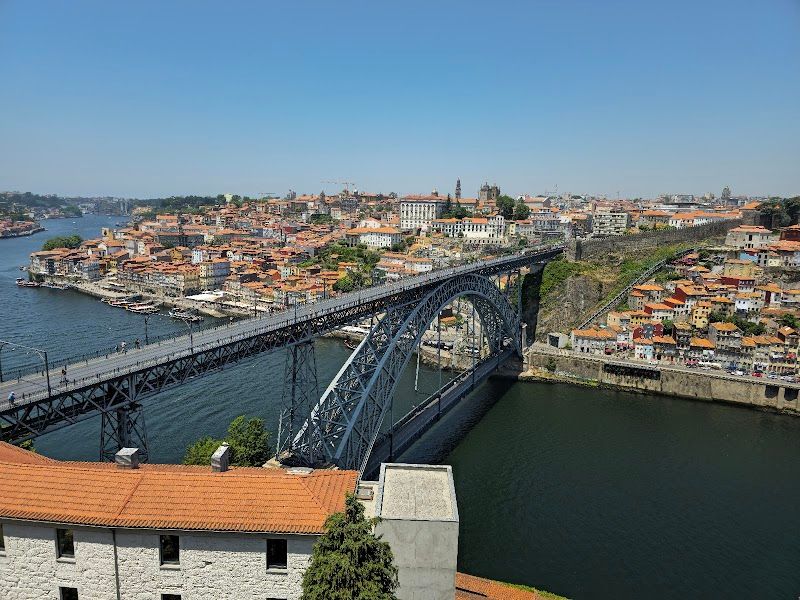
Porto's food culture operates on three distinct levels. Street level includes bifanas, pastéis de nata, and the kind of neighborhood cafes where espresso costs EUR 0.8 and comes with unsolicited opinions about football. Restaurant level features francesinha sandwiches, bacalhau dishes, and tascas where EUR 12 buys you a three-course meal with wine. Wine level means crossing the Dom Luis I Bridge to Vila Nova de Gaia, where 50+ port cellars have been aging wine in oak barrels since the 1700s.
Professional Porto Food and Wine Tours Worth the Money
Taste Porto Food & Wine Tours runs the most comprehensive porto food and wine tour in the city, covering four neighborhoods over six hours for EUR 75 per person. The tour starts at 10am in Ribeira, where you taste pastéis de bacalhau (cod fritters) and learn why Portuguese cuisine uses so much cod despite having 1,000 kilometers of Atlantic coastline. By noon you're in Vila Nova de Gaia for proper port wine tastings, not the tourist-trap samples that cost EUR 5 for three thimbles.
The afternoon portion covers Cedofeita, where you eat at tascas that have served the same recipes since the 1940s. The final stop is Mercado do Bolhão, where you learn to identify quality Portuguese ingredients and understand why certain combinations work. The tour includes eight tastings plus wine pairings, transportation between neighborhoods, and enough food to count as both lunch and dinner.
Porto Food Tours offers a more focused experience for EUR 45, concentrating on traditional Portuguese food and wine pairing rather than trying to cover everything. Their three-hour tour visits five establishments in Ribeira and downtown, with stops at a traditional padaria (bakery), a wine bar that stocks 200+ Portuguese varietals, and a tasca where the francesinha recipe hasn't changed since 1962. Groups stay under 12 people, which means you can ask questions without competing with 30 other tourists.
Living Tours Porto runs evening porto gastronomy tours that focus on Portuguese wine culture. For EUR 65, you visit three wine bars and two restaurants over four hours, learning how to pair Portuguese wines with traditional dishes. The tour includes transportation and covers neighborhoods most visitors never see, including parts of Clerigos where locals actually live and eat.
Self-Guided Porto Culinary Tour Routes
Creating your own porto culinary tour saves money and lets you eat at your own pace, but requires more planning than wandering randomly and hoping for the best. The most efficient approach follows neighborhood clusters, since Porto's food culture varies significantly between areas.
The Traditional Route starts in Ribeira at 9am when the morning light hits the terraced buildings just right and the pastelerías have fresh pastéis de nata. Walk to Confeitaria do Bolhão (Rua Formosa 339) for pastéis de nata that cost EUR 1 each and taste better than most EUR 3 versions in tourist areas. The morning espresso costs EUR 0.8, and you can watch bakers roll dough through the kitchen window.
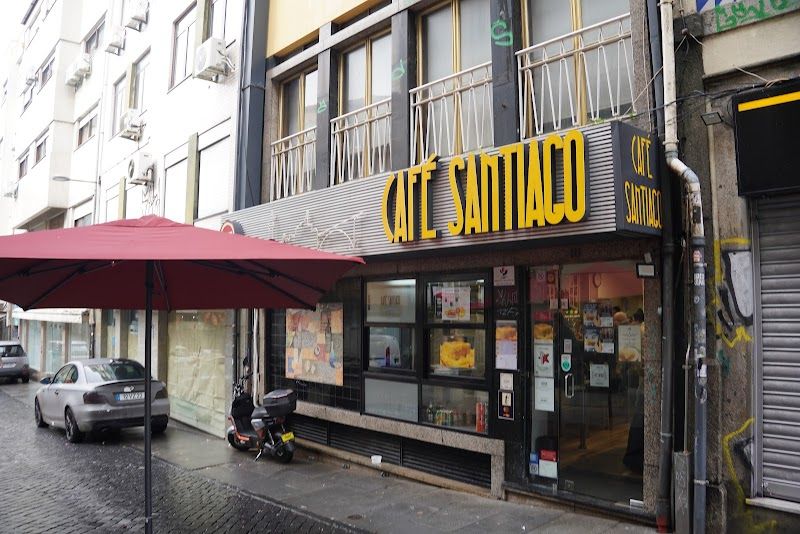
From Bolhão, walk 10 minutes to Café Santiago (Rua de Passos Manuel 226) for francesinha, the sandwich that defines Porto cuisine. Santiago's version costs EUR 8.50 and arrives covered in enough molten cheese and beer-tomato sauce to require both a knife and structural engineering knowledge. Order a mini imperial (EUR 1.5) to cut through the richness.
The afternoon portion crosses the Dom Luis I Bridge to Vila Nova de Gaia for port wine tasting. Sandeman offers tastings from EUR 15-25 depending on whether you want the basic tour or the vintage collection. Taylor's charges EUR 18 for tastings that include 10-year tawny, 20-year tawny, and late bottled vintage, plus explanations of why port wine can only come from the Douro Valley.
The Local Route skips tourist areas entirely and focuses on neighborhoods where Portuguese families actually eat. Start in Cedofeita at Tasquinha do Fumo (Rua do Rosário 206), where lunch costs EUR 9 and includes soup, main course, dessert, coffee, and house wine. The menu changes daily based on what's available at market, but always includes at least two bacalhau preparations.
Continue to Rua de Miguel Bombarda, Porto's creative district, where wine bars serve Portuguese varietals you can't find outside the country. Matéria Prima (Rua de Miguel Bombarda 541) stocks wines from small Douro producers and charges EUR 4-6 per glass, significantly less than tourist-area wine bars. The staff speaks English and can explain why Portuguese white wines pair better with seafood than most people expect.
End at Jardim do Morro for sunset views over Porto while drinking wine you bought at a local shop. Portuguese wine regulations allow drinking in public parks, and the view from Jardim do Morro beats any rooftop bar in the city.
Porto Wine Tasting With Food: Understanding Portuguese Pairings
Portuguese wine and food pairing follows different rules than French or Italian traditions, partly because Portuguese grape varietals are largely unknown outside Portugal and partly because Portuguese cuisine incorporates ingredients from former colonies in ways that create unexpected flavor combinations.
Port Wine Pairings extend beyond the dessert-wine stereotype most tourists expect. Young ruby port (aged 2-3 years) pairs with dark chocolate and strong cheeses, but also works with cured meats and dishes that include chouriço or linguiça. The sweetness balances the salt and fat, while the alcohol cuts through rich textures.
Tawny port (aged 10+ years) develops nutty, caramel flavors that complement Portuguese desserts like pastéis de nata or arroz doce (rice pudding), but the most interesting pairings involve savory dishes. Twenty-year tawny works surprisingly well with bacalhau à brás (scrambled eggs with cod and potatoes) because the wine's complexity matches the dish's subtle flavors without overwhelming them.
Portuguese Table Wine Pairings showcase grape varietals that grow only in specific Portuguese regions. Vinho Verde, the slightly sparkling white wine from northern Portugal, costs EUR 3-5 per glass and pairs perfectly with seafood dishes common in Porto's restaurants. The wine's acidity and mineral notes complement grilled sardines, bacalhau cakes, and seafood rice dishes.
Douro red wines, made from the same grapes used for port but vinified dry, pair with Porto's meat-heavy dishes like francesinha or rojões (pork chunks with potatoes). These wines have enough tannin structure to handle rich, sauce-heavy dishes while maintaining enough fruit to prevent the pairing from becoming overly serious.
Neighborhood Food Specialties: Where to Find the Best
Porto's food culture varies significantly between neighborhoods, with each area specializing in different types of establishments and price points. Understanding these differences helps you eat better and spend less money.
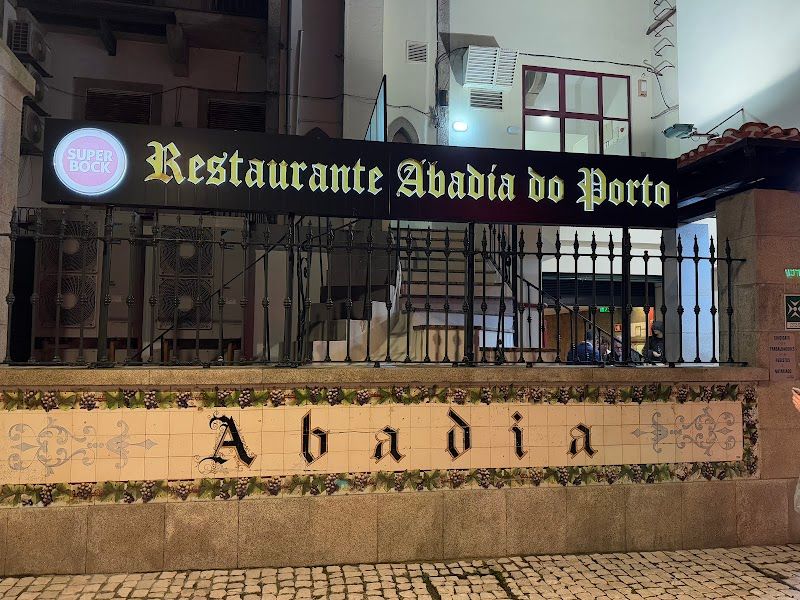
Ribeira and Downtown concentrate Porto's tourist-oriented restaurants, but also include some of the city's oldest food establishments. Restaurante Abadia do Porto (Rua do Ateneu Comercial do Porto 22) serves traditional Portuguese cuisine in a medieval-style dining room for EUR 25-35 per person, including appetizer, main course, and wine. The menu focuses on dishes that have been served in Porto for centuries, like cabrito assado (roast goat) and arroz de pato (duck rice).
The neighborhood also includes street food vendors who sell bifanas, pastéis de bacalhau, and other quick bites for EUR 1.5-3. These vendors cluster near São Bento Railway Station and the Ribeira waterfront, serving food that tastes better and costs less than most restaurant appetizers.
Vila Nova de Gaia functions as Porto's wine district rather than a food destination, but several restaurants specialize in dishes designed to pair with port wine. Taberna Real do Fado (Rua de São Pedro 70) serves petiscos (Portuguese tapas) specifically chosen to complement different port styles, with plates costing EUR 4-8 each and wine by the glass starting at EUR 3.
Cedofeita and Bolhão represent Porto's local food scene, with tascas that serve neighborhood residents rather than tourists. Prices drop significantly - a full meal with wine costs EUR 10-15 - but menus are often only in Portuguese and service assumes you understand local customs. Casa do Livro (Rua Galeria de Paris 85) serves lunch for EUR 12 that includes soup, main course, dessert, coffee, and half a bottle of house wine.
Clerigos and University blend student-oriented cheap eats with upscale restaurants serving modern interpretations of Portuguese cuisine. Café Majestic (Rua de Santa Catarina 112) charges EUR 6-8 for elaborate pastries and coffee service in an Art Nouveau setting that dates to 1921. The prices reflect the historical significance rather than the food quality, but the experience helps you understand Porto's café culture.
Budget vs Premium Porto Food and Wine Experiences
Porto food and wine tours span a wide price range, from EUR 15 self-guided tastings to EUR 150 private tours with sommeliers. Understanding what you get at different price points helps you choose experiences that match your interests and budget.
Budget Options (EUR 15-35) include self-guided food walks, basic port wine tastings, and group tours with large numbers of participants. Sandeman's basic port tasting costs EUR 15 and includes three wines plus a 30-minute cellar tour. You learn about port production and taste representative examples, but don't get personalized attention or access to premium wines.
Self-guided food walks cost whatever you spend on food and drinks, typically EUR 20-30 for a full day of eating if you stick to tascas and avoid tourist restaurants. This approach requires more research but lets you eat at places locals recommend rather than establishments that pay commissions to tour companies.
Mid-Range Options (EUR 35-75) include small-group food tours, premium port tastings, and experiences that combine food and wine in the same package. These tours typically include 6-8 tastings, transportation between neighborhoods, and guides who can answer questions about Portuguese food culture. Group sizes stay under 15 people, which means you can have conversations rather than just listening to presentations.
Premium Options (EUR 75-150) offer private guides, access to restaurants not open to the general public, and wine tastings that include vintage ports worth EUR 50+ per glass. These experiences make sense for serious food and wine enthusiasts who want to understand Portuguese cuisine at a deeper level, or for special occasions where the experience matters more than the cost.
Timing Your Porto Food and Wine Tour
Portuguese meal timing follows patterns that can confuse visitors from countries where dinner happens at 6pm. Understanding local schedules helps you eat when restaurants serve their best food and avoid the tourist-trap establishments that cater to foreign expectations.
Morning (9am-12pm) is pastry and coffee time in Porto. Bakeries produce fresh pastéis de nata throughout the morning, with the best ones available between 9-11am. Café Santiago opens at 9am for breakfast francesinhas - a local custom that makes sense once you realize the sandwich contains enough protein and carbohydrates to fuel a morning of sightseeing.
Lunch (12pm-3pm) represents the main meal in traditional Portuguese culture. Tascas serve prato do dia (daily specials) for EUR 7-12, including soup, main course, dessert, and coffee. These meals showcase Portuguese home cooking rather than restaurant interpretations, with recipes that reflect seasonal ingredients and regional traditions.
Afternoon (3pm-6pm) is wine tasting time, particularly in Vila Nova de Gaia where port cellars offer tours throughout the afternoon. The lighting is better for photography, crowds are smaller than morning tours, and you can time tastings to coincide with sunset views from the cellars' terraces.
Evening (7pm-10pm) brings Portuguese dinner culture, which starts later than most tourists expect. Restaurants don't reach full capacity until 8pm, and the best atmosphere develops after 9pm when Portuguese families arrive for dinner. This timing works well for visitors who spent the afternoon wine tasting and need time to develop an appetite.
Beyond the Standard Porto Gastronomy Tour
Porto's food scene includes experiences that don't fit standard tour formats but offer insights into Portuguese culture that organized groups often miss. These alternatives require more independence but provide access to aspects of Porto gastronomy that most visitors never discover.
Market Tours let you understand Portuguese ingredients before you eat dishes made from them. Mercado do Bolhão reopened in 2022 after extensive renovations, combining traditional vendors with modern food stalls. Arrive at 8am when vendors set up displays and produce looks best. Conversations with vendors (many speak basic English) reveal information about Portuguese cooking techniques and seasonal ingredients that restaurants rarely explain.
Cooking Classes cost EUR 45-65 and teach you to prepare dishes you've been eating on tours. Several schools offer classes focused on Portuguese cuisine, including how to make proper francesinha sauce (more complex than it looks) and why Portuguese cooks use so many different preparations for bacalhau (there are supposedly 365 different recipes).
Wine Shop Tastings provide alternatives to formal cellar tours, particularly for Portuguese table wines that don't get attention in port-focused tastings. Garrafeira do Carmo (Rua do Carmo 17) offers guided tastings of Portuguese wines for EUR 25 per person, including varietals from regions like Dão and Bairrada that produce wines unavailable outside Portugal.
The best porto food and wine tour combines professional guidance with independent exploration. Start with an organized tour to understand context and identify neighborhoods worth revisiting. Then spend time eating at places locals recommend, shopping at markets, and learning to pair Portuguese wines with Portuguese food. This approach costs more than sticking to one format but provides a complete understanding of why Porto's food culture has influenced Portuguese cuisine for centuries.
Plan for EUR 150-200 per person for a comprehensive food and wine experience spread across multiple days, including one organized tour, several independent meals, port tastings, and enough Portuguese wine to understand why the country produces varietals that exist nowhere else in the world. The investment pays off in meals you'll remember and wine knowledge that makes every subsequent visit to Portugal more enjoyable.