Paris rewards curiosity more than any other city in the world. The question isn't what to see - it's how to see it without falling into the tourist traps that drain your budget and waste your time. This guide covers 50 things to do and see in Paris, from the museums you absolutely cannot skip to the neighborhood markets where locals actually shop.
The city operates on a simple principle: the famous attractions are famous for good reason, but the real Paris happens between them. A morning at the Louvre followed by lunch at a Belleville bistro. The Eiffel Tower at sunset, then Vietnamese pho on Rue de Belleville for EUR 8. That's the Paris that turns first-time visitors into people who plan their next trip before they leave.
Must-See Paris Attractions That Live Up to the Hype
Some Paris tourist attractions deserve every bit of their reputation. These are the places you see once and understand why millions of people plan entire trips around them.
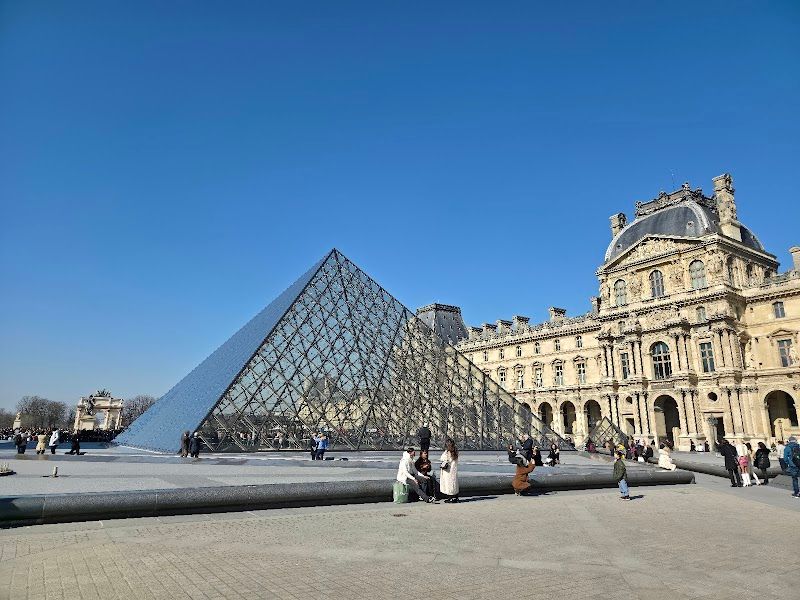
The Louvre Museum
The verdict: Worth every minute you spend there, but go with a plan.
The Musée du Louvre is the world's most visited museum because it houses the world's best collection of art. The museum contains 35,000 works displayed across 650,000 square feet. You cannot see everything in a day, or a week, or honestly a month.
Entry costs EUR 22 for EEA residents, EUR 32 for non-EEA visitors (price increased January 2026). Free for anyone under 18, free for EU residents under 26. Buy tickets online to skip the entry line - though you'll still queue for security.
The Mona Lisa is smaller than you expect and surrounded by crowds. See it, then spend your time in the less crowded wings. The Egyptian collection on the ground floor is spectacular. The Richelieu Wing houses the best sculptures, including Michelangelo's Slaves. The Islamic Art collection under the glass roof is criminally undervisited.
Practical tip: Enter through the Carrousel du Louvre shopping mall (99 Rue de Rivoli) to avoid the pyramid crowds. Wednesday and Friday evenings the museum stays open until 9:45pm with smaller crowds.
Eiffel Tower
The tower is exactly what it looks like in photographs, except larger and more elegant. Elevator tickets to the second floor cost EUR 23.50, summit access EUR 36.70. Book online 60 days in advance - same-day tickets are rarely available.
The best views are from Trocadéro Gardens across the river, not from the tower itself. But riding the elevator to the summit at sunset is one of those experiences that justifies the tourist tag. The views extend 70 kilometers on clear days.
Skip this: The restaurant options inside the tower. Overpriced and underwhelming. Eat before you go.
Notre-Dame Cathedral
The cathedral reopened in December 2024 after five years of reconstruction following the 2019 fire. Entry is free, and the restoration work is remarkable - the interior looks brighter and more detailed than it has in centuries.
The cathedral sits on Île de la Cité, which means you can combine it with Sainte-Chapelle (five-minute walk) and the Conciergerie (where Marie Antoinette was imprisoned). The area gets crowded between 10am-3pm, so visit early morning or late afternoon.
Arc de Triomphe
Entry costs EUR 16 and includes access to the rooftop terrace with 360-degree views of Paris. The perspective down the Champs-Élysées toward Place de la Concorde is the money shot, but the view toward Montmartre and Sacré-Coeur is actually more interesting.
The arch sits in the middle of a traffic roundabout with no crosswalks. Access is through the underground passage from the Champs-Élysées metro station (Line 1, 6, 9, RER A).
Paris Museums Worth Your Time and Money
Paris has over 130 museums. Most visitors try to see too many and remember too little. These are the ones that justify the time and entry fees.
Musée d'Orsay
The world's best collection of Impressionist paintings in a beautiful former railway station. Entry costs EUR 16 and includes both permanent and temporary exhibitions. The building itself is worth the visit - the great clock on the fifth floor frames a perfect view across the Seine to the Louvre.
The museum is manageable in 2-3 hours. Start on the ground floor with the pre-Impressionist works, then head straight to the fifth floor for the Renoirs, Monets, and van Goghs. The museum stays open until 9:45pm on Thursdays with fewer crowds.
Palace of Versailles
Not technically in Paris (it's a 45-minute train ride on RER C), but essential for understanding why the French Revolution happened. Entry costs EUR 22 in low season, EUR 32 in high season for the full passport ticket including the palace, Trianon palaces, and gardens.
The palace is overwhelming - 700 rooms, 2,300 windows, and endless gold leaf. The Hall of Mirrors is the highlight, but the real revelation is the scale of the place. Louis XIV employed 36,000 people to maintain his lifestyle here.
Practical advice: Take the train from Paris, not a tour bus. RER C stops at Versailles Château station, a 10-minute walk to the palace entrance. Avoid Tuesdays and weekends when crowds are worst.
Sainte-Chapelle
The most beautiful 15 minutes you'll spend in Paris. This 13th-century chapel contains the finest stained glass windows in Europe - 1,113 scenes from the Bible told in brilliant blues and reds that seem to glow from within.
Entry costs EUR 16 for EU citizens, EUR 22 for non-EU (prices increased January 2026). The chapel is tiny, so crowds feel more intense than at larger monuments. Visit early morning or late afternoon for the best light through the windows.
Neighborhood Exploration: Where Real Paris Lives
The famous attractions tell you what Paris was. The neighborhoods tell you what Paris is. Each has its own personality, its own rhythm, and its own reasons to spend a morning or afternoon exploring.
Le Marais: Medieval Streets and Modern Life
Le Marais is where Paris keeps its history and its cool in the same narrow streets. Medieval townhouses house concept stores selling Japanese denim. Jewish delis that have operated since the 1930s sit next to natural wine bars that opened last month.
The neighborhood centers around Place des Vosges, the oldest planned square in Paris (1605) and still one of the most beautiful. The arcaded buildings house galleries, tea rooms, and some of the most expensive real estate in the city.
Food highlights: L'As du Fallafel on Rue des Rosiers has drawn queues since the 1970s. Falafel costs EUR 7-9 and justifies every minute you wait. Du Pain et des Idées on Rue Yves Toudic sells the best croissants in Paris (EUR 1.80) - get there before 10am or they sell out.
Belleville: The View Everyone Misses
Belleville offers the best panoramic views in Paris from Parc de Belleville, and most tourists never find it. The neighborhood is genuinely multicultural - Chinese restaurants, North African grocery stores, and Vietnamese pho joints that locals queue for.
Rue de Belleville is the main commercial street, lined with markets, cafes, and restaurants serving authentic food at prices that haven't been inflated by tourism. A bowl of pho costs EUR 8, a Chinese lunch menu EUR 12.
The view: Climb to Parc de Belleville at sunset. The panorama stretches from Montmartre to the Eiffel Tower, and you'll often have it to yourself.
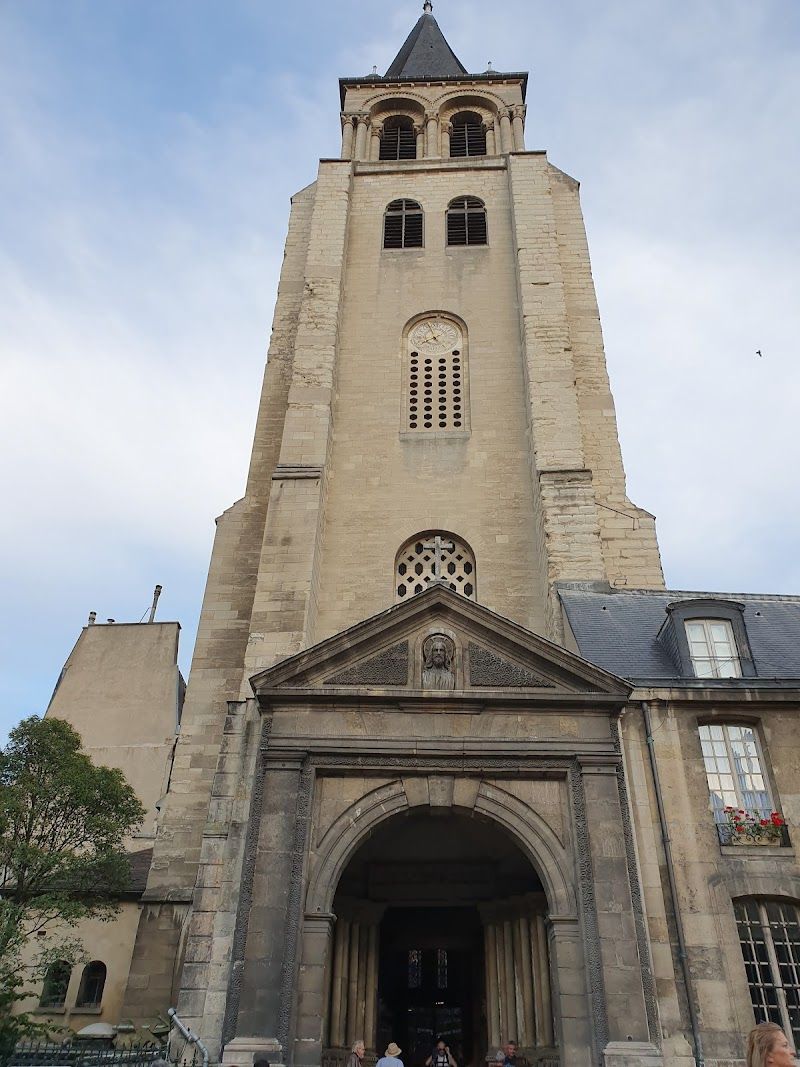
Saint-Germain-des-Prés: Intellectual Paris
Saint-Germain-des-Prés is where Sartre and de Beauvoir argued about existentialism over coffee, and the cafe culture remains intense. This is intellectual Paris - bookshops, galleries, and cafes where people still go to think rather than just eat.
Café de Flore and Les Deux Magots are the famous spots, but they're expensive (EUR 5 for coffee) and touristy. Better options: Café de la Mairie on Place Saint-Sulpice, or any of the wine bars along Rue de Seine.
Montmartre: Beyond Sacré-Coeur
Montmartre still feels like a village if you avoid the crowds around Basilique du Sacré-Cœur. The cobblestone streets around Place du Tertre, the vineyard on Rue des Saules, the windmills on Rue Lepic - this is the Paris that inspired a century of paintings.
Timing matters: Visit early morning (before 9am) or evening (after 6pm) when the tour groups have left. The neighborhood transforms from tourist destination back into residential community.
For a detailed exploration, check our Best of Montmartre walking guide.
Food Markets and Local Food Culture
Paris food culture happens in markets, bakeries, and neighborhood bistros - not in restaurants with English menus. Here's where to eat like locals actually eat.
Marché des Enfants Rouges
The oldest covered market in Paris (1615) in the Marais. Small, crowded, and authentic. The prepared food stalls serve everything from Moroccan tagines (EUR 12) to Japanese bento boxes (EUR 15). Locals eat standing at communal tables.
Open: Tuesday-Saturday 8:30am-1pm, 4pm-7:30pm; Sunday 8:30am-2pm.
Rue Montorgueil
A pedestrian market street in the 2nd arrondissement that locals use for daily shopping. Rue Montorgueil contains everything you need for a proper French meal: fishmonger, cheese shop, wine merchant, bakery, and produce vendors.
Essential stops: Stohrer (oldest pastry shop in Paris, 1730), L'Escargot Montorgueil (traditional bistro), and any of the fromageries for cheese that will change your relationship with dairy products.
Bistro Culture: How to Eat Well Without Bankrupting Yourself
Paris bistros operate on a simple formula: simple ingredients, proper technique, fair prices. A three-course lunch menu costs EUR 15-22 at most neighborhood bistros, with wine by the glass for EUR 5-7.
The rules: Plat du jour (daily special) is always the best value and usually the best food. Order wine by the carafe (50cl for EUR 12-18) rather than by the bottle. Ask for "une carafe d'eau" (tap water) - it's free and perfectly safe.
Timing: Lunch service runs 12pm-2:30pm, dinner 7pm-10pm. Many bistros close between service periods.
For comprehensive food recommendations by neighborhood, read our guide to where to eat in Paris.
Parks and Gardens: Green Spaces in the City
Paris has 496 parks and gardens. Some are formal French gardens designed for looking at. Others are designed for living in.
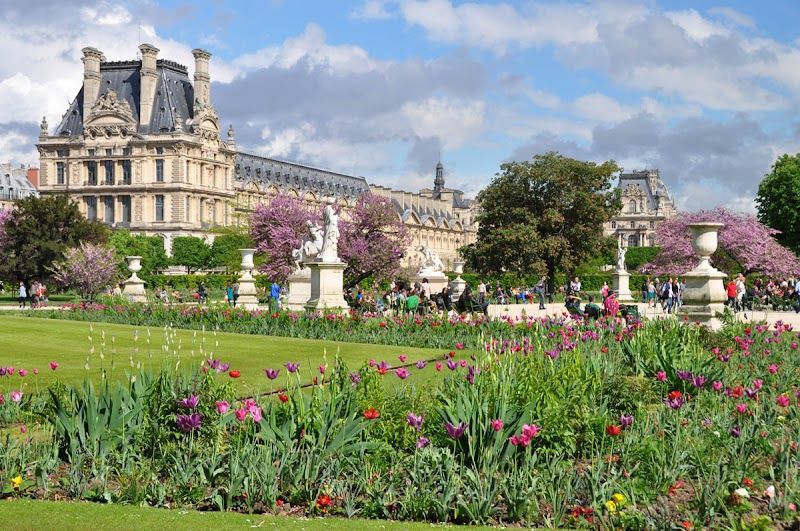
Tuileries Garden
Jardin des Tuileries stretches between the Louvre and Place de la Concorde - the perfect place to decompress after museum overload. The formal French garden style means wide gravel paths, geometric flower beds, and lots of chairs for watching Parisians exercise their dogs.
Free entry, open daily 7am-9pm (varies seasonally). The garden connects to the Louvre underground, so you can visit both without dealing with street crowds.
Luxembourg Gardens
The Left Bank's answer to the Tuileries, with 25 hectares of formal gardens, orchards, and the Luxembourg Palace (now the French Senate). Children sail toy boats in the central pond - a tradition that dates to 1927.
Best feature: The apple and pear orchards produce fruit that gets distributed to local schools. The beehives produce honey sold at the park's shop.
Parc des Buttes-Chaumont
The most dramatic park in Paris, built on a former gypsum quarry in the 19th arrondissement. Artificial cliffs, a suspension bridge, waterfalls, and a temple perched on a rock island in the middle of an artificial lake.
Why it matters: This is where Parisians go to escape tourist Paris. Bring a picnic, find a spot on the grass, and watch locals play pétanque while their children chase ducks around the lake.
Budget-Friendly Paris Things to Do
Paris can destroy a travel budget, but it doesn't have to. Some of the best Paris sightseeing costs nothing.
Free Museum Days
Many museums offer free entry on the first Sunday of each month (October-March only). The Louvre, Musée d'Orsay, Centre Pompidou (currently closed for renovation until 2030), and Musée Rodin all participate.
The catch: Everyone knows about this. Expect crowds and longer waits.
Window Shopping as Sport
Paris invented the concept of window shopping as entertainment. The covered passages (Galerie Vivienne, Passage des Panoramas, Galerie Colbert) contain beautiful architecture and window displays without the pressure to buy anything.
Galerie Vivienne near Palais Royal is the most beautiful - mosaic floors, glass ceiling, and boutiques selling everything from rare books to vintage wine.
Seine River Banks
The stretch of Seine riverbank between Pont de Sully and Pont de Bir-Hakeim was converted to pedestrian space in 2013. Locals use it for jogging, picnics, and evening drinks. Bring wine and cheese from a local market and watch the sunset behind the Eiffel Tower.
Cost: Whatever you spend on supplies. The entertainment is free.
Cemetery Tourism
Père Lachaise Cemetery contains the graves of Jim Morrison, Édith Piaf, Oscar Wilde, and Chopin, but it's worth visiting for the architecture and atmosphere rather than celebrity hunting. Free entry, open daily, with maps available at the entrance.
The cemetery is enormous (44 hectares) and easy to get lost in. That's part of the appeal - wandering among 19th-century mausoleums and elaborate sculptures while central Paris continues around you.
Day Trips and Family-Friendly Activities
Paris works for every type of traveler, including families with children who need more than museums and café culture.
Disneyland Paris
Disneyland Paris is 32 kilometers east of central Paris, accessible by RER A train (45 minutes from Châtelet-Les Halles). Two parks: Disneyland Park (classic Disney) and Walt Disney Studios Park (movie-themed).
Honest assessment: Better than European Disney critics claim, not as magical as California or Florida Disney fans remember. The castle is smaller, the crowds are manageable, and the food is surprisingly good by theme park standards.
Budget reality: Entry tickets start around EUR 56 for adults (prices vary by season), food inside costs EUR 15-25 per meal, and hotel options range from budget (EUR 150) to luxury (EUR 400+).
Jardin d'Acclimatation
Amusement park in the Bois de Boulogne designed for younger children (ages 3-12). Traditional rides, puppet shows, a small zoo, and wide green spaces for running around.
Why it works: Smaller scale than Disneyland, easier on budgets (entry around EUR 5, rides EUR 3-5 each), and you can combine it with a picnic in the Bois de Boulogne.
Paris Zoo (Parc Zoologique de Paris)
Modern zoo in the Bois de Vincennes, redesigned and reopened in 2014. Five biozones representing different ecosystems, with 180 species including lions, penguins, and giraffes.
Entry costs approximately EUR 23 for adults, EUR 17 for children. Reachable by Metro Line 1 to Château de Vincennes, then bus 46.
Practical Planning: Making the Most of Your Time
Paris rewards planning, but not over-planning. The city is built for wandering, but some advance organization prevents wasted time and tourist traps.
Museum Strategy
The Paris Museum Pass costs EUR 62 for 2 days, EUR 77 for 4 days, EUR 92 for 6 days. It covers 50+ museums and monuments, plus skip-the-line access at most locations.
Worth it if: You plan to visit 3+ major museums. The Louvre (EUR 22-32) + Musée d'Orsay (EUR 16) + Arc de Triomphe (EUR 16) already justifies the 2-day pass.
Not worth it if: You prefer a slower pace or want to focus on neighborhoods rather than monuments.
Transportation Basics
Paris operates on an integrated transport system covering metro, buses, trams, and regional trains. Single metro tickets cost EUR 2.55, but you'll save money with weekly or monthly passes if staying longer.
Navigo weekly pass costs EUR 32.40 and covers all zones including airports. Valid Monday 00:00 to Sunday 23:59 regardless of purchase day.
Most central Paris attractions are within walking distance of each other. The entire city center (1st through 8th arrondissements) measures roughly 3 kilometers east-west, 2 kilometers north-south.
When to Visit Different Areas
Tourist attractions: Early morning (8-9am) or late afternoon (after 4pm) have smaller crowds.
Markets: Morning for best selection, but many close 1-3pm and reopen until 7pm.
Neighborhoods: Any time, but late afternoon captures the best light and local rhythm.
Restaurants: Lunch 12pm-2:30pm, dinner 7pm-10pm. Many close Sunday evenings and Mondays.
Budget Planning
Paris costs vary dramatically based on choices:
Budget day: Bakery breakfast (EUR 3), picnic lunch from market (EUR 10), bistro dinner with wine (EUR 25), metro travel (EUR 3). Total: EUR 41.
Mid-range day: Cafe breakfast (EUR 8), museum entry (EUR 16), bistro lunch (EUR 20), restaurant dinner (EUR 45), metro/taxi (EUR 10). Total: EUR 99.
Luxury day: Hotel breakfast (EUR 25), multiple museums with pass (EUR 20 amortized), upscale lunch (EUR 60), fine dining dinner (EUR 120), taxi/Uber (EUR 25). Total: EUR 250.
For detailed budget planning, see our Paris on a Budget guide.
Seasonal Considerations and Special Events
Paris changes personality with the seasons, and smart timing can enhance your experience significantly.
Spring (March-May)
Perfect weather for walking, outdoor cafes reopening, markets at their best. Cherry blossoms in Luxembourg Gardens, fewer crowds at major attractions.
Downside: Weather unpredictable, can be rainy. Hotel prices rise as tourist season begins.
Summer (June-August)
Long days (sunset after 9pm in June), all attractions operating full schedules, outdoor events and festivals.
Reality check: Crowds at peak levels, hotel prices highest, many locals on vacation so some neighborhood restaurants close.
Fall (September-November)
Excellent weather through October, harvest season in markets, museum crowds manageable.
Best value: September combines good weather with post-summer price drops.
Winter (December-February)
Museums less crowded, cozy cafe culture at its peak, Christmas markets and decorations.
Trade-offs: Short days (dark by 5pm), some outdoor attractions less appealing, weather often gray and damp.
For winter-specific recommendations, check our guide to Paris in winter activities.
Getting Started: Your First Visit Strategy
Paris can overwhelm first-time visitors with options. This framework helps you prioritize based on your interests and time available.
3 days: Focus on central Paris. Major museums (Louvre, Musée d'Orsay), sights (Eiffel Tower, Notre-Dame), one neighborhood deep-dive (Le Marais or Saint-Germain). See our 3-day Paris itinerary for detailed planning.
5 days: Add Versailles day trip, explore 2-3 neighborhoods thoroughly, include food market visits and longer museum time. Our 5-day complete Paris experience covers this perfectly.
Week or longer: Add day trips (Giverny, Fontainebleau), explore outer arrondissements, develop favorite cafes and local routines.
Art lovers: Plan around museum schedules and special exhibitions. Many museums have late opening one evening per week with smaller crowds.
Families: Balance major sights with parks, kid-friendly museums, and shorter walking distances.
Paris reveals itself slowly, then all at once. The city rewards visitors who balance must-see attractions with aimless wandering, who eat at famous bistros and neighborhood markets, who climb the Eiffel Tower and then spend an afternoon watching people play pétanque in an unnamed square. That's not just the best way to see Paris - it's the only way to understand why people keep coming back.