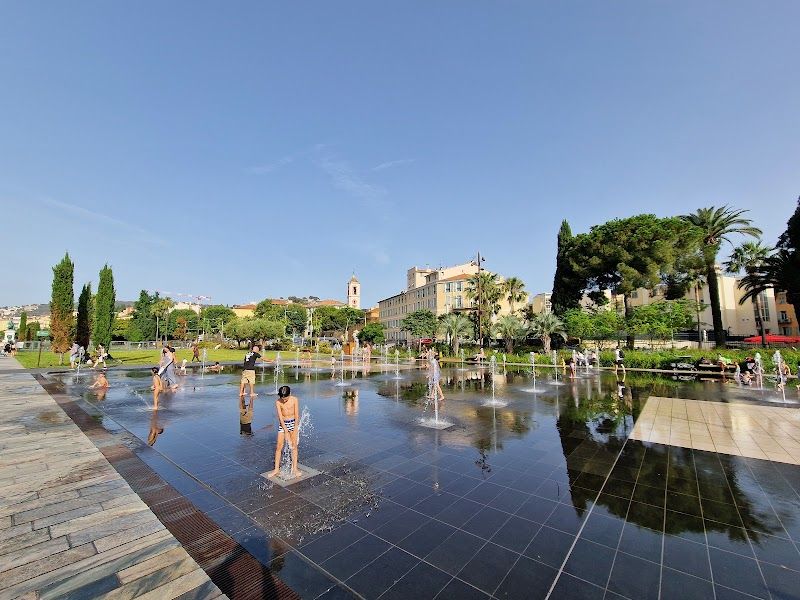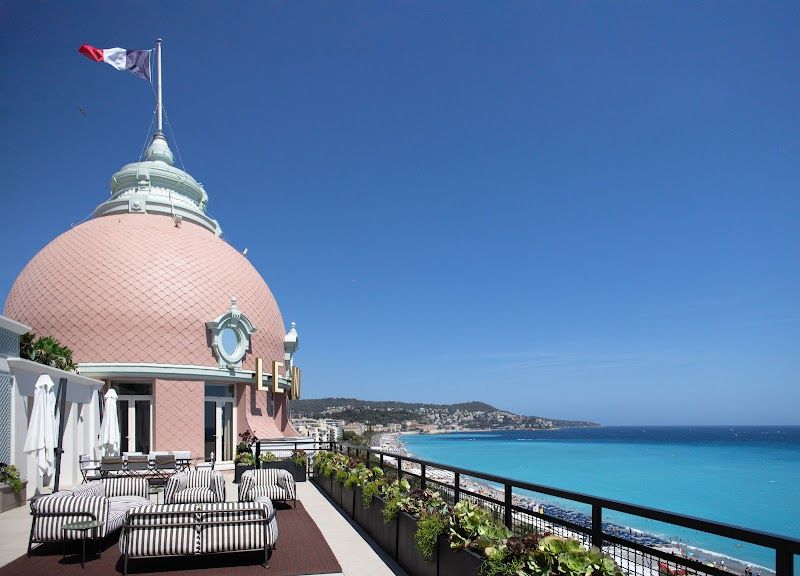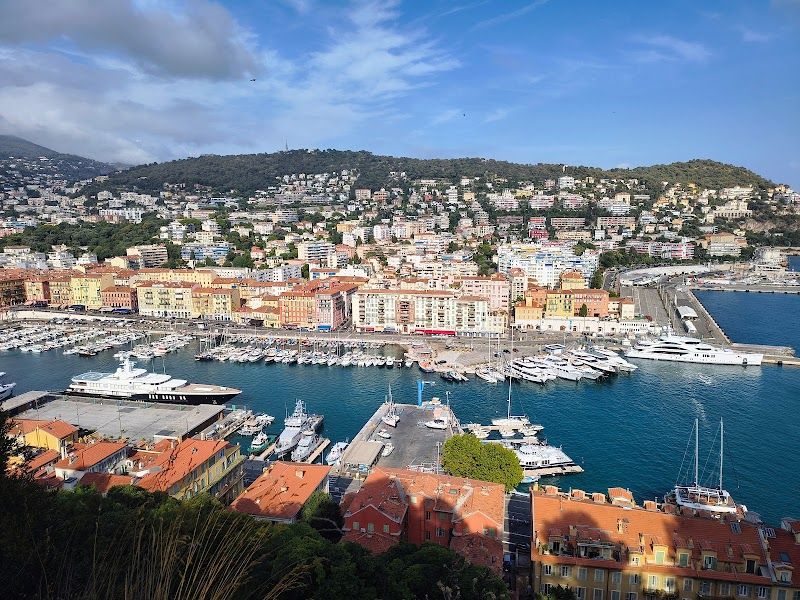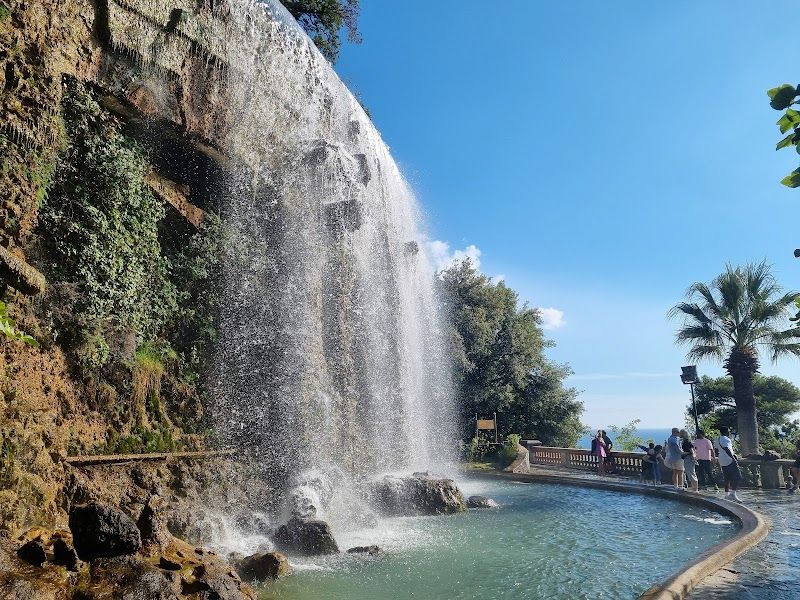
Nice in winter defies every expectation you have about European cities in the cold months. While Paris shivers under grey skies, Nice maintains an average temperature of 15°C (59°F) and delivers around 150 hours of sunshine in January alone. The palm trees still sway along the Promenade des Anglais, the markets still overflow with citrus and olives, and you can still eat lunch outside in a t-shirt on most December afternoons.
But winter Nice isn't summer Nice with a light jacket. The city transforms completely. The crowds that make July unbearable disappear. Restaurant reservations become possible. Hotel rates drop by 40-60%. The light that drew Matisse and Chagall becomes softer, more golden, photography. And yes, some things close, some services reduce hours, and the Mediterranean isn't exactly swimming temperature (though locals still take their morning dips).
Nice Winter Weather: What the Numbers Actually Mean
The statistics look promising, but here's what nice winter weather actually feels like day-to-day. December averages 13°C (55°F) with highs reaching 16°C (61°F) on sunny days. January is the coolest month at 11°C (52°F) average, but you'll still see plenty of 15°C (59°F) afternoons. February and March warm up to 12-14°C (54-57°F) as spring approaches.
Those numbers translate to wearing a light sweater or jacket during the day and adding a warm coat for evening. The Mediterranean keeps temperatures stable, so you won't face the dramatic swings common in continental climates. Rain comes in short, intense bursts rather than the drizzle of northern France. December sees the most precipitation with an average of 8 rainy days, but these are often dramatic Mediterranean storms that clear quickly.
The real advantage is the Mistral wind patterns. While summer brings the hot, dry Mistral that can make afternoons uncomfortable, winter winds are gentler and help clear pollution from the city. The air quality in Nice December through March is noticeably better than summer months.
Water temperature drops to 13-15°C (55-59°F), which sounds brutal but attracts hardy locals for their daily swims. The beaches empty of tourists but fill with joggers, dog walkers, and the occasional wetsuit-clad swimmer. If you're planning beach time, bring layers and understand you're there for the views and fresh air, not sunbathing.
Winter Activities: What's Open and What's Worth Your Time
Contrary to what many guides suggest, Nice doesn't hibernate in winter. The city's cultural calendar actually intensifies as locals reclaim their space from summer tourists. The Musée Matisse Nice maintains full winter hours (10am-6pm, closed Tuesdays) with fewer crowds meaning you can actually study the cut-outs without fighting for position. The EUR 10 admission feels more reasonable when you're not rushing through packed galleries.
Musée National Marc Chagall becomes particularly atmospheric in winter light. The biblical scenes seem more contemplative without summer's harsh brightness streaming through the windows. The garden, often overlooked in busy seasons, offers peaceful moments between the olive trees.
Vieux-Nice actually improves in winter. The narrow streets that feel claustrophobic in July become cozy and intimate. Restaurant terraces use heating lamps and serve hot wine alongside traditional dishes. The socca vendors at Cours Saleya Market appreciate the cooler temperatures as much as you do, and that EUR 3-6 chickpea pancake tastes better when it's not competing with 35°C heat.
Colline du Château (Castle Hill) offers some of Nice's best winter experiences. The panoramic views extend further in clear winter air, and the EUR 1.1 elevator ride feels justified when you're not sweating through the climb. The park's pine trees provide wind protection, making it comfortable even on breezy January days.
The Promenade des Anglais transforms from a tourist parade route into a local exercise ground. Early morning and late afternoon bring joggers, cyclists, and rollerbladers reclaiming their 7-kilometer stretch. The famous blue chairs face south, catching maximum winter sunshine for reading or people-watching.
Nice December Travel: Holidays and Seasonal Events
Nice december travel coincides with one of the city's most authentic periods. The Christmas market at Place Masséna runs from late November through early January, featuring local craftspeople rather than the mass-produced goods common in larger European Christmas markets. Mulled wine costs around EUR 4-5, and the local honey and olive oil vendors offer genuine regional products.
New Year's Eve on the Promenade des Anglais draws locals rather than international party crowds. The fireworks over the Baie des Anges are free, and the celebration feels more community-oriented than commercial. Hotels raise rates slightly for New Year's week, but nothing compared to summer premiums.
The Fête du Citron in nearby Menton (February-March) makes an excellent day trip during nice winter weather. The lemon and orange sculptures, while touristy, showcase regional agriculture when citrus fruits peak in winter months. The train journey takes 45 minutes and costs EUR 4.50 each way.
Religious observances become more visible in winter Nice. The Russian Orthodox Cathedral's services attract larger congregations during Orthodox Christmas and Epiphany. The EUR 4 admission includes access during services when the golden interior comes alive with incense and chanting.
Getting Around Nice in Winter: Transportation Changes
Winter transportation in Nice operates with minor seasonal adjustments that can catch unprepared visitors. Ligne d'Azur reduces some bus frequencies on routes serving beach areas, but core city lines maintain full schedules. The EUR 15 weekly pass remains the best value for visitors staying more than three days.
The Nice Airport Express Bus 99 continues its EUR 6 service every 20 minutes, but allows slightly longer for the journey during winter rain. Taxis maintain the EUR 35-45 fixed rate to the city center but add surcharges during December holiday periods.
Vélo Bleu bike sharing becomes more pleasant in cooler temperatures. The annual membership (around EUR 25) makes sense for winter visits when you're not competing with summer tourists for available bikes. The coastal route from Port Lympia to the airport offers spectacular winter light photography opportunities.
Tram Line 1 serves as the best north-south transport during winter rains. The EUR 1.7 single ticket includes 74 minutes of transfers, useful when weather forces itinerary changes. The tram's covered stations provide shelter during those short, intense Mediterranean downpours.
Winter Dining: When Nice Cuisine Shines Brightest
Nice january activities center heavily around food, and winter brings the city's cuisine into proper focus. Socca season peaks in cooler months when the hot chickpea pancakes provide warming street food rather than adding to summer's heat. Chez Pipo often has shorter lines in winter, and the EUR 3-6 portions taste better when you're not melting on the sidewalk.
Traditional Niçoise restaurants embrace heartier preparations during winter months. Daube (beef stew), ratatouille, and pistou soups appear on menus that focus on lighter fare in summer. Mid-range dinners with wine still cost EUR 35-55, but portions increase and preparation becomes more elaborate.
Le Café de Turin serves oysters and shellfish that taste better in cool weather. The outdoor seating uses heat lamps, creating a cozy atmosphere for sampling regional wines. Local wine at the bar costs EUR 5-9, and winter selections often include heartier reds from the Bellet appellation.
Restaurant reservations, impossible in summer, become manageable in winter. Even La Merenda, notorious for no-reservation policies, has shorter waits during January and February. The traditional Niçoise preparations shine when you're not rushing through meals in tourist season chaos.
Winter markets focus on citrus fruits, root vegetables, and preserved goods. The vendors at Cours Saleya become more conversational when they're not overwhelmed by tour groups. Prices for local produce drop slightly, and the selection emphasizes seasonal specialties rather than tourist-friendly options.
Accommodation Strategy: Winter Rates and Availability
Nice winter accommodation rates drop dramatically compared to summer premiums. Mid-range hotels that charge EUR 250-350 in July often offer the same rooms for EUR 100-180 in January and February. Luxury properties reduce rates by 40-60%, making previously unaffordable hotels accessible to moderate budgets.
The Promenade neighborhood becomes particularly attractive in winter. Sea-facing rooms that command huge premiums in summer offer the same views for reasonable rates. Properties with heating and good insulation become important considerations, as some budget hotels rely on sea breezes for summer cooling.
Hostels maintain year-round rates around EUR 25-45 for dorm beds, but winter occupancy drops significantly. Private hostel rooms often cost less than budget hotel doubles during off-season periods.
Booking flexibility increases dramatically. Hotels that require non-refundable deposits months in advance during summer often offer same-week availability in winter. Christmas and New Year weeks are exceptions, with rates approaching summer levels and requiring advance planning.
Apartment rentals become genuine bargains. Weekly rentals in Vieux-Nice that cost EUR 200+ per night in July often drop to EUR 80-120 in winter months. The heating costs add slightly to expenses, but the savings on accommodation more than compensate.
Day Trip Opportunities from Winter Nice
Nice's location makes it an excellent winter base for exploring the Côte d'Azur without summer crowds and heat. Cannes empties of film industry chaos, revealing the elegant resort town underneath. The 30-minute train ride costs EUR 7.50, and winter rates at palatial hotels become almost reasonable.
Monaco maintains full operations year-round, but winter visits avoid the Grand Prix chaos and yacht show crowds. The EUR 4.50 train journey takes 45 minutes, and the principality's museums and gardens offer indoor alternatives during rainy days.
Antibes and its Picasso Museum benefit from winter light that enhances the Mediterranean views from the castle terrace. The town's morning market operates year-round, and winter selections emphasize local rather than tourist-oriented goods.
Mountain excursions become possible when summer heat makes inland travel uncomfortable. The train to Tende (2 hours, around EUR 25) offers access to Mercantour National Park hiking trails that are impassable in snow season but winter walking at lower elevations.
Shopping and Cultural Life in Winter Nice
Nice's shopping districts function fully in winter, often with better service and selection than during tourist season. Avenue Jean Médecin's department stores focus on local customers rather than vacation shoppers, leading to better prices and more attentive service. The January sales period (early January through early February) offers genuine discounts on quality goods.
Local markets expand their non-food offerings in winter months. Antique dealers, book sellers, and craftspeople occupy stalls at various neighborhood markets when competition from produce vendors decreases. The Monday antique market at Cours Saleya becomes more browsable without summer crowds.
Cultural calendar intensifies during winter months. The Opéra de Nice programs its major productions between October and April. Concert series at various venues target local audiences rather than tourists, often featuring regional musicians and more intimate performances.
Art galleries in the Cimiez neighborhood host winter exhibition openings that draw local collectors and serious art visitors. The reception quality improves when galleries aren't processing tour groups, and conversations with gallery owners become possible.
Transportation Beyond Nice: Regional Access
Winter transportation along the Côte d'Azur operates on reduced but reliable schedules. Regional trains maintain hourly service to major destinations, with slight reductions on Sunday schedules. The TER Côte d'Azur day pass (around EUR 15) becomes better value when you're not sharing trains with summer tourists.
Bus service to hill villages reduces frequency but continues operation except during severe weather. Routes to Eze, Saint-Paul-de-Vence, and Vence operate 2-3 times daily rather than hourly summer schedules. The mountain villages offer completely different perspectives when visited without tourist crowds.
Rental car advantages multiply in winter. Parking becomes available in city centers that are impossible to access in summer. Rates drop by 30-50%, and you can actually enjoy coastal driving without traffic jams. Winter weather rarely affects driving conditions at sea level, though mountain routes may close during occasional snow.
Bus connections to Italian Riviera destinations like San Remo continue but require checking current schedules. The international routes that expand in summer often reduce to 1-2 daily departures during winter months.
Winter Nice: Final Verdict
Nice in winter works best for travelers who appreciate cities at their authentic pace rather than their peak tourist performance. You'll trade guaranteed swimming weather and long evening light for reasonable prices, available restaurant tables, and the chance to experience the Riviera as locals do. The 15°C afternoons and clear skies make outdoor activities comfortable, while reduced crowds make cultural attractions actually enjoyable.
The city doesn't shut down or lose its appeal, it simply becomes more liveable. If you need guaranteed beach weather and late-night summer energy, visit between May and September. If you want to understand why people choose to live in Nice rather than just vacation there, winter visits reveal the answer.
For planning your winter visit, our 2-3 Days in Nice: First-Timer's Itinerary adapts well to winter conditions, while the Where to Eat in Nice: Nicoise Cuisine Guide becomes even more relevant when restaurants focus on local customers rather than tourist expectations.