The Nice vs Marseille debate splits travelers down the middle, and for good reason. These two Mediterranean cities represent opposite ends of the French coastal experience. Nice is the polished jewel of the Côte d'Azur, where Belle Époque architecture meets perfectly manicured beaches. Marseille is France's grittiest major city, where North African spices perfume the air and street art covers ancient walls. Your choice depends entirely on what kind of Mediterranean experience you want.
After spending weeks in both cities, we can tell you that choosing between Nice or Marseille isn't just about preference - it's about matching your travel personality to the right urban rhythm. Nice rewards those seeking refinement and easy beauty. Marseille challenges visitors who want authentic cultural immersion over postcard perfection.
The Atmosphere: Refined vs Raw
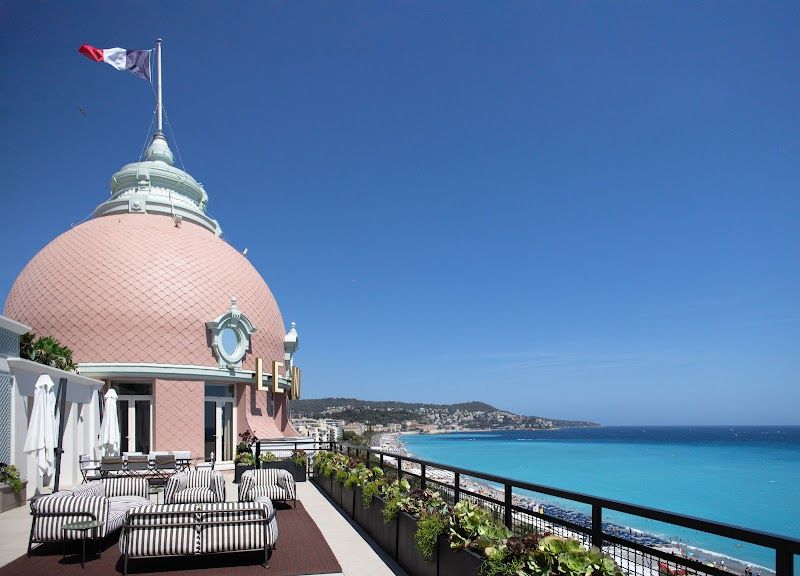
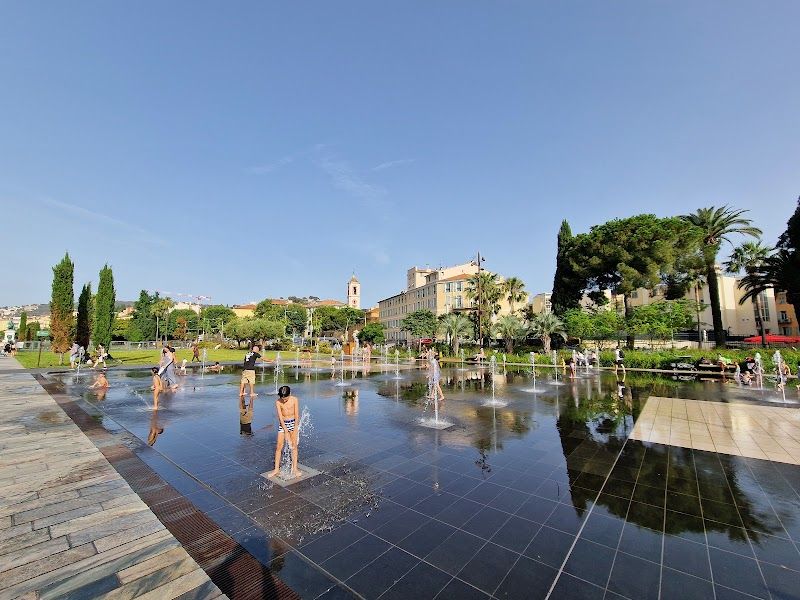
Nice wraps you in Mediterranean elegance from the moment you step off the train at Gare de Nice-Ville. The Promenade des Anglais stretches 7 kilometers along the Baie des Anges, lined with the signature blue chairs that have become synonymous with the French Riviera. The light here genuinely is different - softer, more golden - which explains why Matisse never left once he discovered it.
The city operates on vacation time even when it's not vacation season. Locals take their morning coffee seriously (EUR 1.5-3.5 at most cafés), and the pace rarely exceeds a leisurely stroll. Vieux-Nice hums with controlled activity: market vendors at Cours Saleya arrange their produce like art installations, and restaurant owners polish their sidewalk menus with genuine pride.
Marseille operates on entirely different principles. This is a working port city of 870,000 people who didn't sign up to be anyone's vacation backdrop. The Vieux-Port bustles with fishing boats unloading their catch at 6 AM while office workers grab coffee from Turkish-run cafés. The city's 26 neighborhoods each maintain distinct personalities, from the North African markets of Noailles to the gentrifying creative spaces of La Friche.
The verdict: Nice feels like a vacation from the moment you arrive. Marseille feels like real life, which can be exhausting or exhilarating depending on your energy level.
Beaches and Coastline: Pebbles vs Sand
The Nice versus Marseille beach comparison reveals fundamental differences in how these cities approach their coastlines. Nice's beaches are famously pebbly - bring a cushion or rent a beach mattress for EUR 15-20 unless you enjoy Mediterranean stone massage. The water, however, is genuinely : transparent blue that shifts from azure to turquoise depending on the depth.
Private beach clubs dominate the Nice coastline, offering structured relaxation with restaurant service directly to your lounger. Expect to pay EUR 25-40 for a day bed at places like Castel Plage or the beaches near Hôtel Negresco. Free public beaches exist between the private concessions, but space gets competitive during summer months.
Marseille's relationship with its coastline is more complicated and ultimately more rewarding. The city beaches within Marseille proper are frankly mediocre - urban and often crowded. But venture 20 minutes southeast to the Calanques National Park, and you'll discover some of Europe's most dramatic coastal scenery. These limestone fjords hide white sand beaches accessible only by hiking trails or boat.
Calanque d'En-Vau requires a 90-minute hike each way but rewards with turquoise water surrounded by white cliffs that rise 400 meters straight up. Calanque de Sormiou offers easier access and better facilities. The contrast between urban Marseille and pristine Calanques is more dramatic than anything Nice offers.
The verdict: Nice wins for convenient beach access and swimming comfort. Marseille wins for dramatic natural beauty, but you'll work for it.
Food Culture: Niçoise Refinement vs Marseille Authenticity
The food scenes in Nice versus Marseille represent two completely different approaches to Mediterranean cuisine. Nice cuisine has been refined by decades of wealthy tourists and influenced by neighboring Italy. The result is a polished version of Provençal cooking that's delicious but sometimes precious.
Nice's signature dishes include salade Niçoise (EUR 12-18 for an authentic version), socca (chickpea pancake for EUR 3-6 from street vendors), and pissaladière (onion tart that's basically French pizza). The best places to try these include Chez Pipo for socca and La Merenda for traditional Niçoise cuisine. The Cours Saleya Market offers excellent prepared foods for EUR 8-15.
Restaurant prices in Nice reflect its resort status. A mid-range dinner with wine costs EUR 35-55, while fine dining experiences run EUR 80-150. The quality is generally high, but you're paying for location and ambiance as much as food.
Marseille's food culture is more working-class and more diverse. The city's large North African population means outstanding couscous, tagines, and pastries are available throughout the city, not just in tourist zones. A proper bouillabaisse - Marseille's signature fish stew - costs around EUR 45-65 at established restaurants, but it's worth every euro when done properly.
The real food culture happens in neighborhoods like Noailles, where Moroccan spice shops sit next to Vietnamese pho counters and Senegalese bakeries. Street food is more varied and cheaper than Nice - expect to pay 30-40% less for equivalent meals.
The verdict: Nice offers refined, tourist-friendly cuisine with premium pricing. Marseille provides authentic, diverse food culture with better value.
Arts and Culture: Museums vs Street Culture
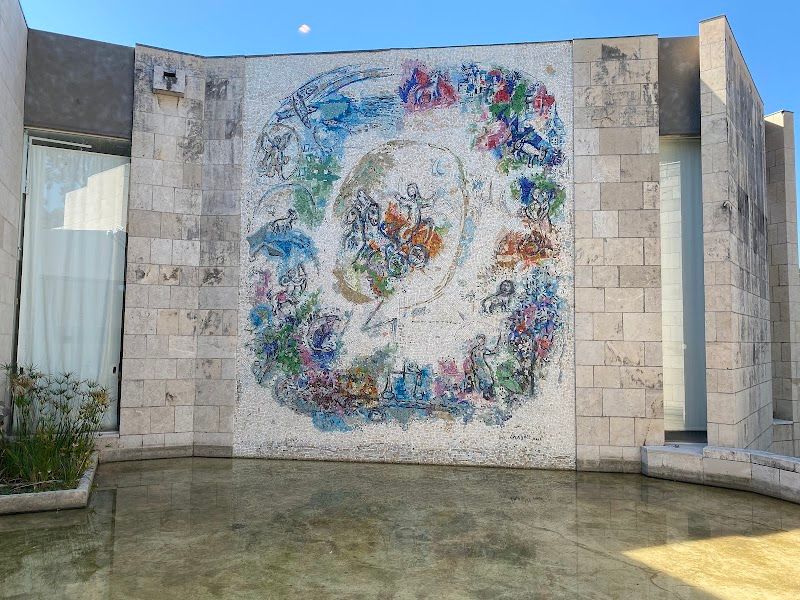
The cultural comparison between Nice and Marseille reveals different approaches to arts and heritage. Nice built its cultural reputation on museums dedicated to famous artists who lived here. The Musée Matisse (EUR 10 admission) and Musée National Marc Chagall (EUR 10) offer collections in purpose-built spaces.
Vieux-Nice itself functions as an outdoor museum, with its ochre and terracotta buildings forming Instagram-ready backdrops. The neighborhood feels preserved rather than lived-in, which creates beautiful photography opportunities but limited authentic cultural interaction.
The French Riviera Pass (EUR 28 for 3 days) provides access to 180+ regional museums and monuments, making cultural tourism efficient and cost-effective.
Marseille approaches culture differently. The city invested heavily in contemporary culture as part of its 2013 European Capital of Culture designation. MuCEM (Museum of European and Mediterranean Civilisations) sits dramatically on the harbor, connected to the 17th-century Fort Saint-Jean by a striking modern footbridge.
But Marseille's real cultural strength is its living street culture. Le Cours Julien district pulses with street art, independent galleries, and music venues that reflect the city's multicultural population. The annual Festival de Marseille brings international theater and dance to venues across the city.
The verdict: Nice excels at traditional fine arts in beautiful settings. Marseille offers contemporary culture and authentic urban arts scenes.
Transportation and Getting Around
Both cities offer excellent public transportation, but with different strengths. Nice's compact size makes everything walkable, supplemented by an efficient tram system and bus network. A single bus/tram ticket costs EUR 1.7 and includes transfers within 74 minutes. Weekly passes cost EUR 15, making public transport affordable for longer stays.
Nice Côte d'Azur Airport sits just 7 kilometers from downtown, connected by Airport Express Bus 99 (EUR 6) or taxi (EUR 35-45 fixed rate during daytime). The train station connects directly to major French and European cities, including the high-speed TGV to Paris.
Marseille operates at a larger scale with metro, bus, and tram networks covering the sprawling metropolitan area. The city feels more spread out, making public transport more essential. Marseille Provence Airport requires a 25-minute shuttle bus ride to Saint-Charles station, the main transport hub.
The TGV connects Marseille to Paris in just over 3 hours, making it more accessible than Nice for quick trips from the capital. Marseille also serves as a major ferry port for Corsica, Sardinia, and North Africa.
The verdict: Nice offers easier navigation and airport access. Marseille provides better long-distance connections but requires more planning for local transport.
Day Trips and Regional Access
Where you base yourself also decides what day trips open up, and the two cities point in opposite directions. From Nice the coast does the work: Monaco is 30 minutes by train, Cannes about 40, and the Italian border town of Ventimiglia around an hour, worth timing for its Friday market. The coastal rail line between Nice and Monaco is one of the more scenic short rides in Europe, and a single ticket keeps the whole Riviera within a day's reach.
Marseille faces inland instead. Aix-en-Provence is 35 minutes by bus, Avignon 1 hour 20 by TGV, and the lavender fields of the Valensole plateau a roughly 2-hour drive that only pays off from late June to mid-July. Closer in, the Calanques boat trip from the Vieux-Port reaches limestone inlets like En-Vau and Sormiou that you cannot get to any other way.
The verdict: Nice for stringing together Riviera towns by train, Marseille for Provence's interior and the Calanques.
Budget Breakdown: What Each City Actually Costs
The cost difference between Nice versus Marseille is significant and consistent across all spending categories. Nice operates as a resort destination with corresponding prices, while Marseille maintains working-city affordability.
Accommodation Costs
| Category | Nice | Marseille | Difference |
|---|---|---|---|
| Hostel dorm bed | EUR 25-45 | EUR 18-35 | 25% cheaper |
| Budget hotel double | EUR 60-95 | EUR 45-75 | 30% cheaper |
| Mid-range hotel | EUR 100-180 | EUR 70-130 | 35% cheaper |
| Boutique hotel | EUR 150-280 | EUR 100-200 | 35% cheaper |
Daily Expenses
Nice daily budget estimates:
- Budget traveler: EUR 70-90 per day
- Mid-range traveler: EUR 120-160 per day
- Luxury traveler: EUR 250+ per day
Marseille daily budget estimates:
- Budget traveler: EUR 50-70 per day
- Mid-range traveler: EUR 85-120 per day
- Luxury traveler: EUR 180+ per day
Restaurant prices show the clearest difference. A basic lunch in Nice costs EUR 15-20, while the same meal in Marseille runs EUR 10-15. Evening dining shows even larger gaps - mid-range dinners with wine cost EUR 35-55 in Nice versus EUR 25-40 in Marseille.
The verdict: Marseille offers 25-35% better value across all spending categories while delivering equal or superior experiences in many areas.
Neighborhoods: Where to Base Yourself
Choosing the right neighborhood significantly impacts your experience in either city. In Nice, Vieux-Nice puts you within walking distance of markets, restaurants, and major sights. The narrow streets can feel touristy, but the location can't be beaten for first-time visitors.
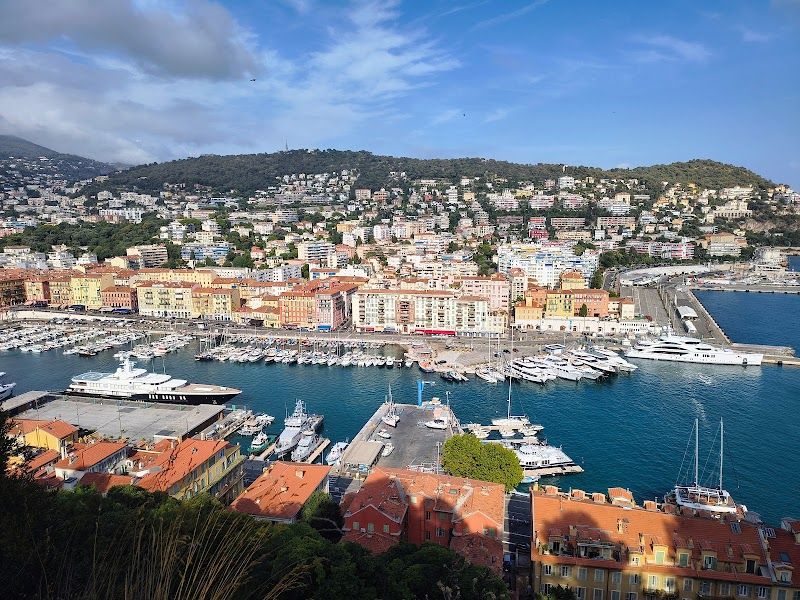
The Promenade des Anglais area offers easier access to beaches and more hotel options, but feels more resort-like and less authentically French. Cimiez provides a residential feel with proximity to major museums, while the Port area offers a slightly grittier alternative with excellent restaurants.
Marseille's neighborhood choice is more crucial because the city is larger and more varied. The Vieux-Port area provides tourist-friendly accommodation with easy access to ferries and major sights. Le Panier, the old town, offers authentic character but can feel isolated at night.
For a more local experience, consider Cours Julien for its arts scene and restaurant variety, or Notre-Dame-du-Mont for residential charm with good transport connections. Avoid staying too far from the center unless you're comfortable navigating public transport.
The verdict: Nice's compact size makes neighborhood choice less critical. Marseille rewards careful neighborhood selection with more authentic experiences.
Weather and Best Times to Visit
Both cities enjoy Mediterranean climates, but subtle differences affect when to visit. Nice benefits from its position on the French Riviera, with slightly milder winters and more consistent sunshine. Average temperatures range from 13°C in January to 27°C in July.
The city stays pleasant year-round, making it viable for winter visits when hotel prices drop significantly. Spring (April-May) and fall (September-October) offer the best balance of good weather and manageable crowds.
Marseille experiences slightly more extreme temperatures and wind, particularly the famous Mistral that can make winter days feel harsh despite mild temperatures. However, the city receives fewer tourists outside summer months, creating opportunities for authentic local experiences.
Summer in both cities brings crowds and heat, but Marseille handles the influx better due to its size and working-city mentality. Nice can feel overwhelmed during peak season (July-August) when accommodation prices double and beaches become uncomfortably crowded.
The verdict: Nice offers more consistent weather year-round. Marseille provides better value and fewer crowds outside peak season.
The Final Verdict: Which City Should You Choose?
The choice between Nice and Marseille ultimately comes down to your travel priorities and personality. Choose Nice if you want refined beauty, convenient beach access, museums, and don't mind paying premium prices for a polished experience. The city rewards those seeking relaxation and traditional French Riviera glamour.
Choose Marseille if you want authentic cultural immersion, diverse neighborhoods, better food value, and dramatic natural scenery within reach. The city challenges visitors but rewards them with genuine local experiences and significant cost savings.
For first-time visitors to the French Mediterranean, Nice offers easier navigation and more concentrated attractions. The city delivers exactly what most travelers expect from the Côte d'Azur, making it nearly impossible to have a bad experience.
Marseille requires more effort but provides deeper rewards. The city offers authentic French urban culture without tourist veneer, plus access to some of Europe's most spectacular coastal landscapes in the nearby Calanques.
Our recommendation: If you can only visit one, choose based on your budget and energy level. Nice for relaxation and convenience, Marseille for adventure and authenticity. If you have a week, spend 3-4 days in your primary choice and 2-3 days exploring the other - they're connected by frequent trains that take just 2.5 hours.
Both cities offer compelling Mediterranean experiences, just with completely different personalities. The real question isn't which is better, but which matches what you're seeking from your French coastal adventure. For more detailed planning advice, check out our complete Nice travel guide or 3-day Nice itinerary to help structure your visit.