Nice in summer is a tale of two cities. There's the postcard version where bronzed locals sip rosé on the Promenade des Anglais while gentle Mediterranean breezes cool the air. Then there's the reality: temperatures reaching 28°C by 2pm, beaches so crowded you need to arrive by 9am for a decent spot, and hotel prices that triple from their winter rates.
The question isn't whether Nice is beautiful in summer (it is), but whether you can handle the heat, crowds, and costs that come with visiting France's most famous beach destination during peak season. After spending countless July and August days walking the cobblestones of Vieux-Nice and dodging umbrellas on the pebble beaches, here's what you actually need to know.
Nice Summer Weather: The Real Numbers
Nice summer weather delivers exactly what you'd expect from the Mediterranean: hot, dry days with minimal rain and plenty of sunshine. July and August average 28°C (82°F) during the day, but the afternoon sun reflecting off the Baie des Anges can push temperatures well into the low 30s. The saving grace is the sea breeze, which kicks in around 3pm most days and makes the heat bearable if you're near the coast.
Rain is rare but intense when it arrives. Nice gets about 3-4 rainy days per month in summer, usually in the form of dramatic afternoon thunderstorms that clear within an hour. Pack a light rain jacket because when these storms hit, they turn the narrow streets of Old Nice into temporary rivers.
The Mediterranean reaches its warmest temperatures in summer, hovering around 24°C (75°F) in July and August. This is warm enough for comfortable swimming, though the pebble beaches mean you'll want water shoes or be prepared for some uncomfortable stepping.
Sunrise comes early (around 6am) and sunset late (after 9pm), giving you roughly 15 hours of daylight. This extended daylight is one of summer's genuine advantages, allowing for long beach days and late dinners on terraces without feeling rushed.
July vs August: Timing Your Nice Summer Visit
The difference between visiting Nice in July versus August comes down to crowds, prices, and the French vacation calendar. July is marginally better for several reasons. French workers typically take their annual holidays in August, meaning domestic tourism peaks then. International visitors also tend to favor August, creating a perfect storm of overcrowding.
Hotel prices reflect this reality starkly. A mid-range hotel double room that costs EUR 100-180 per night becomes significantly more expensive in August, with many properties commanding their highest rates of the year. Book by March if you're committed to an August trip, or consider July for slightly better availability and marginally lower prices.
Cours Saleya Market exemplifies the July versus August difference. In July, you can still navigate the morning flower and produce stalls without constant shoulder-bumping. By August, the market becomes a slow-moving parade of tourists, making it difficult to actually shop or enjoy the experience.
Restaurant reservations become critical in August. Places like La Merenda that don't take reservations will have hour-long waits, while establishments that do book reservations fill up days in advance. July gives you more flexibility for spontaneous dining.
Beach Life: Pebbles, Crowds, and Costs
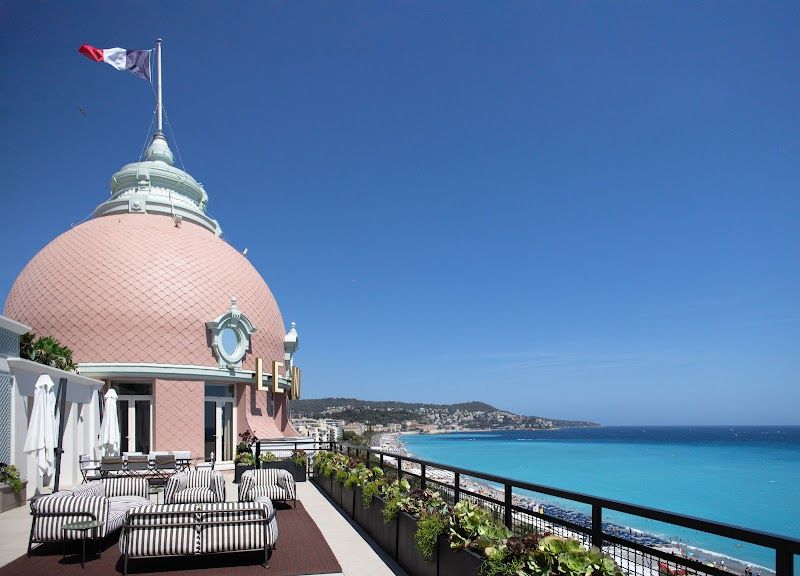
Nice's beaches are pebbles, not sand, and this reality becomes more pronounced when you're competing for space with thousands of other visitors. The free public beaches along the Promenade des Anglais fill up by 9am in summer, with the best spots (those with some shelter from the afternoon sun) claimed even earlier.
Private beach clubs offer an escape from the crowds but at a significant cost. A day bed at establishments like Castel Plage runs around EUR 25-35 per person, and that's before food and drinks. The trade-off is immediate: service, comfort, and guaranteed space versus the free-for-all of public beaches.
The pebbles themselves become uncomfortably hot by midday. Locals know to bring foam mats or towels thick enough to provide real insulation. Tourists often underestimate this and end up purchasing overpriced beach mats from the promenade vendors for around EUR 15-20.
Water conditions are generally excellent in summer. The Mediterranean is calm most days, with waves suitable for gentle swimming rather than surfing. Water clarity is exceptional, though the rocky bottom means careful entry and exit from the water.
Getting Around Nice During Summer Peak Season
Nice's public transportation system gets stressed during summer, particularly the coastal tram line that connects the airport to the city center. The Ligne d'Azur tram cars become uncomfortably crowded between 10am and 4pm, when beach-bound tourists overlap with local commuters.
Purchase a weekly pass for EUR 15 if you're staying more than four days. Single tickets at EUR 1.7 each add up quickly, and you'll avoid the frustration of queuing at ticket machines during peak hours. The weekly pass covers both buses and trams across the Nice network.
Taxis become more expensive and less reliable during summer. The fixed rate from Nice Airport to the city center (EUR 35-45) often includes waiting time surcharges, and finding available taxis during peak afternoon hours requires patience or advance booking.
Walking becomes the most predictable option for getting around the city center. The distance from Place Masséna to the eastern end of Vieux-Nice is only about 15 minutes on foot, and you'll avoid the crowded public transport entirely.
Nice Summer Activities: What Works and What Doesn't
Summer fundamentally changes how you should approach Nice's attractions. Indoor museums become refuges from the afternoon heat rather than rainy-day alternatives. The Musée Matisse Nice in Cimiez offers air conditioning and a break from the intensity of the Promenade, though at EUR 10 admission, plan to spend at least two hours to justify the cost.
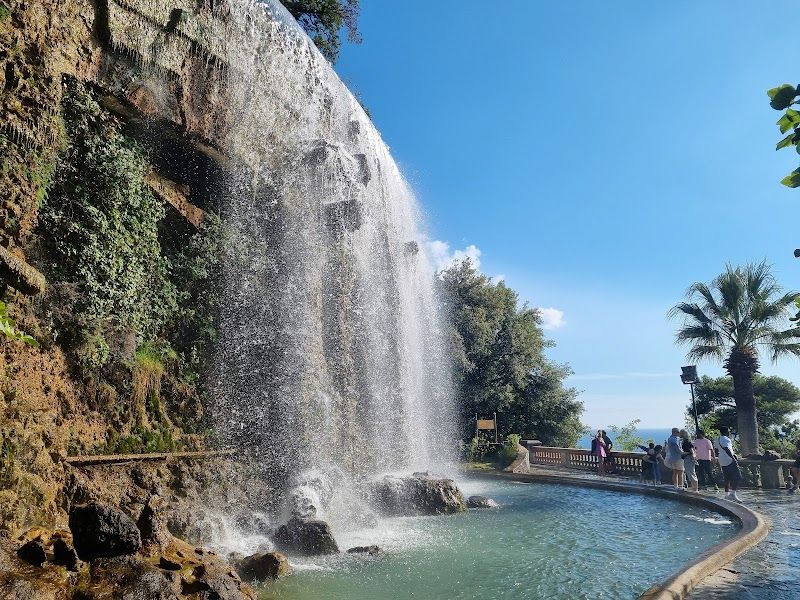
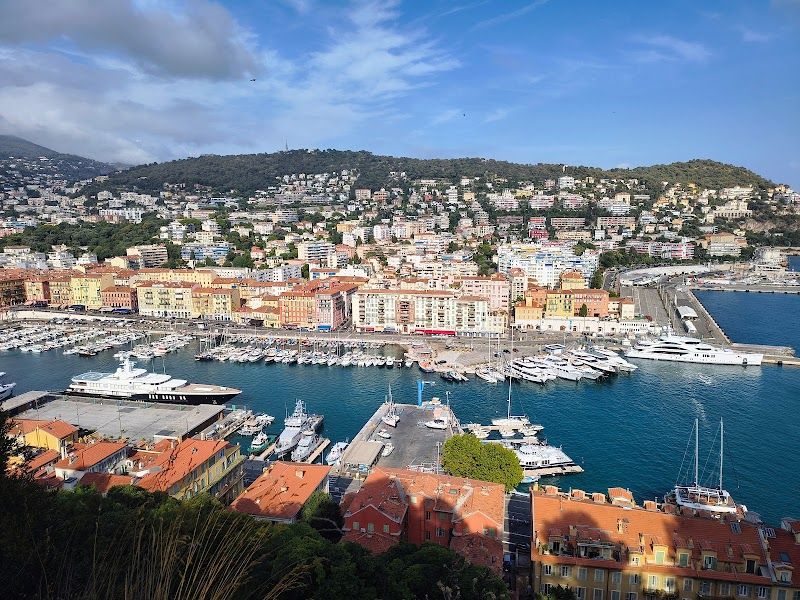
Early morning exploration works best for outdoor sights. Colline du Chateau provides spectacular views over the city and coast, but the climb becomes genuinely unpleasant after 10am when the sun hits the pathways directly. The elevator costs EUR 1.1 and operates from 9am, making it a sensible alternative to the hiking trails during summer heat.
Evening activities extend later into the night, which is summer's major advantage. The extended daylight means dinner doesn't start until 8pm or later, and the Promenade des Anglais remains active well past 10pm. This Mediterranean rhythm suits travelers who enjoy late dinners and extended people-watching.
Day trips become more complicated in summer due to transportation crowds and heat. The train to Monaco or Cannes fills up by mid-morning, and coastal hiking trails become unsafe during the afternoon heat. Plan excursions for very early morning departures or accept that you'll be traveling with significant crowds.
Dining in Nice Summer: Market Timing and Heat Considerations
Nice's food scene adapts to summer with earlier market closures and later restaurant service. Cours Saleya Market effectively ends by 1pm when vendors pack up to escape the heat, meaning morning visits are mandatory for the best selection and experience.
Traditional Niçois dishes like socca become more challenging to enjoy during peak heat. The chickpea flatbread sold for EUR 3-6 at places like Chez René Socca is cooked in wood-fired ovens that make the already-hot streets even warmer. Local timing is key: arrive right when they open or wait until the late afternoon preparation.
Outdoor dining becomes an evening-only pleasure. Lunch on a terrace in July or August sun is genuinely uncomfortable, despite the romantic image. Smart restaurants provide shade structures, but many don't, leaving diners wilting over their salade Niçoise.
Wine lists shift toward lighter options during summer. Local rosé dominates restaurant selections, priced around EUR 5-9 per glass at typical establishments. The heavier red wines of the region become less appealing when temperatures climb, though they remain available for visitors who prefer them.
Accommodation Strategy for Nice Summer Visits
Summer accommodation in Nice requires early booking and realistic budget expectations. Mid-range hotel rooms (EUR 100-180 in other seasons) can reach EUR 200-250 per night during July and August peak periods. The closer to the Promenade des Anglais, the higher the premium.
Air conditioning becomes non-negotiable rather than optional. Many older hotels in Vieux-Nice lack effective cooling, relying on ceiling fans and open windows. This might work in spring or fall, but summer heat makes air conditioning essential for comfortable sleep.
Location matters more in summer because of the heat and crowds. Staying near Place Masséna or along the Promenade minimizes walking time during the hottest parts of the day. Budget options further from the center might save money but cost significant comfort and time.
Book breakfast included when possible. The combination of early market closures and crowded cafes makes securing a reliable morning meal more challenging during peak season. Hotel breakfast, while rarely exceptional, guarantees you'll start the day fed without queuing or searching for available tables.
Budget Reality: Nice Summer Costs
Summer dramatically inflates Nice's already-high costs across every category. Restaurant prices don't typically increase seasonally, but availability decreases, forcing visitors toward more expensive options when budget choices are fully booked.
Beach-related costs multiply during summer. Umbrella rentals, chair rentals, and private beach access all command premium pricing. A simple day at the beach can easily cost EUR 40-50 per person when you factor in drinks, shade, and comfortable seating.
Transportation costs increase through convenience fees rather than direct price hikes. Taxi waiting times lead to higher bills, and the pressure to use ride-sharing services during peak demand results in surge pricing that can double normal rates.
Museum visits become better value during summer because they provide genuine relief from heat and crowds. The French Riviera Pass at EUR 28 for three days offers access to multiple air-conditioned cultural sites, making it more valuable during hot weather than in moderate seasons.
Should You Visit Nice in Summer?
The decision to visit Nice in summer depends on your tolerance for crowds, heat, and higher costs versus your desire for guaranteed warm weather and extended daylight hours. If you're seeking the classic Mediterranean beach vacation with warm swimming, late dinners, and postcardworthy sunshine, summer delivers exactly that experience.
However, if you prefer exploring cities at a relaxed pace, discovering local restaurants without reservations, or experiencing destinations with manageable crowds, Nice in summer will frustrate you. The city becomes a very different place during peak season, prioritizing beach tourism over cultural exploration.
Consider your specific travel style and priorities. Photography enthusiasts will find harsh midday light challenging but beautiful golden hour sessions. Food lovers will encounter market produce but crowded restaurants. Beach lovers will enjoy warm water but compete for space.
For first-time visitors, summer provides the quintessential Côte d'Azur experience depicted in films and travel magazines. For repeat visitors or those seeking a more authentic French Riviera experience, shoulder seasons offer significantly more value and comfort. The choice comes down to whether you're visiting Nice for the summer beach scene specifically or for the city itself.
Our comprehensive First Time in Nice guide and 2-3 Days in Nice itinerary provide detailed planning advice that applies regardless of season, while our Niçoise cuisine guide helps navigate the city's food scene during any time of year.