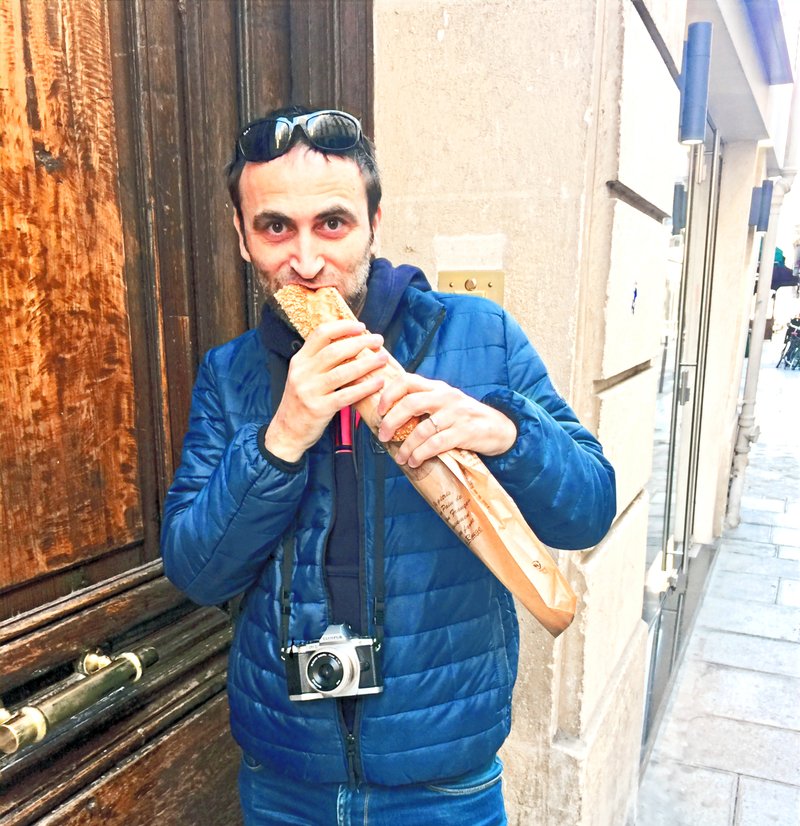
Liverpool Food Week has become the city's biggest annual culinary celebration, and for good reason. This October festival transforms Liverpool's already impressive dining scene into a week-long feast that draws food lovers from across the UK. But here's the truth: not every event is worth your time or money, and timing your visit correctly makes the difference between a mediocre food tour and an eating experience.
Liverpool Food Week 2026 runs from October 12-19, with most restaurant specials and events concentrated from Thursday through Sunday. The festival has grown significantly since its launch, now featuring over 150 participating restaurants, pop-up events, and special dining experiences across the city's four main food neighborhoods.
What Makes Liverpool Food Week Worth Planning Around
Liverpool's food scene has evolved dramatically over the past decade. The city that once relied heavily on traditional pub grub now hosts everything from Michelin-recommended restaurants to innovative street food markets. Liverpool Food Week amplifies this transformation by offering prix fixe menus, exclusive tastings, and collaborations you won't find during the rest of the year.
The festival operates differently from similar events in other cities. Rather than requiring advance tickets for most experiences, many participating restaurants offer special menus throughout the week. However, the marquee events - chef collaborations, wine dinners, and unique venue takeovers - do require advance booking and often sell out within days of tickets going live.
Ticket sales for premium Liverpool food festival events typically open in early August, with early bird pricing available through mid-September. The most sought-after experiences include multi-course dinners at top restaurants, guided food tours, and pop-up events in unusual locations like the Royal Liver Building or Liverpool Cathedral.
Best Liverpool Food Week Restaurants and Events
Bold Street Food Week Highlights
Bold Street serves as the epicenter of Liverpool Food Week activities. This half-kilometer stretch hosts the highest concentration of participating independent restaurants, making it the obvious starting point for food week planning.
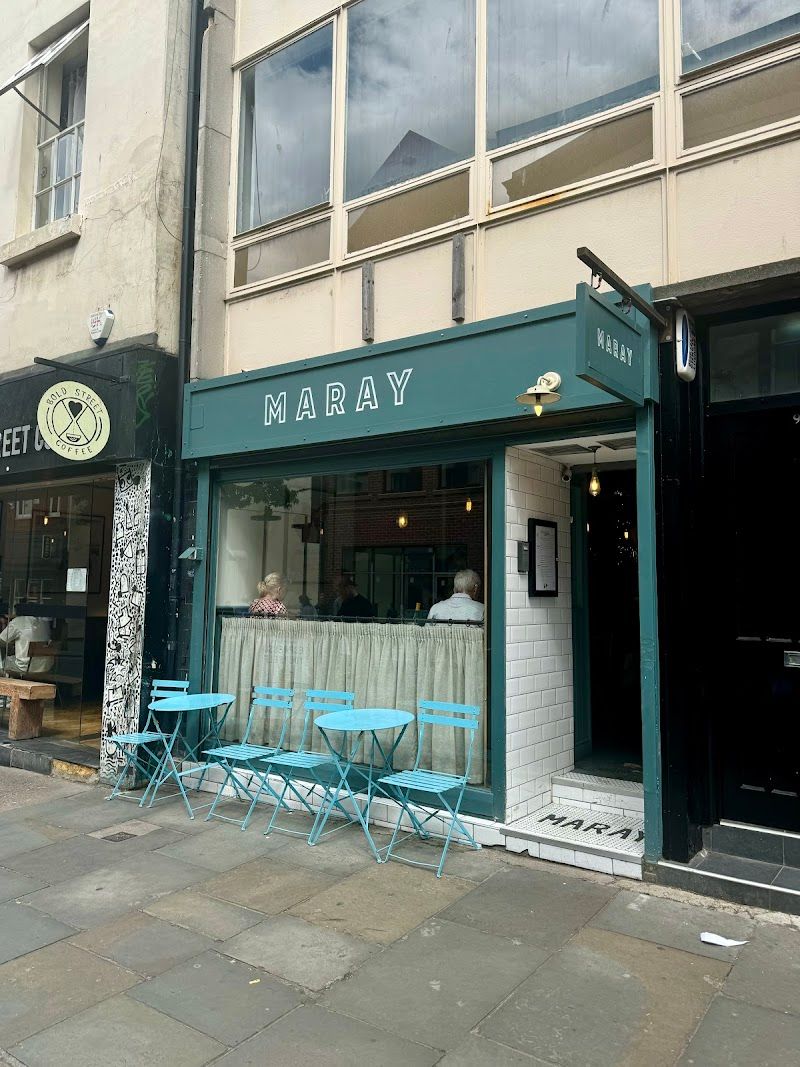
Maray Bold Street typically offers their most adventurous menu during food week, extending beyond their usual Middle Eastern-inspired dishes. Expect around GBP 35-45 for their food week tasting menu, which usually includes wine pairings. The restaurant books up quickly, so reserve as soon as bookings open.
The Art School Restaurant presents their most ambitious offering during food week - usually a seven-course tasting menu that showcases local ingredients in unexpected ways. This fine dining experience runs approximately GBP 80-95 per person and represents one of the city's best culinary experiences during the festival.
Wreckfish Bistro creates special menus that highlight their fish-focused approach, often featuring catches from Liverpool Bay. Their food week menu typically costs around GBP 40-55 and offers excellent value for the quality and creativity involved.
Baltic Triangle Food Events
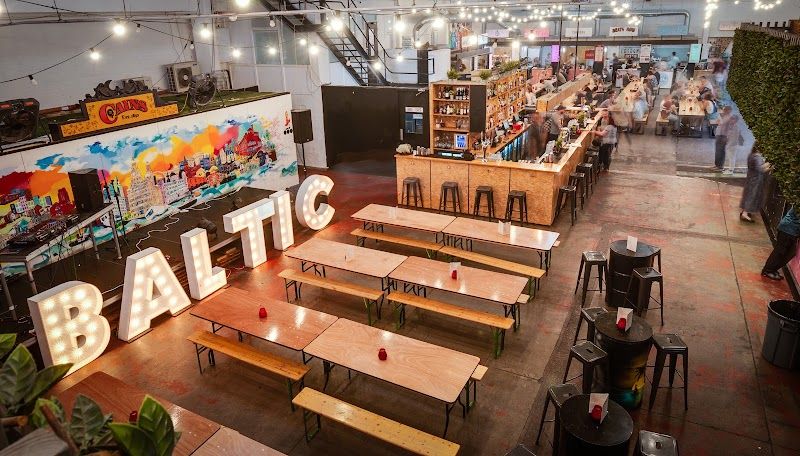
The Baltic Triangle transforms during Liverpool Food Week, with Baltic Market serving as the hub for casual dining events and street food collaborations.
Baltic Market Food Week Specials include extended weekend hours, pop-up stalls from visiting vendors, and collaborative dishes between resident traders. Entry remains free, but expect to spend GBP 15-25 for a substantial meal from multiple vendors.
Camp and Furnace hosts some of the festival's most creative events, from multi-chef collaborations to themed dining experiences. Their food week events typically range from GBP 25-60 depending on the format and participating chefs.
Albert Dock Dining Experiences
The Albert Dock area participates in food week with events that combine dining with the waterfront setting. Several restaurants offer special outdoor dining experiences, weather permitting, with prices generally 20-30% higher than their Bold Street counterparts due to the premium location.
Liverpool Restaurant Week vs Liverpool Food Week: Understanding the Difference
Many visitors confuse Liverpool Food Week with other dining promotions that occur throughout the year. Liverpool restaurant week events happen multiple times annually, typically offering prix fixe menus at reduced prices. These smaller-scale promotions focus primarily on established restaurants providing value-oriented meals.
Liverpool Food Week, by contrast, emphasizes culinary innovation, collaboration, and unique experiences. The October festival includes restaurant specials but extends far beyond discounted meals to encompass food markets, cooking demonstrations, producer showcases, and venue takeovers that happen only during this week.
The key difference in pricing: restaurant week menus typically offer 2-3 courses for GBP 15-25, while food week experiences range from GBP 8 street food specials to GBP 100+ chef collaboration dinners. Food week targets food enthusiasts willing to pay for unique experiences rather than diners simply seeking good value.
Essential Liverpool Dining Week Events by Neighborhood
Cavern Quarter Food Scene
The Cavern Quarter participates in food week with events that blend the area's musical heritage with culinary experiences. Hard Days Night Hotel typically hosts Beatles-themed dining experiences, while nearby restaurants create special menus inspired by 1960s Liverpool.
Mowgli Street Food offers extended menus during food week, often featuring dishes not available during regular service. Their food week specials usually add GBP 3-5 to regular pricing but include unique preparations worth the premium.
The Philharmonic Dining Rooms combines their historic pub atmosphere with elevated food week menus, typically featuring local ingredients and traditional preparations with modern twists. Expect around GBP 18-28 for their food week offerings.
Georgian Quarter Contributions
The Georgian Quarter, primarily accessed through Bold Street, hosts some of the week's most sophisticated dining experiences. The area's concentration of independent restaurants means multiple options within walking distance, making it ideal for progressive dinners or restaurant hopping.
Restaurants in this area typically increase their food week prices by 15-25% over regular menu pricing, but the special preparations and exclusive dishes justify the premium. Many offer wine pairings curated specifically for food week menus.
Booking Strategy for Liverpool Food Events
Successful Liverpool Food Week planning requires understanding the booking timeline and prioritizing experiences based on your interests and budget. Here's the strategic approach that works:
August (Early Bird Phase): Premium experiences go on sale, often with 10-15% early bird discounts. Book marquee dinners, chef collaborations, and unique venue experiences during this phase.
September (General Booking): Regular restaurant specials become bookable, and most venues announce their food week menus. This is when you'll have the best selection for mid-range dining experiences.
October (Last Minute): Some restaurants add walk-in specials, and cancellations create opportunities for sold-out events. However, the most popular experiences will be unavailable.
What to Book First
Prioritize experiences that only happen during food week: chef collaborations, venue takeovers, and exclusive tastings. Regular restaurant specials, while excellent, represent enhanced versions of normally available dining rather than once-per-year opportunities.
Chef collaboration dinners typically range from GBP 60-120 and feature multiple chefs creating unified menus. These sell out first and rarely have cancellations.
Venue takeovers - dining experiences in unusual locations like museums or historic buildings - range from GBP 35-80 and offer Instagram-worthy settings alongside quality food.
Guided food tours cost approximately GBP 25-45 and provide structured ways to experience multiple venues, particularly valuable for first-time visitors to Liverpool's food scene.
Budget Planning for Liverpool Food Week
Liverpool Food Week accommodates various budgets, but planning ahead prevents overspending while ensuring access to desired experiences. Here's realistic budget planning by spending level:
Budget-Conscious Approach (GBP 80-120 total)
Focus on Baltic Market specials, street food pop-ups, and restaurant lunch menus rather than dinner experiences. Many venues offer identical food week preparations at lunch prices 30-40% lower than dinner pricing.
Strategy: Visit 2-3 restaurants for lunch specials (GBP 12-18 each), attend 1-2 free events like producer showcases, and spend one evening at Baltic Market for diverse tastings (GBP 20-30 total).
Mid-Range Experience (GBP 200-350 total)
Combine restaurant specials with 1-2 premium experiences. Book one chef collaboration dinner and fill remaining days with restaurant week menus and market events.
Strategy: One premium dinner experience (GBP 60-80), 3-4 restaurant specials (GBP 25-40 each), and market/casual dining for remaining meals.
Food Enthusiast Budget (GBP 400+ total)
Prioritize unique experiences and book multiple premium events. This budget allows participation in the festival's most exclusive offerings while sampling broadly across neighborhoods.
Strategy: 2-3 premium dinners, guided food tour, multiple restaurant specials, and flexibility for spontaneous discoveries during the week.
Getting Around During Liverpool Food Week
Liverpool's compact city center means most food week venues sit within walking distance of each other. However, understanding transportation options prevents missed reservations and allows efficient venue hopping.
Walking remains the best option for Bold Street and Georgian Quarter restaurants, with most venues within a 10-minute walk of each other. The area's pedestrian-friendly streets and clear signage make navigation straightforward.
Public Transportation becomes necessary for Baltic Triangle venues and Albert Dock restaurants. The Saveaway day pass at GBP 9.8 provides unlimited bus and rail travel, worthwhile if visiting multiple neighborhoods in one day.
Taxi Services offer convenience for evening events, particularly when moving between distant venues or after drinking with dinner. Budget approximately GBP 8-15 for trips between main food districts.
Food Week Timeline and Daily Planning
Liverpool Food Week events follow predictable patterns that help optimize your visit timing:
Monday-Wednesday: Fewer events but better availability at participating restaurants. Ideal for visitors who prefer smaller crowds and easier reservations.
Thursday-Friday: Peak activity begins with most special events and full restaurant participation. Book dinner reservations well in advance for these days.
Weekend: Maximum events and crowds. Saturday offers the most diverse programming, while Sunday often features brunch specials and family-friendly events.
Daily Event Categories
Lunch Events (12:00-15:00): Restaurant specials, producer showcases, and casual tastings. Generally more affordable and accessible than evening events.
Afternoon Programming (15:00-18:00): Cooking demonstrations, market tours, and beverage tastings. Often free or low-cost educational experiences.
Evening Experiences (18:00-23:00): Premium dinners, chef collaborations, and exclusive venue events. Highest prices but most memorable experiences.
Beyond Food Week: Liverpool's Year-Round Food Scene
While Liverpool Food Week provides an excellent introduction to the city's culinary landscape, Liverpool's dining scene merits attention throughout the year. Understanding the city's food culture helps maximize your food week experience and provides context for what makes the festival special.
Liverpool's Local Specialties extend beyond the famous Scouse stew (available at most pubs for GBP 8-14). The city's maritime history influences its seafood preparation, while its multicultural population has created fusion cuisines unique to Liverpool.
Seasonal Dining Patterns in Liverpool favor hearty preparations during cooler months and lighter, seafood-focused menus during summer. Food week timing in October captures the transition period when restaurants showcase both approaches.
Independent Restaurant Culture dominates Liverpool's food scene more than in comparable UK cities. This independence allows for the creativity and collaboration that makes food week possible, as restaurant owners can experiment without corporate constraints.
For comprehensive year-round dining guidance, refer to our detailed Liverpool food guide covering Bold Street, Baltic Market, and traditional Scouse cuisine.
Making the Most of Your Liverpool Food Week Visit
Success during Liverpool Food Week requires balancing planned experiences with spontaneous discoveries. The festival's strength lies in encouraging both food week specials and exploration of Liverpool's broader culinary landscape.
Combination Strategy: Book 2-3 must-have experiences in advance, then leave flexibility for discoveries during your visit. Many of the week's best moments happen through casual conversations with restaurant staff or stumbling upon pop-up events.
Neighborhood Hopping: Rather than concentrating all dining in one area, experience how different neighborhoods interpret food week themes. Bold Street offers sophistication, Baltic Triangle provides creativity, and Albert Dock delivers atmosphere.
Local Interaction: Liverpool's food scene benefits from genuine local pride and knowledge. Restaurant staff, market vendors, and fellow diners often provide recommendations that surpass guidebook suggestions.
Liverpool Food Week represents more than discounted meals or trendy events - it captures Liverpool's transformation from a city recovering from economic decline to a destination that confidently showcases its creativity and culture through food. Whether you invest GBP 100 or GBP 500 in the experience, approach it as an opportunity to understand Liverpool through its most passionate residents: the people who cook, serve, and celebrate food as expression of place and identity.
Plan ahead, book strategically, but most importantly, arrive hungry and curious. Liverpool Food Week rewards both approaches with memories that extend far beyond the final meal.