Choosing between Europa-Park and PortAventura means picking between two completely different theme park philosophies. Germania's family-focused precision versus Catalonia's sun-soaked thrills. Both rank among the best European theme parks, but they deliver fundamentally different experiences.
The europa park vs portaventura debate splits European families every summer. Europa-Park in Rust, Germany offers 100 rides across meticulously themed European countries, while PortAventura near Salou, Spain serves up intense coasters in Mediterranean heat. Your choice depends on whether you prioritize German efficiency or Spanish sunshine, family balance or teenage thrills.
We spent two weeks testing both parks with families across age ranges. Here's the honest verdict on which delivers better value for your European theme park vacation.
Park Scale and Layout: Size Matters Differently
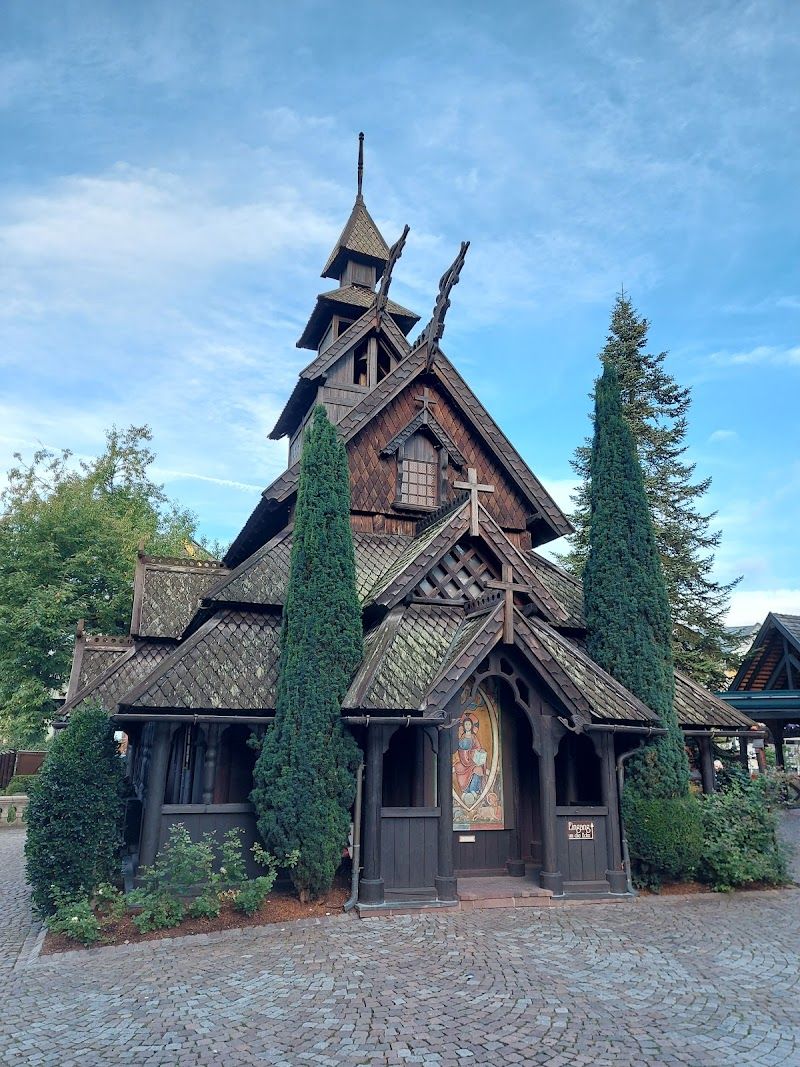
Europa-Park covers 95 hectares with 18 themed areas representing European countries. Each zone feels like stepping into a different nation - authentic Bavarian timber framing in Germany, Tuscan campaniles in Italy, Andalusian courtyards in Spain. The thrill rides integrate seamlessly into this European tour concept.
Walk from France's Blue Fire Megacoaster launch zone through cobblestone streets to Italy's Ristorante Bella Italia, then continue to Iceland's mythological Euro-Mir spinning coaster. Each transition feels natural, like crossing actual European borders.
PortAventura spans 117 hectares across six themed worlds: Mediterrània, Far West, México, China, Polynesia, and SésamoAventura. The theming skews broader and more fantasy-driven than Europa-Park's cultural accuracy. Far West recreates Hollywood Western movie sets rather than authentic American frontier history. China area borrows from multiple Asian cultures without cohesive storytelling.
The layout advantage goes to Europa-Park. German engineers designed logical pathways that prevent bottlenecks. You can navigate the entire park systematically without backtracking. Start in Germany, work clockwise through France, Switzerland, Austria, and return through Scandinavia. This touring pattern minimizes walking while maximizing attraction coverage.
PortAventura's hub-and-spoke design forces repeated returns to the central Mediterrània plaza, eating time and energy. Reaching Polynesia from Far West requires walking entirely across the park. Families waste 30-40 minutes daily just navigating illogical pathways.
Europa-Park operates year-round with indoor backup attractions for winter weather. Voletarium flight simulator, Arthur in the Minimoys Kingdom dark ride, and multiple theater shows keep visitors entertained regardless of conditions. PortAventura closes major coasters November through February, making it essentially a seasonal operation despite Spain's mild climate.
Roller Coaster Showdown: Quantity vs Intensity
This comparison hinges on what type of thrills your family craves. PortAventura wins on pure adrenaline. Shambhala hypercoaster delivers 134 mph speeds and 76-meter drops that leave Europa-Park's coasters looking tame. The ride's 20 airtime moments create genuine weightlessness sensations. Dragon Khan's eight inversions include a 78-meter drop into a vertical loop that induces temporary blackouts in sensitive riders. Furius Baco's wing-walker design launches 0-135 km/h in 3.5 seconds with riders suspended beside the track.
Red Force, PortAventura's newest addition, accelerates 0-180 km/h in five seconds before shooting riders 112 meters vertical - Europe's tallest coaster launch. The intensity level genuinely terrifies even experienced enthusiasts.
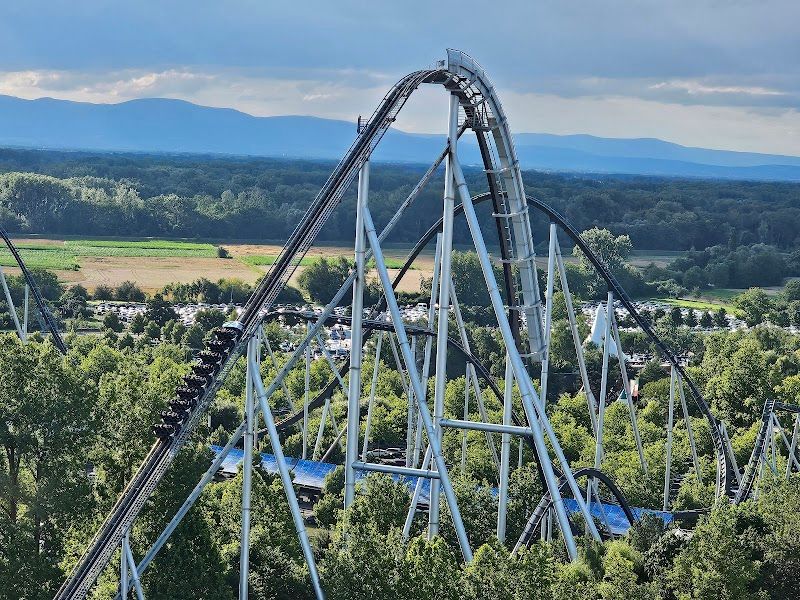
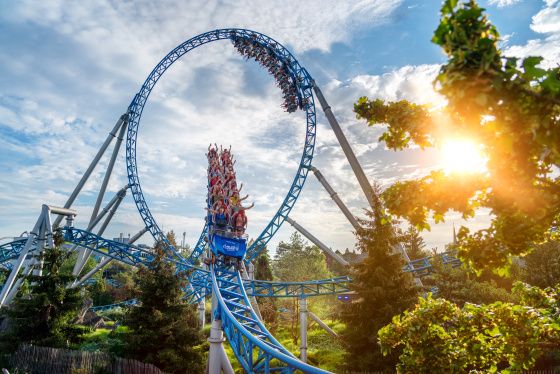
Europa-Park counters with variety and accessibility. Silver Star reaches 130 km/h but focuses on airtime over raw terror. The 73-meter hypercoaster delivers smooth floating sensations without violent forces. Blue Fire Megacoaster launches smoothly without the jarring violence of PortAventura's accelerator coasters. Its inversions feel controlled rather than punishing.
Wodan Timburcoaster proves wooden coasters can thrill without bruising. This Great Coasters International creation weaves through Iceland's rocky landscape with lateral forces that excite rather than exhaust. Euro-Mir spinning coaster adds disorientation elements without extreme G-forces.
Poseidon water coaster combines thrill elements with splash cooling - summer heat. The backwards launch catches riders off-guard, but intensity remains family-appropriate.
For families with mixed ages, Europa-Park's coaster collection works better. Height requirements start at 1.0 meters for some attractions versus PortAventura's 1.4-meter minimums for major coasters. Ride experiences scale gradually, and even intense attractions maintain comfort levels that don't traumatize younger riders.
PortAventura suits teens and young adults who measure vacation success in G-forces. If your group includes anyone under 12 or over 50, Europa-Park's gentler approach prevents half your party from sitting out major attractions.
Beyond Coasters: Family Entertainment Value
Europa-Park dominates family entertainment breadth. Voletarium flight simulator rivals Disney's Soarin' technology. The 15-minute journey soars over European landmarks with scent effects, wind simulation, and 4K projection quality. Riders experience flying over Neuschwanstein Castle, Swiss Alpine peaks, and Mediterranean coastlines.
Piraten in Batavia dark ride combines animatronics with boat transport through detailed pirate scenes. The 12-minute journey includes burning ship effects, sword-fighting pirates, and treasure cave discoveries. Audio-animatronic figures rival Disney quality with fluid movements and realistic facial expressions.
Arthur in the Minimoys Kingdom offers interactive dark ride gaming that keeps kids replaying. Riders shrink to insect size and navigate Minimoy villages using spinning vehicles that respond to steering inputs. The attraction combines 4D film sequences with physical sets seamlessly.
Märchenwald fairytale forest provides peaceful relief from ride intensity. These walking paths through Grimm brothers scenes work perfectly for toddlers and grandparents. Detailed dioramas tell Sleeping Beauty, Hansel and Gretel, and Rumpelstiltskin stories with moving figures and atmospheric sound.
PortAventura's non-coaster lineup feels thin by comparison. Sesame Street area works for toddlers with age-appropriate rides and meet-and-greet opportunities. However, the park lacks substantial dark rides or immersive experiences between thrill attractions. Shows run inconsistently, with many evening performances canceled during shoulder seasons. Temple del Fuego stunt show provides decent entertainment, but the aging production feels dated compared to Europa-Park's regularly updated offerings.
Rulantica water park gives Europa-Park a significant advantage. This Nordic-themed water world operates year-round with indoor and outdoor sections. Rulantica day tickets cost EUR 45-50 for adults, EUR 38-42 for kids 4-11. The facility includes 25 attractions across 32,600 square meters, from family raft rides to adult-only wellness areas.
Rulantica's indoor sections maintain 32°C water temperature year-round. Snorri Saga family raft ride tells Nordic mythology stories through elaborate theming. Adults enjoy Lumåfall relaxation pools while kids play in Trylleskogen adventure area.
PortAventura's Costa Caribe water park charges similar prices but closes entirely November through March. The Spanish facility offers basic water slides and pools without Europa-Park's theming sophistication or year-round reliability.
Weather Reality Check: Sun vs Snow
Spain's climate advantage seems obvious until you examine practical impacts. PortAventura's summer heat becomes genuinely uncomfortable. July and August temperatures exceed 35°C with minimal shade between attractions. Metal coaster seats burn exposed skin, forcing riders to carry towels. Queue lines offer inadequate sun protection, creating 45-minute waits in direct sunlight.
Afternoon heat makes coaster riding unpleasant. Shambhala's exposed hypercoaster trains become furnaces. Dragon Khan's metal restraints burn arms and legs. Even water rides like Tutuki Splash fail to provide adequate cooling relief.
Europa-Park's German location provides more consistent comfort. Summer highs reach pleasant 25-28°C. Rain threatens more frequently, but most major attractions continue operating in light precipitation. Silver Star, Blue Fire, and Wodan run in drizzle conditions. Indoor backup attractions mean weather never ruins entire days.
Winter operations tell the real story. Europa-Park maintains 80% capacity November through February with heated indoor queues and seasonal overlays. Christmas decorations transform themed areas into winter wonderlands. Ice skating rinks appear in French and German quarters. Hot chocolate and Glühwein vendors create cozy atmosphere.
PortAventura essentially hibernates, leaving Spanish coast visitors with limited entertainment options. Major coasters close completely, reducing attraction count by 60%. Hotel rates drop, but the diminished park experience provides poor value even at lower prices.
Spring and autumn favor Europa-Park decisively. German weather stays mild and comfortable when Spanish heat hasn't yet peaked or has become unreliable. April and October provide ideal touring conditions at both parks, but Europa-Park's consistent operations guarantee full experience regardless of specific weather patterns.
Food Quality and Value: German Precision vs Spanish Flair
Europa-Park takes themed dining seriously. Ristorante Bella Italia serves genuine Italian cuisine in an authentic Venetian setting. The menu includes proper risotto, fresh pasta, and pizza prepared in wood-fired ovens. Park sit-down dinners cost EUR 18-28, competitive for theme park standards. Wine selections feature actual Italian varietals rather than generic theme park brands.
Gasthaus Krone provides proper German comfort food with local Badisch specialties. Sauerbraten, schnitzel, and bratwurst come from regional suppliers. The restaurant's Black Forest location ensures authentic preparation and presentation. Beer selection includes local breweries alongside major German brands.
Bamboo Garden Restaurant in the Asia area serves legitimate Chinese cuisine rather than Americanized interpretations. Dim sum, Peking duck, and Szechuan preparations maintain authentic flavors and cooking techniques.
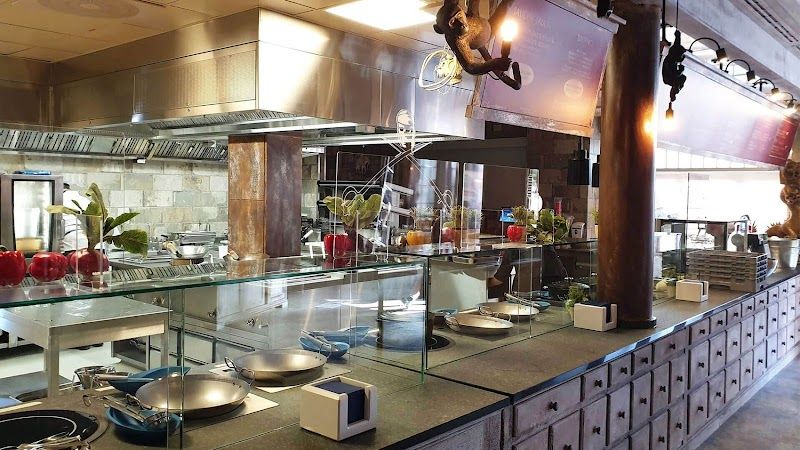
Foodloop Restaurant demonstrates Europa-Park's innovation edge. This roller coaster delivery system restaurant sends meals zooming along tracks to tables. Kids love the spectacle, food quality exceeds typical theme park fare. The ordering system eliminates wait staff while maintaining full-service atmosphere.
Landgasthof Adler provides traditional German inn atmosphere with hearty portions and reasonable prices. The restaurant operates in an authentic half-timbered building that predates the theme park.
PortAventura's dining disappoints consistently. Limited restaurant variety forces repetitive meal choices during multi-day visits. Food quality rarely exceeds acceptable theme park concession standards. Spanish regional cuisine potential goes completely unexploited in favor of generic international options.
The park's signature restaurant, Villa Mediterrània, charges premium prices for mediocre Mediterranean cuisine. Paella arrives overcooked and underseasoned. Tapas selections feel mass-produced rather than authentic. Wine lists favor quantity over quality with limited Spanish regional selections.
Quick service options favor Europa-Park marginally. Park lunch costs EUR 10-16 at both destinations, but German efficiency means shorter waits and more reliable food temperature. Currywurst, pizza slices, and burger options maintain consistent quality across multiple locations.
PortAventura's quick service suffers from inconsistent preparation and frequent ingredient shortages during peak periods. The park's supply chain struggles create frustrating dining experiences when popular items run out unexpectedly.
Accommodation Strategy: On-Site vs Off-Site
Europa-Park operates six themed hotels that integrate seamlessly with park experience. Park-themed hotel family rooms cost EUR 200-400 but include breakfast, 30-minute early park entry, and free shuttle service. Hotel Colosseo recreates Roman grandeur with authentic architectural details, marble columns, and Mediterranean gardens. Bell Rock channels New England lighthouse charm with nautical theming and harbor views. Castillo Alcazar offers medieval Spanish atmosphere complete with suits of armor and castle battlements.
Hotel El Andaluz provides Andalusian luxury with Moorish architecture, decorative tiles, and courtyard fountains. Santa Isabel recreates Portuguese monastery aesthetics with cloisters and chapel details. Krønasår delivers Nordic lodge atmosphere with Viking ship lobby and Scandinavian design elements.
Early park entry proves genuinely valuable. Thirty minutes of crowd-free access allows families to experience 3-4 major attractions before general admission begins. Popular rides like Silver Star and Blue Fire typically develop hour-long waits by 10 AM during peak season.
PortAventura's on-site hotels charge similar rates without matching Europa-Park's theming quality or operational benefits. Hotel Gold River recreates Wild West aesthetics adequately but lacks authenticity details. Hotel PortAventura provides basic resort accommodation without memorable theming elements. Early park entry windows provide minimal advantage given PortAventura's smaller crowds and fewer must-do attractions.
Off-site accommodation strategies differ significantly. Europa-Park's Rust village guesthouse family rooms cost EUR 60-110 with easy walking access to park gates. The village embraces tourism without feeling commercialized. Local restaurants, bakeries, and shops create authentic German small-town atmosphere. Café Mühlenhof provides traditional coffee and pastries within walking distance of park entrances.
Family-run pensions offer personal service and local recommendations. Breakfast typically includes fresh bread from Bäckerei Heitzmann, local jams, and German cold cuts. Room amenities may be basic, but cleanliness and value exceed expectations.
Salou's hotel strip around PortAventura creates typical Spanish coast mass tourism atmosphere. High-rise hotels dominate beachfront areas with limited character or local flavor. Budget options exist, but the surrounding area lacks the charm found in Europa-Park's Black Forest setting. Restaurant options focus on international tourist cuisine rather than authentic Catalan specialties.
Transportation and Accessibility: Getting There Matters
Europa-Park wins accessibility hands down. Strasbourg Airport sits 90 minutes away with budget airline connections across Europe. Ryanair, EasyJet, and Vueling serve major European cities with direct flights. Basel Airport provides another option at similar distance with Europa-Park transfer from Basel available. Shuttle services cost around EUR 25 per person with advance booking.
Frankfurt Airport connects in two hours via train. The route requires one connection in Offenburg, but frequent service makes coordination simple. Deutsche Bahn operates reliable schedules with integrated ticketing that includes local bus connections to Rust.
Barcelona Airport serves PortAventura visitors with 90-minute drives or train connections through central Barcelona. The journey requires metro transfer to Barcelona Sants station, then high-speed train to Camp de Tarragona, followed by bus connection to the park. Total travel time exceeds three hours with connections.
Reus Airport sits closer but offers fewer flight options. Limited airline service restricts departure city choices, forcing many visitors to use Barcelona instead.
Driving to Europa-Park from anywhere in central Europe takes reasonable time. Highway connections reach the park efficiently from France, Switzerland, and Germany's major cities. Europa-Park parking costs EUR 9 per day with ample capacity in multiple lots. VIP parking closer to gates costs EUR 20 but saves 5-10 minutes walking.
PortAventura requires longer drives from most European starting points. The park's highway connections through Tarragona create bottlenecks during peak season arrivals. Friday afternoons and Saturday mornings see traffic delays that add 30-60 minutes to journey times.
Public transportation to PortAventura proves more complicated than Europa-Park access. Local bus connections from Salou run infrequently outside peak season. Train services to nearby stations require taxi connections or lengthy walks.
Operational Excellence: German Efficiency vs Spanish Relaxation
Europa-Park's operational standards reflect German precision. Ride dispatch intervals minimize waiting through efficient loading procedures. Staff training emphasizes safety without sacrificing throughput. Queue management systems provide accurate wait time predictions that help families plan touring strategies.
Maintenance schedules rarely affect guest experience. Attractions close briefly for daily inspections but reopen promptly. Major refurbishments happen during winter closure periods, ensuring summer operations run smoothly.
PortAventura's more relaxed approach creates frustrations for efficiency-minded visitors. Ride operators prioritize conversation over dispatch speed. Loading procedures lack urgency, creating unnecessary delays. Maintenance issues affect operations more frequently, with attractions closing unexpectedly during peak attendance periods.
Staff language capabilities favor Europa-Park in international contexts. German employees typically speak English, French, and basic Italian. PortAventura staff focus primarily on Spanish and Catalan with limited English proficiency outside management positions.
Budget Breakdown: Real Cost Comparison
Ticket prices favor Europa-Park slightly. Europa-Park 1-day tickets cost EUR 62.50 for adults, EUR 54 for kids 4-11. Europa-Park 2-day tickets provide better value at EUR 106 adults, EUR 92 kids with 15% savings. The multi-day option must be used on consecutive days or within a seven-day window.
PortAventura charges around EUR 60-65 for single-day admission but nickel-and-dimes visitors with express pass systems, parking fees, and mandatory locker rentals that Europa-Park includes or prices more reasonably. Express passes cost an additional EUR 25-40 per person for skip-the-line access.
Total vacation costs favor Europa-Park for most visitors. German efficiency in operations, better food value, superior accommodation options, and year-round reliability create better overall value despite similar daily ticket prices.
| Cost Category | Europa-Park | PortAventura |
|---|---|---|
| 1-Day Adult Ticket | EUR 62.50 | ~EUR 60-65 |
| Kids Ticket (4-11) | EUR 54 | ~EUR 50-55 |
| Parking | EUR 9 | ~EUR 15-20 |
| Express Pass | Included | ~EUR 25-40 |
| Quick Service Meal | EUR 10-16 | ~EUR 12-18 |
| Sit-Down Dinner | EUR 18-28 | ~EUR 25-35 |
| On-Site Hotel (Family) | EUR 200-400 | ~EUR 250-450 |
| Off-Site Budget Option | EUR 60-110 | ~EUR 80-140 |
| Water Park Add-On | EUR 45-50 | ~EUR 40-45 |
Hidden costs accumulate at PortAventura. Locker rentals for water rides cost EUR 3-5 per use. Photo packages for coaster pictures add EUR 15-20. Souvenir prices exceed Europa-Park by 20-30% for comparable items.
Europa-Park's dinner show admission costs EUR 55-85 for evening entertainment that includes three-course meals and performance. PortAventura's equivalent offerings charge similar prices but deliver lower production values.
Seasonal Strategy: When to Visit Each Park
Europa-Park excels October through March when PortAventura operates limited schedules. Christmas season transforms German themed areas into authentic European markets. Winter operations maintain 80% attraction availability with heated indoor queues.
April through June favors both parks equally with mild weather and manageable crowds. School holidays affect attendance patterns differently - German Easter holidays impact Europa-Park while Spanish spring break concentrates at PortAventura.
July and August create different challenges. Europa-Park manages summer crowds through extended hours and efficient operations. PortAventura's heat becomes genuinely uncomfortable for families with young children or elderly members.
September provides ideal conditions at both destinations with reduced crowds and pleasant weather. Hotel rates drop from peak summer levels while maintaining full operational schedules.
The Verdict: Which Park Wins?
Choose Europa-Park if: Your group includes children under 12, anyone over 50, or mixed ages with varying thrill tolerance. You value theming authenticity, operational efficiency, and year-round reliability. Weather consistency matters more than guaranteed sunshine. You want substantial value beyond just roller coasters. Your European vacation includes multiple countries and you appreciate cultural theming accuracy.
Choose PortAventura if: Your party consists primarily of teenagers or thrill-seeking adults. Maximum coaster intensity trumps overall experience balance. You're already planning a Spanish coast vacation and want theme park time as one component. Summer heat doesn't bother your group. Your priority is pure adrenaline over family entertainment breadth.
For most families, Europa-Park delivers superior theme park vacation value. The German park's attention to detail, operational excellence, and genuine family appeal make it the smarter choice in the portaventura vs europa park debate. The combination of ride variety, theming quality, food standards, and accommodation options creates comprehensive vacation experiences that PortAventura can't match.
The Spanish park serves a narrower audience well, but Europa-Park creates memories for broader family groups across longer seasons. Unless your priority is purely maximum thrill level, Germany's flagship theme park wins this European showdown convincingly.
If you're planning your Europa-Park visit, check out our Europa-Park family strategy guide for detailed touring plans that maximize your time across both parks and Rulantica water world for water park logistics.