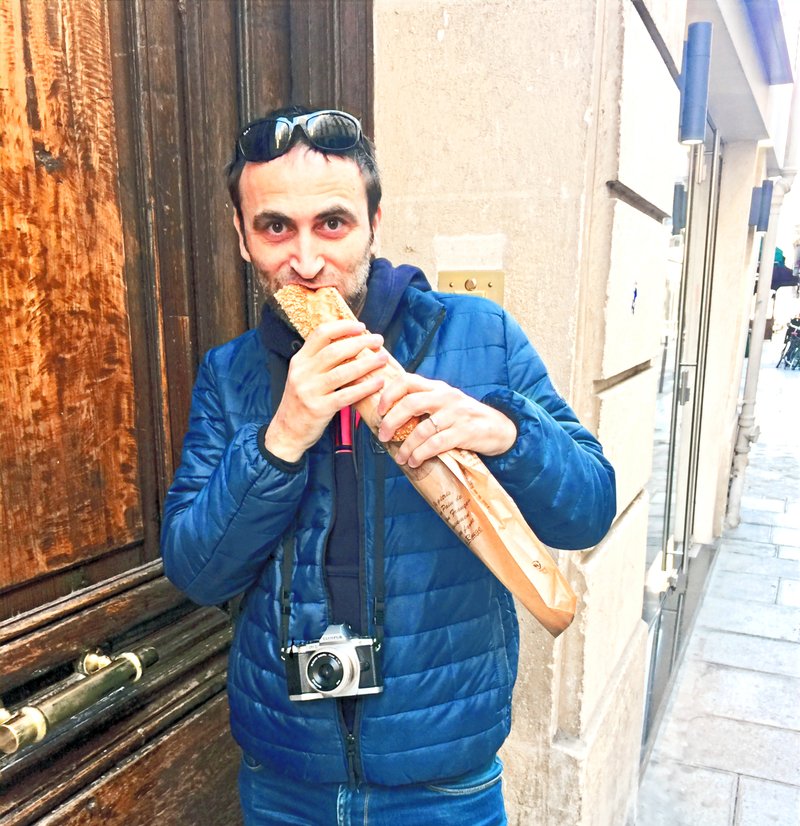
Bologna in winter makes every other Italian city look foolish. While Florence and Rome shiver in the cold with their exposed piazzas and tourist-packed attractions, Bologna wraps you in 40 kilometers of covered porticoes and feeds you the kind of food that makes winter feel like a celebration rather than an endurance test.
The city's three nicknames tell the story: La Grassa (the fat one) becomes most relevant when temperatures drop and restaurants shift to their heartiest seasonal menus. La Rossa (the red one) takes on new meaning as the terracotta buildings create warm contrasts against grey winter skies. La Dotta (the learned one) reveals itself when you have the space and time to actually explore the university quarter without fighting summer crowds.
Bologna in winter offers what summer cannot: comfort, authenticity, and the kind of food-focused experience that defines the city. The covered walkways become your personal weather-proof network through the historic center, and the seasonal shift in cuisine transforms every meal into an event worth planning around.
Why Bologna's Winter Weather Actually Works in Your Favor
Bologna weather in winter averages 2-8°C (36-46°F) from December through February, with January typically the coldest month. Rain falls on about 8-10 days per month, but here's why this doesn't matter: those UNESCO-listed porticoes.
The covered walkways that earned World Heritage status in 2021 turn Bologna into Europe's most walkable winter city. You can travel from the train station to Piazza Maggiore, through the Quadrilatero food market, and up to the university district while staying almost entirely under cover.
The 3.8-kilometer Portico di San Luca becomes a winter hiking experience unlike anywhere else in Italy. The covered walkway climbs from Porta Saragozza to the hilltop sanctuary, offering protected passage through what would otherwise be a miserable winter walk. The San Luca portico walk takes about 45 minutes uphill and provides views over the snow-dusted Po Valley that summer heat and haze completely obscure.
Snow falls 3-5 times per winter but rarely sticks for more than a day. When it does, Bologna transforms into something from a medieval painting, with the red buildings and covered walkways creating the kind of winter scene that makes you understand why Italians consider this their most beautiful cold-weather city.
Bologna Winter Food: When La Grassa Earns Its Title
Bologna's food reputation peaks in winter when restaurants shift to seasonal ingredients and preparations that define true Bolognese cuisine. The summer focus on lighter dishes gives way to the hearty, rich foods that made Bologna famous across Italy.
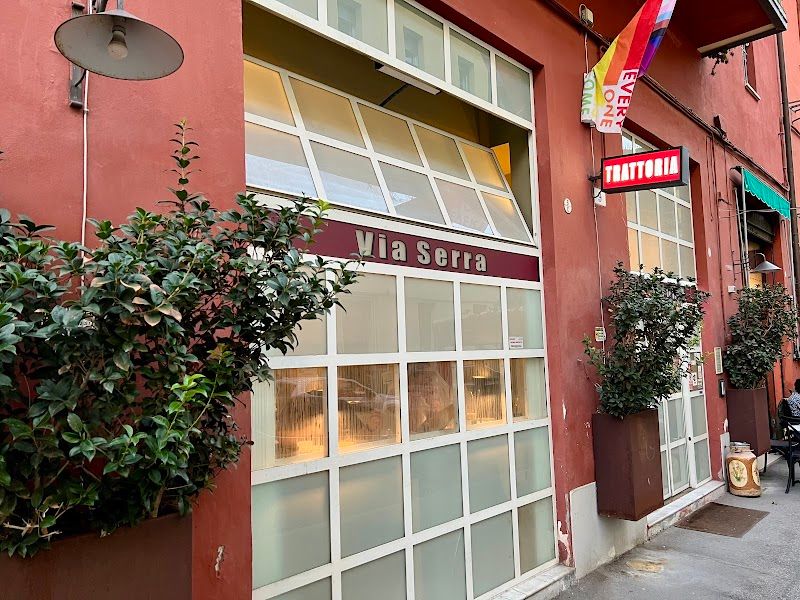
Tortellini in brodo becomes the defining winter dish. The clear, rich broth made from capon, beef, and pork bones requires hours of preparation and arrives at your table steaming hot with tiny, perfectly folded pasta parcels floating inside. At Trattoria da Me in the Quadrilatero, a bowl costs EUR 12-15 and represents exactly what Bologna winter dining should be: warming, traditional, and impossible to replicate elsewhere.
Ragù Bolognese reaches its winter form in January and February when restaurants use beef and pork that's been slowly braised for 4-6 hours. The sauce becomes richer and more complex than summer versions, served over fresh tagliatelle (never spaghetti) that's rolled by hand that morning. Osteria dell'Orsa serves what many locals consider the city's best winter ragù for EUR 14-16.
Seasonal Specialties You Can't Find in Summer
Winter brings ingredients and preparations that disappear completely during warm months. Cappelletti in brodo appears on menus only from November through March, served in the same rich broth as tortellini but with a different pasta shape and filling that includes mortadella and prosciutto.
Brodo di cappone (capon broth) becomes the base for multiple dishes, served both as a soup course and as the liquid component for pasta dishes. The preparation requires specific winter ingredients and techniques that make no sense during hot weather.
Bollito misto emerges as the ultimate Bologna winter meal. This mixed boiled meat dish includes beef, pork, chicken, and sausage, served with salsa verde and mostarda. Bottega Portici offers a traditional version for EUR 22-28 that includes multiple cuts of meat and traditional accompaniments.
Cotechino and lentils appear on New Year's Eve menus throughout the city, representing the traditional year-end meal that's specific to winter celebrations. The pork sausage requires slow cooking that makes it impractical during summer months.
Winter Activities That Beat Summer Crowds
Bologna winter activities focus on indoor cultural sites and covered experiences that become overcrowded and uncomfortable during peak season. The reduced tourist numbers from December through February create opportunities to actually enjoy attractions that summer visitors often find frustrating.
Museums Without Crowds
The Pinacoteca Nazionale houses the world's most important collection of Bolognese school paintings, including works by Guercino, the Carracci family, and Guido Reni. Winter visits allow you to examine paintings without crowds pushing behind you. Entry costs EUR 6 and the museum stays open Tuesday through Sunday, 8:30am-7:30pm.
MAMbo (Modern Art Museum) offers winter exhibitions specifically planned for cold-weather visitors. The museum's contemporary collections include works by Giorgio Morandi, Bologna's most famous modern artist, and rotating exhibitions that often open in January to catch winter cultural tourism. Museum entry costs EUR 6 and includes access to temporary exhibitions.
Palazzo Poggi Museum showcases the university's scientific collections, including anatomical models, astronomical instruments, and natural history specimens. Winter touring allows time to properly examine the detailed medical illustrations and scientific instruments that summer visitors rush through. Entry costs EUR 5 and guided tours run Tuesday through Friday at 10am, 11am, 3pm, and 4pm.
Covered Market Experiences
The Quadrilatero district becomes most authentic during winter months when tourists disappear and local shopping patterns dominate the historic food markets. The covered market areas operate year-round, but winter shopping reflects actual Bolognese food culture rather than tourist expectations.
[Mercato delle Erbe](covered market) on Via Ugo Bassi operates Monday through Saturday, 7am-2pm, with extended Thursday and Friday hours until 7pm. Winter shopping includes seasonal vegetables like cavolo nero (black kale), cardi (cardoons), and root vegetables that appear only in cold months. Prepared food stalls offer hot dishes for EUR 5-12, including seasonal soups and winter vegetable preparations.
Quadrilatero street markets become purely local affairs in winter. Via Drapperie, Via Caprarie, and Via Clavature host food vendors who shift to seasonal offerings without tourist-focused items. Cheese vendors offer aged Parmigiano-Reggiano that's been cave-aged specifically for winter consumption, and salumi producers display winter sausages and cured meats that require cold weather preparation.
Getting Around Bologna in Winter
Bologna's compact historic center becomes even more accessible during winter when the covered porticoes provide weather protection for most walking routes. The city's flat terrain and extensive covered walkways make winter navigation easier than in most Italian cities.
Public transportation works more reliably in winter than summer. TPER buses operate on schedule without heat-related delays, and the Marconi Express monorail to the airport maintains its 20-minute schedule without weather interruptions. A day pass costs EUR 5 and covers all city buses plus the People Mover to the airport (though the monorail requires a separate EUR 8.7 ticket).
Taxi service improves during winter months when demand drops and drivers aren't dealing with heat-related vehicle issues. Fixed-rate airport transfers cost EUR 15-25 and take 15-20 minutes depending on traffic, which flows better in winter than during peak tourist season.
Walking the Porticoes in Winter
The Portici del Centro Storico system connects most major attractions while keeping you protected from weather. The route from Strada Maggiore to Via dell'Indipendenza covers 2.5 kilometers entirely under cover, passing through Piazza Maggiore, the university quarter, and the main shopping district.
Winter walking reveals architectural details that summer heat and crowds obscure. The varying ceiling heights, column styles, and building connections become more apparent when you're not rushing between air-conditioned spaces or fighting tourist crowds.
The San Luca portico walk becomes a legitimate winter hiking experience. The 666 arches that climb to the hilltop sanctuary provide protection from rain and snow while offering exercise that feels impossible during summer heat. The walk takes 45-60 minutes uphill and provides winter views across the Po Valley that are clearer than summer visibility allows.
Where to Stay During Bologna Winter Visits
Bologna winter accommodation pricing drops significantly from December through February, making this the most affordable time to experience the city's best hotels and guesthouses. Properties that charge premium rates during spring and fall offer winter discounts of 20-40%.
Centro Storico Winter Hotels
Hotels in the Centro Storico provide direct access to covered walkways and heating systems designed for Italian winter standards. Most properties include breakfast (typically EUR 8-15 if purchased separately) and offer room heating that actually works, unlike some southern Italian cities.
Grand Hotel Majestic già Baglioni offers luxury accommodation within walking distance of Piazza Maggiore, with rooms featuring proper heating and winter amenities. Winter rates range EUR 180-320 for double rooms, compared to summer prices that exceed EUR 400.
Hotel Commercianti sits directly on Piazza Maggiore, providing views of the basilica and immediate access to covered walkways. Winter double rooms cost EUR 120-180, making this one of Bologna's best location-to-price ratios.
University Quarter Options
The University Quarter offers quieter winter accommodation with easy access to museums, libraries, and authentic neighborhood restaurants. Properties here cater more to Italian business travelers than tourists, resulting in better heating systems and winter amenities.
Hotel Rossini provides comfortable rooms near the university area, with winter doubles ranging EUR 80-130. The location offers authentic neighborhood dining options and proximity to winter cultural events at university venues.
Bologna Winter Markets and Shopping
Bologna winter shopping reveals the city's authentic retail culture when tourist-focused stores close or reduce hours, leaving space for local businesses that serve actual residents year-round.
Christmas and Winter Markets
Bologna's Christmas markets operate from early December through January 6, focusing on local food products rather than generic holiday items. The main market in Piazza Maggiore features regional food vendors, wine tastings, and artisanal products specific to Emilia-Romagna.
Fiera di Santa Lucia (December 13) brings traditional winter market vendors to the city center, selling seasonal foods, winter clothing, and household items. This centuries-old market tradition attracts locals rather than tourists, offering authentic shopping experiences.
Mercato della Terra operates Saturday mornings in Piazza Aldrovandi, featuring winter vegetables, preserved foods, and seasonal specialties from regional producers. Vendors offer tastings of winter preparations like mostarda, aged cheeses, and cured meats that require cold-weather storage.
Local Shopping Districts
Via dell'Indipendenza and surrounding streets maintain regular hours during winter, offering clothing, books, and specialty items without tourist markup. Local bookstores stock Italian literature and regional guidebooks at actual Italian prices rather than tourist rates.
Paolo Atti & Figli on Via Caprarie continues operating through winter, offering fresh pasta, regional wines, and specialty food products. Winter shopping includes seasonal items like panettone ingredients, winter truffle products, and aged balsamic vinegars that local families purchase for holiday meals.
Planning Your Bologna Winter Visit
Bologna in winter requires different planning than summer visits, with considerations for weather, seasonal closures, and reduced daylight hours. However, these limitations create opportunities for more focused, authentic experiences.
Best months for Bologna winter visits run from December through February. December offers Christmas markets and holiday atmosphere, January provides the coldest weather but smallest crowds, and February begins the transition toward spring with slightly longer days.
Daylight runs from about 7:30am to 5pm in December and January, extending to 6pm by late February. This limited daylight actually works in your favor, encouraging longer meal breaks and indoor cultural activities that define authentic Bologna experiences.
Booking and Reservations
Restaurant reservations become easier during winter months, though popular places like Osteria del Sole maintain regular hours and local crowds regardless of season. Winter booking allows you to secure tables at establishments that summer visitors often can't access.
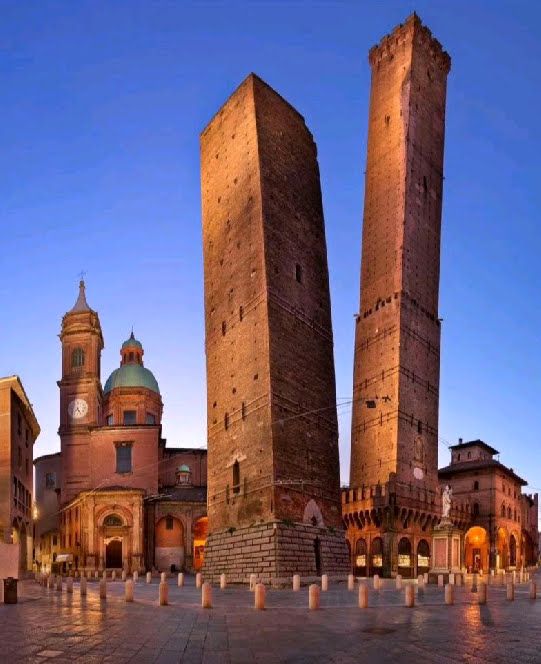
Museum tickets rarely require advance purchase during winter months, except for special exhibitions at Palazzo Albergati (EUR 12-18) or temporary shows at major venues. The Torre degli Asinelli climb still requires advance booking for EUR 5, but time slots remain available closer to your visit date.
Hotel booking should focus on properties with reliable heating and hot water. Bologna winter temperatures require accommodations designed for Italian winter standards, which not all budget properties provide. Reading recent reviews specifically mentioning winter stays helps avoid uncomfortable situations.
For detailed itinerary planning, consult our comprehensive Bologna 2-3 day guide which includes winter-specific recommendations, or start with the first-time visitor overview for general orientation.
Bologna in winter delivers exactly what the city promises year-round: exceptional food, walkable historic architecture, and authentic Italian urban culture, just with fewer crowds and better prices. The cold weather becomes irrelevant when you're moving between covered walkways, warming up with tortellini in brodo, and exploring museums without fighting for viewing space. Skip the summer crowds and discover why locals consider winter Bologna's best season.