Bologna costs 40-50% less than Venice and delivers a more authentic Italian experience. The numbers don't lie: a mid-range dinner in Bologna runs EUR 25-40 compared to Venice's EUR 45-70, and you'll find hotel rooms for EUR 80-140 versus Venice's EUR 150-300 for comparable quality. But the cost difference is just the beginning of why choosing Bologna vs Venice might be the smartest decision you make for your Italian trip.
The question isn't just about money. Venice attracts 30 million visitors annually, creating a Disney-like atmosphere where locals have largely fled. Bologna, meanwhile, remains a working city where university students fill the bars, real families shop at markets, and you'll hear more Italian than English on the streets. The city that invented ragù, mortadella, and tortellini still serves these dishes as they were meant to be eaten, not as tourist approximations.
Bologna vs Venice Cost Breakdown: Where Your Euros Go Further
The cost difference between these cities becomes stark when you examine daily expenses. Bologna consistently costs 40-50% less across all categories, from your morning cappuccino to your evening accommodation.
Food and Dining Costs Compared
Bologna wins decisively on food value. A proper tagliatelle al ragù costs EUR 12-18 at a quality Bologna restaurant, while Venice charges EUR 20-30 for inferior versions. Your morning espresso runs EUR 1-1.5 at Bologna bars compared to EUR 2-4 in Venice's tourist areas.
For lunch, Bologna's budget options shine. A mortadella sandwich from a street vendor costs EUR 4-7 and uses the real mortadella di Bologna IGP, not the processed substitute you'll find elsewhere. Venice's equivalent panini start at EUR 8-12 and often disappoint. Mid-range dinner costs tell the complete story: EUR 25-40 in Bologna gets you genuine Bolognese cuisine, while EUR 45-70 in Venice often delivers mediocre tourist food.
The Quadrilatero food market offers market prices for exceptional ingredients - fresh tortellini for EUR 5-12 per portion that you can enjoy at nearby osterie. Venice's Rialto market charges premium prices for similar quality.
Accommodation: Bologna's Clear Advantage
Hotel costs reveal Bologna's strongest advantage. Budget travelers save EUR 30-50 per night choosing Bologna over Venice. A decent double room in Bologna runs EUR 80-140 for 3-star properties in the historic center, while Venice charges EUR 150-300 for comparable locations and quality.
Bologna's boutique hotels, priced EUR 150-280, offer luxury that would cost EUR 300-500 in Venice. Even hostel beds cost less: EUR 25-45 in Bologna versus EUR 35-65 in Venice's limited hostel options.
Transportation and Activity Costs
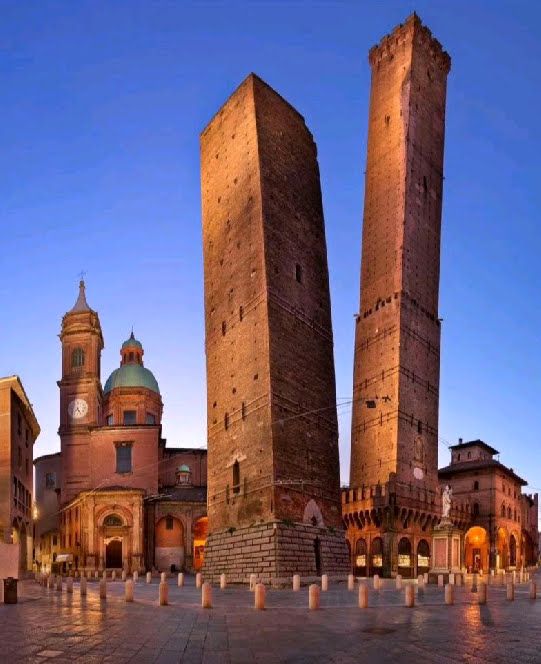
Bologna's compact size means you'll walk most places, saving on transportation. The TPER day pass costs EUR 5 for unlimited city buses, while Venice's ACTV day pass runs EUR 23. Bologna's major attractions cost significantly less: climbing the Torre degli Asinelli costs EUR 5 compared to EUR 25 for St. Mark's Basilica campanile.
Many of Bologna's best experiences cost nothing. The UNESCO-listed porticoes provide 38 kilometers of covered walkways to explore for free, while simply existing in Venice's historic center requires paying EUR 5 entry fees during peak tourist periods starting in 2024.
Should You Visit Bologna or Venice as a First-Time Italy Visitor
Bologna offers a more authentic introduction to Italian culture, but Venice provides once-in-a-lifetime visuals that justify the expense for many travelers. The answer depends on what type of Italian experience you're seeking.
Bologna: Real Italy Without the Performance
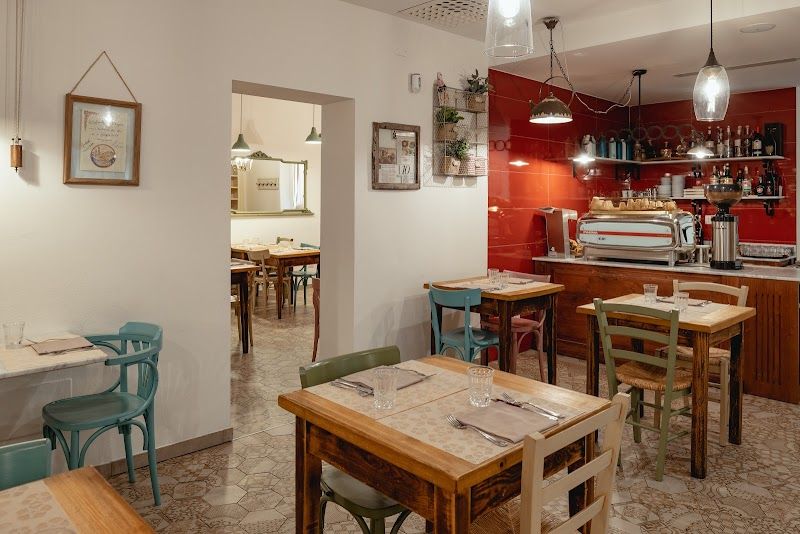
Bologna shows you how Italians actually live. The University Quarter buzzes with students from the world's oldest university, founded in 1088. Locals gather at Osteria del Sole to drink wine and eat food they bring from nearby shops - a tradition impossible to replicate in Venice's tourist-focused establishments.
The city's food culture runs deeper than restaurants. You'll see pasta being hand-rolled at Sfoglia Rina, learn the difference between real ragù and the jar sauce bearing Bologna's name, and understand why tortellini should only be served in clear broth. This isn't food tourism; it's cultural education.
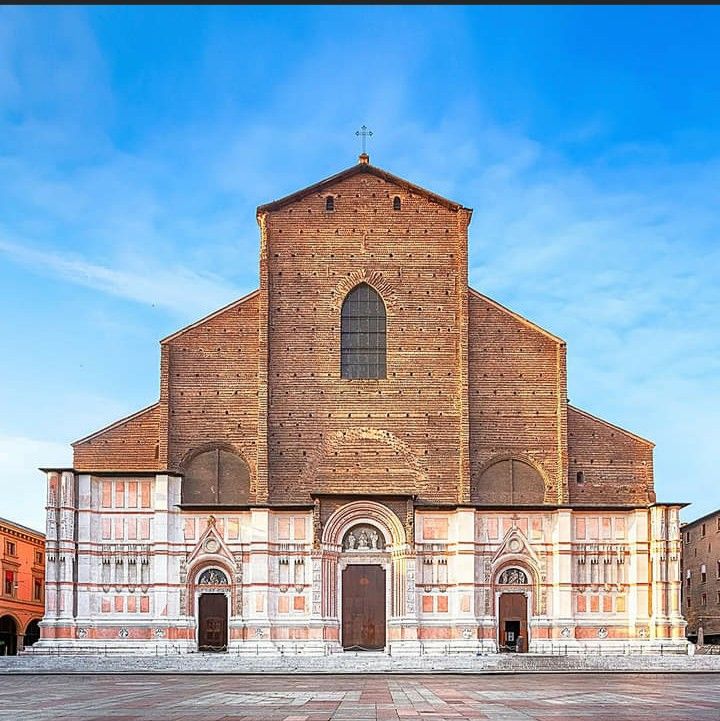
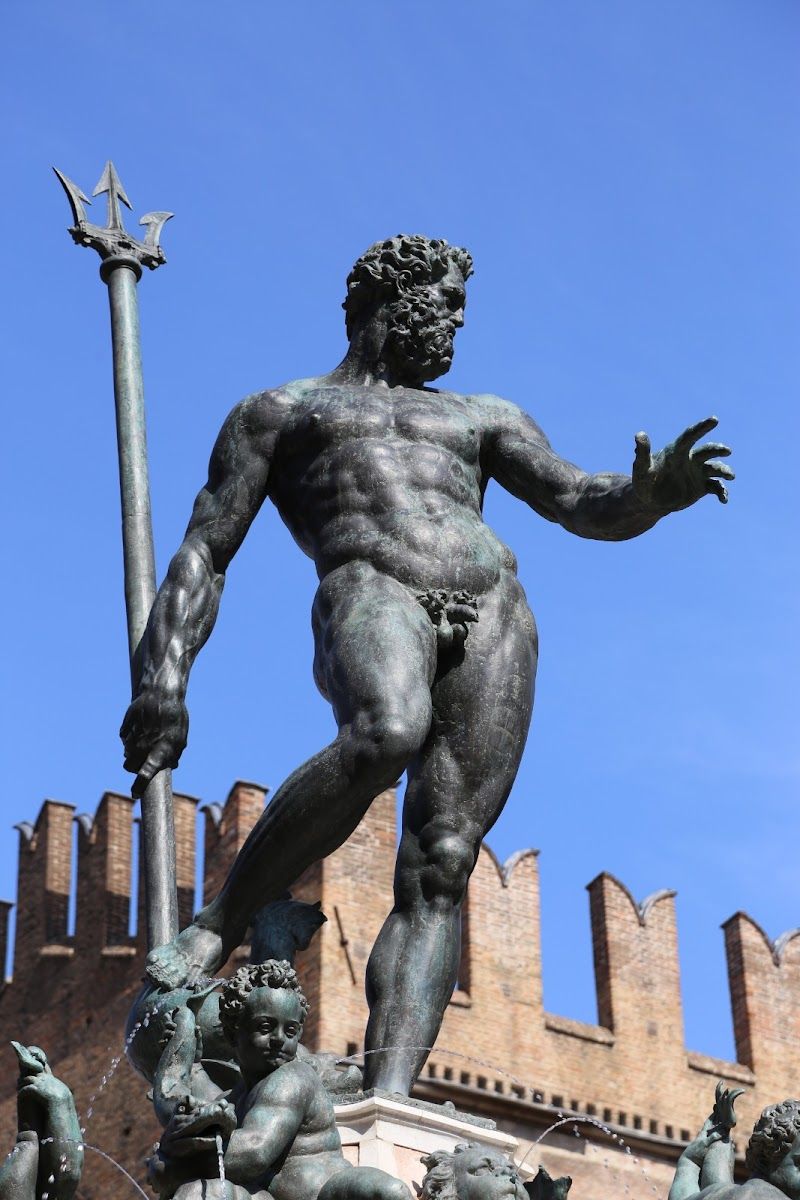
Bologna's medieval architecture rivals Venice's beauty without the crowds. The Piazza Maggiore ranks among Europe's finest squares, surrounded by buildings that tell 800 years of history. The Two Towers create a skyline that medieval merchants used for navigation across the Po Valley.
Venice: Unique Beauty at a Premium Price
Venice offers experiences you can't find elsewhere. No other city floats on water, creating architecture and urban planning solutions found nowhere else on Earth. The visual impact of arriving by water taxi or walking from Santa Lucia station across the Grand Canal justifies the expense for many visitors.
Venice's artistic heritage concentrates centuries of wealth into compact spaces. The Doge's Palace, St. Mark's Basilica, and countless churches contain masterpieces that shaped Western art. These aren't replicated elsewhere in Italy.
But Venice's transformation into a tourist theme park means you'll experience a performance of Italian life rather than the real thing. Restaurants cater to tourists who won't return, locals commute from the mainland, and authentic neighborhood life has largely disappeared.
Bologna Venice Travel Time and Logistics
Bologna to Venice takes 2 hours by high-speed train, making it possible to visit both cities in a single trip. Trenitalia's Frecciarossa runs hourly between Bologna Centrale and Venezia Santa Lucia, costing EUR 25-45 depending on booking time and seat class.
Flying into Bologna offers better value for northern Italy exploration. Bologna Guglielmo Marconi Airport connects to the city center via the Marconi Express monorail (EUR 8.7, 20 minutes) or the Aerobus shuttle (EUR 6, 25 minutes). Venice's Marco Polo Airport requires more expensive transfers: EUR 8-15 for the bus or EUR 100-120 for water taxi.
Bologna's central location provides easy access to Florence (35 minutes by train), Milan (1 hour), and Rome (2.5 hours). Venice sits at Italy's northeastern edge, making it a natural endpoint rather than a central base.
Bologna vs Venice Food: Where Culinary Traditions Matter
Bologna invented much of what the world considers Italian cuisine, while Venice's food scene has been largely corrupted by mass tourism. This isn't opinion; it's historical fact supported by current reality.
Bologna holds protected designation for ragù Bolognese, registered with the Bologna Chamber of Commerce in 1982. The official recipe requires specific cuts of beef and pork, San Marzano tomatoes, and cooking time measured in hours. At Trattoria da Me or Osteria dell'Orsa, you'll taste this authentic version for EUR 12-16.
Venice's tourist restaurants serve "spaghetti Bolognese" - a combination that makes Bolognese chefs physically wince. Real ragù is served only with fresh tagliatelle, whose rough texture holds the sauce properly. The price difference compounds the insult: EUR 20-25 for inferior pasta in Venice versus EUR 12-16 for the authentic dish in its birthplace.
Tortellini represents another stark contrast. Bologna's traditional tortellini in brodo costs EUR 8-14 and follows recipes passed down through generations of sfogline (pasta makers). Each tortellino is hand-folded into a precise navel shape, filled with specific combinations of prosciutto, mortadella, and Parmigiano-Reggiano. Venice's tourist versions often use machine-made pasta with generic fillings, priced EUR 16-22.
Mortadella tells the complete story. Bologna produces mortadella di Bologna IGP under strict regulations governing ingredients and production methods. A proper mortadella sandwich from Paolo Atti & Figli costs EUR 4-6 and tastes completely different from industrial versions. Venice charges EUR 8-12 for inferior substitutes while calling them "mortadella."
Making the Bologna vs Venice Decision: Practical Recommendations
Choose Bologna if you want authentic Italian culture, better food, and significantly lower costs. The city delivers everything travelers seek in Italy - outstanding cuisine, medieval architecture, welcoming locals, and rich history - without the tourist industry markup or performance.
Our Bologna first-time guide details how to maximize your experience, while the Bologna 2-3 days itinerary shows you how much you can accomplish in a short visit.
Choose Venice if unique visual experiences matter more than authenticity or value. Venice provides Instagram moments and bragging rights that Bologna cannot match. The floating city's beauty justifies the expense for travelers who prioritize once-in-a-lifetime experiences over cultural immersion.
The Compromise Solution
Many smart travelers split their time between both cities. Spend 2-3 days in Bologna and 1-2 in Venice to balance authentic experiences with unique sightseeing. This approach lets you eat real Italian food in Bologna while experiencing Venice's singular beauty, and the 2-hour train connection makes it practical.
Start in Bologna to establish your Italian food baseline before Venice's tourist restaurants disappoint you. Book Bologna accommodation first, as the city offers better value and serves as an excellent base for northern Italy exploration.
When Bologna vs Venice Becomes an Easy Choice
Certain travel styles make the decision obvious. Food-focused travelers should choose Bologna without hesitation. The city invented much of Italian cuisine and still serves it properly. Venice's tourist-oriented restaurants cannot compete with Bologna's authentic osterie and trattorias.
Budget-conscious travelers save EUR 50-100 daily in Bologna compared to Venice, money that extends your trip or funds better experiences elsewhere in Italy. The cost difference becomes extreme during peak season when Venice hotel prices explode while Bologna remains reasonable.
Travelers seeking authentic local culture find more in Bologna. The city functions as a normal Italian city with universities, businesses, and families, not as a tourist attraction. You'll interact with locals living their daily lives rather than people whose job involves managing tourists.
Photography enthusiasts face a trade-off. Venice provides more dramatic and unique shots impossible to capture elsewhere. Bologna's medieval architecture and porticoed streets offer beautiful but less distinctive images. Consider your portfolio goals when deciding.
Repeat Italy visitors often prefer Bologna once they've seen Venice's major sights. The food capital offers deeper exploration opportunities and genuine discoveries that reward multiple visits. Venice's main attractions can be thoroughly experienced in 1-2 days.
The smart traveler recognizes that choosing Bologna vs Venice isn't really about picking one over the other - it's about understanding what each city offers and making the choice that matches your priorities, budget, and travel style. Bologna delivers better value, authentic culture, and superior food. Venice provides unique beauty and once-in-a-lifetime experiences. Your perfect Italian trip might include both, but if you must choose one, Bologna offers more bang for your buck while Venice offers more likes for your Instagram.