Choosing between Bologna vs Siena comes down to what you actually want from Italy. Bologna is where Italians go to eat the best food in the country, while Siena is where international tourists go to photograph medieval squares. Both cities offer authentic Italian experiences, but they serve completely different purposes.
The verdict up front: Visit Bologna if you care about food, want a real city with university energy, and prefer spending your money on excellent meals rather than overpriced tourist menus. Choose Siena if medieval architecture matters more than cuisine, you're planning Tuscan countryside day trips, or you only have one day between Florence and Rome.
The two cities sit 218 kilometers apart, connected by a 3.5-hour train journey that requires a change in Florence. This distance means you're choosing between Emilia-Romagna's food capital and Tuscany's best-preserved medieval city, not picking between similar destinations.
Size and City Type: University Energy vs Tourist Haven
Bologna is a real city with 390,000 residents and Italy's oldest university. The University of Bologna, founded in 1088, brings 85,000 students who fill the bars on Via Zamboni, create actual nightlife in the Quadrilatero, and keep restaurant prices reasonable because locals eat there daily.
Siena, with 54,000 residents, functions primarily as a tourist destination wrapped around the Palio horse race twice yearly. The difference shows immediately: Bologna has neighborhoods where students live and work, while Siena's historic center contains mostly hotels, restaurants aimed at day-trippers, and shops selling ceramics.
The university atmosphere gives Bologna genuine energy year-round. Walk through the University Quarter on any Tuesday evening and you'll find packed osterie, students debating over Aperol Spritzes, and restaurants serving proper tagliatelle al ragù for EUR 12-18 instead of tourist-menu versions. Siena empties after tour groups leave, creating a museum-like quiet that some travelers love but others find sterile.
Bologna's covered walkways span 40 kilometers throughout the city center, creating a unique urban experience. These UNESCO-listed porticoes let you walk from Piazza Maggiore to the university without getting rained on, past centuries of continuous urban life rather than preserved medieval facades.
Bologna vs Siena Food: No Contest Here
This comparison ends quickly. Bologna invented ragù, tortellini in brodo, mortadella, and tagliatelle. The city's nickname "La Grassa" (the fat one) exists because Bolognese cuisine represents the peak of Italian cooking, not tourist-friendly versions of it.
Bologna's food scene operates on different principles. Osteria del Sole has served wine since 1465 - you bring your own food or buy mortadella sandwiches from the counter next door. Locals know which trattorias make fresh pasta daily and which ones reheat frozen portions for tourists. The Quadrilatero food market sells ingredients that end up in restaurants the same day, creating a supply chain between market stalls and dining tables that keeps quality high.
Siena's food reflects its tourist economy. Restaurants around Il Campo charge EUR 25-35 for pasta dishes that cost EUR 12-15 in Bologna, with quality that rarely justifies the premium. Siena does produce excellent local specialties - pici pasta, Cinta Senese pork, and Chianti Classico wines - but finding them requires avoiding the obvious tourist spots and seeking out trattorias where locals actually eat.
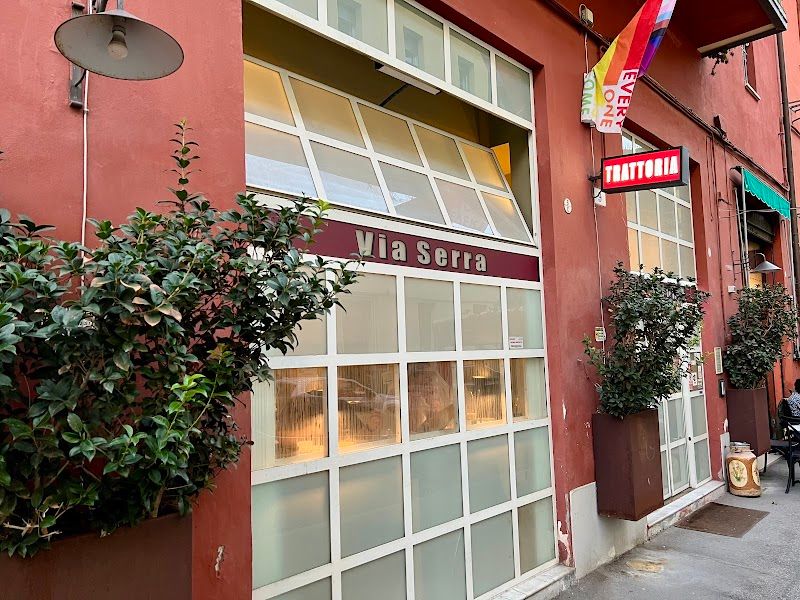
Specific recommendations matter here. In Bologna, Trattoria da Me serves proper tortellini in brodo for EUR 14, while Osteria dell'Orsa offers university-crowd prices with zero compromise on pasta quality. Siena's equivalent quality requires research and higher budgets, plus tolerance for tourist-heavy dining rooms.
The price difference extends beyond restaurants. Bologna's markets sell mortadella sandwiches for EUR 4-7 that surpass most sit-down meals in other cities. A complete Bologna food experience - market browsing, osteria lunches, university-area dinners - costs roughly half what comparable eating costs in Siena.
Architecture and Sightseeing: Medieval Perfection vs Layered History
Siena wins the pure medieval architecture competition without question. The Piazza del Campo creates one of Europe's most beautiful urban spaces, with the Palazzo Pubblico and Torre del Mangia forming a composition that hasn't changed since the 14th century. The Duomo's striped marble facade and Piccolomini Library frescoes represent Gothic art at its finest. Walking through Siena's historic center feels like stepping directly into a medieval manuscript.
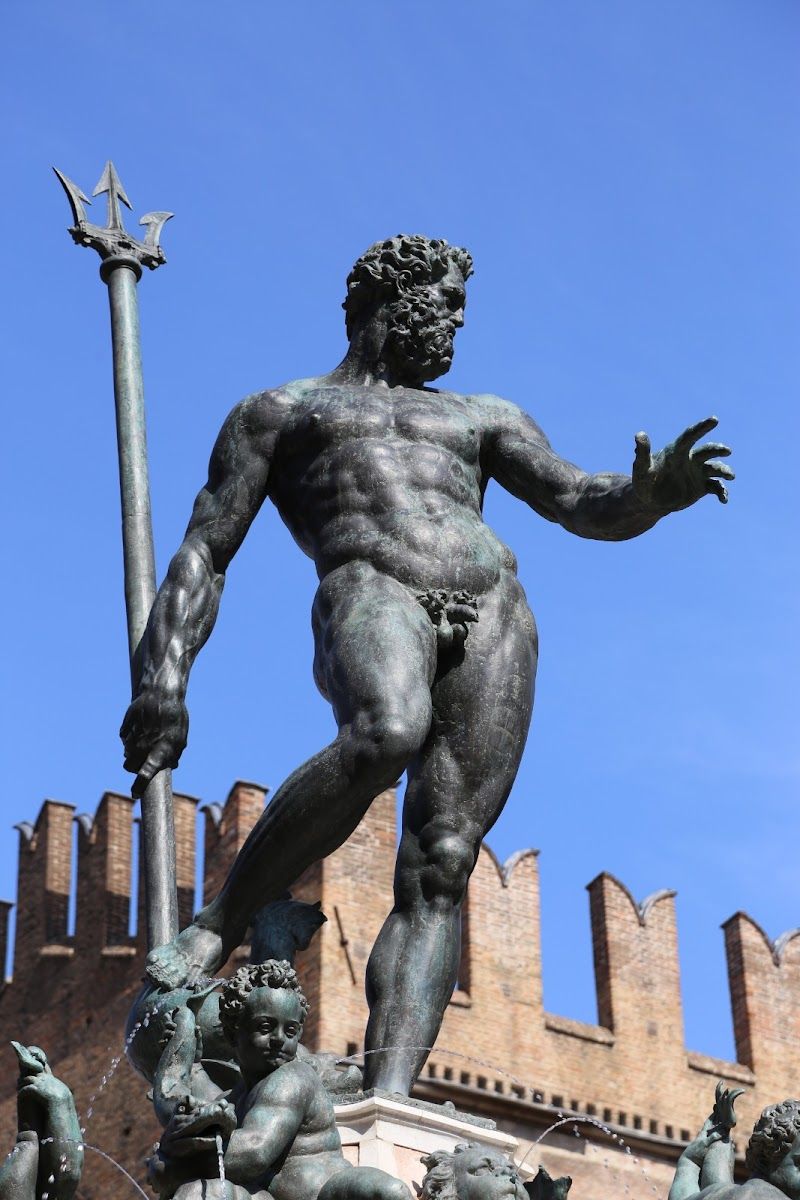
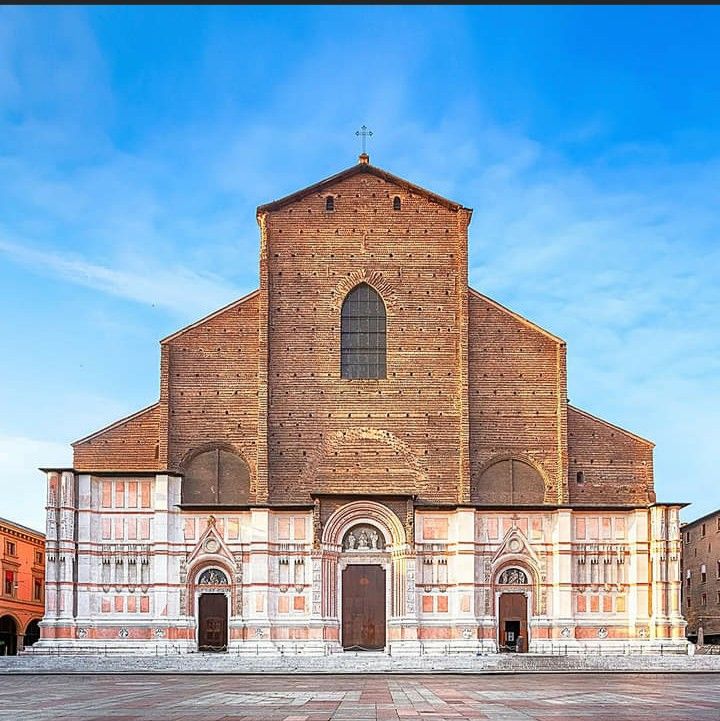
Bologna's architecture tells a different story. The city layers centuries of building styles rather than preserving one perfect moment. Piazza Maggiore combines medieval, Renaissance, and modern elements that create visual interest through contrast rather than consistency. The unfinished Basilica di San Petronio demonstrates how architectural ambition sometimes exceeds completion, while the nearby Fontana del Nettuno adds Mannerist sculpture to the medieval square.
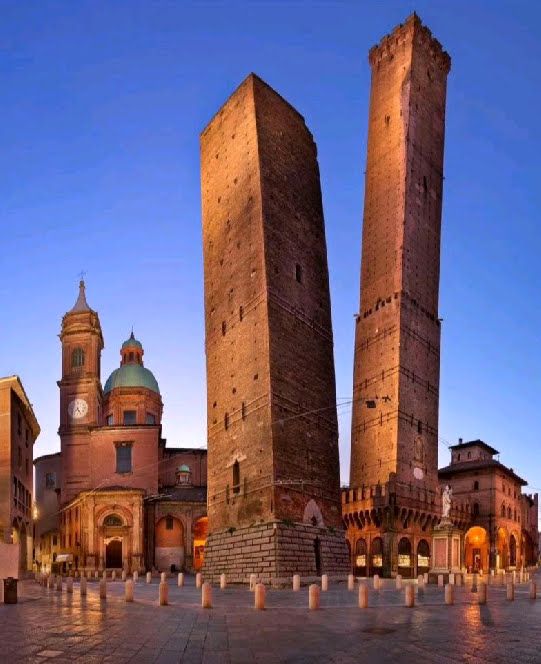
The Torre degli Asinelli, climbable for EUR 5, provides panoramic views over red-tiled roofs that stretch to the Apennine foothills. Medieval towers once numbered over 180 in Bologna; the remaining 20 create a unique skyline that most Italian cities lost to later urban development. This architectural layering makes Bologna more visually complex but less immediately photogenic than Siena's unified medieval appearance.
Practical sightseeing differs significantly. Siena's compact historic center covers roughly one square kilometer, walkable in 2-3 hours with stops for photos. Bologna spreads across several distinct neighborhoods, each requiring separate exploration. The Complesso di Santo Stefano (Seven Churches) offers medieval architecture comparable to Siena's best, while the university area provides continuous historical interest rather than single monumental sites.
Day Trip Options: Tuscan Countryside vs Food Valleys
Siena serves as the ideal base for exploring Tuscany's Val d'Orcia, Chianti wine region, and hill towns like Montepulciano and San Gimignano. The S.I.T.A. bus network connects Siena to these destinations efficiently, with morning departures that allow full-day exploration before evening returns.
Bologna's day trip potential gets overlooked but offers unique experiences. The city connects by regional train to Parma (1 hour, EUR 8-12), where Parmigiano-Reggiano and prosciutto factories offer tours that reveal how Italy's most famous foods actually get made. Modena lies 40 minutes away, home to traditional balsamic vinegar producers and Ferrari museums. These food-focused excursions provide insights into Italian culinary culture that Tuscan countryside visits rarely match.
Ravenna, 90 minutes from Bologna, contains the world's finest Byzantine mosaics in UNESCO-listed churches. This day trip combines easily with Adriatic coast beaches at Rimini or Cervia, creating summer itineraries that blend history with seaside relaxation.
The Apennine mountains rise 30 minutes south of Bologna, offering hiking trails, medieval castles, and thermal springs at villages like Porretta Terme. These destinations receive minimal international tourism but provide authentic mountain experiences within easy reach of the city.
Siena's day trips lean heavily toward wine tourism and scenic photography, while Bologna's options emphasize food culture and lesser-known historical sites. Choose based on whether you prefer internationally recognized destinations or more specialized interests.
Transportation and Getting Around
Both cities work well for pedestrians, but Bologna's public transportation gives it practical advantages. The TPER bus system connects all neighborhoods efficiently, with day passes costing EUR 5 and single tickets EUR 1.5 for 75-minute validity. The Portici del Centro Storico create covered walking routes that make weather irrelevant for city-center exploration.
Bologna Marconi Airport sits 6 kilometers from downtown, connected by the Marconi Express monorail (EUR 8.7, 20 minutes) to Centrale station. Budget airlines serve major European cities directly, making Bologna accessible for quick trips. The high-speed rail station provides 2-hour connections to Florence, 3.5 hours to Rome, and 1 hour to Milan.
Siena requires more transportation planning. The city has no airport - visitors fly into Florence (1.5 hours by bus) or Rome (3 hours by bus and train). The train station sits outside the historic center, requiring local buses or taxis to reach hotels. This isolation creates Siena's preserved character but adds logistics that Bologna's central connections avoid.
Parking matters for drivers. Siena's ZTL (restricted traffic zone) covers the entire historic center, with limited hotel access and expensive daily rates at peripheral lots. Bologna's ZTL affects smaller areas, with more parking options and better public transport alternatives.
Costs and Budget Considerations
Bologna delivers significantly better value across all spending categories. Accommodation costs 25-40% less than Siena for equivalent quality and location. A mid-range hotel double room (3-star) costs EUR 80-140 in Bologna versus EUR 110-180 in Siena, while boutique options range EUR 150-280 in Bologna compared to EUR 200-350 in Siena.
Restaurant prices favor Bologna heavily. A proper dinner with local wine costs EUR 25-40 for excellent quality in Bologna, while equivalent meals in Siena start around EUR 35-50. The difference compounds over multi-day stays, especially for travelers who eat out frequently.
Museum admission costs remain similar between cities - EUR 5-6 for major attractions in both places. However, Bologna offers more free experiences. The University Quarter provides hours of architectural exploration without entry fees, while Siena's main attractions require paid admission.
Daily budget comparison for mid-range travelers:
- Bologna: EUR 90-130 (accommodation, meals, local transport, one paid attraction)
- Siena: EUR 120-170 (same category experiences)
Budget travelers find Bologna more accommodating, with hostel beds from EUR 25-45 and university-area restaurants serving substantial meals under EUR 15. Siena's budget options exist but offer less variety and value.
Should I Visit Bologna or Siena?
Choose Bologna if you:
- Consider food a primary travel motivation
- Want authentic Italian city life with students and locals
- Prefer spending money on experiences rather than tourist infrastructure
- Plan to explore northern Italy or food regions
- Travel during shoulder seasons when weather matters
- Value efficient transportation and practical city amenities
Choose Siena if you:
- Prioritize medieval architecture and postcard-perfect squares
- Plan extensive Tuscan countryside exploration
- Have limited time (1-2 days maximum) for this destination
- Prefer internationally recognized sights for photos
- Travel primarily in summer when outdoor dining matters most
- Want a base for Chianti wine tours
The distance between Bologna and Siena (3.5-hour train journey) makes combining both cities challenging unless you have a week or more in the region. Most travelers should pick one based on their priorities rather than attempting both.
For first-time Italy visitors torn between these options, Bologna provides a more complete Italian experience with food, culture, and authentic urban life at reasonable prices. Siena works better as a focused medieval architecture experience or Tuscan countryside base, but it functions more as a tourist destination than a living city.
Both cities justify visits for different reasons. Bologna surprises visitors with its sophistication and culinary excellence, while Siena delivers the medieval Italian fantasy that postcards promise. Your choice depends on whether you want to eat like a Bolognese or photograph like a tourist - both are valid travel goals that lead to different but equally rewarding Italian experiences.
Ready to explore Bologna's food culture and university atmosphere? Check out our detailed 2-3 day Bologna itinerary for specific neighborhood recommendations and restaurant picks that locals actually use.