The best time to visit Triberg depends on what matters most to you: powerful waterfalls, manageable crowds, or specific seasonal events. After analyzing weather patterns, tourist flows, and local business schedules, May and September emerge as the optimal months for most visitors. You'll catch the waterfalls near peak flow, avoid the summer tour bus invasion, and enjoy mild weather hiking the forest trails.
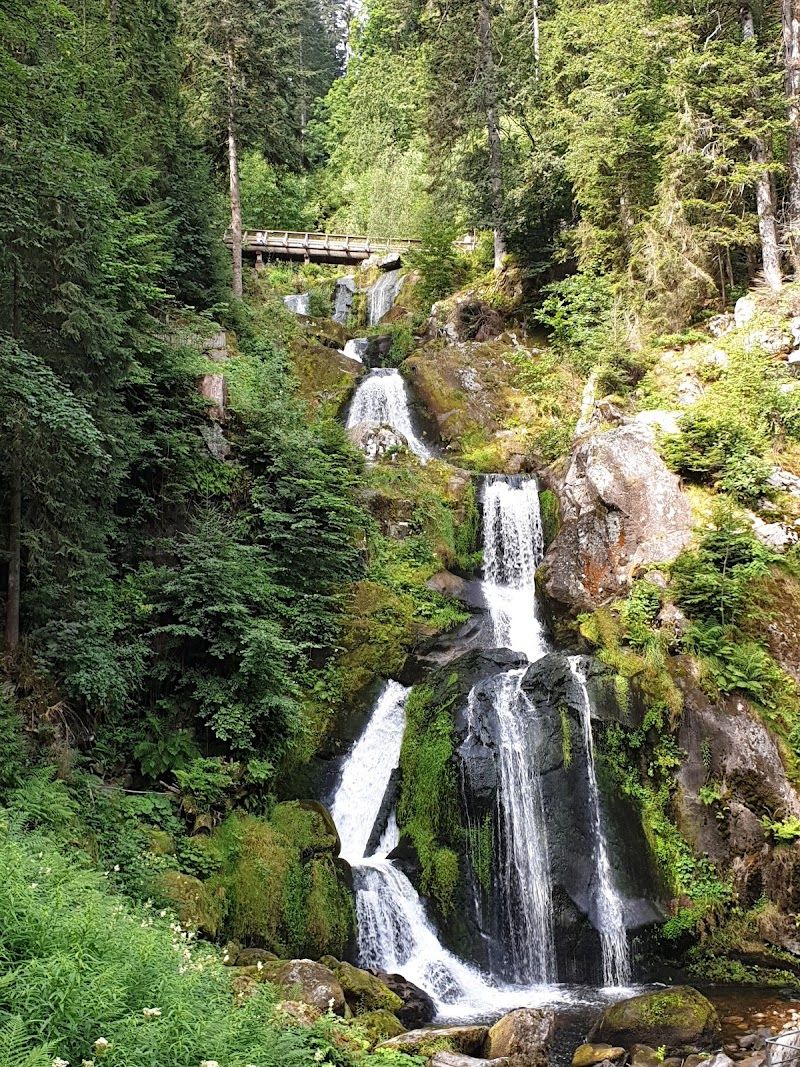
But timing your Triberg visit requires understanding how this small Black Forest town transforms dramatically with the seasons. The 163-metre Triberg Waterfalls thundering through granite gorges in spring look nothing like the ice-draped cascades of January. Tour bus crowds that pack the Hauptstrasse cuckoo clock shops from June through August vanish completely in winter. And the Christmas market that brings December magic only lasts three weeks.
Understanding Triberg Weather Patterns
Triberg sits at 700 metres elevation in the heart of the Black Forest, creating a microclimate that's cooler and wetter than the Rhine valley 40 km west. Average temperatures range from 2°C in January to 18°C in July, but elevation changes everything as you hike up the waterfall trails.
Winter Weather: December to February
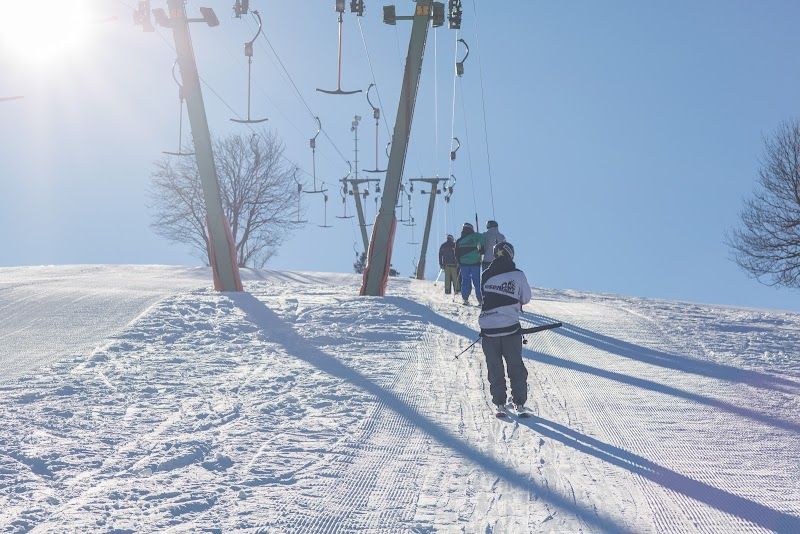
Winter brings Triberg's most dramatic weather extremes. Snow typically falls from mid-December through March, with January and February seeing 15-20 days of snow cover. Daytime temperatures hover around 2-4°C, dropping to -3°C at night. The Triberg Waterfalls partially freeze in extended cold snaps, creating ice formations that draw photographers but make the upper trails treacherous.
January averages 12 rainy days with 80mm precipitation, mostly as snow. February stays cold but slightly drier. The Naturweg and Kaskadenweg waterfall trails close sections when icy, leaving only the paved Kulturweg accessible to most visitors. Many cuckoo clock workshops reduce winter hours or close entirely on weekdays.
Spring Weather: March to May
Spring weather in Triberg is notoriously unpredictable. March still sees occasional snow, with temperatures climbing slowly from 6°C to 12°C by month's end. April brings the first reliable mild days but also heavy rain showers that can dump 90mm in the month.
May delivers Triberg's best weather-activity combination. Temperatures reach a pleasant 16°C, rainfall drops to 85mm (mostly brief showers), and daylight extends to 15 hours. The waterfalls flow at near-peak volume from snowmelt higher in the Black Forest, while hiking trails dry out from winter's mud.
Summer Weather: June to August
Summer in Triberg means mild temperatures by German standards but persistent humidity. July peaks at 18°C average, with occasional days reaching 25°C. June and August average 16°C with frequent afternoon thunderstorms. Rainfall actually increases in summer, with June averaging 95mm and July reaching 105mm.
The weather feels more humid than temperature alone suggests due to the forested valley location. Morning mist often clings to the waterfall gorge until 10 AM, creating atmospheric photography conditions but limiting visibility on forest viewpoints.
Autumn Weather: September to November
September offers Triberg's second sweet spot for weather. Temperatures average 14°C with lower humidity than summer, and rainfall drops to 75mm. The month typically delivers 10-12 clear days hiking and outdoor dining.
October brings dramatic color changes to the Black Forest surrounding Triberg, with beech and oak trees creating golden canopies over the waterfall trails. Temperatures cool to 9°C average, and rain increases to 85mm. November turns cold and gray, averaging 5°C with frequent drizzle that makes outdoor activities less appealing.
Monthly Crowd Analysis: When Triberg Gets Overwhelmed
Tour bus traffic dramatically shapes the Triberg experience. Understanding crowd patterns helps you time visits to the Triberg Waterfalls and cuckoo clock shops along the town center Hauptstrasse.
Peak Season Madness: June to August
Summer brings Triberg's most overwhelming crowds. An average of 15-20 tour buses arrive daily between 10 AM and 4 PM, mostly from the Rhine cruise circuit. The narrow Hauptstrasse becomes a pedestrian bottleneck as groups move between the House of 1000 Clocks and souvenir shops.
July represents absolute peak season. Waterfall parking fills by 10 AM on weekends, and the restaurant wait at Hofgut Sternen extends past an hour. Authentic Black Forest cake shops like Cafe Schaefer see lines out the door from 11 AM to 2 PM.
August maintains heavy crowds but with slightly more manageable midweek periods. German school holidays end mid-August, reducing domestic family traffic while international tour groups continue through month's end.
Shoulder Season Balance: April-May and September-October
April through May and September through October deliver Triberg's crowd sweet spots. Tour bus traffic drops to 5-8 buses daily, mostly arriving between 11 AM and 3 PM. This creates quiet morning and evening windows for waterfall visits and unhurried cuckoo clock shopping.
May particularly shines for crowd balance. German and international tourists arrive for hiking season, but organized tour traffic hasn't reached summer levels. Waterfall trail parking rarely fills completely, and restaurant reservations aren't essential.
September offers similar crowd relief with the added benefit of autumn colors. Tour operators reduce Black Forest itineraries after German summer holidays end, while weather remains excellent for hiking and outdoor dining.
Quiet Season Tranquility: November to March
Winter brings blessed crowd relief to Triberg. November through March sees just 2-3 tour buses daily, primarily on weekends. The Schwarzwaldmuseum Triberg and waterfall trails become genuinely peaceful for contemplative visits.
December's Christmas market draws regional visitors but nothing like summer's international invasion. January and February represent Triberg's quietest months, with some weekdays seeing virtually no tour traffic. This creates intimate experiences at cuckoo clock workshops and authentic interactions with local craftspeople.
Seasonal Events and Festival Calendar
Triberg's event calendar concentrates heavily in specific months, making timing crucial for visitors seeking cultural experiences beyond waterfalls and clocks.
Christmas Market: December Magic
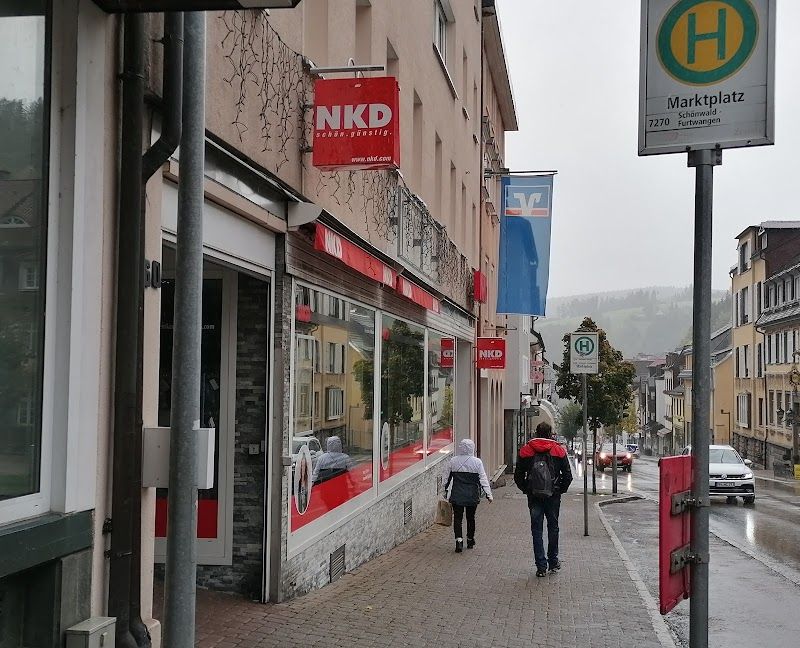
Triberg's Weihnachtsmarkt runs for just three weeks in December, typically from the first weekend through December 23rd. The market sets up around Marktplatz Triberg with 20 wooden stalls selling handmade ornaments, mulled wine, and traditional Lebkuchen.
The Christmas market's cuckoo clock theme makes it uniquely Triberg. Local clockmakers demonstrate carving techniques, and several stalls sell clock ornaments unavailable year-round. Glühwein costs around EUR 4 including the ceramic mug, while roasted almonds run EUR 3-4 per bag.
Weekend evenings feature traditional Black Forest music performances and occasional craft demonstrations. The market operates daily 10 AM-8 PM, with longest hours on weekends. Parking becomes challenging on December weekends, requiring early arrival or use of the shuttle from outlying lots.
Spring Waterfall Festival: May Celebration
May's unofficial "waterfall season" opening coincides with the Maifest celebration on the first weekend of May. Local restaurants extend outdoor seating, hiking groups organize guided walks, and the Bergsee-Cafe reopens its full seasonal menu.
The Vogtsbauernhof Open Air Museum reopens in late March, making May an excellent time to combine Triberg's waterfalls with the region's premier cultural attraction. The EUR 12 adult admission includes bread-baking demonstrations and traditional craft workshops that operate weekends through the summer.
Summer Music Season: June to August
Triberg's summer brings weekly concerts to various venues, though nothing approaching a formal festival. The Wallfahrtskirche Maria in der Tanne hosts classical concerts most Saturday evenings in July and August, with tickets around EUR 15-20.
Beer garden season runs from May through September at local Gasthof hotels, with traditional folk music on weekend evenings. These informal gatherings offer more authentic cultural experiences than the formal concert series.
Autumn Harvest Events: September to October
September brings apple harvest celebrations to the surrounding Black Forest villages, easily reached from Triberg as day trips. October's mushroom foraging season creates guided walk opportunities, though these require advance booking through the tourist office.
The Dorotheenhütte Wolfach glassblowing demonstrations increase their schedule in September-October, operating daily rather than the summer weekend-only pattern. The 15-minute drive from Triberg makes this an excellent autumn addition.
Best Time to Visit Triberg by Activity
For Waterfall Photography
April through June offers optimal waterfall conditions. Spring snowmelt creates maximum flow volume, while longer daylight hours provide flexible shooting schedules. May particularly excels with 15-hour daylight and minimal ice risk on upper trails.
Winter photography appeals to specialists willing to handle challenging conditions. January and February create dramatic ice formations, but the Kaskadenweg upper trail closes frequently due to ice. Only the lower Kulturweg remains reliably accessible.
Summer's heavy rainfall maintains good flow, but frequent afternoon thunderstorms limit outdoor photography windows. Early morning visits from 7-9 AM avoid both weather and crowd complications.
For Cuckoo Clock Shopping
Cuckoo clock shopping faces seasonal variations in shop hours and craftsman availability. Summer brings extended hours but overwhelming crowds in the narrow Hauptstrasse shops. June through August sees all major clockmakers open daily 9 AM-6 PM, but actual browsing becomes difficult during peak tour bus hours.
October through March provides intimate shopping experiences with clockmakers available for detailed conversations about mechanisms and customization. The Uhren-Park Rombach reduces winter hours but offers personal attention impossible during summer rushes.
Spring and autumn deliver the best combination of full shop hours and manageable crowds. May and September allow genuine interaction with craftspeople while maintaining inventory selection comparable to peak season.
For Family Visits
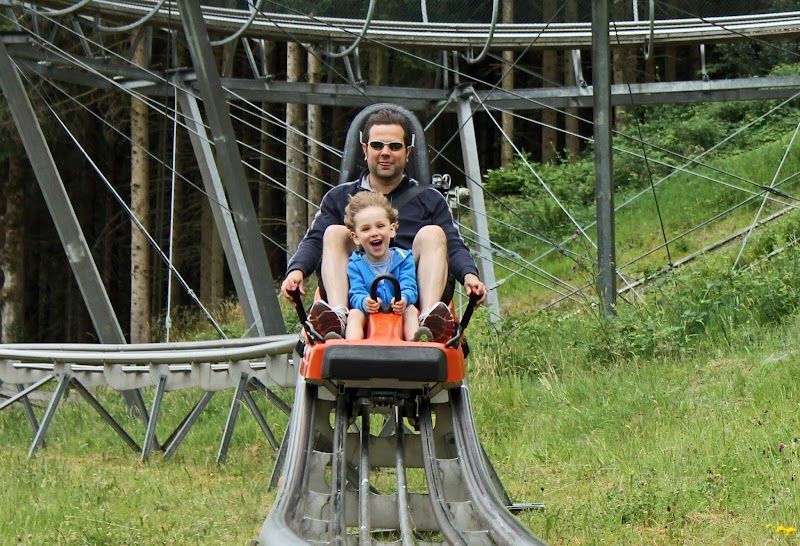
Families traveling to Triberg benefit from understanding seasonal activity availability. The Sommerrodelbahn Gutach alpine slide operates only April through October, weather permitting. Summer holidays from July through August create the busiest family periods but also ensure all attractions maintain full schedules.
Our Triberg with Kids guide covers activity details, but timing matters significantly. May and September offer ideal family weather without summer's overwhelming crowds. The waterfall trails remain fully accessible, restaurants accommodate families without long waits, and parking stays manageable.
Winter family visits work best during Christmas market season in December. Snow creates magical atmospherics, but limited activity options and potential trail closures require careful planning.
For Hiking and Nature
September stands out as Triberg's premier hiking month. Temperatures average 14°C with lower humidity than summer, autumn colors peak in the surrounding forest, and trail conditions remain excellent after summer's maintenance. The three waterfall trails (Kulturweg, Naturweg, and Kaskadenweg) all operate at full accessibility.
May offers comparable hiking conditions with the added benefit of spring wildflowers and maximum waterfall flow. Both months provide 13-15 hours of daylight for extended trail exploration.
Summer hiking faces afternoon thunderstorm risks and higher humidity, though morning conditions often prove excellent. Winter limits options significantly, with upper trails frequently closed and reduced daylight hours.
Month-by-Month Recommendations
January: Winter Solitude
Weather: Cold (2°C average), frequent snow Crowds: Minimal (2-3 tour buses daily) Best For: Intimate cuckoo clock workshops, winter photography Avoid: Extensive waterfall hiking, outdoor dining
January delivers Triberg's most peaceful experience. The Schwarzwaldmuseum Triberg becomes genuinely contemplative, and cuckoo clock craftsmen offer detailed explanations impossible during busy seasons. Budget extra time for weather delays and confirm attraction hours in advance.
February: Late Winter Charm
Weather: Still cold (3°C average), occasional snow Crowds: Very low (3-4 tour buses daily) Best For: Museum visits, clockmaking workshops Avoid: Challenging hiking, outdoor activities
February slightly improves on January's conditions while maintaining winter's peaceful atmosphere. Days begin lengthening noticeably, and occasional mild spells allow brief outdoor exploration.
March: Transition Month
Weather: Variable (6°C average), mixed rain and snow Crowds: Building slowly (4-6 tour buses daily) Best For: Indoor attractions, early spring visits Avoid: Relying on consistent weather, upper waterfall trails
March's unpredictable weather makes it challenging for visitors seeking specific experiences. Late March often provides the first genuinely pleasant days, but snow remains possible through month's end.
April: Spring Awakening
Weather: Mild but wet (10°C average, 90mm rain) Crowds: Moderate (6-10 tour buses daily) Best For: Waterfall photography, museum reopenings Avoid: Extended outdoor plans without rain backup
April marks serious hiking season's return and the Vogtsbauernhof Open Air Museum's reopening. Waterfall flow increases substantially, though weather variability requires flexible planning.
May: First Peak Season
Weather: Pleasant (16°C average), moderate rainfall Crowds: Manageable (8-12 tour buses daily) Best For: Hiking, outdoor dining, photography Avoid: Booking accommodation last-minute
May represents our top recommendation for most Triberg visitors. Weather, crowds, and activity availability reach optimal balance. All trails operate fully, restaurants extend outdoor seating, and tour traffic remains manageable.
June: Early Summer
Weather: Warm (16°C average), increasing humidity Crowds: Heavy (15-18 tour buses daily) Best For: Extended daylight activities, full attraction schedules Avoid: Midday waterfall visits, spontaneous dining
June begins summer's challenging crowd period. Early morning and evening visits work best for major attractions. All activities operate full schedules, but advance planning becomes essential.
July: Peak Chaos
Weather: Warmest (18°C average), frequent thunderstorms Crowds: Overwhelming (20+ tour buses daily) Best For: Guaranteed attraction access, summer events Avoid: Weekend visits, midday sightseeing
July represents Triberg's absolute peak season. Only visit during this month if you're comfortable with serious crowds or can time activities very carefully around tour bus schedules.
August: Continued Peak
Weather: Warm (17°C average), thunderstorm season Crowds: Very heavy (18-20 tour buses daily) Best For: Summer activities, guaranteed opening hours Avoid: Popular restaurants without reservations
August maintains July's crowd levels through most of the month, with some relief after German school holidays end mid-month. Late August often provides slightly better conditions than July.
September: Second Sweet Spot
Weather: Ideal (14°C average), lower humidity Crowds: Moderate (8-12 tour buses daily) Best For: Hiking, photography, authentic experiences Avoid: Assuming summer hours continue
September rivals May as Triberg's best visiting month. Autumn colors begin appearing, weather stays excellent for outdoor activities, and crowds drop significantly from summer peaks.
October: Autumn Colors
Weather: Cool but pleasant (9°C average) Crowds: Light (5-8 tour buses daily) Best For: Fall foliage, peaceful sightseeing Avoid: Outdoor swimming, extended evening activities
October delivers spectacular autumn colors in the Black Forest surrounding Triberg. The shoulder season balance of good weather and manageable crowds makes this an excellent choice for photographers and nature lovers.
November: Quiet Return
Weather: Cool and gray (5°C average), frequent drizzle Crowds: Minimal (3-5 tour buses daily) Best For: Indoor attractions, contemplative visits Avoid: Extensive outdoor activities, relying on sunshine
November begins the quiet season with shortened attraction hours but peaceful experiences. Weather becomes less reliable for outdoor activities, making this better suited for museum visits and cuckoo clock shopping.
December: Christmas Magic
Weather: Cold (3°C average), snow likely Crowds: Moderate on market days (8-12 tour buses) Best For: Christmas market, winter atmosphere Avoid: Extensive hiking, non-holiday weekends
December's Christmas market creates Triberg's most atmospheric period. The three-week market period sees increased crowds, but the magical setting justifies the trade-off for many visitors.
Final Timing Recommendations
For most visitors seeking the best overall Triberg experience, May and September provide optimal conditions. These months deliver excellent weather for the waterfall trails, manageable crowds for authentic cuckoo clock shopping, and full attraction schedules without summer's chaos.
Avoid July and August unless you specifically need summer weather or are comfortable navigating serious tourist crowds. The narrow streets and limited parking make peak season genuinely challenging rather than merely busy.
Winter visits work best for travelers seeking intimate cultural experiences rather than outdoor activities. December's Christmas market offers magical atmospherics, while January and February provide unprecedented access to craftspeople and peaceful museum exploration.
For autumn colors and photography, October delivers spectacular results with minimal crowd interference. Spring photography benefits from April's increasing waterfall flow and May's wildflower displays.
Remember that Triberg's elevation creates weather slightly cooler and wetter than surrounding areas. Pack layers regardless of season, and always include rain protection for outdoor activities. The Black Forest's reputation for sudden weather changes proves accurate in this mountain valley setting.