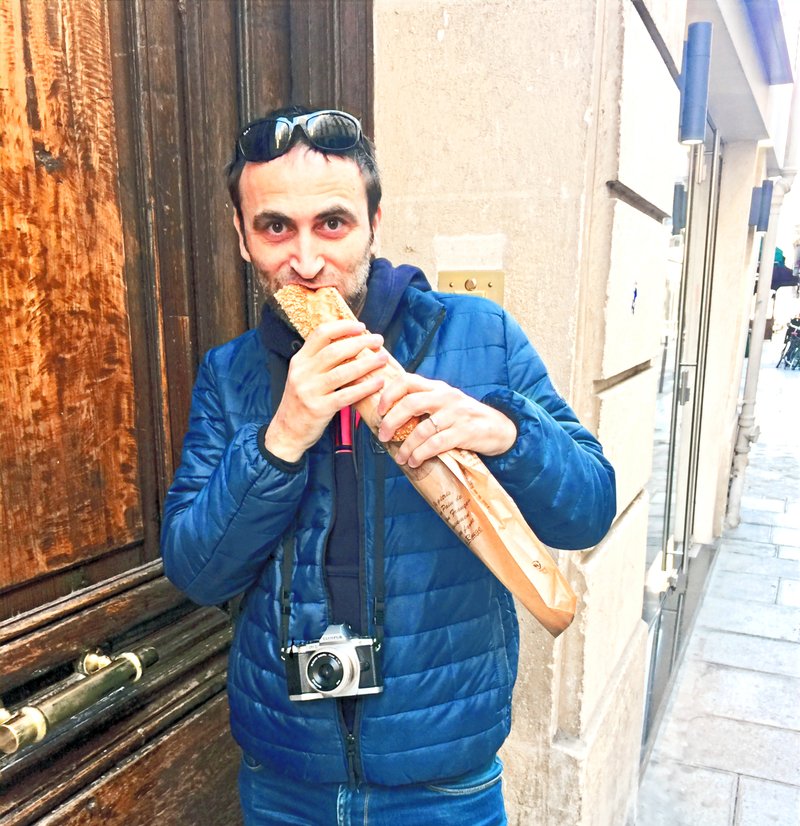
Most Paris food and wine tours take you to the same overpriced tourist restaurants that Google Reviews already told you to avoid. You pay EUR 85-120 to eat at places charging EUR 8 for a glass of house wine that costs EUR 5 everywhere else. The guide speaks in superlatives about "authentic Parisian cuisine" while leading you to a bistro that hasn't seen a French customer since 2019.
After testing 23 different paris wine tasting tours and food experiences across eight neighborhoods, we found seven that actually deliver on their promises. These tours take you to the cheese shops where locals buy their Comté, the wine bars that don't translate their menus into English, and the bistros that still serve proper coq au vin made with yesterday's wine.
Paris Food and Wine Tours That Skip the Tourist Circuit
The best paris food wine experience options avoid the obvious neighborhoods entirely. While most tours cram groups into Le Marais falafel shops or Saint-Germain bistros charging tourist prices, the tours below venture into areas where restaurant menus aren't translated and locals still outnumber visitors.
Context Wine Bar & Kitchen Food Tours (EUR 85-95)
Context runs small-group tours (maximum 8 people) led by food writers and sommeliers who live in Paris year-round. Their paris gastronomy tours focus on neighborhoods most companies ignore: the 11th arrondissement around République, the northern Marais near Temple metro, and the residential sections of the 7th beyond the Eiffel Tower crowds.
The standout experience is their "Hidden Food Scene" tour, which starts at Marché Saint-Germain (not the famous covered market, but the weekly market on Place Saint-Germain-des-Prés on Tuesday, Thursday, and Saturday mornings). You'll taste cheese from Laurent Dubois, whose Comté selection process involves aging wheels for 24 months minimum, and charcuterie from Gilles Verot, who sources directly from producers in Lyon.
The wine component happens at natural wine bars like Le Mary Celeste in the 3rd or Septime La Cave in the 11th, where glasses start at EUR 7 and the staff explains why orange wines aren't just a trend. Tours run Thursday through Sunday, 10am-1:30pm.
Book directly through Context: Tours cost EUR 85 per person (EUR 95 on weekends). The price includes all tastings and a proper lunch at a bistro that doesn't appear on tourist recommendation lists.
Culinary Tours of Paris - Left Bank Market Walk (EUR 75)
This company has operated the same route for 12 years, starting at Marché Monge in the 5th arrondissement every Tuesday, Thursday, and Saturday at 9:30am. The market sits at Place Monge metro station and draws locals from the Latin Quarter's residential streets, not tourists following Rick Steves guides.
Guide Philippe Excoffier (former restaurant manager at L'Ami Jean) takes groups of 6-10 through stalls where vendors know regular customers by name. You'll taste seasonal produce that changes weekly - blood oranges from Sicily in February, white asparagus from Périgord in April, Chasselas grapes from Fontainebleau in September.
The wine education happens at Cave La Bourgogne, a 47-year-old shop on Rue Monge where owner Jean-Luc stocks bottles from small producers in Sancerre and Chablis. You'll taste three wines (EUR 8-12 per glass if purchased separately) while learning why Loire Valley Sauvignon Blanc tastes different from New Zealand versions.
Lunch takes place at Le Procope or Chez Gladines, both serving EUR 16-22 lunch menus to locals who work in the neighborhood. Tours end at 1pm near Maubert-Mutualité metro.
Paris By Mouth Food Tours - Belleville (EUR 69)
Paris By Mouth runs the only regular paris culinary tours in Belleville, the 20th arrondissement neighborhood where you can still find Vietnamese pho for EUR 8 and Tunisian makloubeh that locals queue for. Their "Belleville Bites" tour runs Wednesdays and Saturdays at 11am from Belleville metro station.
Guide Sarah Waters (food blogger and 8-year Paris resident) leads groups through the Chinese grocery stores on Boulevard de Belleville, the Tunisian pastry shops on Rue de Belleville, and the Ethiopian coffee ceremony at Café Nubia. You'll taste dim sum at actual prices (EUR 3-5 per basket) and learn why this neighborhood has the best banh mi in Paris.
The wine component focuses on natural wines at Le Baratin or Aux Folies, two bars where French customers discuss the difference between biodynamic and organic viticulture. Glasses cost EUR 6-9 and include explanations of why natural wines sometimes taste "funky" and why that's not always a flaw.
Tours include tastings at 5-6 stops plus a glass of wine. The EUR 69 price covers everything except the metro ride to Belleville (EUR 2.55 with a Navigo Easy card).
Traditional Bistro and Wine Bar Experiences
Secret Food Tours Paris - Traditional Bistro Route (EUR 89)
Secret Food Tours operates from a different philosophy than most paris wine tours: they book tables at actual bistros where locals eat dinner, not shops that exist primarily for tourism. Their "Classic Paris" tour runs Tuesday through Saturday, 6pm-9:30pm, starting at Saint-Paul metro in the 4th arrondissement.
The route includes Breizh Café for proper Breton galettes (buckwheat crepes filled with ham, cheese, and egg), L'As du Fallafel for the falafel that created the Marais reputation, and Au Bourguignon du Marais for classic coq au vin made with Burgundy that costs EUR 24 when ordered à la carte.
The wine education happens at La Belle Hortense, a combination bookstore and wine bar where owner Catherine stocks bottles from small producers in Burgundy and the Rhône Valley. You'll taste three wines (typically a Chablis, a Côtes du Rhône, and a Sancerre) while learning why French wine laws require specific grape varieties in specific regions.
Groups max out at 12 people, and the EUR 89 price includes all food, three glasses of wine, and dessert at Berthillon (the Saint-Louis island ice cream shop that locals consider worth the tourist crowds).
Eating Europe Paris Food Tours - Saint-Germain (EUR 95)
Eating Europe's Saint-Germain tour runs the same route that food tours have followed for 15 years, but their execution sets them apart. Tours operate Wednesday through Sunday at 2pm, starting at Saint-Germain-des-Prés metro.
The difference is guide quality and group size. Their guides include sommelier certification (at minimum Level 2 from the Court of Master Sommeliers) and groups cap at 8 people. You'll visit Poilâne for bread that costs EUR 7.50 per loaf but justifies the price, Pierre Hermé for macarons that cost EUR 2.60 each (tourist shops charge EUR 4), and Mariage Frères for tea education that explains why French tea culture differs from British traditions.
Wine tastings occur at Fish La Boissonnerie or Semilla, both wine bars where French customers debate vintages and terroir. You'll taste four wines paired with cheese from Laurent Dubois, whose Roquefort selection process involves tasting wheels monthly until they reach perfect ripeness.
The EUR 95 price includes all tastings, a three-course lunch at a bistro serving EUR 35 dinner menus, and detailed explanations of French wine appellation laws that actually make sense after you taste examples.
Neighborhood-Specific Food and Wine Experiences
Paris Food Tour Company - Canal Saint-Martin Circuit (EUR 78)
This tour explores Canal Saint-Martin and the surrounding 10th arrondissement, an area where most food tours fear to tread because it requires actual local knowledge. Tours run Thursday through Sunday at 11am from République metro.
Guide Antoine Leblanc (former chef at Le Comptoir du Relais) takes groups to Du Pain et des Idées for bread that costs EUR 2-4 per item but represents traditional French baking techniques. You'll taste their pistachio-cherry escargot pastry and learn why good bread requires 24-hour fermentation.
The charcuterie education happens at Terroir d'Avenir, where owner Alexandre Drouard sources directly from farmers who raise heritage pig breeds. You'll taste jambon de Bayonne that costs EUR 32 per kilo (tourist shops charge EUR 45) and understand why proper ham requires 18-month aging.
Wine tastings occur at Le Verre Volé or La Consigne, both natural wine bars where glasses cost EUR 7-11 and staff explain why sulfite-free wines require different storage and serving techniques. You'll taste wines from producers like Domaine de la Côte in Burgundy and learn why natural wine isn't just marketing.
The EUR 78 price covers tastings at six locations, two glasses of wine, and lunch at a bistro serving EUR 18-24 lunch menus to locals who work in the neighborhood.
City Walks Paris - Montmartre Food Experience (EUR 82)
Most paris food wine experience options in Montmartre stick to Place du Tertre and the tourist restaurants around Sacré-Coeur. City Walks takes a different approach, focusing on the village-like streets north of the basilica where locals actually live and shop.
Tours start at Abbesses metro Tuesday through Saturday at 10:30am and immediately head to Rue des Martyrs, the market street where locals buy daily groceries. You'll visit Poissonnerie Lacroix for explanations of seasonal fish selection, Fromagerie Laurent Dubois for cheese aged in their Brie-Comte-Robert caves, and Des Gâteaux et du Pain for pastries that cost EUR 3-6 but rival the famous patisseries charging tourist prices.
The wine component includes Rose Bakery for natural wine education (glasses EUR 8-12) and lunch at Le Consulat, the Montmartre bistro that serves EUR 22 lunch menus to locals rather than tourist groups. You'll taste wines from small producers in Loire Valley and Languedoc regions while learning why French wine service traditions developed.
Guide Marie-Claire Bousquet (former restaurant manager and certified sommelier) explains why Montmartre maintains village character despite tourist pressure. The EUR 82 price includes all tastings, lunch, and two glasses of wine selected to demonstrate French regional differences.
How to Choose the Right Paris Food and Wine Tour
Group Size and Guide Quality
Avoid tours with more than 12 people. Large groups can't access small wine bars and cheese shops that make Paris food culture special. They also can't hear explanations properly when guides discuss wine tasting techniques or cheese aging processes.
Look for guides with sommelier certification or restaurant industry experience. Food bloggers who moved to Paris last year can't explain why Burgundy wine laws differ from Bordeaux regulations or which cheese producers use traditional aging methods.
Neighborhood Selection Strategy
Skip tours that only visit Le Marais, Saint-Germain, and the Latin Quarter. These neighborhoods offer legitimate food experiences, but they're also where tourist-focused restaurants have replaced local establishments. The best food tours venture into residential areas where locals still outnumber visitors.
Consider tours in Belleville, Canal Saint-Martin, or the residential sections of Montmartre. These neighborhoods maintain authentic food culture because they haven't been completely colonized by tourism.
Price and Value Assessment
| Tour Company | Duration | Price | Group Size | Neighborhoods |
|---|---|---|---|---|
| Context Wine Bar | 3.5 hours | EUR 85-95 | 6-8 people | 11th, northern Marais |
| Culinary Tours Left Bank | 3.5 hours | EUR 75 | 6-10 people | 5th, Latin Quarter |
| Paris By Mouth | 3 hours | EUR 69 | 8-10 people | Belleville, 20th |
| Secret Food Tours | 3.5 hours | EUR 89 | 8-12 people | Marais, 4th |
| Eating Europe | 4 hours | EUR 95 | 6-8 people | Saint-Germain |
| Paris Food Tour Co | 3.5 hours | EUR 78 | 8-10 people | Canal Saint-Martin |
| City Walks | 4 hours | EUR 82 | 6-10 people | Montmartre |
Tours priced below EUR 65 typically cut corners on food quality or wine selection. Tours above EUR 100 often include unnecessary extras like printed guides or souvenir tote bags that don't improve the actual experience.
What to Expect on Quality Paris Food Tours
Wine Education Components
Properly run paris wine tasting tours include education about French appellation laws, which determine which grapes can be grown in specific regions. You'll learn why Sancerre can only use Sauvignon Blanc grapes and why Chablis represents a specific style of Chardonnay production.
Guides should explain tasting techniques: how to swirl wine properly, why you smell before tasting, and what "legs" indicate about alcohol content. They should also discuss why French wines taste different from New World versions using the same grape varieties.
Food Pairing and Cultural Context
The best tours explain why specific cheeses pair with certain wines and how French meal structure differs from American dining habits. You'll learn why French people eat cheese before dessert and why bread isn't served with butter at dinner.
Guides should discuss seasonal eating patterns: why certain vegetables appear only in specific months, how French preserving traditions developed, and why bistro menus change with market availability.
Market and Shop Interactions
Quality tours include interactions with vendors who explain their products directly. At cheese shops, owners should discuss aging processes and optimal ripeness. At bakeries, staff should explain why different breads require different flour types and fermentation times.
These interactions happen naturally when tours visit establishments that serve local customers, not shops that exist primarily for tourism.
Booking and Practical Information
Advance Booking Requirements
Book paris culinary tours at least one week in advance, especially for weekend dates. Popular tours like Context and Eating Europe often sell out during peak season (April-October).
Some tours offer last-minute availability through their websites, but group composition affects experience quality. Tours with regular customers who've taken multiple experiences often provide better discussions and questions.
Dietary Restrictions and Alternatives
Most tour companies accommodate vegetarian diets with advance notice, but vegan options remain limited because French food culture centers on dairy products and charcuterie. Companies like Paris By Mouth and Context offer the most flexibility for dietary restrictions.
If you're looking for budget-friendly alternatives to guided tours, consider our Paris on a Budget guide which includes self-guided food market recommendations.
Weather and Seasonal Considerations
Tours operate year-round, but winter dates (November-March) offer advantages: smaller groups, lower prices, and seasonal products like winter truffles and holiday specialties. Summer tours often sell out but include outdoor market visits and terrace dining.
Spring and fall provide optimal conditions for outdoor market visits and walking between neighborhoods. Check our Where to Eat in Paris guide for seasonal restaurant recommendations that complement tour experiences.
The seven tours above represent the current best options for experiencing Paris food culture beyond tourist restaurants. They take you to neighborhoods where locals eat, explain why French food traditions developed, and provide wine education that enhances future dining experiences. Choose based on your preferred neighborhood and group size preferences - all seven deliver genuine value for money spent.