
The Bergen vs Oslo debate splits first-time visitors to Norway into two camps: those drawn to Bergen's UNESCO-listed wharf and fjord access, and those preferring Oslo's modern museums and reliable weather. After spending weeks in both cities, the choice comes down to what you prioritize - medieval atmosphere with frequent rain, or contemporary culture with clearer skies.
Bergen wins for fjord access and historic atmosphere. Oslo wins for museums, food scenes, and predictable weather. If you're visiting Norway once and want the postcard experience, Bergen delivers. If you prefer cities that function smoothly regardless of season, Oslo is your choice.
Why Choose Bergen Over Oslo
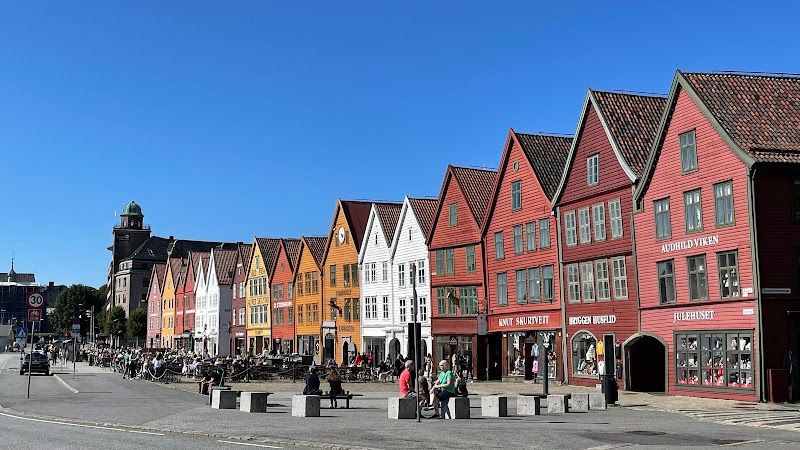
Bergen sits in a natural amphitheater of seven hills around a working harbor, with the Bryggen wharf as its centerpiece. These 14th-century Hanseatic wooden warehouses, UNESCO-listed since 1979, create a medieval streetscape that Oslo can't match. You'll walk on uneven stone floors between buildings that lean at precarious angles - not because they're falling down, but because they've settled that way over 600 years.
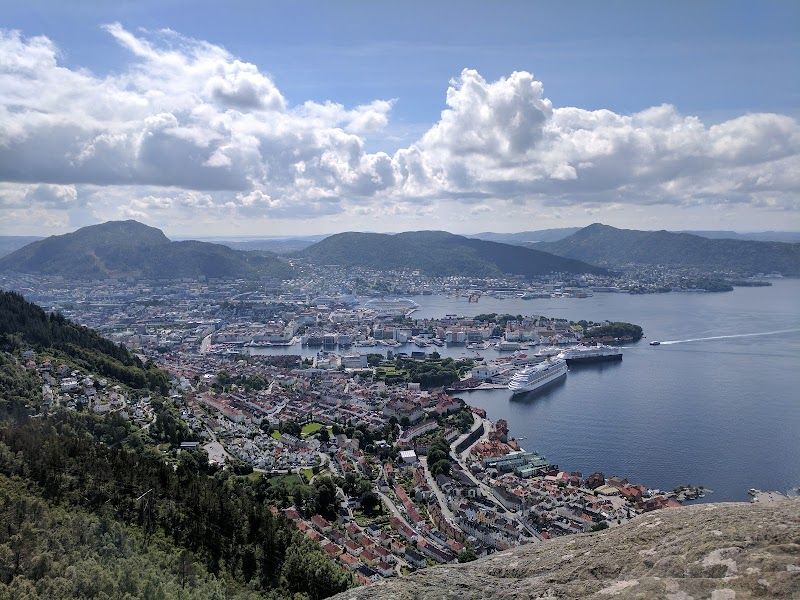
The Fløibanen funicular costs NOK 85 one-way and delivers you to Mount Fløyen's 320-meter summit in 8 minutes. The view covers Bergen's harbor, the islands beyond, and on clear days (roughly 70 per year), the outer archipelago. Walk back down through forest paths for free - the 45-minute descent saves money and shows you Bergen's green belt.
Bergen's position makes it the natural gateway to Norway's fjords. The train to Flåm takes 2.5 hours and costs around NOK 400, delivering you directly to Aurlandsfjorden. From Oslo, reaching the same fjords requires either a lengthy train journey via Bergen or expensive domestic flights. If fjords are your priority, Bergen cuts your travel time and costs significantly.
Bergen vs Oslo: Weather Reality Check
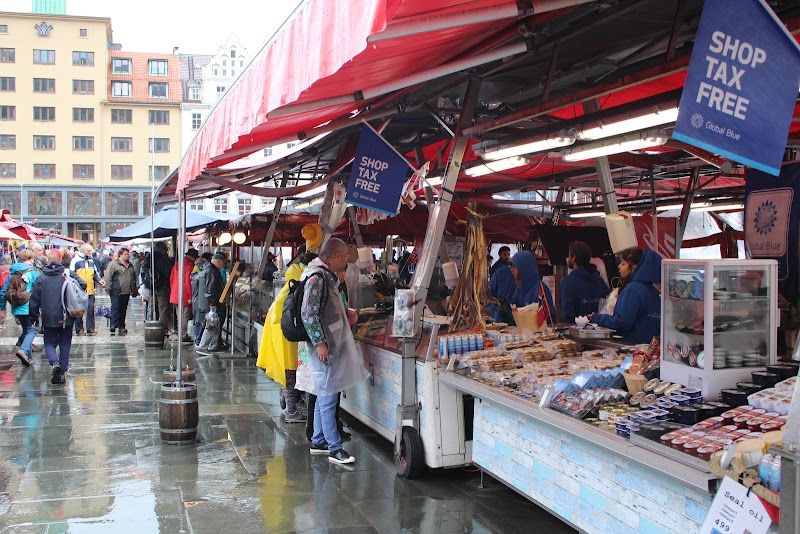
Bergen rains 239 days per year. This isn't tourism board exaggeration - it's meteorological fact. Pack waterproof everything and accept that you'll experience the city through a gray filter most days. The rain does create atmospheric scenes: water streaming off Bryggen's wooden facades, mist rolling over the seven hills, reflections in harbor puddles that photographers love.
Oslo averages 180 sunny days annually compared to Bergen's 70. Oslo's continental climate means predictable seasons - cold, clear winters and warm summers. Bergen's coastal location creates year-round uncertainty. You might experience four seasons in one afternoon.
The weather difference matters more than most guides admit. If you're traveling in winter (October through March), Oslo's crisp, sunny days beat Bergen's persistent drizzle. Summer visitors can handle Bergen's rain, but winter visitors often leave disappointed.
Why Choose Oslo Over Bergen
Oslo delivers what Bergen cannot: a comprehensive urban experience with museums, diverse neighborhoods, and a food scene that extends beyond fish soup. The city spans both sides of the Oslofjord, connected by ferries that double as public transport and sightseeing.
The Vigeland Sculpture Park contains 200 sculptures by Gustav Vigeland, displayed across 80 acres in Frogner Park. Entry is free, unlike most Bergen attractions. The nearby Vigeland Museum costs NOK 100 and provides context for the outdoor works. This combination of free major attraction plus affordable museum entry represents Oslo's approach - significant culture accessible to budget travelers.
Oslo's museum district around Bygdøy peninsula houses the Viking Ship Museum (currently closed for renovation until 2025), the Fram Museum showcasing polar exploration, and the Kon-Tiki Museum displaying Thor Heyerdahl's vessels. A day ticket covering multiple museums costs around NOK 200, comparable to Bergen's single museum prices.
Oslo's Neighborhood Diversity
Grünerløkka transforms from working-class district to trendy quarter while retaining authentic character. Vintage shops, craft coffee roasters, and independent restaurants line Markveien and Thorvald Meyers gate. Unlike Bergen's tourist-focused Bryggen area, Grünerløkka serves locals first - you'll hear Norwegian conversations, not English tour groups.
Aker Brygge provides waterfront dining and shopping in converted shipyard buildings. The architecture successfully balances historic industrial structures with contemporary additions. Bergen's harbor development feels more scattered and less cohesive.
The Royal Palace sits at the end of Karl Johans gate, Oslo's main pedestrian street. You can walk from the central station to the palace in 15 minutes, passing the National Theatre, Parliament, and Cathedral. Bergen's main sights spread across greater distances, requiring more planning and transport costs.
Bergen vs Oslo: Cost Comparison
Norway is expensive, but costs vary between cities. Bergen's tourist focus creates premium pricing, while Oslo's size provides more budget alternatives.
Transportation Costs
| Service | Bergen | Oslo |
|---|---|---|
| Airport to city center | NOK 42 (light rail) | NOK 118 (airport express) |
| Single public transport ticket | NOK 42 | NOK 39 |
| 24-hour transport pass | NOK 105 | NOK 108 |
| Taxi from airport | NOK 800-1200 | NOK 700-900 |
Oslo's Gardermoen Airport sits 50km from the city center, while Bergen's Flesland Airport is 20km away. Despite the distance difference, Oslo offers more transport options, including budget buses that cost around NOK 200 and take 45 minutes.
Accommodation Costs
Bergen's limited accommodation supply drives prices up, especially during summer cruise season. Oslo's larger hotel inventory provides more competitive rates.
Budget options (hostels/budget hotels): Bergen NOK 350-800 per night, Oslo NOK 400-700 per night. Oslo wins on budget accommodation variety.
Mid-range hotels: Bergen NOK 1300-2200, Oslo NOK 1100-1800. Oslo provides better value in this category.
Luxury properties: Bergen NOK 3500-6000, Oslo NOK 2800-5000. Both cities offer expensive luxury, but Oslo costs less.
Food and Drink Prices
Bergen's fish market offers excellent value for fresh seafood - NOK 120-200 gets you substantial portions. However, restaurant dining costs more than Oslo equivalent establishments.
Coffee: Bergen NOK 40-60, Oslo NOK 35-55. Oslo's competitive coffee scene keeps prices lower.
Beer: Bergen NOK 90-140, Oslo NOK 80-130. Oslo's larger bar scene creates more competitive pricing.
Restaurant meals: Bergen's tourist focus means fewer budget options. Oslo's diverse neighborhoods offer everything from Ethiopian restaurants in Grønland to Vietnamese pho in Tøyen, typically 10-20% cheaper than Bergen equivalents.
Which City for First-Time Visitors to Norway
The Bergen vs Oslo choice depends on your Norway priorities and travel experience.
Choose Bergen if:
You want immediate access to fjords without additional travel days. Bergen serves as base camp for Hardangerfjord, Sognefjord, and Geirangerfjord. The train to Flåm and boat through Nærøyfjord can be completed as a day trip from Bergen.
You prefer historic architecture over modern design. Bryggen wharf provides medieval atmosphere that disappeared from most European cities. Walking through these narrow alleys between leaning wooden buildings feels like time travel.
You don't mind rain and want authentic Nordic weather experience. Bergen's persistent drizzle creates the atmospheric conditions that define Nordic noir films and literature.
Your trip focuses on natural scenery rather than urban experiences. Bergen exists as gateway to wilderness, not destination in itself.
Choose Oslo if:
You want comprehensive cultural experiences. Oslo's museums, galleries, and performance venues provide weeks of indoor activities. The KODE art museums in Bergen are excellent but limited compared to Oslo's offerings.
You prefer predictable weather for sightseeing. Oslo's continental climate provides clearer seasonal patterns and more sunny days for outdoor photography and walking.
You enjoy diverse food scenes. Oslo's immigrant communities have created authentic international cuisine options beyond traditional Norwegian fare.
You're visiting during winter months (October-March). Oslo's winter activities include cross-country skiing in Nordmarka forest and ice skating in Vigeland Park. Bergen's winter weather discourages outdoor activities.
Bergen vs Oslo for Different Trip Lengths
3-4 Day Trips
Bergen works better for short visits focused on specific goals: see Bryggen, ride the funicular, take a fjord tour. Oslo requires longer stays to experience its neighborhood diversity and museum depth.
A 2-day Bergen itinerary covers the essential historic sites and includes a fjord excursion. Oslo's equivalent itinerary feels rushed, missing the city's residential character.
Week-Long Visits
Oslo provides more daily variety for longer stays. Different neighborhoods offer distinct experiences: Grünerløkka for alternative culture, Aker Brygge for waterfront dining, Bygdøy for museums, Majorstuen for shopping.
Bergen works well for week-long visits that include fjord trips and mountain hiking. Use Bergen as your base for exploring Hardanger, Sogn, and Møre og Romsdal regions.
Multi-City Norway Trips
Combining both cities makes sense for trips longer than 10 days. The Oslo-Bergen train takes 7 hours through mountain scenery - the journey itself justifies visiting both cities.
Recommended sequence: Start in Oslo for urban acclimatization, end in Bergen for fjord access and departure convenience. Bergen's airport offers more direct international connections to European cities.
Making the Final Choice: Bergen vs Oslo
After comparing both cities extensively, Bergen wins for first-time visitors seeking the classic Norway experience - fjords, historic wooden architecture, and dramatic natural settings. The rain becomes part of the experience rather than obstacle once you accept it.
Oslo wins for travelers who prioritize urban sophistication and cultural depth. The city functions as a modern European capital while maintaining Norwegian character.
For most first-time visitors asking "Oslo or Bergen," the answer is Bergen. The combination of UNESCO World Heritage architecture, immediate fjord access, and concentrated tourist infrastructure makes it easier to experience Norway's defining characteristics in a short visit.
However, if your Norway trip extends beyond the standard tourist checklist - if you want to understand contemporary Norwegian society rather than just photograph its scenic beauty - Oslo provides deeper insights.
The practical recommendation: Choose Bergen for your first Norway trip, return to Oslo on a future visit when you have more time to explore its neighborhoods and cultural institutions properly. This sequence gives you both the classic Norway experience and the foundation for deeper exploration later.
Both cities justify visits, but Bergen delivers the Norway most travelers envision when they book their flights. Just pack waterproof clothes and embrace the rain as part of the authentic Nordic experience.