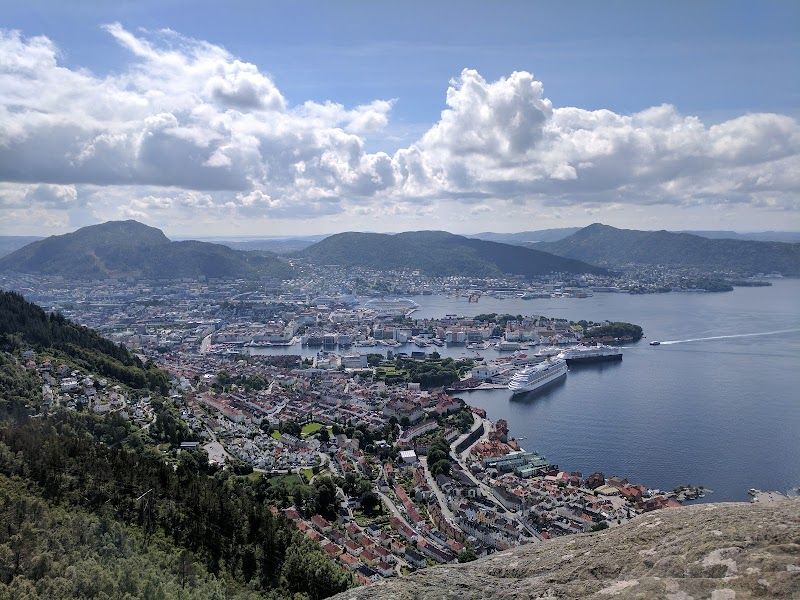
Bergen operates on its own weather system where rain falls 239 days annually, and your Bergen itinerary 2 days needs to account for this meteorological reality. The city sits in a bowl formed by seven hills around Vågen harbour, with the 14th-century Hanseatic wooden warehouses of Bryggen forming the northern edge. These UNESCO-listed buildings from 1979 anchor everything else you'll see during your brief stay.
This guide covers what to see in Bergen in 2 days without the usual tourist trap suggestions. You'll spend time in actual neighborhoods, eat where locals eat, and understand why Bergen functions as Norway's gateway to the fjords. The city rewards visitors who embrace both its architectural heritage and its role as a working port - not just another pretty Scandinavian postcard.
Day 1: Bryggen Wharf and Bergen's Historic Core
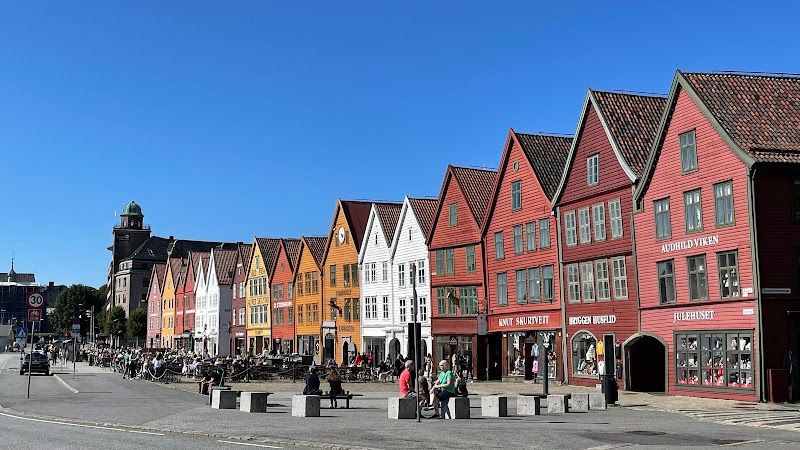
Start at Bryggen Wharf by 9 AM when the morning light (if it exists) hits the wooden facades at their most photogenic angle. The row of colorful Hanseatic buildings represents 900 years of continuous commercial activity, though most current structures date from after the 1702 fire. Walk the narrow passages between buildings - Jacobsfjorden, Bellgården, and Bredsgården - where merchants once stored stockfish and grain.
The Hanseatic Museum and Schøtstuene occupies one of the few buildings that survived multiple fires. Entry costs NOK 160 and provides context for what you're seeing outside. The Schøtstuene assembly rooms show how German merchants lived during Bergen's position as a Hanseatic League trading post. Skip this if you're more interested in contemporary Bergen - the exterior tells most of the story.
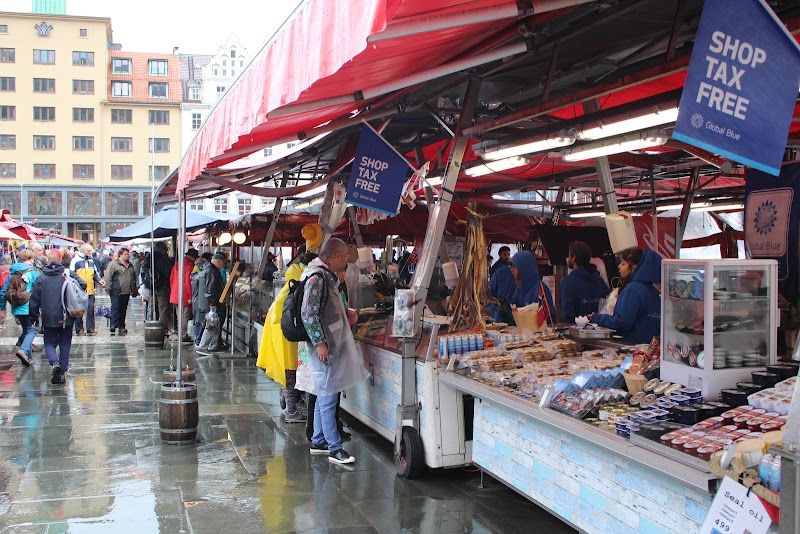
Walk south along Kong Oscars gate toward Torgallmenningen square. This pedestrian zone connects old Bergen with the 19th-century expansion areas. The fish market at Torget operates daily from 8 AM to 6 PM, though morning provides the best selection. Fisketorget sells everything from king crab legs (approximately NOK 800-1200 per kilo) to salmon sandwiches (NOK 120-200).
For lunch, walk to Det Lille Kaffekompaniet on Nedre Korskirkeallmenningen. This local coffee roastery serves proper espresso (NOK 40-60) and pastries (NOK 70-120) without tourist markup. The interior features exposed brick and communal seating - Bergen's answer to third-wave coffee culture.
Afternoon: Museums and Harbor Views
Afternoon rain probability increases to 60%, making indoor activities strategic. KODE 2 houses Bergen's art collection including Munch, Picasso, and Paul Klee works. Entry costs NOK 150 for single museum access or NOK 200 for the four-museum day pass. The building itself, a former bank, provides architectural context for Bergen's 19th-century commercial expansion.
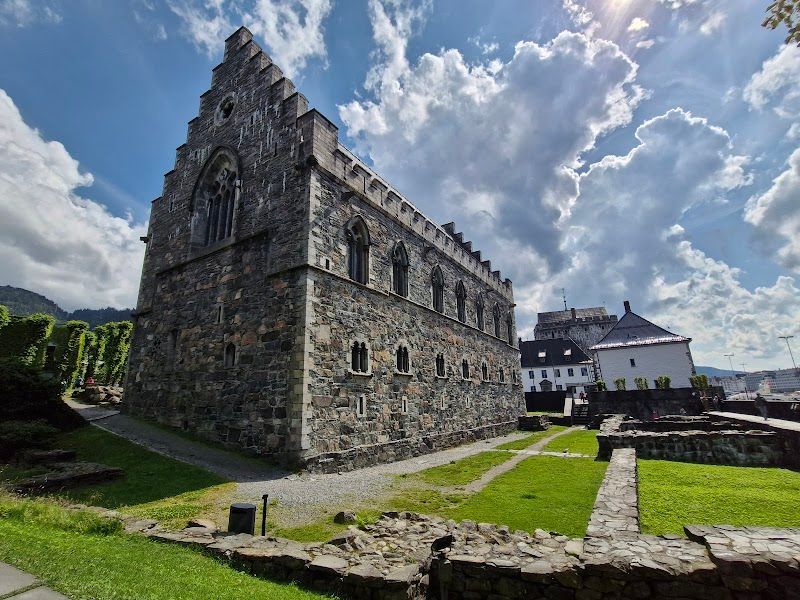
Alternatively, visit Håkonshallen, the medieval royal ceremonial hall within Bergenhus Fortress. Built in the 1260s during Bergen's time as Norway's capital, the hall demonstrates Gothic architecture adapted for Nordic conditions. Entry costs NOK 80 and includes access to Rosenkrantz Tower for harbor views.
End the day in the Nordnes & Nøstet neighborhood. Walk 15 minutes west from Bryggen along Strandgaten to reach this peninsula area. Pingvinen serves traditional Norwegian food without pretension - try the fårikål (mutton stew) for approximately NOK 280-350 or fish soup for NOK 180-220.
Day 2: Mountains, Neighborhoods and Bergen's Natural Setting
Your Bergen 2 day guide continues with mountain access via the Fløibanen Funicular. Depart by 9 AM to avoid tour groups. The 8-minute ride costs NOK 85 one-way or NOK 135 return, climbing 320 meters to Mount Fløyen. On clear days (approximately 70 annually), views extend across Bergen's harbor to the outer archipelago.
The summit features hiking trails, a restaurant, and the inevitable souvenir shop. Skip the Fløyen Folkerestaurant unless weather forces indoor dining - prices reflect the captive audience situation. Instead, walk the 45-minute forest trail back to the city center. The descent follows a well-marked path through mixed forest, passing residential areas that show how Bergen expands beyond the tourist center.
Exploring Bergen's Working Neighborhoods
Return to street level via the Fløyen trail exit near Blåsenhjelm. Walk north through Lille Øvregaten, one of Bergen's oldest streets dating to the 13th century. The narrow lane features wooden houses, small galleries, and craft workshops - functioning neighborhood rather than museum piece.
Continue to Sandviken & Gamle Bergen, 2 km north along the fjord shore. The Gamle Bergen open-air museum (NOK 100, seasonal opening) reconstructs 19th-century Bergen through relocated wooden buildings. More interesting is contemporary Sandviken itself - a residential area showing how Bergen expands beyond the historic core.
For lunch, return to central Bergen and visit Godt Brød Verftet in the Verftet cultural center. This bakery chain sources ingredients locally and offers substantial lunch options (NOK 150-250) including open-faced sandwiches and hearty soups. The industrial setting in a converted shipyard building provides context for Bergen's maritime economy.
Afternoon: Advanced Bergen Experiences
If weather permits and you have energy, consider Ulriken643 cable car (NOK 210 return). Bergen's highest peak at 643 meters offers more dramatic views than Fløyen, though cloud cover frequently obscures the summit. The cable car operates year-round but check weather conditions before the 20-minute journey.
Alternatively, explore Strandgaten in the Nordnes peninsula for a different perspective on Bergen's harbor economy. This working waterfront area features fish processing facilities, small boat harbors, and residential buildings that house Bergen's maritime workers.
Evening: Bergen's Food Scene Beyond Tourist Areas
Your Bergen weekend itinerary concludes with dinner that reflects the city's contemporary food scene. Enhjørningen Fiskerestaurant in Bryggen offers traditional seafood in a 16th-century building. Expect NOK 400-650 for dinner with drinks, featuring local fish preparations and seasonal ingredients.
For a different approach, try Bryggeloftet & Stuene, also in Bryggen but focusing on Nordic cuisine with modern techniques. The upscale dinner with wine costs NOK 800-1500 but represents Bergen's evolution beyond traditional fish preparation.
Practical Bergen Travel Information for Short Visits
Transportation During Your Bergen Short Trip
Bergen's compact size makes walking the primary transport method for this itinerary. When needed, Skyss operates buses and light rail with single tickets costing NOK 42 for zones 1-2, covering the city center. A 24-hour pass costs NOK 105 and includes boat transport to nearby islands.
From Bergen Airport, take light rail for NOK 42 (45-minute journey) or airport bus for NOK 135 (30-45 minutes). Taxis cost NOK 800-1200 with fixed pricing to city center locations.
Weather-Appropriate Planning
Rain falls on 239 days annually in Bergen, making waterproof clothing essential equipment rather than precaution. Pack layers - temperatures rarely exceed 20°C in summer or drop below -5°C in winter, but humidity and wind create variable comfort conditions.
Indoor backup plans become necessary parts of any Bergen quick visit. Museums, covered market areas, and cafes provide weather refuge without derailing your itinerary. Embrace the rain as part of Bergen's character rather than fighting it.
Budget Considerations for Two Days
Daily expenses in Bergen reflect Norwegian pricing structures. Budget travelers can manage on NOK 800-1000 daily including hostel accommodation (NOK 350-550), simple meals, and basic transport. Mid-range visitors should budget NOK 1500-2500 daily for hotel rooms (NOK 1300-2200), restaurant meals, and attraction entries.
The Bergen Card costs NOK 380 for 24 hours or NOK 480 for 48 hours, including museum entries and city transport. Calculate whether your planned activities justify the investment - individual museum tickets and transport often cost less for focused itineraries.
Food and Dining Strategies
Bergen's fish market provides street food options (NOK 120-200) that avoid restaurant markups while delivering local ingredients. Bakeries offer breakfast and light lunch alternatives (NOK 70-120) with better value than hotel dining.
For context on Bergen's culinary landscape beyond this brief visit, our comprehensive food guide covers traditional preparations, market navigation, and seasonal specialties.
Beyond the Standard Bergen Experience
Alternative Perspectives on Bergen's Seven Hills
Beyond Fløyen, Bergen's six other hills offer different approaches to the city's topography. Sandviksfjellet (417m) requires hiking but provides northern views toward the archipelago. Løvstakken (477m) offers western perspectives across Byfjorden.
These alternatives require more time than a weekend allows but demonstrate Bergen's relationship with surrounding landscape. The city exists within natural boundaries that shape both its historical development and contemporary character.
Bergen as Fjord Gateway Context
Many visitors treat Bergen as merely a fjord tour starting point, missing the city's independent character. However, understanding Bergen's historical role as western Norway's commercial center provides context for fjord region exploration.
Fjord Tours Bergen operates from the harbor area with day trips to Hardangerfjord and Sognefjord. These excursions cost approximately NOK 800-1500 depending on duration and transport method.
For comprehensive Bergen planning beyond this weekend framework, our detailed Bergen guide covers extended stays, seasonal variations, and neighborhood-specific recommendations.
Final Verdict on Bergen in 48 Hours
This Bergen itinerary 2 days covers the essential experiences without rushing through obligatory sights. You'll understand Bergen's historical significance, experience its contemporary character, and gain perspective on its natural setting. The city rewards visitors who engage with both its heritage tourism aspects and its functioning neighborhood life.
Two days provides sufficient time to form opinions about Bergen rather than simply checking boxes. You'll leave with understanding of why this rainy harbor city functions as Norway's cultural counterpoint to Oslo - different architecture, different pace, different relationship with surrounding landscape.
The itinerary balances indoor and outdoor activities to accommodate Bergen's weather patterns while providing flexibility for personal interests. Whether you continue to the fjords or return with Bergen as your primary Norwegian experience, these 48 hours establish solid foundations for understanding western Norway's largest city.