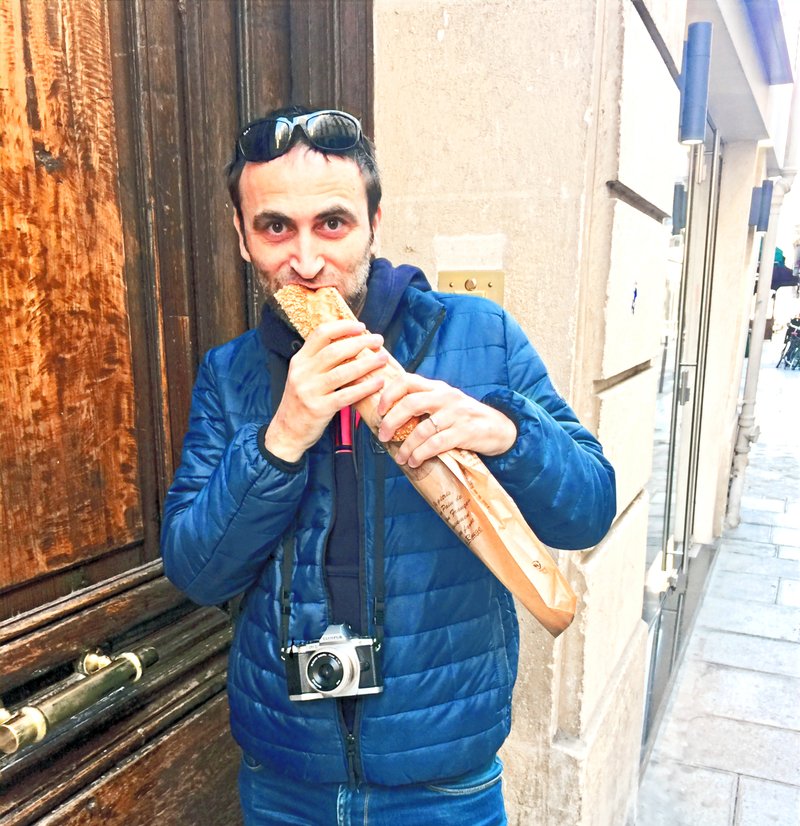
The barcelona food experience people describe after a great trip has almost nothing to do with La Rambla. It involves a 2 PM lunch that stretches into 4, a glass of house vermouth that costs EUR 2.50, and a dish you couldn't name but would order again without hesitation. Getting there requires a little planning and a willingness to eat on Spain's schedule, not yours.
This guide covers the structured options, the market visits, the cooking classes, the neighborhood food tours, and the specific bars and restaurants that justify the hype. We've also included honest verdicts on what's worth booking in advance and what you should skip entirely.
What a Barcelona Culinary Experience Actually Looks Like
Barcelona's food culture runs on timing. Lunch is the main meal, served from 1 PM to 4 PM, and the menu del dia is one of the best deals in European travel: a three-course meal with a drink for EUR 12-18 at almost any neighborhood restaurant. Dinner before 9 PM marks you as a tourist. Tapas are eaten standing at a bar, usually between 7 PM and 9 PM, as a bridge between the two.
The city's culinary identity is Catalan first, Spanish second. That means pa amb tomàquet (bread rubbed with tomato and olive oil), salt cod dishes, botifarra sausage, and seafood from the Mediterranean rather than the Atlantic. The Andalusian tapas tradition you might expect, jamón and gazpacho, exists here but it's not the local story.
For a practical overview of the full eating landscape by neighborhood, the Barcelona neighborhood food guide covers the key distinctions without the tourist-brochure filter.
The Structured Options: Tours and Cooking Classes Worth Booking
Cook & Taste Barcelona (Gothic Quarter)
Cook & Taste Barcelona is the most consistently recommended cooking class in the city, and the location matters. It runs out of the Gothic Quarter, which means you're cooking in the same neighborhood where most of those dishes were invented. Classes focus on Catalan classics: pa amb tomàquet, croquetas, paella, and crema catalana. The format is hands-on rather than demonstration-only, which is the right call for people who actually want to replicate this at home.
Classes run 4 hours and start with a market tour to select ingredients before you cook four dishes, paella and tapas among them. It is not a cheap afternoon, but you leave with the meal you cooked and, more usefully, the skill to cook it again.
One honest note: the Gothic Quarter location is convenient but also heavily touristed. If you want a more local-feeling cooking experience, look for classes based in Eixample or Gracia. The trade-off is that Cook & Taste has the systems and the English-language instruction dialed in.
La Boqueria Market: The Barcelona Tapas Experience Everyone Does (and Why That's Earned)
La Boqueria on La Rambla is genuinely worth visiting, but not for eating. Entry is free, the visual spectacle of the produce, hanging meats, and seafood counters is real, and going early (before 10 AM) gives you the working-market version rather than the tourist-performance version.
The Boqueria market tapas tour is a structured way to navigate this: a guide walks you through the stalls, explains what you're looking at, and takes you to the counters that aren't optimized for passing tourists. On your own, the fresh juice stalls (EUR 3-5) are fine but the tapas plates (EUR 5-12) at the market bars are priced for people with limited time rather than value.
The honest verdict: La Boqueria is a good morning orientation, not a meal. Use it as the first stop before heading deeper into the city.
Barcelona Food and Wine Tours: What to Look For
A barcelona food and wine tour typically covers 4-6 stops across a single neighborhood or two adjacent ones, lasting 3-4 hours. The better ones hit vermouth bars, a market, a charcuterie or cheese specialist, and at least one sit-down tapa. The weaker ones string together restaurants that pay for placement.
The Barcelona Tapas Walking Tour is the on-DAIZ example of exactly that shape: a 3-hour evening crawl through five family-run bars on Carrer de Blai in Poble Sec, wine and beer included, with locals outnumbering tourists at the stops. For the full comparison of which food and wine walking tours deliver the right ratio of food to filler, the Barcelona Tipsy Tours review goes deep. The short version: tours that stay in one neighborhood and include standing-bar stops rather than full restaurant seatings tend to feel more authentic.
For the Poble Sec route specifically, Carrer de Blai is the main strip for pintxos, the Basque version of tapas served on bread, and that area rewards walking on your own as much as with a guide.
The Bars and Restaurants You Should Book Around
El Born and La Ribera: The Neighborhood That Does It Best
El Born and La Ribera is where the barcelona food experience reaches its peak concentration. Three places in particular are worth planning around:
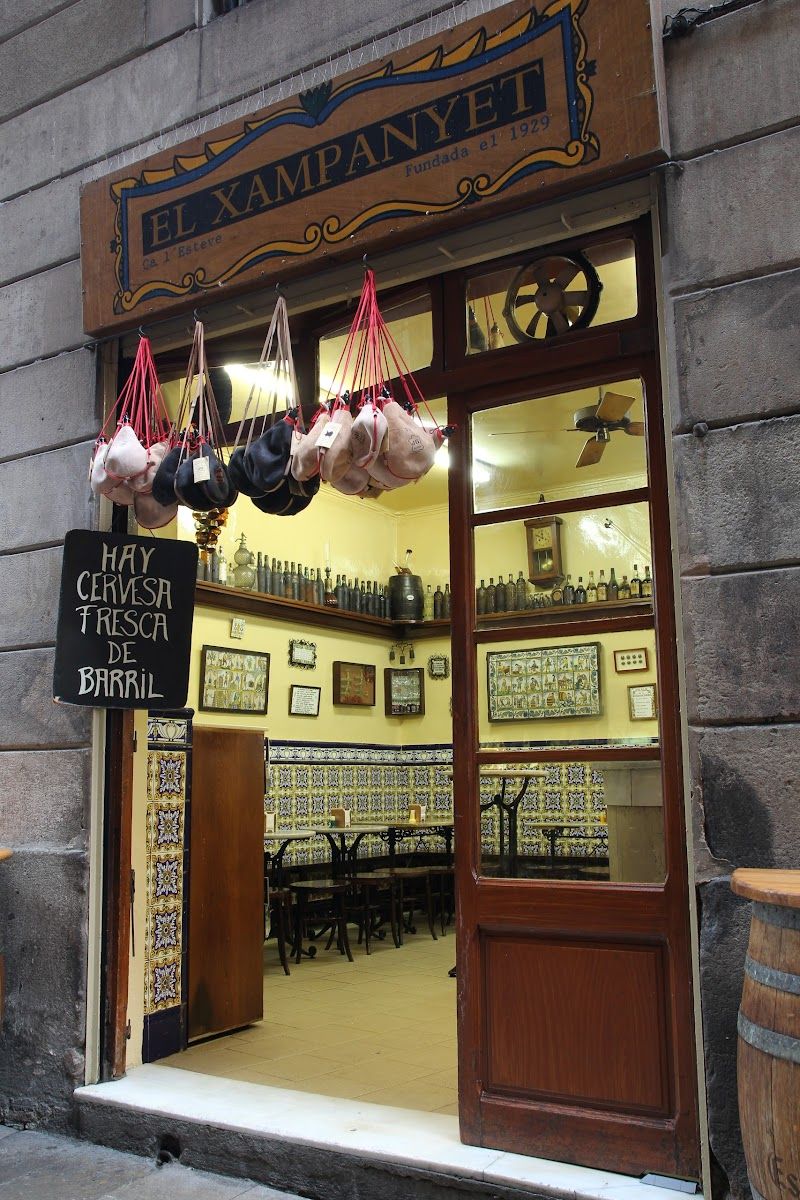
El Xampanyet on Carrer de Montcada is the definitive Barcelona tapas bar. It's been serving house cava and anchovies since 1929. It gets crowded by 8 PM. Go at 7 PM on a weekday if you want to actually get to the bar. A round of cava plus two or three tapas will cost approximately EUR 15-20 per person.
Cal Pep on Plaça de les Olles is the restaurant version of the same ethos: counter seating, no menu drama, just the chef deciding what's good that day. It's a sit-down place but runs more like a bar. Expect EUR 30-40 per person with wine.
Paradiso deserves a mention in a food context because the bar-within-a-bar concept, a pastrami sandwich shop that hides a cocktail bar behind it, captures exactly the playful seriousness of El Born's food scene. It's not a meal, but it's a great last stop.
Poble Sec and Quimet & Quimet
Quimet & Quimet on Carrer del Poeta Cabanyes in Poble Sec is the one place in Barcelona that every serious food traveler should visit, and it's tiny enough that it still manages to feel local despite the reputation. It's standing room only, open lunch hours only (roughly 12 PM to 4 PM, Tuesday to Saturday), and serves conservas: premium tinned seafood and pickled things stacked on bread. A few montaditos and a glass of vermouth will run EUR 12-18 per person. There are no reservations. Arrive when it opens.
Barceloneta: The Seafood Anchor
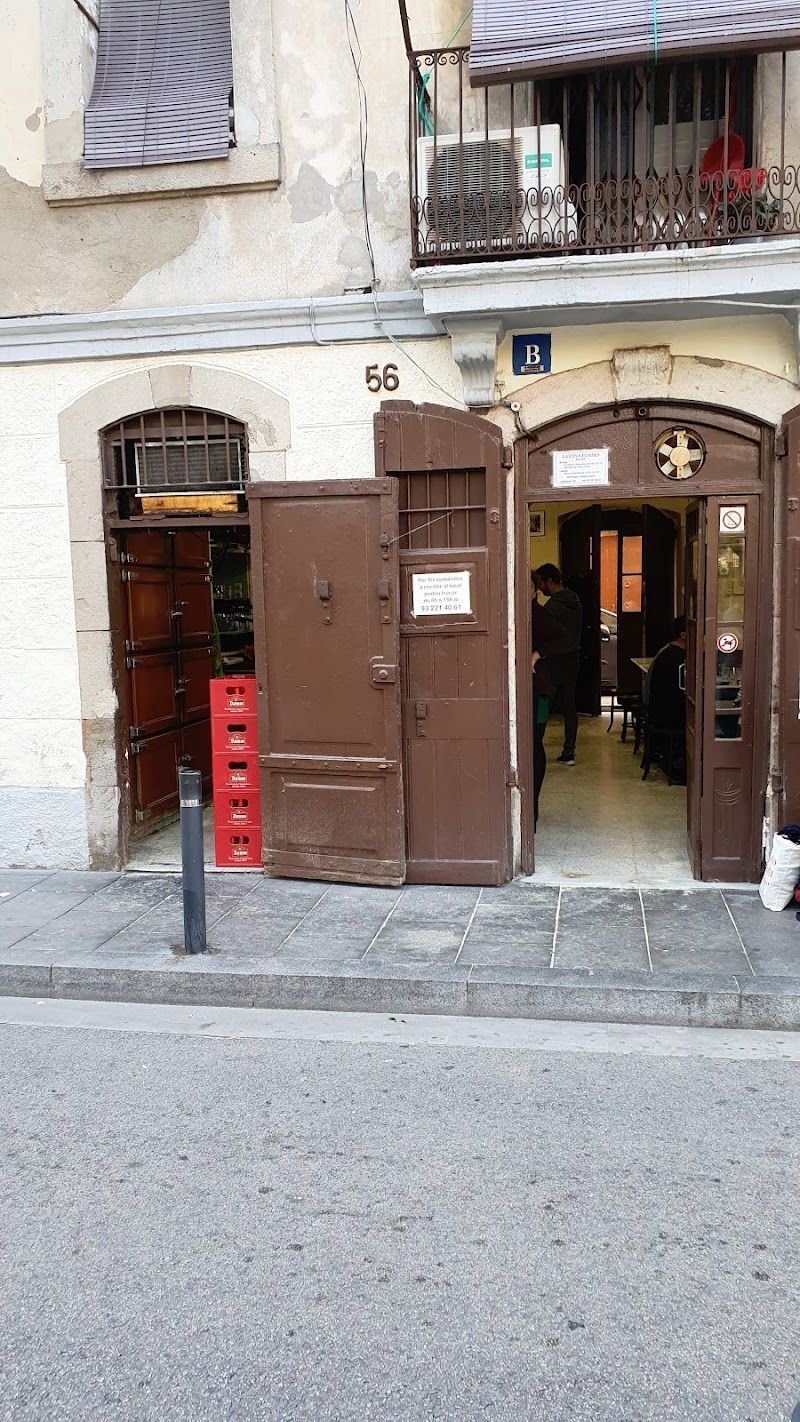
La Cova Fumada in Barceloneta is widely credited as the birthplace of the bombas, a fried potato ball with meat filling that has since spread across the city. It's cash only, it opens early (from around 9 AM), and it closes when it runs out, usually by 3 PM. This is a barcelona culinary experience in the truest sense: a family-run place doing one thing very well for decades.
Poblenou: The Quieter Alternative
Can Recasens in Poblenou is a wine shop and restaurant hybrid that most visitors to the city never find, because they don't make it east of the Born. The room is filled floor-to-ceiling with wine bottles and preserved goods. The food is Catalan market cooking. Dinner runs EUR 25-40 per person. It's a better meal than most of what you'll find twice the price in the Gothic Quarter.
Market Visits Beyond La Boqueria
La Boqueria gets the attention, but two other markets deserve space in a barcelona food experience itinerary:
Mercat de Santa Caterina in El Born (Avinguda de Francesc Cambó) is the working-class answer to La Boqueria. The undulating mosaic roof is a genuine architectural statement, and the produce stalls sell to neighborhood residents rather than tourists. The attached bar does a menu del dia for around EUR 12.
Mercat de Sant Antoni in the border zone between El Raval and Eixample is less food-focused during the week but hosts a Sunday food market (Mercat de l'Alimentació) that draws local producers selling cheese, charcuterie, honey, and preserves. It's a genuine farmers' market experience in a city that doesn't do many of those well.
Neighborhood Food Crawls: Where to Eat Without a Guide
| Neighborhood | Best For | What to Spend |
|---|---|---|
| El Born | Tapas bars, natural wine, conservas | EUR 20-35/person |
| Poble Sec | Pintxos, vermouth, casual restaurants | EUR 15-25/person |
| Gracia | Menu del dia, Catalan cooking, low-key bars | EUR 12-20/person |
| Barceloneta | Seafood, market snacks, morning coffee | EUR 10-20/person |
| Poblenou | Neighborhood restaurants, wine shops | EUR 20-35/person |
Gracia is consistently underrated for eating well cheaply. The neighborhood's main squares, particularly Plaça de la Vila de Gràcia, are surrounded by bars doing menu del dia lunches for EUR 12-15. These aren't tourist-facing restaurants; they're the places the people who live here eat every weekday.
El Raval has a reputation that keeps tourists away and that keeps prices lower. The neighborhood around Carrer del Parlament has a cluster of small restaurants worth exploring, particularly for dinner when the menu del dia isn't running and you want a full meal for EUR 20-30 per person.
Barcelona Cooking Classes: What to Expect and How to Choose
The barcelona cooking class market in 2026 has consolidated around a handful of reliable operators and a long tail of one-off experiences of variable quality. A few practical filters:
Class size matters. Anything over 12 people starts to feel like a demonstration rather than a class. Ask before booking.
Market-to-table is better than kitchen-only. The combination of a market visit followed by cooking uses the same ingredients you just selected, which teaches you why the quality of olive oil and tomatoes matters in Catalan cooking. The same logic applies to fish: seeing what's fresh that morning changes how you approach the recipe.
Catalan vs. Spanish focus. Barcelona cooking classes vary between those that teach regional Catalan dishes (pa amb tomàquet, fideuà, romesco) and those that default to a pan-Spanish curriculum (paella, gazpacho, tortilla). Neither is wrong, but if you're in Barcelona specifically to understand Catalan food, clarify this before you book.
For a deeper read on the dishes you'll encounter, the guide to essential Barcelona foods covers the specific dishes and their context in a way that makes a cooking class more meaningful, not less.
Practical Logistics
Barcelona's food scene is spread across neighborhoods that take 20-30 minutes to move between on foot. The metro is efficient (EUR 2.55 single, or EUR 13 for a 10-trip T-casual card) but the best food crawls happen in a single neighborhood over an evening rather than a cross-city sprint.
For planning your full Barcelona trip around food and everything else, the DAIZ Barcelona hub has itineraries, neighborhood breakdowns, and activity booking in one place.
One timing note that affects everything: if you're doing a food tour or cooking class, book at least 3-4 days ahead for weekend slots. The good operators fill up, particularly for Saturday morning market visits.
The honest summary: the best barcelona food experience isn't a single restaurant or a single class. It's the accumulation of a market visit at 9 AM, a standing vermouth at 7 PM, and a dinner that starts at 9:30 and runs until the kitchen closes. The structure you add around that, a cooking class, a guided food tour, a specific restaurant booking, should serve that rhythm rather than replace it.