Paris · Le Marais

Quartier Saint-Paul

Quartier Saint-Paul houses over 80 antique dealers spread across interconnected medieval courtyards that most tourists walk right past.
Quartier Saint-Paul, Paris · Le Marais
Category
Shopping
Duration
1 hour
Best Time
Afternoon
Entry
€€€
The place

About Quartier Saint-Paul

Quartier Saint-Paul houses over 80 antique dealers spread across interconnected medieval courtyards that most tourists walk right past. You'll find everything from 17th-century armoires to Art Deco jewelry, with dealers who actually know their stuff and prices that haven't been inflated for tour groups. The maze-like layout means you can spend an hour discovering Napoleon III chairs, vintage Hermès scarves, and ornate mirrors without fighting crowds.

Once you find the entrance, you'll weave through stone courtyards where dealers have set up shop in centuries-old buildings. The atmosphere feels like stepping into someone's aristocratic grandmother's attic, with crystal chandeliers hanging next to taxidermied peacocks and vintage perfume bottles. Each courtyard reveals new specialists: one focuses on military antiques, another on Belle Époque furniture, and several deal in curiosities you didn't know existed.

Most guidebooks barely mention this place, which keeps it refreshingly low-key compared to the overpriced tourist traps on Rue de Rivoli. Prices vary wildly, from 20 EUR vintage brooches to 3,000 EUR armoires, and dealers are open to negotiation if you're buying multiple pieces. Skip the weekends when Parisian collectors descend, and avoid the cramped upper-level shops that charge premium prices for mediocre pieces.

Book ahead

Book Tickets

Live availability and skip-the-line options from our booking partners.

Search on Viator →Search on GetYourGuide →

Booking powered by our partners. DAIZ may earn a commission.
The place

Getting there

Address
Quartier Saint-Paul, 75004 Paris, France
Neighborhood
Le Marais
Nearest Metro
Saint-Paul (Line 1)Hotel de Ville (Lines 1, 11)Chemin Vert (Line 8)
View on Google Maps →
Good to know

Tips, answered

Enter through the narrow passageway at 27 Rue Saint-Paul, marked only by a small sign that's easy to miss if you're walking quickly down the street.

Most visitors stick to the first courtyard and miss the best dealers, who are located in the deeper courtyards accessible through additional archways.

Visit on Thursday or Friday afternoons when dealers have time to chat and share stories about their pieces, plus they're more willing to negotiate prices before the weekend rush.

Plan for about 1 hour.

Quartier Saint-Paul is in the Le Marais neighborhood of Paris. The address is Quartier Saint-Paul, 75004 Paris, France. The area is well-served by metro.

This works well at any time of day, though mornings tend to be quieter. Weekdays are less crowded than weekends.

Around the corner

Nearby in Le Marais

Explore all →
Rue des Rosiers
Cultural Site

Rue des Rosiers

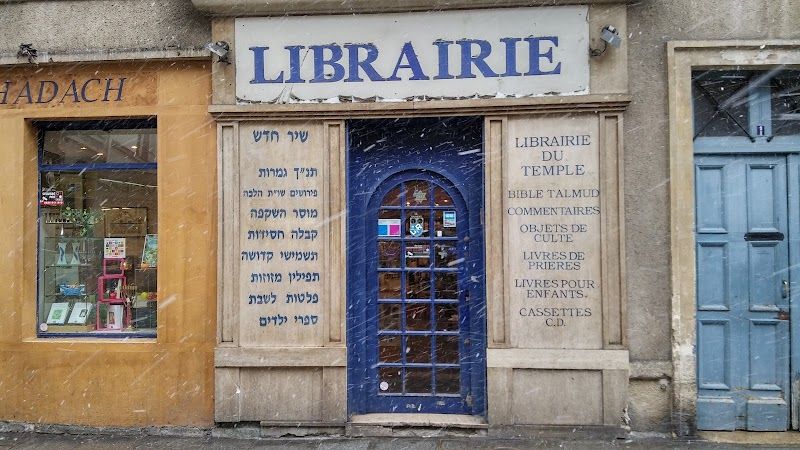
Rue des Rosiers stretches just 400 meters through the Marais, but it packs centuries of Jewish history into every storefront. You'll find L'As du Fallafel (the yellow storefront everyone photographs), traditional Ashkenazi bakeries selling challah and rugelach, and Sacha Finkelsztajn's century-old deli where pastrami costs 8 EUR per sandwich. Plaques on building walls mark deportation sites from 1942, while newer Sephardic restaurants serve Israeli-style shakshuka alongside old-world borscht. The street feels like two different neighborhoods depending on when you visit. Weekday mornings bring elderly locals buying fresh bagels and discussing politics in Yiddish outside Goldenberg's. By afternoon, international food tourists queue at Du Loir dans le Théière for 4 EUR rugelach while vintage shoppers browse retro Levi's at Free'P'Star. The contrast works: kosher butcher shops operate next to trendy concept stores, and nobody seems bothered by the mix. Skip the weekend crowds if you want authentic atmosphere, most visitors miss the residential courtyards at numbers 10 and 17 where you can peek into typical Marais living spaces. The falafel hype is real but overpriced: locals go to Miznon on nearby Rue Ecouffes for better value at 6 EUR per pita. Walk the entire street in 15 minutes, then circle back to actually shop and eat.

30-45 minutesExplore
Musée National Picasso-Paris
Museum

Musée National Picasso-Paris

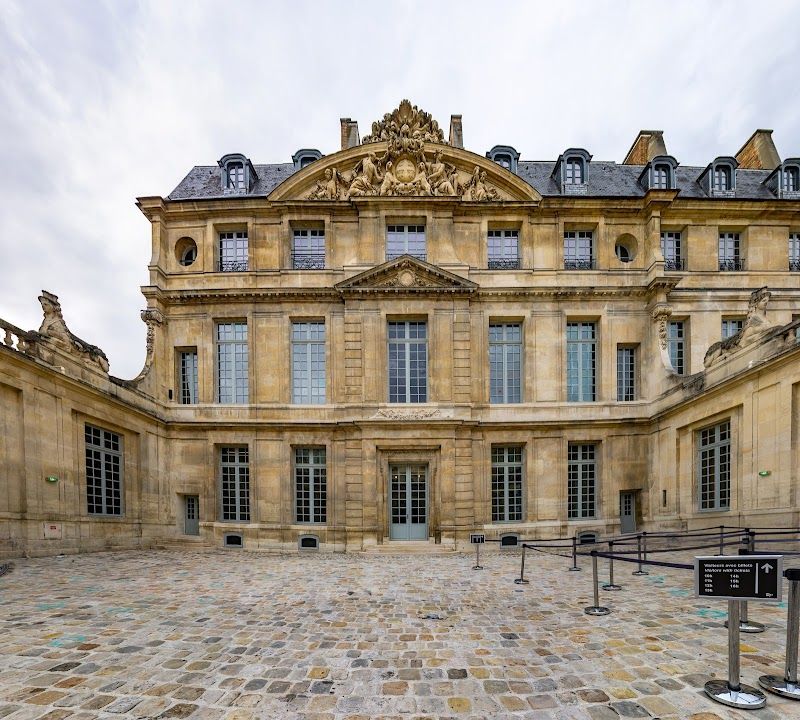
The Hôtel Salé showcases Pablo Picasso's artistic evolution through 5,000 works acquired by the French state in lieu of inheritance taxes. You'll see juvenilia from age 15, revolutionary Cubist breakthroughs like Les Demoiselles d'Avignon studies, and late-career sculptures most people never knew existed. The personal archives reveal his creative process through sketchbooks and correspondence with contemporaries like Braque and Matisse. The mansion's renovation balances preservation with functionality-original parquet floors and moldings frame white-walled galleries that let the art breathe. The chronological layout spans three floors, starting with early academic training and progressing through Blue Period melancholy to Cubist fragmentation. The basement sculpture hall, with pieces like the goat assemblage, offers tactile understanding of his three-dimensional experiments. Skip the audio guide-the wall texts provide sufficient context without slowing your pace. The second floor gets crowded around Les Demoiselles studies; view these early morning or late afternoon. The temporary exhibitions often overshadow permanent works but rarely justify the visit alone. Budget 90 minutes unless you're studying specific periods; the sheer volume becomes overwhelming after two hours.

2 hoursExplore
Carnavalet Museum
Museum

Carnavalet Museum

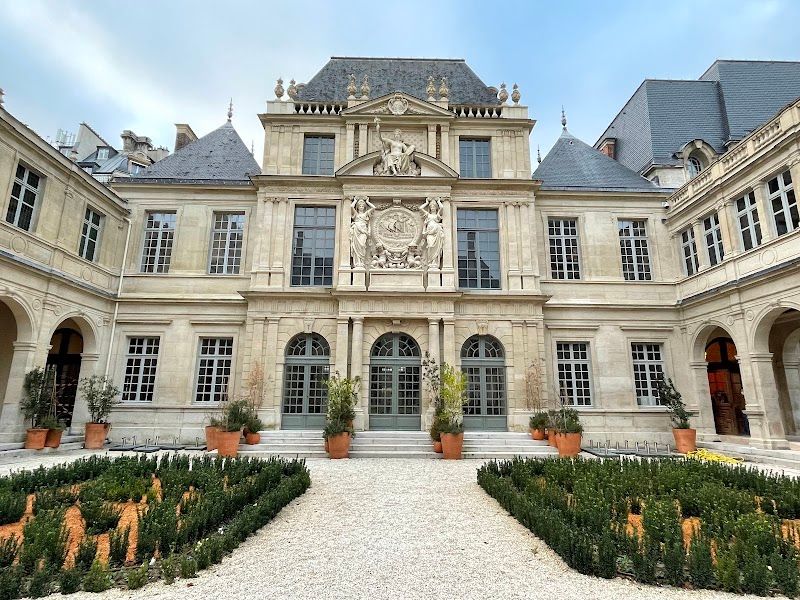
The Carnavalet Museum tells Paris's complete story through artifacts, rooms, and reconstructions spanning 2,600 years. You'll walk through actual salons from demolished Parisian hôtels particuliers, see Napoleon's toiletry case, and stand in recreated Revolutionary-era shops with original signage. The Marcel Proust bedroom recreation includes his actual furniture and cork-lined walls. Revolutionary artifacts dominate-guillotine keys, Robespierre's shaving kit, and propaganda posters fill entire floors. The visit flows chronologically through 100 rooms across two connected 17th-century mansions. Medieval Paris occupies the ground floor, then you climb through Renaissance galleries to Revolutionary chaos on the first floor. The Belle Époque rooms feel like frozen-in-time apartments with Mucha posters and Art Nouveau furniture. Some rooms overwhelm with density-glass cases packed floor to ceiling with pottery, coins, and documents. Start with the Revolutionary rooms on the first floor if you're short on time-they're genuinely fascinating. The medieval archaeology section drags unless you love pottery shards. The garden courtyards provide necessary breathing room between dense exhibitions. The 2021 renovation improved lighting dramatically, but some rooms still feel cramped. Allow three hours minimum if you actually read the placards.

2 hoursExplore
Merci
Shopping

Merci

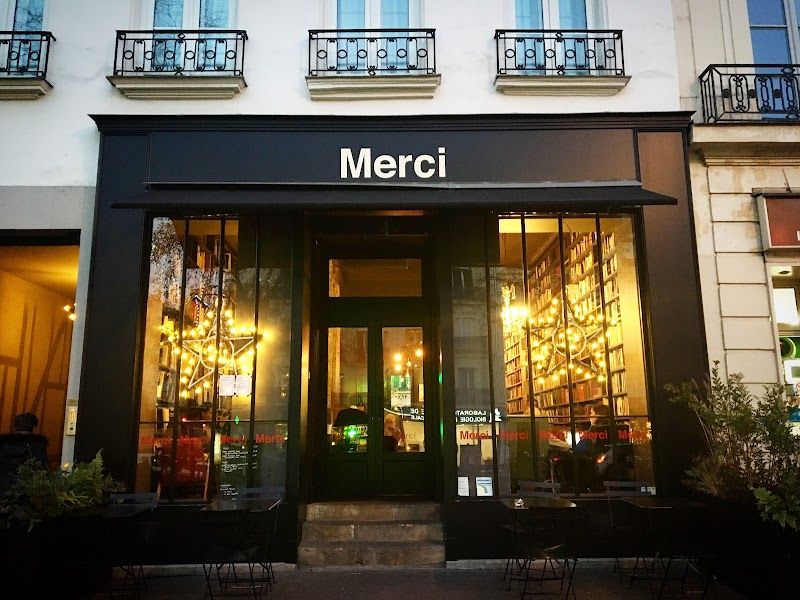
Merci occupies a sprawling former wallpaper factory with three floors of carefully curated fashion, furniture, and design objects. The red Fiat 500 permanently parked in the ground-floor café isn't just decoration-it's functional seating, and the whole space feels more like a stylish friend's loft than a traditional store. What sets it apart is the genuine editorial eye: everything from the €15 notebooks to the €800 ceramics feels intentionally chosen rather than mass-marketed. The layout encourages wandering-you'll move from vintage band tees on the first floor to Italian ceramics on the second, then down to the basement's dim cinema café where locals nurse single espressos for hours. The book café in the back corner has that lived-in feeling of a neighborhood spot, with worn leather chairs and French literary magazines scattered on low tables. The whole experience feels more like browsing a friend's collection than shopping. Most visitors rush through treating it like a department store, but Merci rewards slow exploration. The fashion selection skews expensive and trendy rather than timeless-focus on the homeware and books instead. The café food is overpriced and mediocre; come for coffee only. The Madagascar charity angle is genuine but don't expect detailed information about it-this is subtle social responsibility, not virtue signaling.

1 hourExplore
Marché couvert des Enfants Rouges
Market

Marché couvert des Enfants Rouges

The iron framework and red brick facade look modest from Rue de Bretagne, but step inside to find Paris's most genuine neighborhood market. Vendors here aren't performing for tourists-they're serving the same families who've shopped here for decades. The produce stalls cluster near the entrance with perfect tomatoes and herbs that smell like actual dirt, while the prepared food vendors occupy the back section with mismatched plastic chairs around communal tables. The morning rhythm follows a predictable pattern: locals grab vegetables first, then queue for bread at Du Pain et des Idées' small counter. By 11:30, office workers start trickling in for early lunch, and the Moroccan vendor begins ladling couscous into paper containers. The Japanese woman at Taeko's counter meticulously arranges bento boxes while her husband grills fish. Everything feels cramped and slightly chaotic, exactly as it should. Don't expect pristine presentation or English menus-this isn't Borough Market. The vegetable prices run higher than supermarkets, but the quality justifies it. Skip the overpriced organic honey stall near the entrance and head straight to L'Estaminet du Marché for proper French bistro food. Most food vendors close by 2 PM, so time your visit accordingly.

1 hourExplore
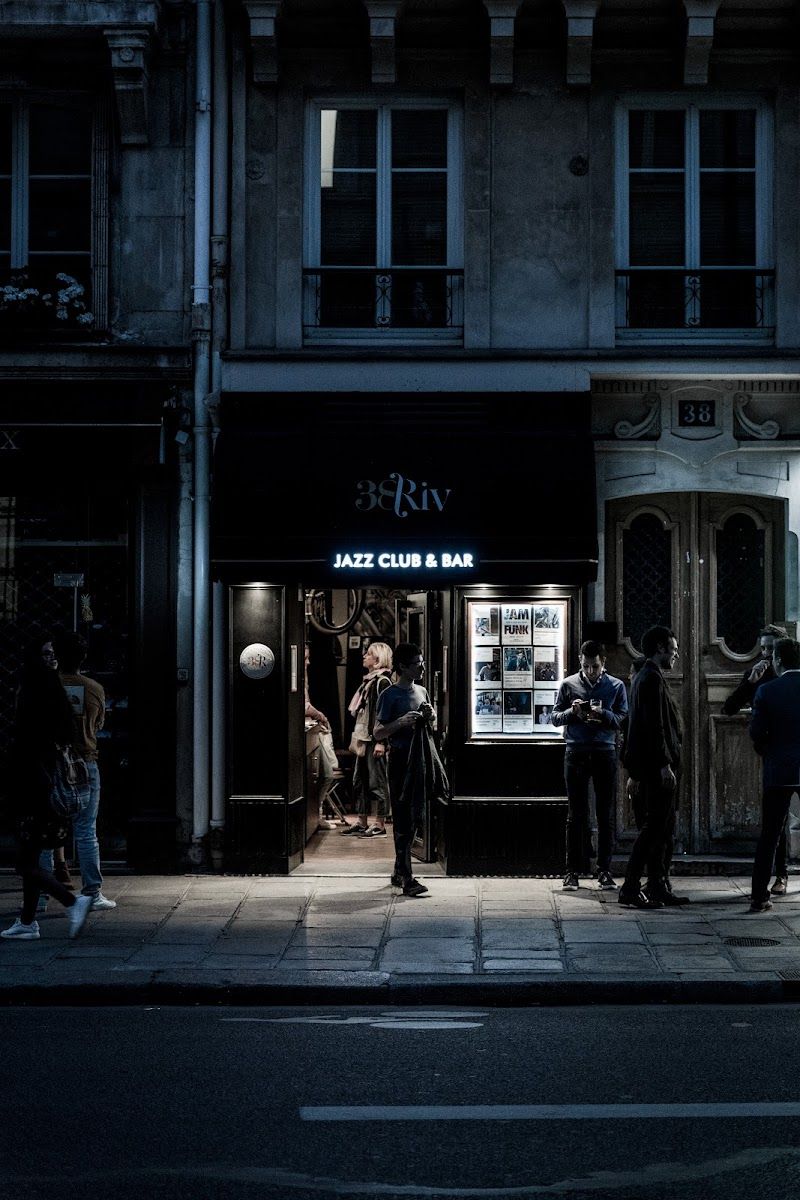
38Riv Jazz Club
Tour

38Riv Jazz Club

38Riv Jazz Club runs evening walking tours through Saint-Germain's legendary jazz venues, ending with reserved seats at Le Procope's basement cave for a live performance. You'll visit four historic clubs where American musicians like Miles Davis lived and played during Paris's post-war jazz boom, learning how these cramped cellars became cultural sanctuaries when jazz faced hostility back home. The three-hour experience starts at Café de Flore with stories about Sidney Bechet's early Paris years, then moves through narrow Saint-Germain streets to Le Tabou and Club Saint-Germain-des-Prés. Your guide explains how French audiences embraced bebop while sharing anecdotes about late-night jam sessions. The final hour features live music in an authentic stone-walled cave with surprisingly good acoustics. Honestly, the historical context makes this worthwhile even if you're not a jazz fanatic. The walking portions feel rushed between venues, and some guides lean heavily on romanticized stories rather than hard facts. Skip their overpriced wine recommendations and stick to beer. The live performance quality varies wildly depending on which local trio is playing that night.

3 hoursExplore
More on Paris

From the blog

View all →
Ready for Paris?

Let DAIZ plan your Paris days

Tell us how long you've got and what you're into. We'll build a day-by-day plan, with the bookable bits ready to lock in.

Plan my Paris tripFree · no signup to start
Plan your Paris trip