Mallorca · Serra de Tramuntana

Soller

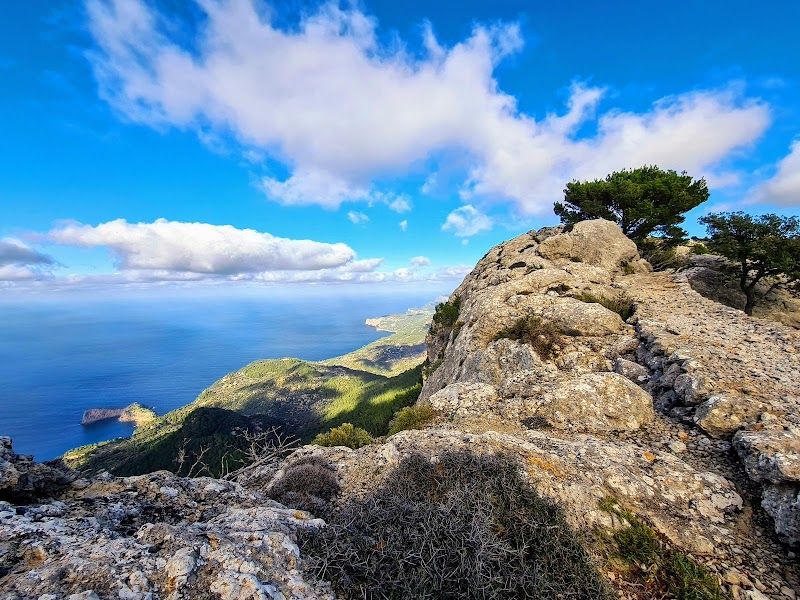
Soller sits in a valley of orange groves surrounded by the Tramuntana mountains, and it feels like a different island from the coast.
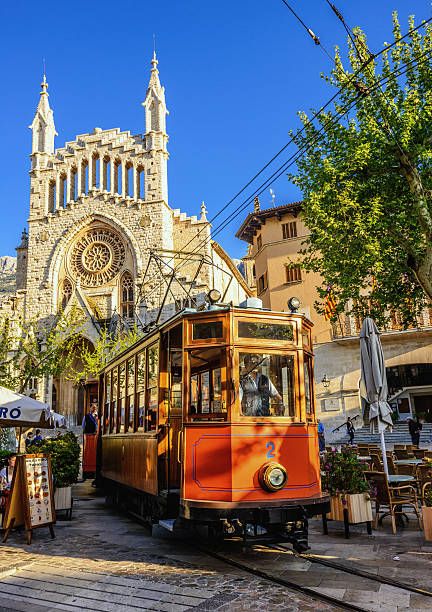
Soller, Mallorca · Serra de Tramuntana
Category
Attraction
Duration
3h 30m
Best Time
Any time
Entry
Free
The place

About Soller

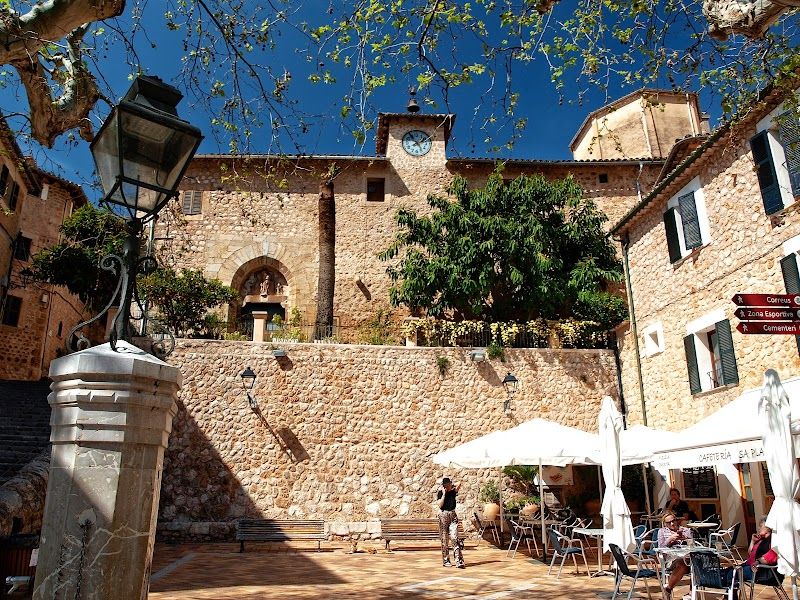
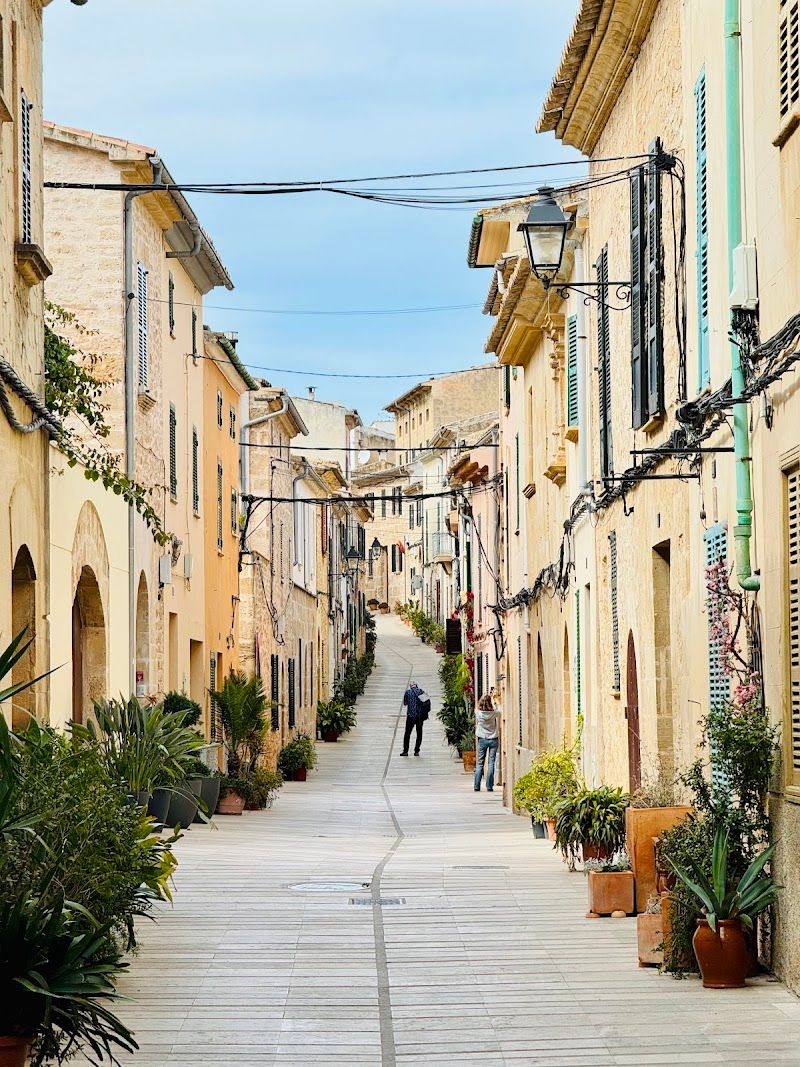
Soller sits in a valley of orange groves surrounded by the Tramuntana mountains, and it feels like a different island from the coast. The main square (Placa de la Constitucio) has Modernista buildings, the Banco de Soller facade designed by a Gaudi pupil, and cafes where you can sit for an hour watching the vintage electric tram trundle through. The vintage wooden train from Palma (EUR 25 return, 1 hour, through 13 tunnels and across a viaduct) is one of the best rail journeys in Spain. The tram from Soller to Port de Soller (EUR 8 return, 4 km, 20 minutes) runs to the harbour. The town has an ice cream culture that rivals anywhere in Italy, and the orange juice is pressed from the valley's own groves.

Check Availabilityvia GetYourGuide · prices may vary
Book ahead

Book Tickets

Live availability and skip-the-line options from our booking partners.

Search on Viator →Search on GetYourGuide →

Booking powered by our partners. DAIZ may earn a commission.

The place

Getting there

Address
07100 Sóller, Balearic Islands, Spain
Neighborhood
Serra de Tramuntana
View on Google Maps →
Good to know

Tips, answered

The vintage train from Palma (EUR 25 return) departs at 10:10, 10:50, 12:15, 1:30, and 3:15 PM. Book online in summer. Sit on the left side for the best mountain views. The tram to Port de Soller (EUR 8 return) runs every 30 minutes. Fresh orange juice at any cafe on the main square is pressed from local groves. Saturday is market day.

Plan for about 3h 30m.

Soller is in the Serra de Tramuntana neighborhood of Mallorca. The address is 07100 Sóller, Balearic Islands, Spain. The area is well-served by metro.

Yes, entry is free. There may be optional paid exhibits or activities, but the main experience costs nothing.

This works well at any time of day, though mornings tend to be quieter. Weekdays are less crowded than weekends.

Comfortable shoes are recommended. Parts are outdoors, so bring a light layer.

Around the corner

Nearby in Serra de Tramuntana

Explore all →
Fornalutx
Cultural Site

Fornalutx

Fornalutx deserves its reputation as Spain's prettiest village, a perfectly preserved medieval settlement where honey-colored stone houses cascade down the mountainside beneath Puig Major. You'll walk narrow cobbled streets barely wide enough for two people, past houses with traditional green shutters and flower boxes spilling with geraniums and jasmine. The surrounding terraced groves of oranges, lemons, and olives create a patchwork landscape that's remained unchanged for centuries, and the mountain air carries that distinctive citrus fragrance year-round. The village feels like stepping onto a film set where modern life has been carefully edited out. You'll hear your footsteps echo off the stone walls as you climb the steep alleyways, discovering tiny squares with ancient wells and perfectly framed mountain views around every corner. The church of Nativitat de Maria sits at the village's heart, its simple bell tower visible from every angle, while locals tend their gardens and hang laundry from wrought-iron balconies above your head. Most visitors rush through in 30 minutes for photos, but that's a mistake. The real magic happens when you slow down and notice details: the carved stone lintels, the traditional roof tiles called tejas árabes, the way morning light hits the ochre walls. Skip the overpriced café in the main square (coffee costs 4 EUR) and instead bring water since there's nowhere decent to eat. Early morning visits before 9am offer the best light and fewer tour groups from the cruise ships.

1.5 hoursExplore
Sa Calobra
Park & Garden

Sa Calobra

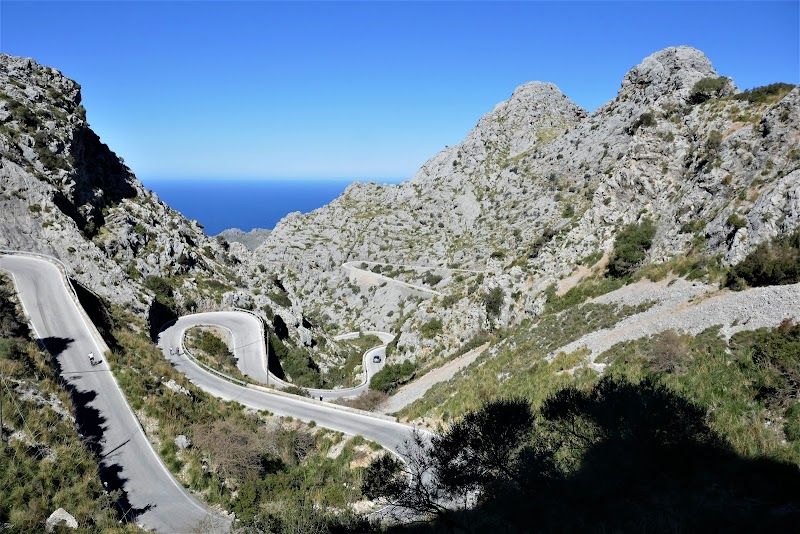
Sa Calobra delivers one of Mallorca's most dramatic encounters: a tiny pebble beach wedged between towering limestone cliffs where the Torrent de Pareis gorge meets the sea. The real attraction isn't just the beach itself, but the complete experience of navigating the serpentine MA-2141 road that drops 800 meters through 14 hairpin bends, including the famous Nus de la Corbata where the road loops completely under itself. You'll park in a basic lot and walk through a short tunnel to reach the beach, surrounded by walls of rock that rise hundreds of meters on three sides. The moment you emerge from the tunnel, you're hit by the scale of the place. The beach feels like nature's amphitheater, with smooth pebbles underfoot and impossibly blue water lapping against cliffs that seem to lean inward. Tour groups cluster near the tunnel entrance, but the beach spreads wide enough to find space. The water stays refreshingly cold even in summer, and there's something almost ceremonial about the way sound echoes off the rock walls when waves crash during rough weather. Here's what most guides won't admit: Sa Calobra is more about the journey and the wow factor than actual beach time. The pebbles are uncomfortable for lounging, there's minimal shade, and the single beach bar charges tourist prices for basic drinks. If you're driving, fuel up beforehand because that winding descent will test your brakes, and the climb back up is even more demanding on your engine. The boat from Port de Soller costs around 25 EUR return and saves you the stress, plus you get coastal views that drivers miss entirely.

2-3 hoursExplore
Valldemossa Monastery (Real Cartuja)
Museum

Valldemossa Monastery (Real Cartuja)

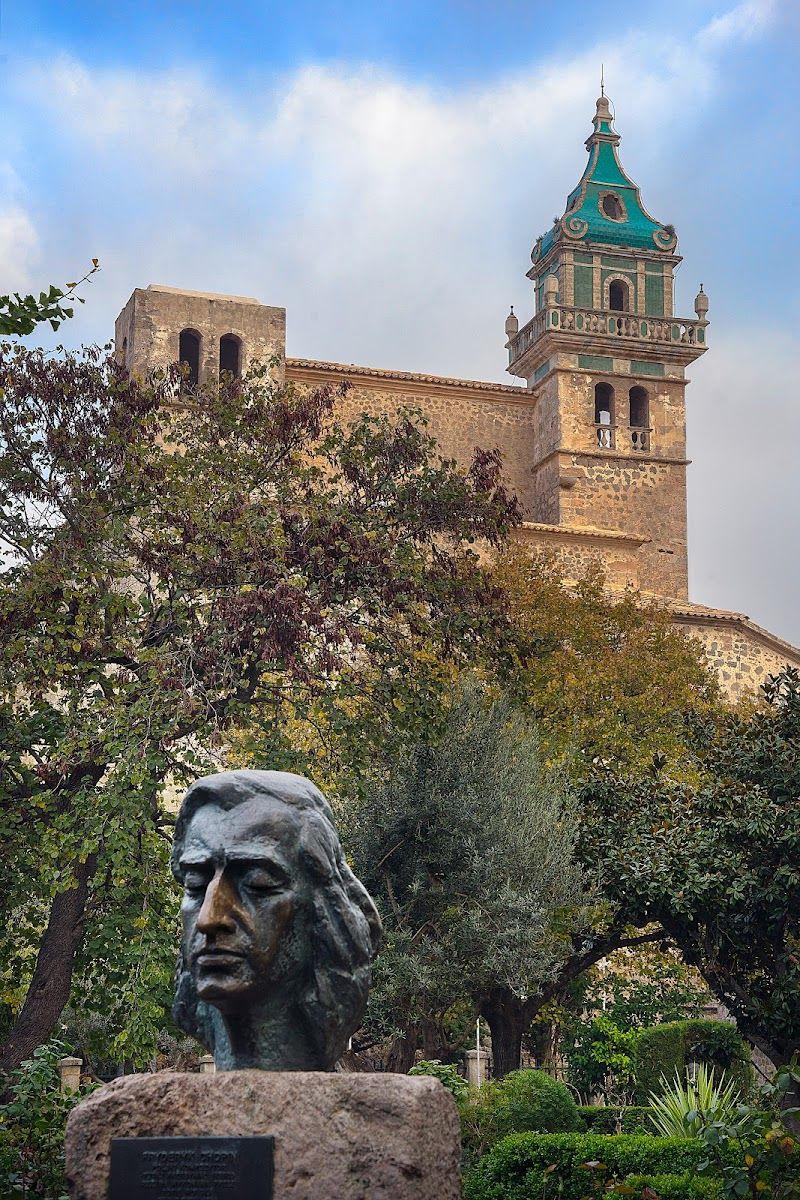
The Real Cartuja de Valldemossa is a former Carthusian monastery where Chopin and George Sand spent a miserable winter in 1838-39, and Sand wrote about it so vividly in "A Winter in Mallorca" that people have been visiting ever since. The cells where they stayed are preserved with Chopin's piano (one of his actual Pleyel pianos), Sand's manuscript pages, and the old pharmacy with hand-painted ceramic jars lined up like soldiers on wooden shelves. You'll smell the musty air of centuries-old stone corridors as you walk through the monks' cells, each one barely larger than a modern bedroom. The audio guide (included) is actually decent and tells you how the locals treated Chopin and Sand terribly, suspicious of the unmarried couple and Chopin's persistent cough. Cell number 2 feels particularly cramped when you realize this is where Chopin composed some of his Preludes while probably freezing his fingers off. The monastery gardens offer solid views across the valley to the Tramuntana peaks, though honestly, you get better mountain vistas from the road driving up. What's worth your time here is the old pharmacy with its collection of ceramic apothecary jars, each hand-painted with Latin names for remedies that probably killed more people than they cured. EUR 9.50 entry gets you about an hour of wandering, though you could stretch it to 90 minutes if you read every placard. The town of Valldemossa itself deserves 30 minutes: narrow stone streets lined with honey-colored buildings draped in bougainvillea, and most importantly, coca de patata pastries from Ca'n Molinas (EUR 3). These sweet, fluffy pastries dusted with powdered sugar have been the town's specialty for centuries. Buy two because one won't be enough.

1.5-2 hoursExplore
Son Marroig
Museum

Son Marroig

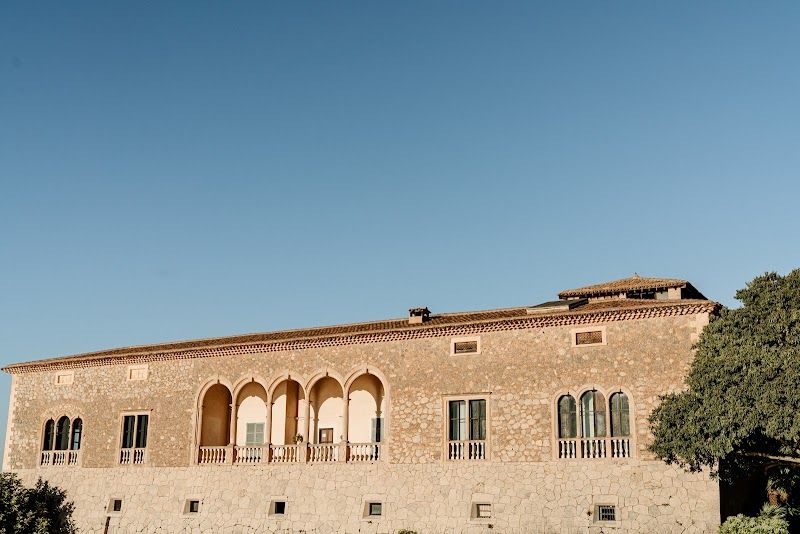
Son Marroig showcases the obsessive passion of Austrian Archduke Ludwig Salvator, who spent decades documenting every detail of Mallorcan life in the late 1800s. You'll walk through his preserved neoclassical mansion filled with original furniture, his extensive collection of ceramics, and walls lined with his own detailed sketches and writings about local customs. The white marble rotunda temple perched on the cliff edge frames the dramatic view of Na Foradada, the pierced rock formation rising from the sea below. The house feels authentically lived in rather than museum sterile, with the Archduke's personal belongings still scattered about as if he just stepped out. You'll spend most of your time wandering through intimate rooms filled with period furniture and his research materials before heading outside to the famous gazebo. The clifftop setting is genuinely spectacular, with the Mediterranean stretching endlessly and waves crashing against the rocks hundreds of feet below. Most visitors rush straight to the temple for photos and miss the fascinating details inside the house, where you'll learn about this eccentric nobleman who wrote a seven volume encyclopedia about the Balearic Islands. Entry costs around 4 EUR, making it excellent value compared to other Mallorca attractions. Skip it if you're not interested in history, but the views alone justify the visit for most people.

1 hourExplore
Camí de s'Arxiduc
Park & Garden

Camí de s'Arxiduc

Austrian Archduke Ludwig Salvator commissioned this 10-kilometer ridge trail in the 1870s, running from Valldemossa to Deia at 1,000 meters elevation. The path offers continuous Mediterranean and mountain views, passing stone shelters built for the Archduke's guests. The circular route takes 4 hours with minimal elevation gain once you reach the ridge. Here's what you need to know: start early around 8am to avoid crowds and afternoon heat. Park in Valldemossa (2 EUR per hour) and catch bus 210 to the trailhead at Coll de sa Basseta, or drive the winding 15-minute route yourself. The initial climb is brutal, gaining 400 meters in the first hour through pine forest that smells like resin and rosemary. Your legs will burn, but once you hit the ridge, it's mostly flat walking on ancient stone paths. The payoff is serious. You'll walk along dramatic cliff edges with the entire west coast spread below, from Port de Soller to Sa Dragonera island. The famous stone shelters are simple but perfectly placed for photos and water breaks. Pack 2 liters per person and real food, not just energy bars. The descent into Deia is knee-jarring steep, so bring trekking poles if you have dodgy joints. Skip this if it's windy above 25 km/h, the exposed ridge becomes genuinely dangerous. The trail is well-marked but rocky, so proper hiking boots are essential. You'll finish exhausted but satisfied, perfect timing for a late lunch at Ca's Patro March (book ahead, 35 EUR per person).

4 hoursExplore
Jardins d'Alfàbia
Museum

Jardins d'Alfàbia

Jardins d'Alfàbia brings you face to face with 800 years of Mallorcan garden design, where Moorish water engineering meets Renaissance landscaping. You'll walk through terraced levels connected by stone steps, following ancient irrigation channels that still carry mountain spring water to every corner of the estate. The gardens feel like a living museum of agricultural innovation, complete with working fountains, pergolas heavy with jasmine, and those famous plane trees that create natural tunnels of shade. The visit flows naturally from the entrance courtyard (where that water organ plays its hourly concert) through ascending garden terraces toward the manor house. You'll hear water everywhere: trickling through carved stone channels, splashing in geometric pools, and flowing beneath wooden bridges. The atmosphere stays refreshingly cool even in summer heat, thanks to the constant water flow and dense tree canopy. The manor house interior showcases original Mudéjar frescoes and period furniture that most visitors rush through. Most guides oversell this as a major attraction when it's really a pleasant 75-minute diversion if you're driving the Sóller route anyway. The 7.50 EUR entry feels fair for what you get, but don't expect Alhambra-level grandeur. Skip the gift shop entirely and focus your time on the middle terraces where the water features work best. The upper gardens near the house can feel repetitive after the more impressive lower sections.

1-1.5 hoursExplore
More on Mallorca

From the blog

View all →
Ready for Mallorca?

Let DAIZ plan your Mallorca days

Tell us how long you've got and what you're into. We'll build a day-by-day plan, with the bookable bits ready to lock in.

Plan my Mallorca tripFree · no signup to start
Plan your Mallorca trip