Freiburg im Breisgau
Sunny university town at the edge of the Black Forest, where medieval lanes meet mountain cable cars and the Munster market smells like bratwurst at 11am
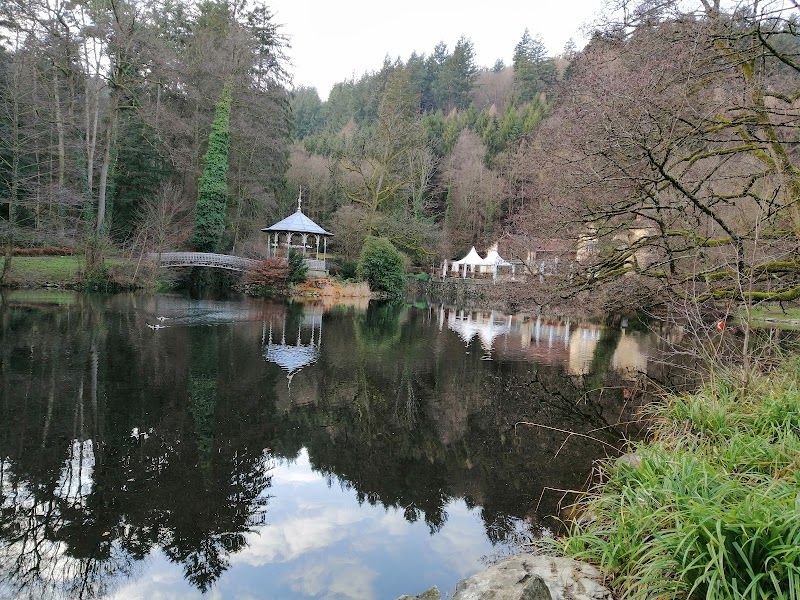
About Freiburg im Breisgau
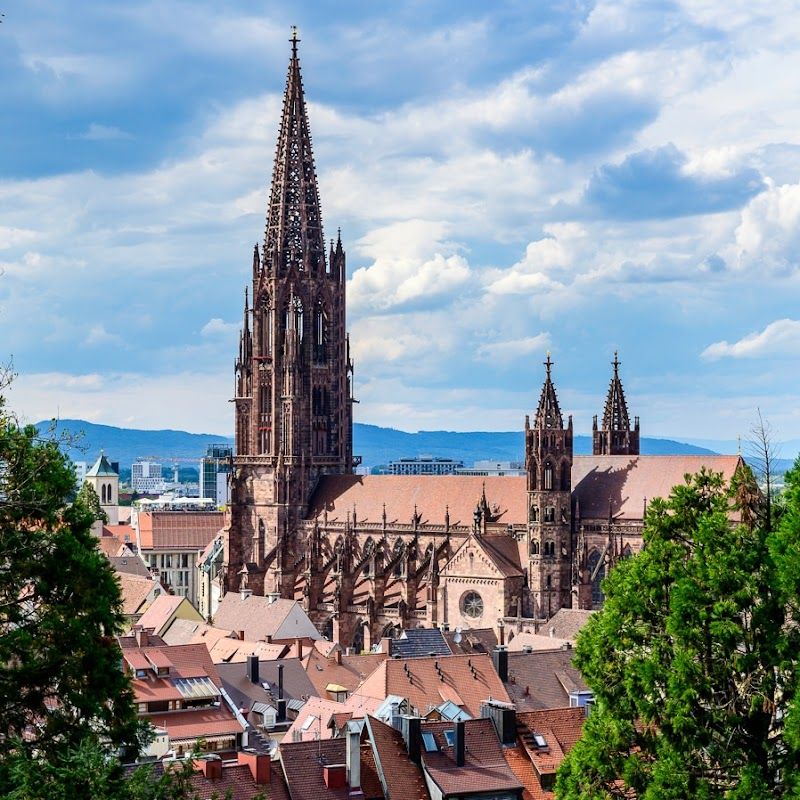
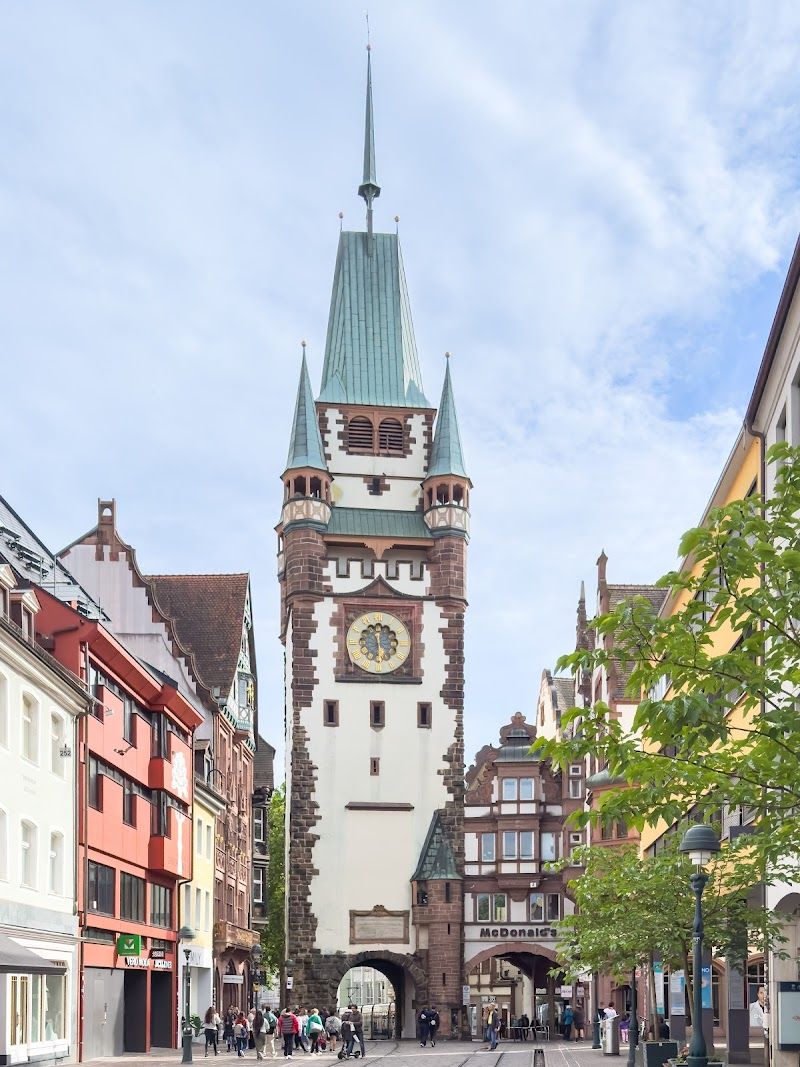
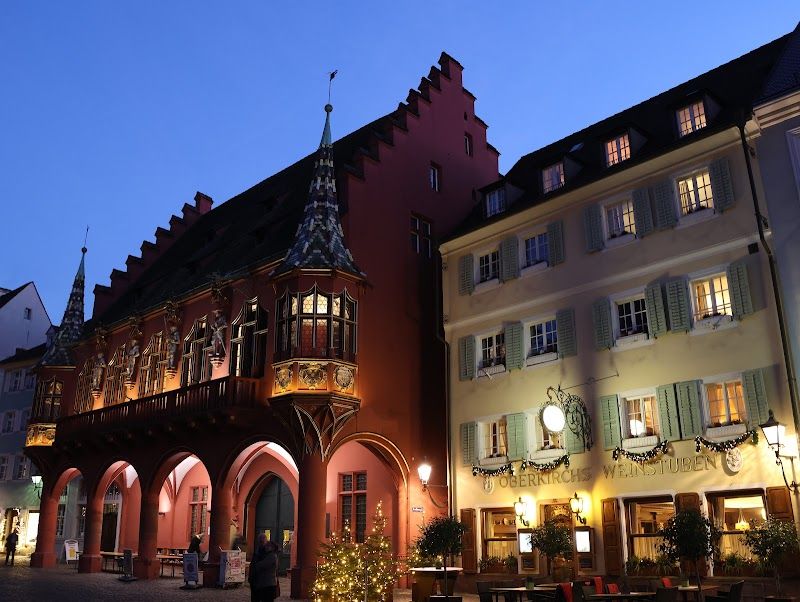
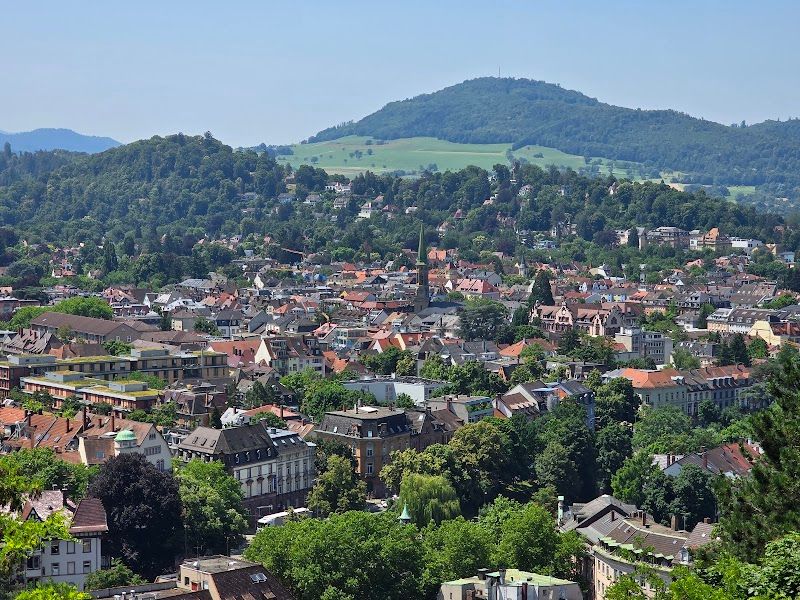
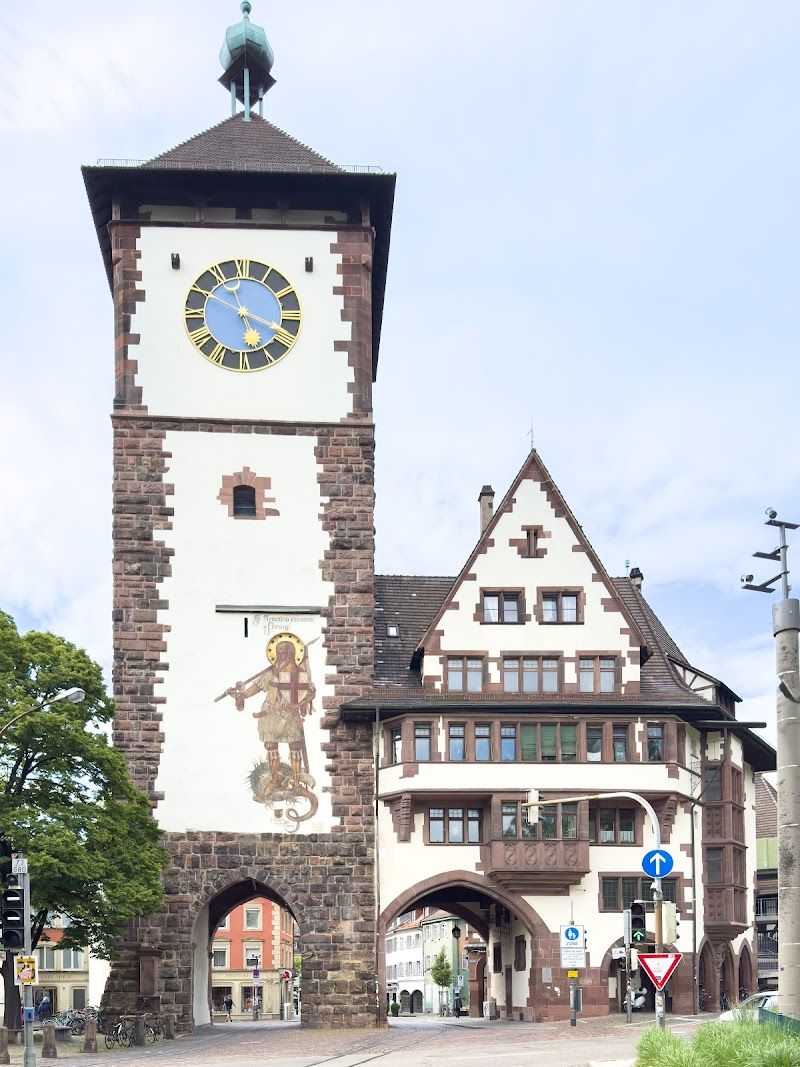
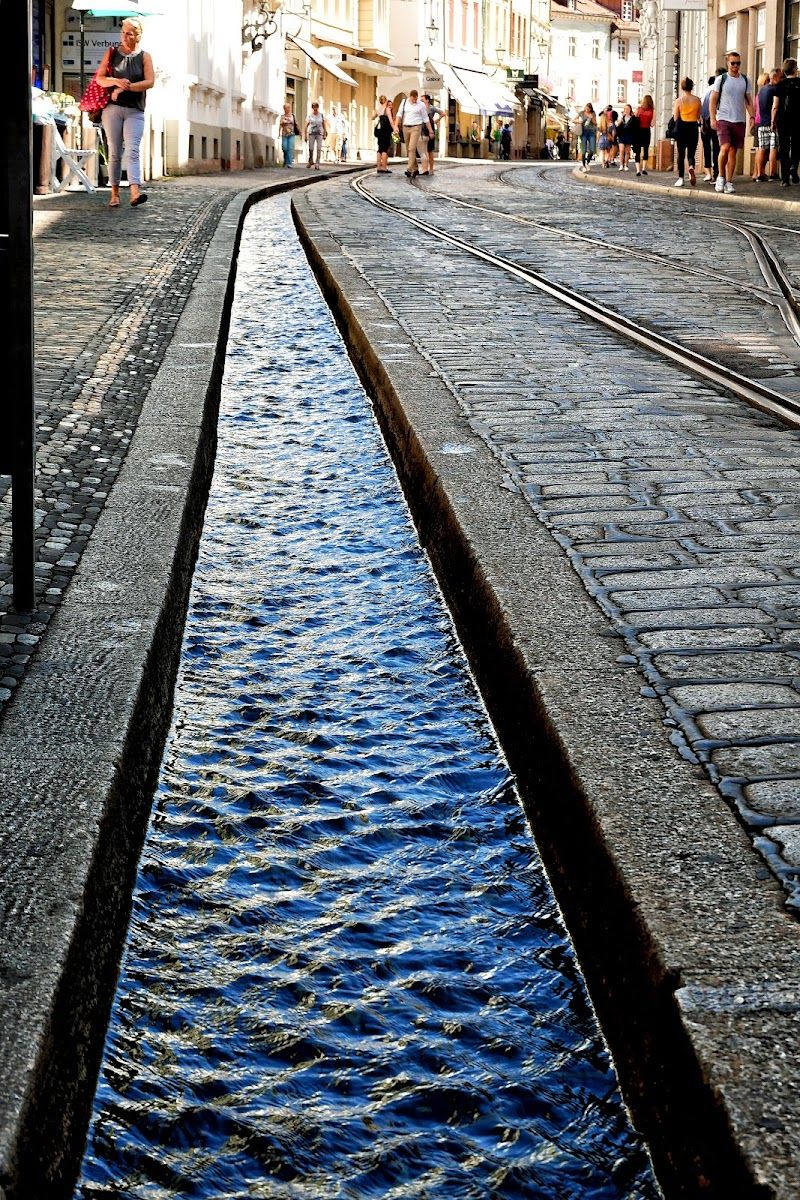
Freiburg im Breisgau is the southwestern corner of Germany and the sunniest city in the country by a clear margin. It sits at 278 metres on the Rhine plain, backed directly against the western edge of the Black Forest, which rises almost vertically behind the old town. The city was founded in 1120 as a free market town, grew wealthy on silver from the surrounding hills, and has been a university town since 1457. Most of the old town was rebuilt after 1944 using original stones and plans, and the result is one of the most convincing historic centres in Germany: the Munster cathedral is genuine (it is the only major German Gothic cathedral to survive the war intact), the Bachle (small water channels running through the cobblestone streets) are real, and the market square still holds a working food market every day except Sunday.
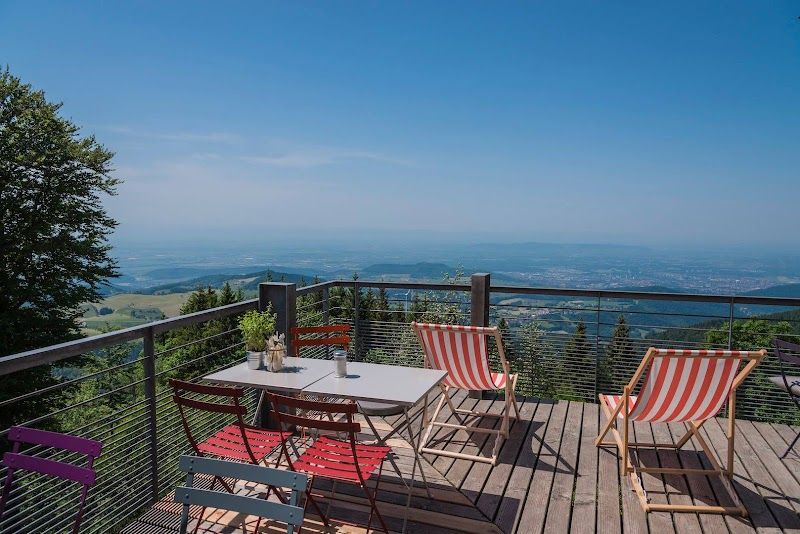
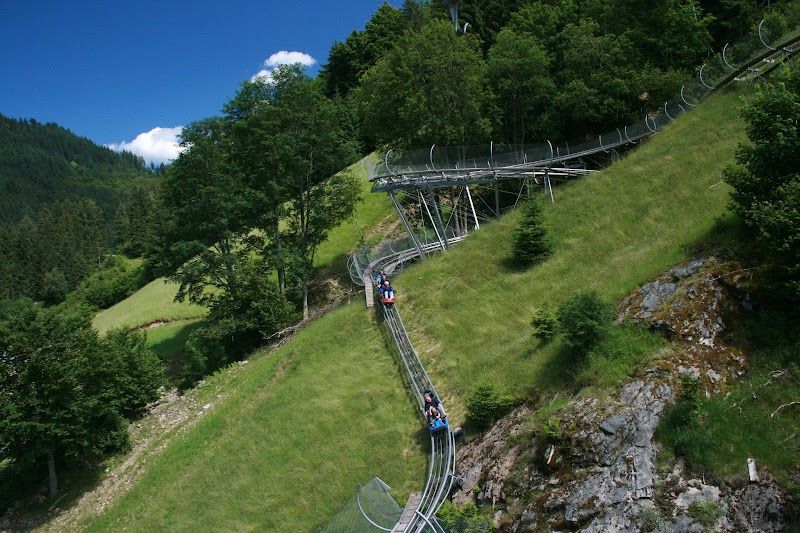
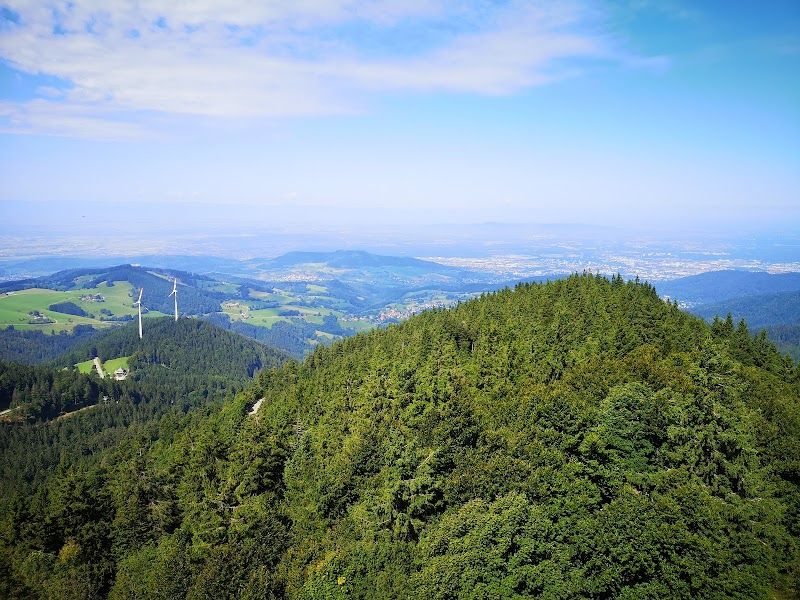
For travelers, Freiburg works as three trips at once. It is a substantial city (230,000 people) with enough depth for 1 to 2 full days: the Munster, the market, the old town, the university quarter, and the Augustinermuseum. It is the gateway to the Black Forest, and the Schauinslandbahn cable car runs directly from the city limits up to 1,284 metres with summer toboggan, hiking trails, and viewpoints over the Rhine valley. And it is the base for Europa-Park, 35 minutes north by car or 50 minutes by train, which is Germany's largest theme park and the main reason most families come to this corner of the country.
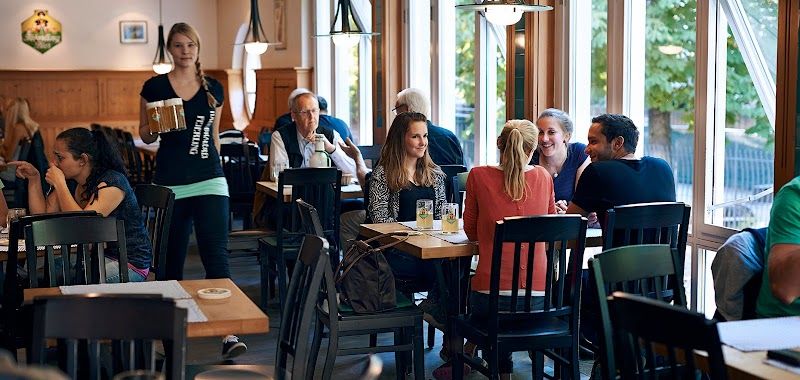
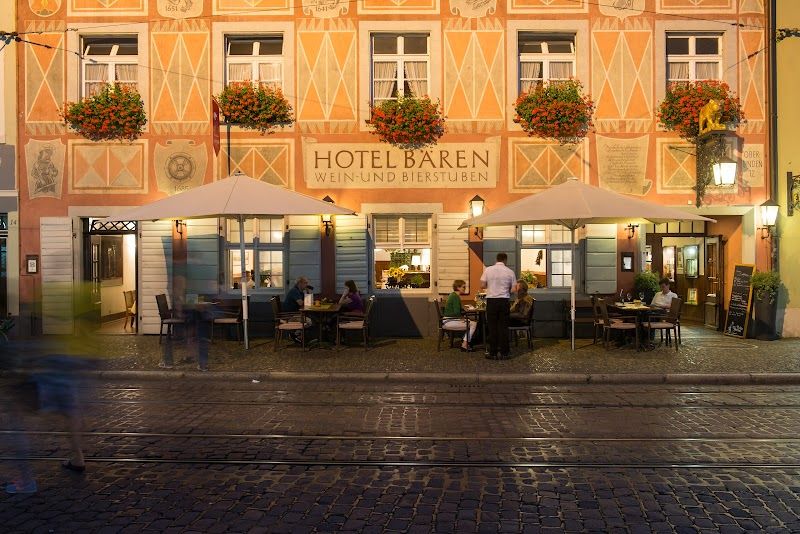
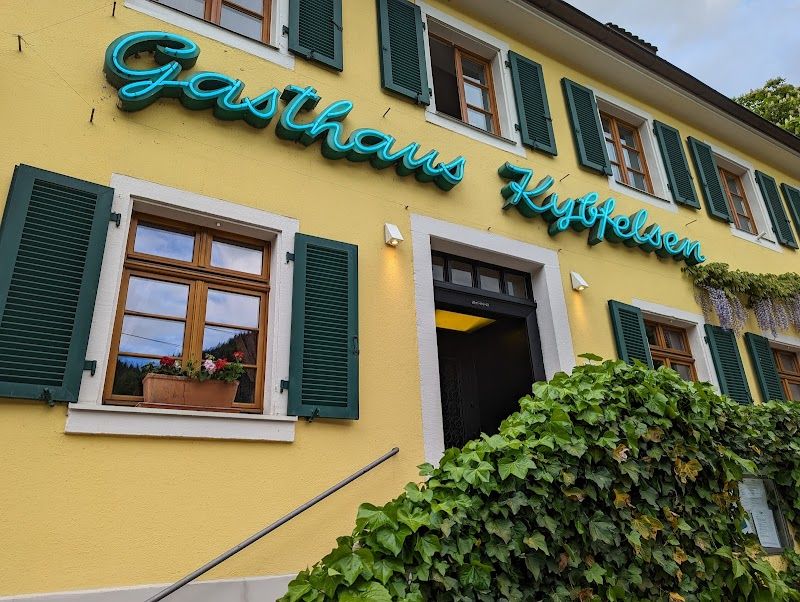
The food is Badisch cooking, which is heavier than French but lighter than Bavarian: Flammkuchen (thin tart with cream, onion, and bacon), Maultaschen (Swabian-Black Forest dumplings, often called "Herrgottsbescheisserle" because they let you eat meat on Fridays), Zwiebelrostbraten (onion steak), and Black Forest gateau (the original, with kirsch). The wines are local and underrated: Baden is the warmest German wine region, growing serious Spatburgunder (Pinot Noir) and Grauburgunder (Pinot Gris). A Schoppen (250ml glass) at a traditional Gasthaus runs EUR 4-6.
Practically, Freiburg is a car-free old town with trams, buses, and rental bikes covering the rest. The KONUS guest card (included with most hotel stays) gives free public transit across the entire Black Forest and discounts on attractions. Trains run to Basel in 45 minutes, Frankfurt in 2 hours, and Zurich in 2 hours. For families doing the Black Forest region, you rent a car at Freiburg Hauptbahnhof and keep it for the trip.
Pick your base
Stay in Freiburg im Breisgau
Real-time pricing across hotels, apartments, and ryokans. Book direct from the map.
Things to do in Freiburg im Breisgau
Experiences worth booking ahead
Vetted tours and tickets we'd send a friend to. The ones worth reserving before you arrive.
Travel guides
From the blog
Practical bits, answered
Freiburg's VAG public transport system covers trams and buses with single tickets at EUR 2.40 [VERIFY] for short trips within the city center. The compact old town is easily walkable - you can cross it in 15 minutes. Most locals bike everywhere using the extensive cycle paths. Avoid taxis unless necessary as they're expensive, starting around EUR 3.50 [VERIFY] plus EUR 2.20 per kilometer. The main train station connects directly to the city center via tram lines 1, 3, and 5.
Restaurants serve lunch from 11:30am-2pm and dinner from 6pm-10pm, with many closing between services. Traditional Baden cuisine dominates - try Flammkuchen (thin crust pizza-like dish) for EUR 8-12 [VERIFY] or local Sausage with sauerkraut for EUR 12-16 [VERIFY]. Round up bills by 5-10% for good service rather than calculating exact percentages. Many restaurants close on Sundays and Mondays. The weekly farmers market on Münsterplatz (Monday, Wednesday, Friday, Saturday mornings) offers regional produce and prepared foods.
Budget EUR 80-120 daily for mid-range travel including accommodation, meals, and transport. Most establishments accept EC cards and major credit cards, though small cafes and market stalls prefer cash. ATMs charge EUR 2-5 [VERIFY] for foreign cards. Tipping is 5-10% at restaurants, round up for taxi rides, and leave EUR 1-2 for hotel housekeeping. Supermarkets like Rewe and Edeka offer affordable meal options with prepared foods under EUR 5.
Freiburg is very safe with low crime rates, though watch belongings in crowded areas around Bertoldsbrunnen and the main station after dark. Shops close early on Saturdays (usually 6pm) and remain closed Sundays except for restaurants and tourist areas. Pharmacies (Apotheke) display green crosses and rotate Sunday duty - check the posted schedule. Emergency number is 112. The tourist information office at Rathausplatz 2-4 provides free city maps and current event listings.
Locals speak Alemannisch dialect but switch to standard German with visitors. English works in hotels and tourist restaurants, but learn basic German phrases for shops and local eateries. 'Grüezi' is the local greeting instead of standard 'Guten Tag'. Download the VAG app for real-time public transport information in German and English. Free WiFi is available in most cafes, the university area, and public buildings including the city library on Münsterplatz.
Excellent. The car-free old town is safe for walking and the Bachle water channels are natural entertainment on hot days. The Schauinslandbahn cable car and Steinwasen adventure park are within 20 minutes of the city. Europa-Park (Germany's biggest theme park) is 35 minutes north by car or 50 minutes by train. Restaurants almost universally welcome children and most have kids menus. The city is flat, stroller-friendly, and the tram network is accessible.
ICE trains from Frankfurt (2 hours, EUR 45-90 depending on booking), Basel (45 minutes, EUR 15-25), or Zurich (2 hours, EUR 25-45). EuroAirport Basel-Mulhouse is the closest airport, 70 minutes away by bus or train. Frankfurt Airport is 2 hours north by direct ICE. If visiting the Black Forest region, rent a car at Freiburg Hauptbahnhof: almost all major rental companies have counters in the station.
May to September is the prime window: Europa-Park is open, the Schauinslandbahn runs, outdoor attractions are active, and temperatures are a comfortable 18-27C. July and August are peak season and can be busy, particularly on Europa-Park weekends. April and October are shoulder seasons with cooler weather (8-15C) but fewer crowds. December has a famous Munster Christmas market (end November to 23 December). January and February are for skiing: Feldberg is 45 minutes away and has Germany's busiest lifts.
Yes. The old town is flat cobblestone, which is manageable but bumpy for light strollers. The tram system is 100 per cent low-floor and stroller-accessible. The Schauinslandbahn cable car fits strollers in the cabin. The main attractions (Munster, market, old town) are within a 15-minute walk of each other. The Bachle water channels are narrow enough to step over and most pedestrian streets have smooth paving strips alongside the cobbles.
Badisch cooking is the regional style: Flammkuchen (Alsatian-style thin crust tart, EUR 10-14), Maultaschen (Swabian dumplings filled with meat and spinach, EUR 12-16), Zwiebelrostbraten (onion rump steak, EUR 22-28), and the original Black Forest gateau (EUR 4-6 a slice at a traditional Konditorei). Lunch at the Munster market for a bratwurst in a roll (the stand on the south side is the locals' choice, EUR 4-5) and a pretzel (EUR 2). The Baden wine region is underrated: a Spatburgunder (Pinot Noir) by the glass at a wine bar runs EUR 5-8.
2 full days to cover the city itself (old town, Munster, market, Augustinermuseum, Schlossberg viewpoint, Schauinslandbahn half-day). 4 to 5 days if using Freiburg as a base for Europa-Park (2 days) and Black Forest excursions (Titisee, Triberg, Steinwasen). Most families pick the longer option and rent a car on day 2.
Let DAIZ plan your Freiburg im Breisgau days
Tell us how long you've got and what you're into. We'll build a day-by-day plan, with the bookable bits ready to lock in.