Florence · Oltrarno (Santo Spirito)

Il Santino

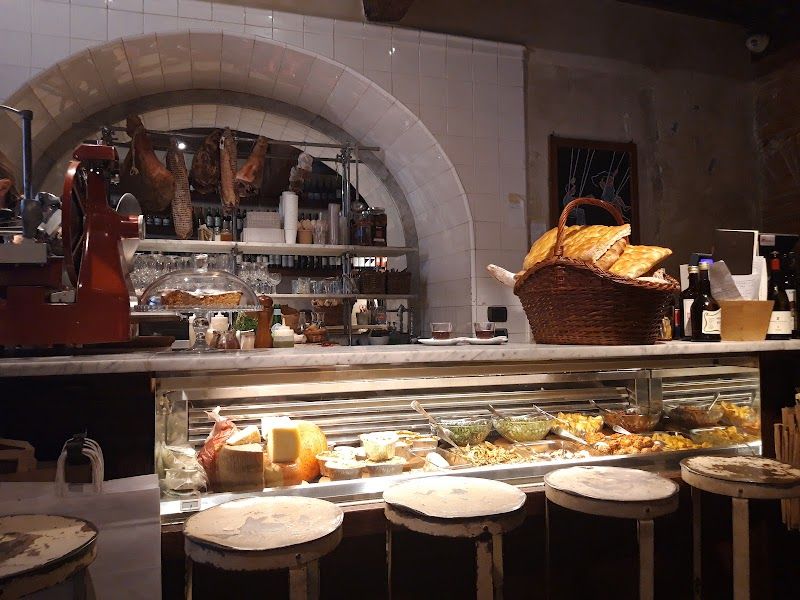
Tiny wine bar in Oltrarno with a standing-room-only vibe and exceptional Tuscan wines by the glass.
Il Santino, Florence · Oltrarno (Santo Spirito)
Category
Nightlife
Duration
1h 30m
Best Time
Evening
Entry
€€
Rating
4.5 (834)
The place

About Il Santino

Tiny wine bar in Oltrarno with a standing-room-only vibe and exceptional Tuscan wines by the glass. The daily changing menu features creative small plates like tartare with truffle and seasonal crostini. Arrives packed after 7 PM with locals who know their Super Tuscans.

Book ahead

Book Tickets

Live availability and skip-the-line options from our booking partners.

Search on Viator →Search on GetYourGuide →

Booking powered by our partners. DAIZ may earn a commission.

The details

Practical bits

WalkingMinimal walking
The place

Getting there

Address
Via Santo Spirito, 60/r, 50125 Firenze FI, Italy
Neighborhood
Oltrarno (Santo Spirito)
View on Google Maps →
Good to know

Tips, answered

Arrive before 6:30 PM to claim a spot at the tiny bar counter, or be prepared to stand outside with your wine.

Plan for about 1h 30m. Evening visits offer a different atmosphere with softer light.

Il Santino is in the Oltrarno (Santo Spirito) neighborhood of Florence. The address is Via Santo Spirito, 60/r, 50125 Firenze FI, Italy. The area is well-served by metro.

Evening visits offer a unique atmosphere. The light is softer, crowds thin out, and the experience feels more intimate.

Around the corner

Nearby in Oltrarno (Santo Spirito)
Explore all →
Palazzo Pitti
Museum

Palazzo Pitti

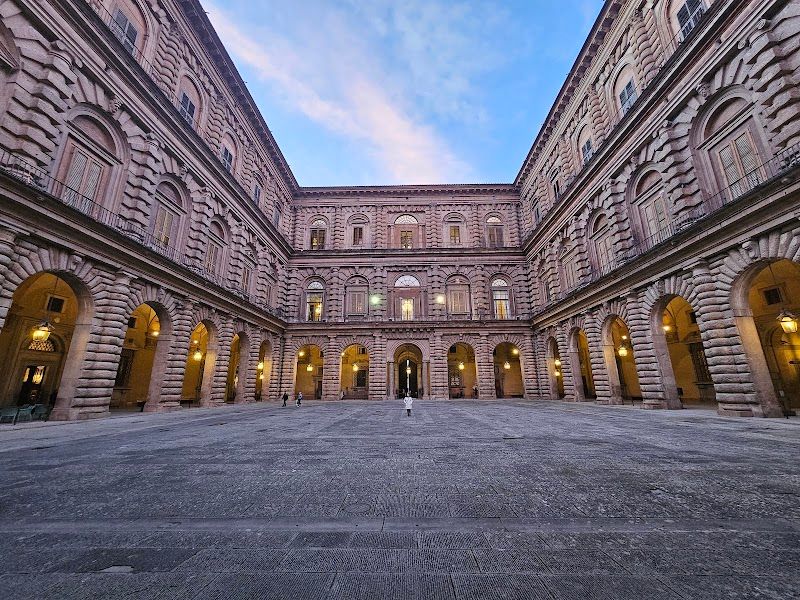
The Palazzo Pitti houses the world's second largest collection of Raphael paintings, plus the opulent private apartments where the Medici grand dukes actually lived. You'll walk through rooms where Cosimo I made political decisions that shaped Renaissance Europe, seeing his bedroom, dining halls, and the throne room where foreign ambassadors waited for audiences. The Palatine Gallery contains masterpieces by Titian, Rubens, and Van Dyck displayed salon style on silk covered walls, exactly how the Medici arranged them. The visit flows through increasingly grand spaces, starting with intimate family rooms filled with personal portraits and moving into ceremonial halls with 20 foot ceilings covered in allegorical frescoes. Each room tells a story about Medici power: the Throne Room's red velvet and gold leaf designed to intimidate visitors, the Mars Room celebrating military victories, the Apollo Room where the family held private concerts. The scale feels genuinely overwhelming, more like Versailles than a typical Florentine palace. Most guides don't mention that tickets cost 16 EUR and include access to all galleries, making it Florence's best art value after you've seen the Uffizi. Skip the Modern Art Gallery entirely unless you're obsessed with 19th century Italian painting. Focus your energy on the Palatine Gallery's Raphael room and the Royal Apartments' bedroom suites. The audio guide costs extra 6 EUR but explains the complex ceiling allegories that otherwise look like random mythology.

2 hoursExplore
Cappella Brancacci
Museum

Cappella Brancacci

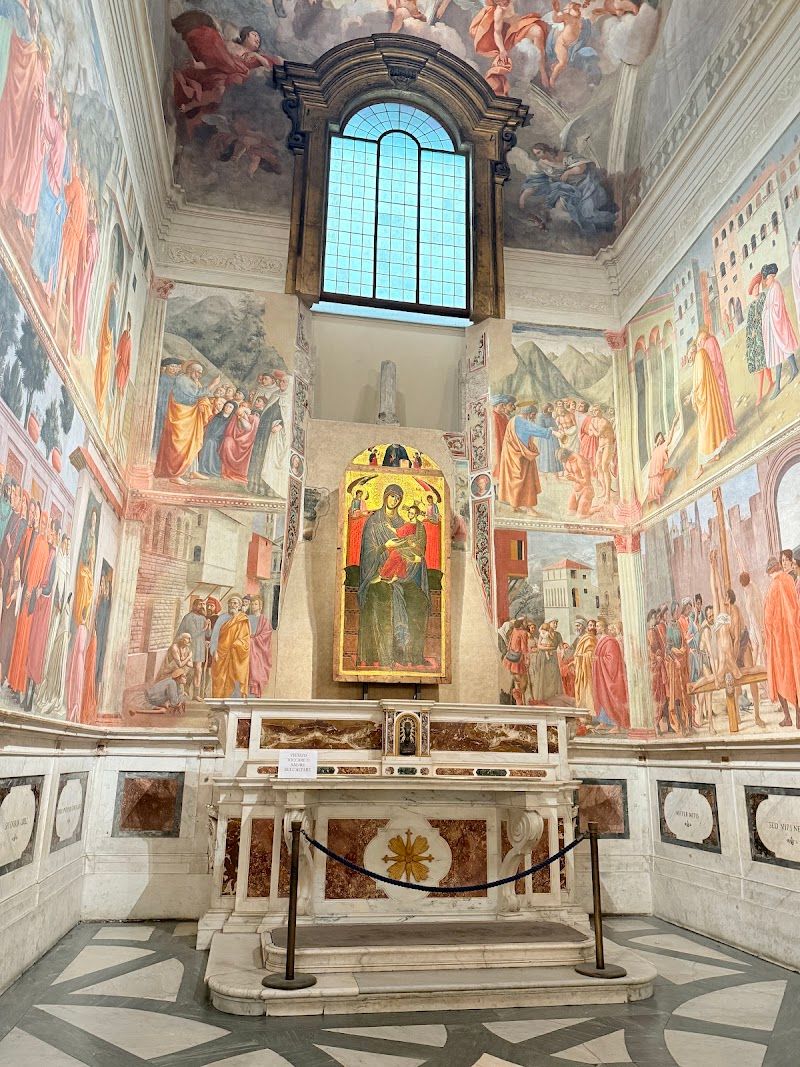
The Cappella Brancacci houses what art historians consider the most revolutionary frescoes in Western painting. Masaccio's work here literally invented Renaissance art in the 1420s, introducing mathematical perspective, realistic human emotion, and three-dimensional figures that jump off the walls. You'll see the complete cycle depicting St. Peter's life, but the real showstopper is Masaccio's Expulsion from the Garden of Eden, where Adam and Eve's anguish feels genuinely heartbreaking. Masolino started the project, Masaccio transformed it, and Filippino Lippi finished it 50 years later. You enter this tiny chapel inside the Carmine church and immediately understand why artists like Michelangelo came here to study. The space feels intimate, almost cramped, with only 30 people allowed in at once. The frescoes surround you on three walls, and the lighting (recently restored) brings out details that photographs can't capture. You'll spend your 30 minutes craning your neck upward, trying to absorb centuries of artistic innovation. The contrast between the three artists' styles becomes obvious once you know what to look for. Most guides don't mention that entry costs €10, cash only at the door. The 30-minute time limit feels rushed when you're staring at art history being rewritten, but it keeps crowds manageable. Skip the audio guide (€3 extra) and just focus on the Expulsion and the Tribute Money scenes. The chapel gets stuffy with a full group, and guards are strict about the time limit, so don't expect flexibility.

30 minutesExplore
Galleria Palatina
Museum

Galleria Palatina

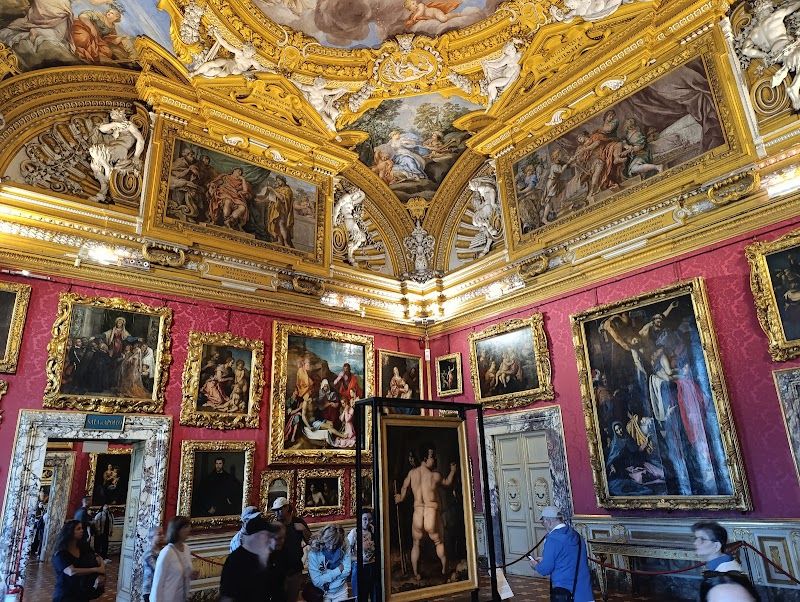
The Galleria Palatina houses one of Europe's finest private art collections inside the Medici's former royal apartments at Palazzo Pitti. You'll find masterpieces by Raphael, Titian, Rubens, and Caravaggio displayed exactly as the grand dukes arranged them, covering every inch of ornately frescoed walls. Unlike modern museums with clinical white walls, these paintings hang in rooms dripping with gold leaf, elaborate ceiling frescoes, and original Baroque furniture. The experience feels like wandering through a living palace where art and opulence compete for your attention. Each room follows a planetary theme (Mars, Venus, Jupiter) with corresponding mythological ceiling frescoes that frame Renaissance masterpieces below. The sheer density can be overwhelming: Raphael's portraits hang next to Flemish landscapes, while massive Rubens canvases dominate entire walls. The original parquet floors creak beneath your feet as natural light filters through tall windows. Most visitors rush through without reading room descriptions, missing the fascinating stories behind the Medici collection. Skip the later rooms if you're tired, the best pieces cluster in the first seven planetary rooms. At 16 EUR, it's pricey but includes access to the Royal Apartments next door, though those feel repetitive after the Palatina's intensity.

2-3 hoursExplore
Via Maggio
Shopping

Via Maggio

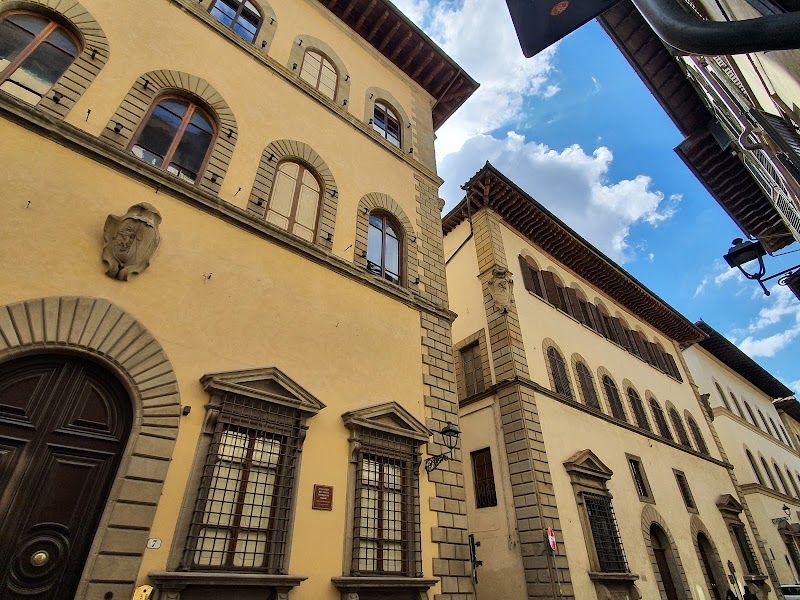
Via Maggio is Florence's most prestigious antique street, where 16th-century noble palaces now house galleries selling museum-quality Renaissance furniture, baroque paintings, and decorative arts. You'll find everything from 15th-century Florentine cassoni (wedding chests) to Medici-era ceramics, with prices starting around €500 for smaller pieces and reaching €50,000+ for major works. The dealers here aren't tourist shops: they supply serious collectors and museums worldwide. Walking the cobblestones feels like browsing through Florence's attic. Ground floor windows display gilded mirrors, carved wooden saints, and oil paintings in ornate frames. Most galleries occupy the piano nobile of Renaissance palaces, so you're literally shopping where noble families once lived. The atmosphere is hushed and scholarly: dealers know their provenance stories and love sharing them with genuinely interested visitors. Most guides oversell this as accessible shopping, but it's really for serious collectors with deep pockets. A decent 17th-century painting starts at €3,000, and furniture pieces often hit five figures. Don't feel pressured to buy anything: the real pleasure is seeing pieces that belong in the Uffizi displayed in intimate palace rooms. Skip the touristy shops near Ponte Vecchio and focus on galleries between Piazza Santo Spirito and Palazzo Pitti.

1 hourExplore
Piazza Santo Spirito
Market

Piazza Santo Spirito

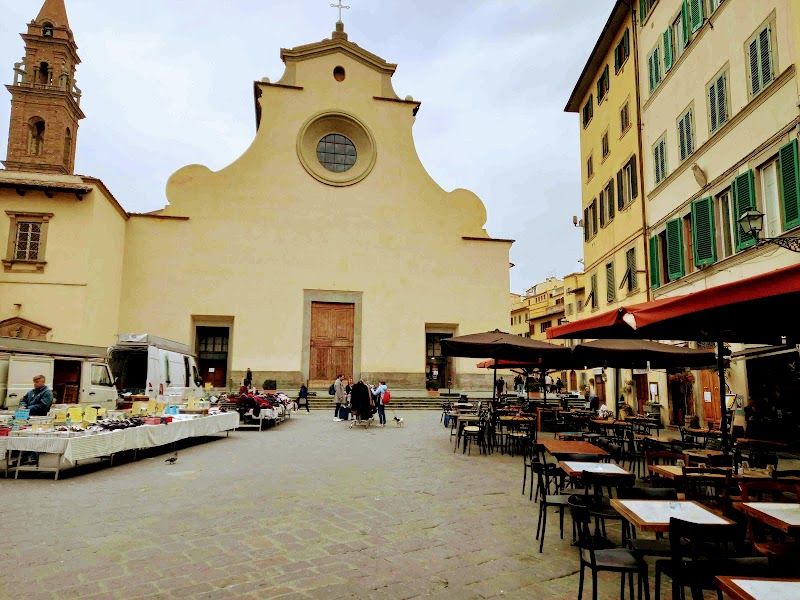
Piazza Santo Spirito feels like the neighborhood living room you've always wanted, where locals actually outnumber tourists most days. You'll find Brunelleschi's deliberately unfinished church facade (he wanted rough stone, not polished marble) anchoring one side, while ochre buildings house tiny bars, vintage shops, and artisan workshops around the perimeter. The organic market happens every second Sunday, transforming the square into Florence's best produce showcase, while the third Sunday brings craftspeople selling handmade leather goods, ceramics, and jewelry. The atmosphere shifts dramatically throughout the day: quiet mornings belong to coffee drinkers at sidewalk tables, market Sundays buzz with locals selecting vegetables and chatting with vendors, and evenings see the aperitivo crowd spilling onto the cobblestones. You'll hear more Italian than English here, which tells you everything. The plane trees provide genuine shade, and the uneven stones beneath your feet have been worn smooth by centuries of neighborhood life. Santo Spirito church opens sporadically, but when it does, Brunelleschi's perfect proportions inside contrast beautifully with the rough exterior. Most guidebooks oversell this as undiscovered, but it's simply authentic rather than touristy. Skip the church unless you're already here (opening hours are unpredictable), but don't miss aperitivo at Volume bar where Negronis cost 8 EUR and locals treat you like a regular after one visit. The real magic happens during market Sundays when you can watch Florence as it actually lives, not as it performs for visitors.

1-2 hoursExplore
Boboli Gardens
Park & Garden

Boboli Gardens

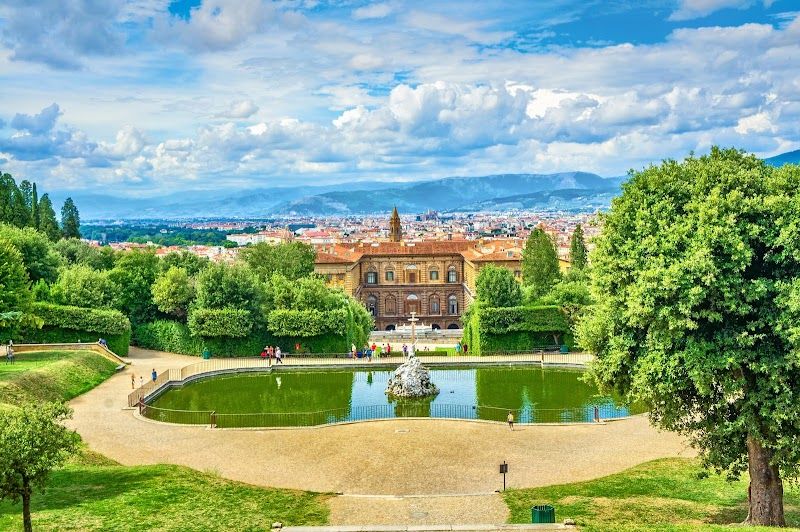
Boboli Gardens sprawls across 111 acres behind the Pitti Palace, offering Florence's most expansive green space with genuine Renaissance landscaping from the 1550s. You'll climb terraced pathways lined with Roman statues, duck into the bizarre Buontalenti Grotto (covered in fake stalactites and housing Michelangelo's unfinished Prisoners), and reach panoramic viewpoints over the red rooftops toward the Duomo. The Porcelain Museum sits at the garden's highest point, displaying royal dinner sets in a neoclassical pavilion. The experience feels like exploring a noble family's private backyard, because that's exactly what it was for centuries. Most visitors follow the main path uphill past the amphitheater, then continue to the Viottolone, a dramatic cypress-lined avenue that stretches downhill like a green cathedral. The contrast between manicured Italian sections near the palace and wilder English garden areas creates genuine variety. On weekends you'll share the space with local families picnicking and joggers using the pathways. Entry costs €10 (€7 in winter) and crowds thin dramatically after 4pm in summer. Skip the audio guide, it's painfully slow and obvious. The Kaffehaus cafe near the top charges tourist prices for mediocre coffee, but the terrace view justifies one overpriced espresso. Most people rush through in 90 minutes, but you need two hours minimum to reach the best viewpoints and actually enjoy the peaceful sections away from tour groups.

2 hoursExplore
More on Florence

From the blog

View all →
Ready for Florence?

Let DAIZ plan your Florence days

Tell us how long you've got and what you're into. We'll build a day-by-day plan, with the bookable bits ready to lock in.

Plan my Florence tripFree · no signup to start
Plan your Florence trip