Dubai · Bur Dubai

Coffee Museum

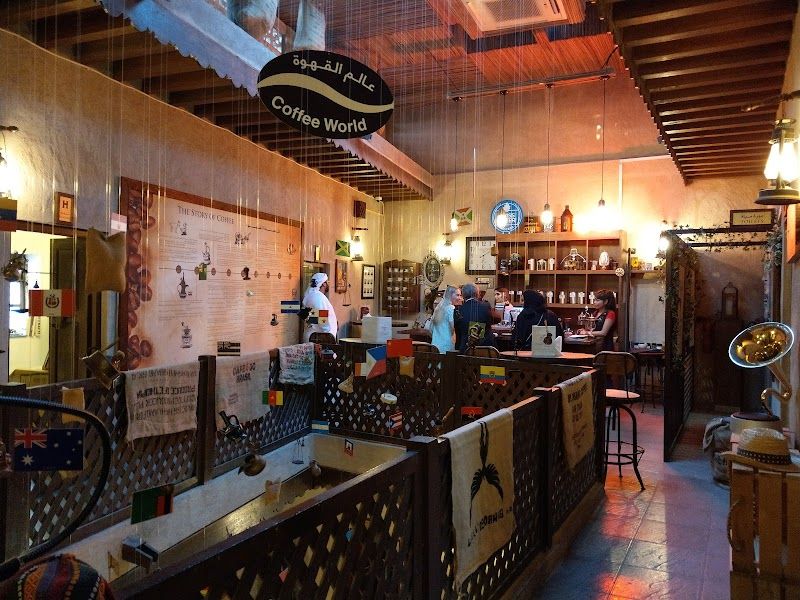
Small museum in Al Fahidi Historical District documenting coffee's history and cultural significance across civilizations.
Coffee Museum, Dubai · Bur Dubai
Category
Museum
Duration
45 minutes
Best Time
Any time
Entry
AED 10
Rating
4.4 (1,342)
The place

About Coffee Museum

Small museum in Al Fahidi Historical District documenting coffee's history and cultural significance across civilizations. Displays antique coffee makers, roasting equipment, and brewing methods from Ethiopia to Arabia. Free coffee tastings included with the AED 10 entry fee.

Get Ticketsvia GetYourGuide · prices may vary
Book ahead

Skip the Queue

Live availability and skip-the-line options from our booking partners.

Search on Viator →Search on GetYourGuide →

Booking powered by our partners. DAIZ may earn a commission.

The place

Getting there

Address
Historical Neighborhood, Bastakiya، Villa 44 - Al Hisn St - Al Souq Al Kabeer - Al Fahidi - Dubai - United Arab Emirates
Neighborhood
Bur Dubai
Nearest Metro
Green Line to Al Fahidi stationGreen Line to Al Ghubaiba station (for abra crossing)
View on Google Maps →
Good to know

Tips, answered

Entry is only AED 10 and includes a complimentary coffee tasting of Ethiopian or Arabic brew styles.

Plan for about 45 minutes.

Coffee Museum is in the Bur Dubai neighborhood of Dubai. The address is Historical Neighborhood, Bastakiya، Villa 44 - Al Hisn St - Al Souq Al Kabeer - Al Fahidi - Dubai - United Arab Emirates. The area is well-served by metro.

This works well at any time of day, though mornings tend to be quieter. Weekdays are less crowded than weekends.

Around the corner

Nearby in Bur Dubai
Explore all →
Al Fahidi Historical Neighbourhood
Cultural Site

Al Fahidi Historical Neighbourhood

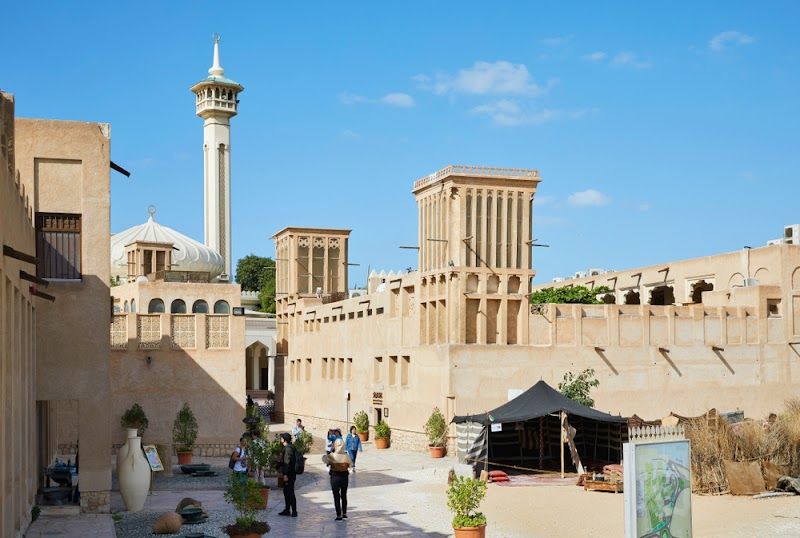
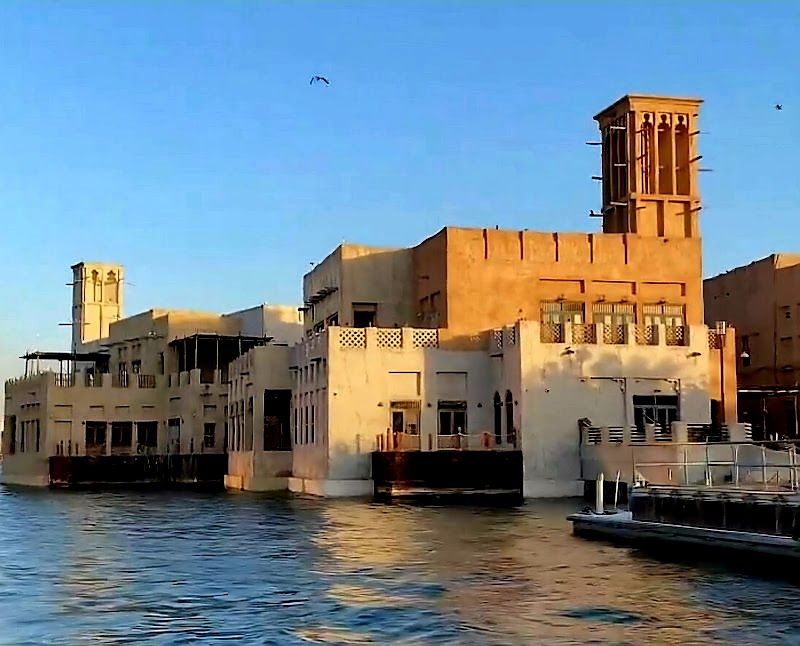
Al Fahidi is the physical proof that Dubai existed long before the Burj Khalifa. The wind-tower houses from the 1890s are restored and painted in traditional cream and brown, with narrow lanes between them that feel like a different century. The wind towers (barjeel) are an ingenious pre-air-conditioning cooling system that channels breezes down into the rooms below. The fact that they were invented centuries before electricity and still work is one of the more humbling things about visiting. The neighbourhood now houses galleries, the XVA Art Hotel (stay here if you can, it is one of the most characterful places to sleep in Dubai), the Coffee Museum (free, small, interesting), the Coins Museum (free, smaller, niche), and several art galleries showing Emirati and Gulf-region contemporary art. All are free or nearly free. The XVA Cafe inside the art hotel serves the best coffee in Old Dubai and is a peaceful courtyard oasis. The real value of Al Fahidi is the contrast. Walking through here and then looking up at the Downtown skyline in the distance is the most effective way to understand what Dubai actually is: a trading village that turned into a megacity in two generations. The wind towers are the same age as the Eiffel Tower. The Burj Khalifa opened in 2010. The gap between them is the gap that defines this city. Free to wander. Galleries open at 10 AM, most are closed on Fridays. The best light for photography is early morning when the sun hits the wind towers at an angle. Combine with Dubai Museum (AED 3, a 2-minute walk) and the Creek waterfront for a half-day in Old Dubai.

1-2 hoursExplore
Dubai Museum
Museum

Dubai Museum

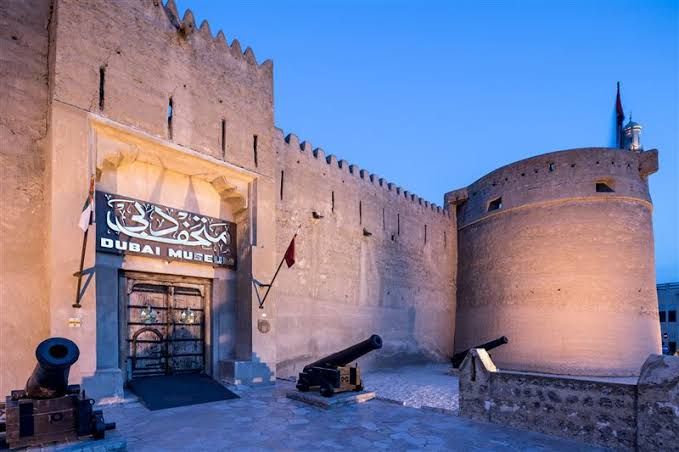
Dubai Museum is inside Al Fahidi Fort, the oldest existing building in Dubai, dating from 1787. The entry fee is AED 3 (about $0.80), which makes this the cheapest attraction in the city by a wide margin. For that price you get a fort, a courtyard with traditional boats and a wind-tower house reconstruction, and underground galleries with dioramas showing pre-oil Dubai life: pearl diving, souk trading, desert living, and the Creek trading economy. The dioramas are surprisingly good. Life-size figures in reconstructed settings show how Dubai functioned before the discovery of oil in the 1960s. The pearl diving section is particularly interesting, explaining an industry that defined the Gulf economy for centuries before collapsing when the Japanese invented cultured pearls. The archaeological section displays artefacts from the Al Qusais burial site dating back 4,000 years. The fort itself is small, with thick walls, a watchtower, and a courtyard that gives you a sense of the defensive architecture that protected the Creek's trade routes. The building has served as a palace, a garrison, a prison, and a museum over its 230+ year history. Standing in its courtyard and looking at the Dubai skyline in the distance is the most condensed version of the 'before and after' story that defines this city. Allow 30-60 minutes. The museum is air-conditioned underground and a good escape from the heat. Combine with Al Fahidi Historical Neighbourhood (a 2-minute walk) and the Creek waterfront for a half-day in Old Dubai. Open 8:30 AM to 8:30 PM Saturday to Thursday, 2:30 PM to 8:30 PM Friday.

30-60 minutesExplore
Spice Souk
Market

Spice Souk

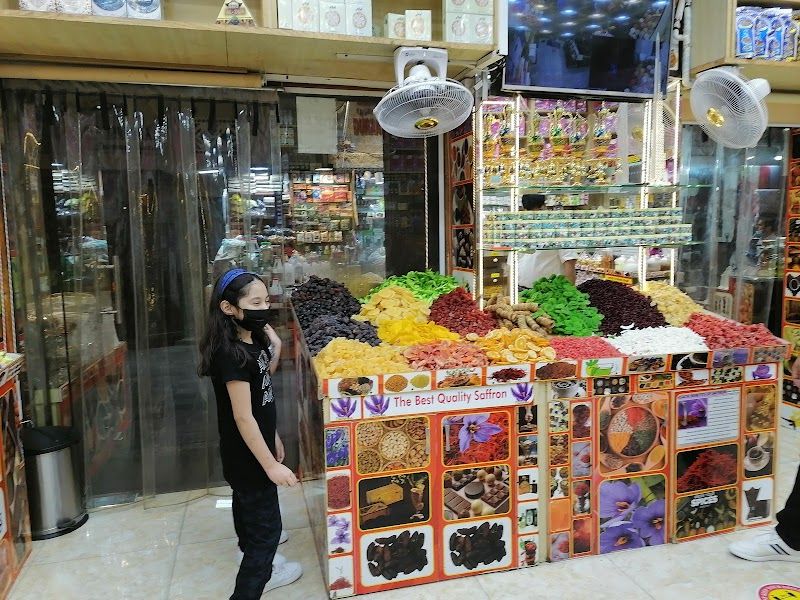
The Spice Souk in Deira is a five-minute walk from the Gold Souk and the smell alone is worth the visit. Saffron, cardamom, frankincense, dried lemons, cinnamon, cumin, and spice blends in burlap sacks stacked to the ceiling. The vendors are friendly, knowledgeable, and not aggressive, which is a welcome change from the Gold Souk's more persistent sellers. Saffron is the main draw for buyers. A bag that costs EUR40-60 in a European supermarket goes for AED 30-50 here, and the quality is genuine. Buy whole threads, not powder, and check that the colour is deep red-orange (not bright yellow, which indicates turmeric filler). Frankincense and oud are the other popular purchases, both excellent gifts and both dramatically cheaper than in Western shops. The Perfume Souk nearby (a 3-minute walk) sells oud-based perfumes, Arabic attars, and perfume oils. The vendors will blend custom scents for you, which is a fun experience even if you do not buy. The whole souk district, Spice, Gold, Perfume, and Textile, is compact enough to cover in a 2-3 hour morning walk. The souks are covered and shaded, making them comfortable year-round. The best time to visit is morning (10 AM-1 PM) when the vendors are setting up and the light filters through the roofing. Evening visits (5-7 PM) have better atmosphere as the souk lights come on and the evening trade begins. Arrive by abra from Bur Dubai for the full experience.

30-60 minutesExplore
More on Dubai

From the blog

View all →
Ready for Dubai?

Let DAIZ plan your Dubai days

Tell us how long you've got and what you're into. We'll build a day-by-day plan, with the bookable bits ready to lock in.

Plan my Dubai tripFree · no signup to start
Plan your Dubai trip