Barcelona · El Raval

Escribà

Historic pastry shop and café founded in 1906, featuring spectacular Art Nouveau mosaics on the facade.
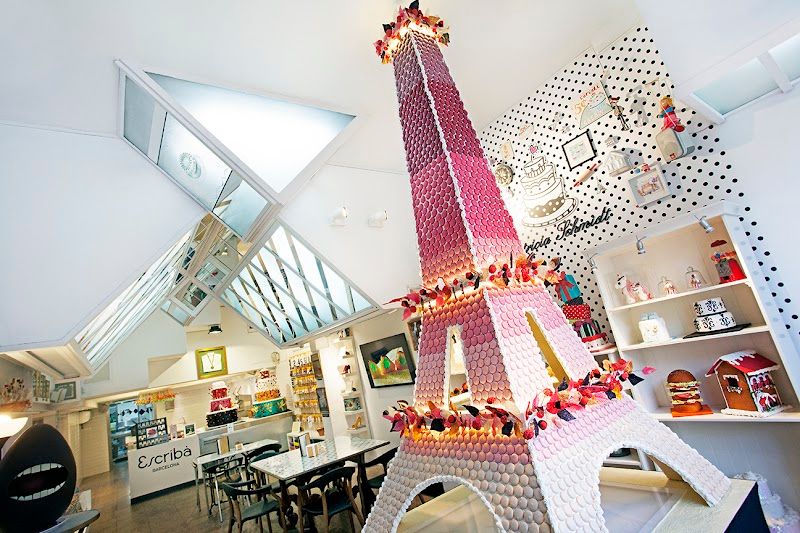
Escribà, Barcelona · El Raval
Category
Cafe
Duration
45 minutes
Best Time
Morning
Entry
€€
Rating
4.1 (2,511)
The place

About Escribà

Historic pastry shop and café founded in 1906, featuring spectacular Art Nouveau mosaics on the facade. Famous for their artisanal pastries, chocolates, and the iconic croissants, all made with traditional techniques passed down through generations.

Book ahead

Book Tickets

Live availability and skip-the-line options from our booking partners.

Search on Viator →Search on GetYourGuide →

Booking powered by our partners. DAIZ may earn a commission.

The place

Getting there

Address
Gran Via de les Corts Catalanes, 546, Eixample, 08011 Barcelona, Spain
Neighborhood
El Raval
Nearest Metro
Universitat (L1/L2)Liceu (L3)Sant Antoni (L2)
View on Google Maps →
Good to know

Tips, answered

Go in the morning when the pastries are freshest, and don't just grab takeaway - sit at the counter inside to admire the gorgeous tilework and watch the pastry chefs at work.

Plan for about 45 minutes. Morning visits are typically less crowded.

Escribà is in the El Raval neighborhood of Barcelona. The address is Gran Via de les Corts Catalanes, 546, Eixample, 08011 Barcelona, Spain. The area is well-served by metro.

Morning visits, especially early, mean fewer crowds and better light for photos. Weekdays are significantly quieter than weekends.

Comfortable shoes are recommended. Parts are outdoors, so bring a light layer.

Closed on Monday. Check the official website for holiday closures and special hours.

Around the corner

Nearby in El Raval

Explore all →
Mercat de Sant Antoni
Market

Mercat de Sant Antoni

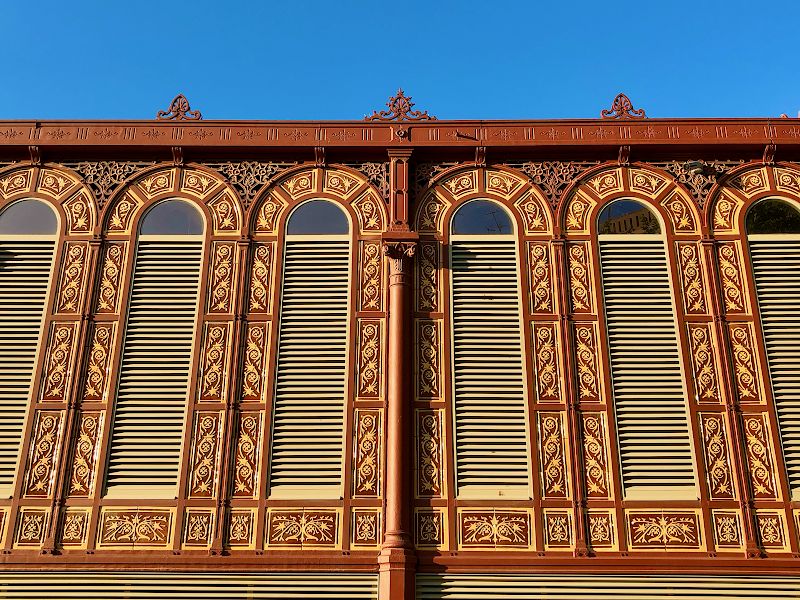
Mercat de Sant Antoni is what Barcelona food markets should be - a gorgeous 1882 iron-and-glass pavilion that serves actual locals instead of just tourists. Inside you'll find proper neighborhood vendors selling exceptional produce, fresh seafood, and quality meats at prices that won't make you wince. The recent decade-long restoration kept all the architectural beauty while adding modern conveniences, and on Sundays the exterior transforms into a legendary book and collectibles market. The market feels authentically Barcelonan in a way that La Boqueria stopped being years ago. You'll navigate wide aisles between stalls where vendors actually know their regular customers, and the lighting through those restored glass panels creates an almost cathedral-like atmosphere. The Sunday book market wraps around the building's perimeter with dealers spreading vintage comics, rare books, and old postcards on tables - it's genuinely fascinating even if you're not buying. Most food guides skip this place entirely, which keeps it blissfully uncrowded. The produce prices are roughly 30-40% cheaper than touristy markets, and the quality is noticeably better. Don't bother coming after 2pm on weekdays as many stalls start closing, and avoid Saturday mornings when local shopping peaks. The book market is worth timing your visit around if you're here on Sunday.

1 hourExplore
MACBA - Museu d'Art Contemporani de Barcelona
Museum

MACBA - Museu d'Art Contemporani de Barcelona

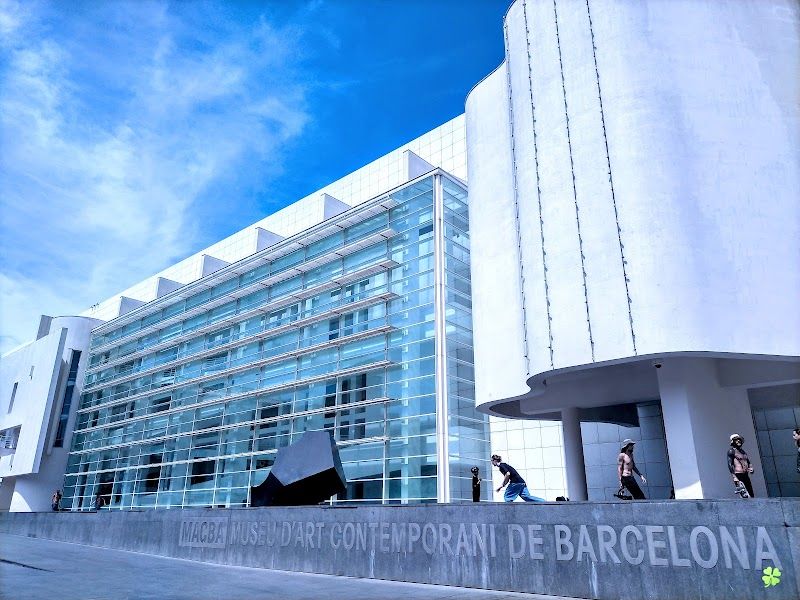
Richard Meier's gleaming white MACBA building houses Barcelona's most important contemporary art collection, with three floors of rotating exhibitions featuring Spanish and international artists from the 1950s onward. You'll find everything from video installations to conceptual pieces, with particularly strong collections of Catalan avant-garde and experimental photography. The museum takes contemporary art seriously - this isn't beginner-friendly crowd-pleasers but challenging, thought-provoking work that changes every few months. The experience starts before you even enter, as the plaza outside has become Europe's most famous skateboarding spot - the sound of wheels on concrete creates a constant urban soundtrack. Inside, the white-walled galleries feel clinical but purposeful, with natural light flooding in through Meier's signature windows. The layout flows logically across three floors, though some installations can feel pretentious or inaccessible if contemporary art isn't your thing. Honestly, unless you're genuinely into contemporary art, the free Saturday afternoon slot (4-8pm) is your best bet - paying full price (€12) feels steep for what's often hit-or-miss programming. Skip the basement level unless there's a special exhibition, and don't feel obligated to read every wall text. The real magic happens in the plaza afterward, watching skaters perform tricks against Meier's architectural backdrop.

1.5-2 hoursExplore
Gaudí's Barcelona 3-Hour Walking Tour
Tour

Gaudí's Barcelona 3-Hour Walking Tour

This expert-led walking tour connects four of Gaudí's most important works while explaining how his architectural revolution reflected Catalonia's cultural awakening. You'll start at the Manzana de la Discordia on Passeig de Gràcia, comparing Casa Batlló's undulating facade to works by rival architects Domènech i Montaner and Puig i Cadafalch. The route continues to La Pedrera's wave-like balconies before ending at the Sagrada Família, where guides decode the religious symbolism carved into every surface. Your guide weaves together architecture, politics, and religion as you walk between buildings, explaining how Gaudí's nature-inspired forms became symbols of Catalan identity during Spanish oppression. The commentary gets progressively deeper - casual observations about Casa Batlló's dragon-scale roof evolve into detailed explanations of the Passion Facade's mathematical proportions. Groups rarely exceed 15 people, so you can ask questions and get close enough to spot details like the ceramic fragments spelling out "Ave Maria" on Casa Batlló's facade. Most architecture tours rush through surface-level facts, but this one digs into the why behind Gaudí's choices. The exterior-only format works perfectly - you get the essential visual impact and historical context without paying €35+ for each interior. Tours run year-round and guides speak excellent English, though book ahead during peak season when slots fill quickly.

3 hoursExplore
CCCB - Centre de Cultura Contemporània de Barcelona
Museum

CCCB - Centre de Cultura Contemporània de Barcelona

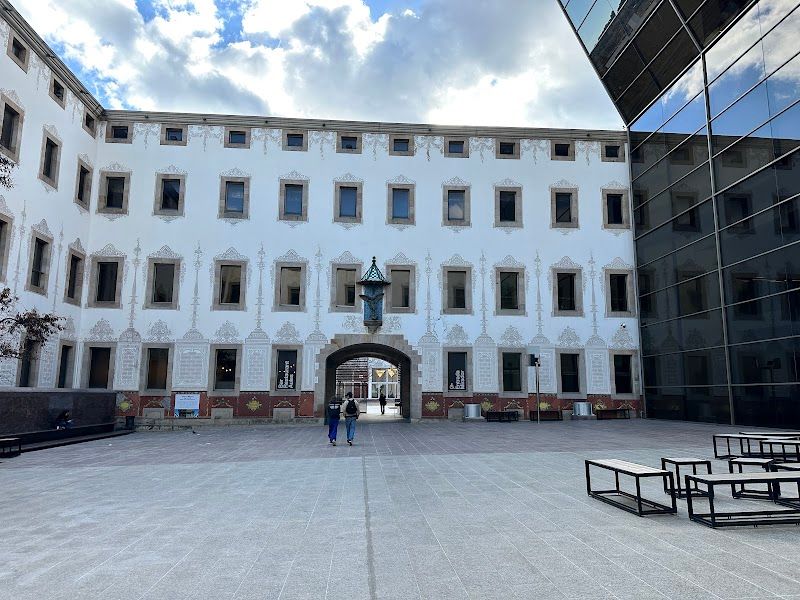
CCCB transforms a beautiful 18th-century almshouse into Barcelona's smartest cultural venue, focusing on how cities, technology, and society intersect. You'll find exhibitions that actually make you think - recent shows have tackled everything from urban planning disasters to AI's impact on creativity. The centerpiece is a stunning glass-walled courtyard where 300-year-old stone meets contemporary design, creating one of the city's most photogenic interior spaces. The visit flows naturally through interconnected galleries surrounding that dramatic courtyard - you'll find yourself returning to peer up at the glass ceiling between exhibitions. Unlike traditional museums, CCCB feels more like wandering through a series of thought experiments. The space breathes with natural light, and you can always step into the courtyard when you need a break from the heavier conceptual work. Evening events transform the atmosphere completely, with the glass walls glowing and crowds gathering for screenings or talks. Most guides oversell this as a 'must-see' alongside MACBA next door, but honestly, CCCB is far more engaging if you're not already deep into contemporary art. Skip it if you're rushing through Barcelona's hits - this place rewards slow browsing and actual reading. Admission varies by exhibition (typically €6-8), but they're generous with free days and student discounts. The bookshop is excellent but overpriced.

1.5-2 hoursExplore
More on Barcelona

From the blog

View all →
Ready for Barcelona?

Let DAIZ plan your Barcelona days

Tell us how long you've got and what you're into. We'll build a day-by-day plan, with the bookable bits ready to lock in.

Plan my Barcelona tripFree · no signup to start
Plan your Barcelona trip