Barcelona · Poblenou

Els Pescadors

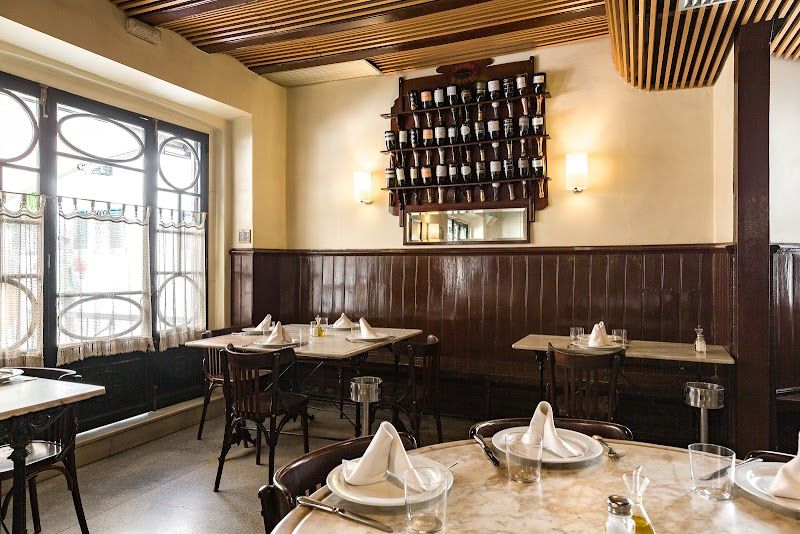
Former fishermen's tavern serving exceptional seafood and rice dishes in a charming setting on a quiet square.
Els Pescadors, Barcelona · Poblenou
Category
Restaurant
Duration
2 hours
Best Time
Any time
Entry
€€€
Rating
4.0 (1,925)
The place

About Els Pescadors

Former fishermen's tavern serving exceptional seafood and rice dishes in a charming setting on a quiet square. The restaurant maintains connections with local fish markets ensuring daily fresh catches. The suquet de peix (fish stew) and black rice are house specialties.

Book ahead

Book Tickets

Live availability and skip-the-line options from our booking partners.

Search on Viator →Search on GetYourGuide →

Booking powered by our partners. DAIZ may earn a commission.

The place

Getting there

Address
Plaça de Prim, 1, Sant Martí, 08005 Barcelona, Spain
Neighborhood
Poblenou
Nearest Metro
Poblenou (L4)Llacuna (L4)Bogatell (L4)
View on Google Maps →
Good to know

Tips, answered

Request a table on the outdoor terrace facing the square—it's one of Poblenou's prettiest dining spots.

Plan for about 2 hours.

Els Pescadors is in the Poblenou neighborhood of Barcelona. The address is Plaça de Prim, 1, Sant Martí, 08005 Barcelona, Spain. The area is well-served by metro.

This works well at any time of day, though mornings tend to be quieter. Weekdays are less crowded than weekends.

Around the corner

Nearby in Poblenou

Explore all →
Disseny Hub Barcelona
Museum

Disseny Hub Barcelona

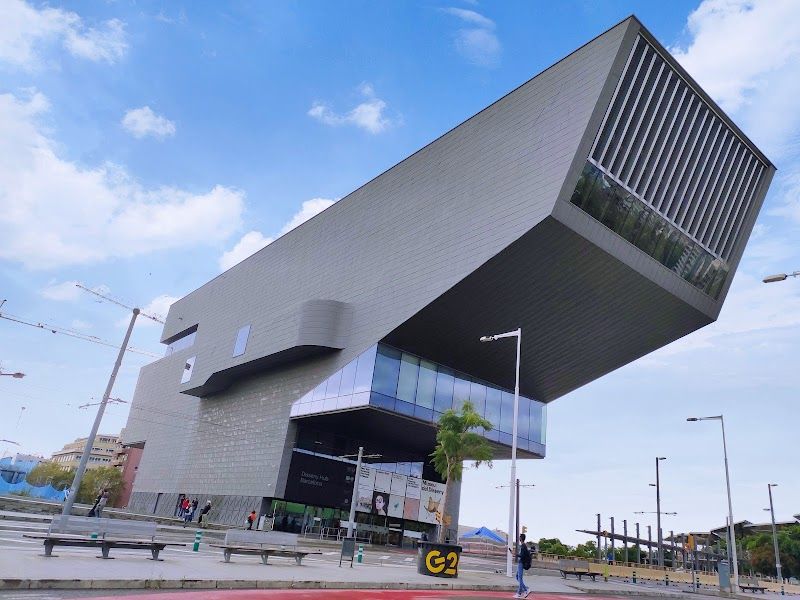
Disseny Hub Barcelona houses Europe's most comprehensive design collection, with 70,000 objects spanning ceramics, textiles, furniture, and graphic design from medieval times to today. You'll find everything from 12th-century Islamic ceramics to contemporary fashion pieces by local designers, plus rotating exhibitions that make design history interesting. The building itself is worth the visit; a copper-clad structure that looks like a folded origami sculpture dropped into the middle of Plaça de les Glòries. The permanent collection flows across multiple floors, starting with decorative arts (the medieval ceramics are genuinely impressive) before moving through industrial design, fashion, and graphic design. The fashion section showcases pieces from Custo Dalmau and Palomo Spain alongside international names, while the graphic design floor traces Barcelona's poster art evolution. The spaces are airy and well-lit, with interactive displays that let you zoom into textile details or flip through design sketches on digital screens. At €6 for adults (€4.20 reduced), it's good value compared to Barcelona's pricier museums. Most visitors rush through, but you need at least 2-3 hours to appreciate the breadth properly. Skip the ground floor shop as it is overpriced tourist stuff, and head straight to the fourth floor first when it is less crowded. The temporary exhibitions are often more engaging than the permanent collection, so check what's running before you go.

2-3 hoursExplore
Museu de Ciències Naturals de Barcelona - Museu Blau
Museum

Museu de Ciències Naturals de Barcelona - Museu Blau

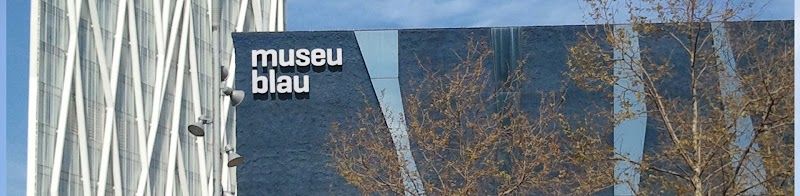
Barcelona's natural history museum sits inside a dramatic blue triangular building that looks like it crash-landed at Parc del Fòrum. The permanent 'Planeta Vida' exhibition walks you through 4.6 billion years of evolution across 3,000 square meters, featuring a complete diplodocus skeleton, interactive touchscreens, and mineral collections that actually sparkle under the lighting. You'll find live specimens in terrariums, fossil displays you can touch, and multimedia stations where kids (and adults) get genuinely absorbed. The visit flows chronologically from Earth's formation through today's biodiversity crisis, with the massive dinosaur skeleton dominating the central space. The building's angular architecture creates unexpected sightlines - you'll spot exhibits from multiple levels and find yourself drawn to sections you hadn't planned to visit. The sound design is subtle but effective, with ambient nature sounds that change as you move between ecosystems. Most visitors spend 90 minutes here, though the interactive elements can easily stretch that to two hours. Honestly, the permanent collection feels a bit sparse for such a large space, and some displays look dated compared to world-class natural history museums. The temporary exhibitions on the ground floor are often more engaging and better designed. Entry costs €6 for adults, but that first Sunday free admission deal is genuine - just expect crowds. Skip the audio guide (€3) and focus on the hands-on elements instead.

2 hoursExplore
Parc del Clot
Park & Garden

Parc del Clot

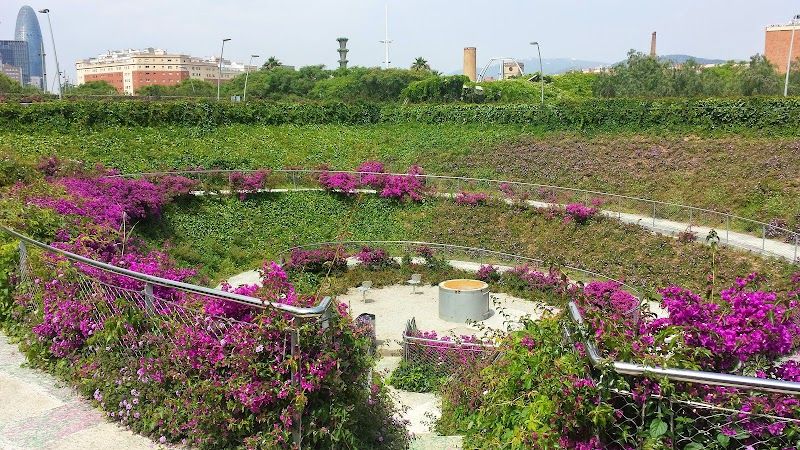
This reclaimed railway yard proves Barcelona knows how to repurpose industrial spaces without losing their soul. The park wraps around massive red brick arches from the old train depot, turning them into dramatic focal points for lawns and walking paths. You'll find a sunken garden where tracks once ran, plus that distinctive water tower that's now a lookout point. It's genuinely peaceful here - local families treat it like their backyard, which makes the whole experience feel authentic rather than touristy. The layout flows naturally around the preserved structures, so you're constantly discovering new angles on those impressive arches. Kids scramble around modern playgrounds while parents claim benches in the shade of pine trees. The elevated walkways give you perspective on how cleverly the designers worked with what was already here. There's something satisfying about seeing heavy industry turned into a place where toddlers chase pigeons and teenagers practice skateboard tricks. Most travel guides oversell this as some architectural marvel - it's not. It's just a really well-designed neighborhood park that happens to look cool in photos. The water tower climb is free but the stairs are steep and narrow, so skip it if you're claustrophobic. Come on weekday mornings for the best light through those arches, and don't expect fancy cafés or tourist facilities. Bring your own snacks and enjoy watching regular Barcelona life unfold.

1-1.5 hoursExplore
Parc del Centre del Poblenou
Park & Garden

Parc del Centre del Poblenou

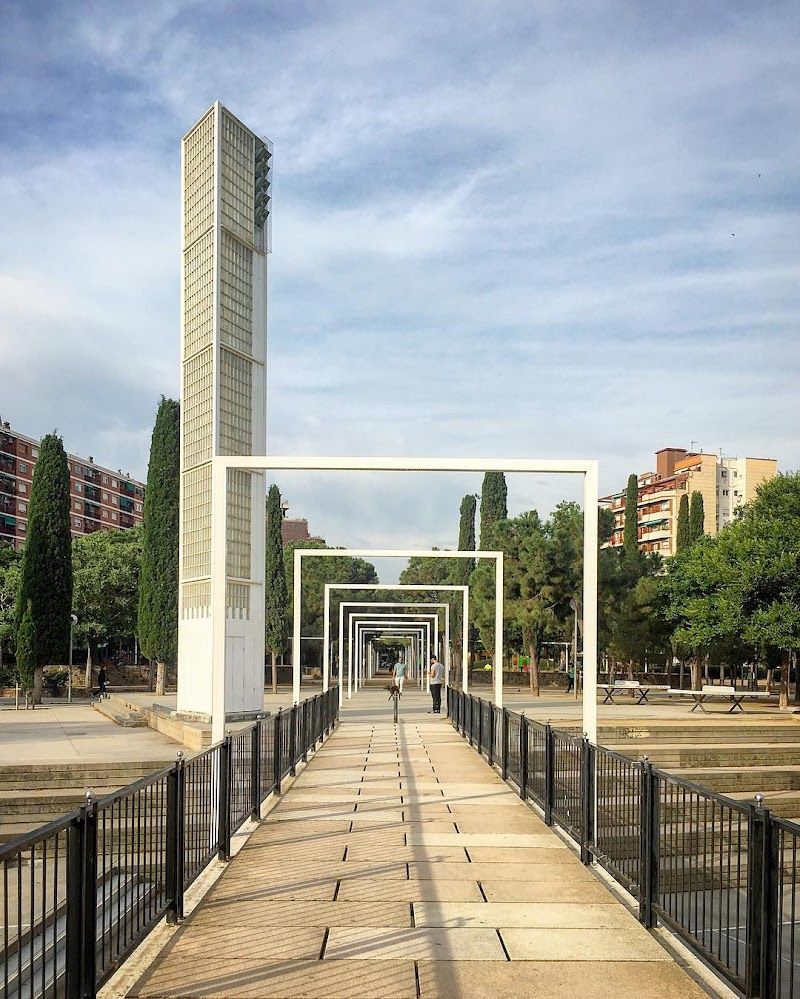
This linear park stretches along Avinguda Diagonal through Barcelona's transformed tech quarter, designed by acclaimed architect Jean Nouvel. You'll find clean geometric lines, preserved industrial chimneys from old factories, and thoughtfully placed modern sculptures that reference the area's manufacturing past. The park serves as a green corridor connecting different parts of the 22@ district, with wide lawns perfect for picnics and dedicated cycling lanes that actually get used by commuting locals, not just tourists. Walking through feels like experiencing Barcelona's urban planning at its most ambitious - the park deliberately contrasts sleek contemporary elements with rough industrial remnants. You'll pass office workers grabbing lunch on benches, kids using the well-designed playground equipment, and cyclists commuting between the tech companies that now occupy former factory spaces. The preserved chimney from the old Can Ricart textile factory stands as a striking centerpiece, while modern art installations appear at regular intervals without feeling forced. Most travel guides oversell this as a destination when it's really best experienced as part of exploring the broader Poblenou neighborhood. The park works brilliantly for a rest stop while walking between the beach and the city center, but don't make a special trip unless you're genuinely interested in contemporary urban design. Skip the southern section near Glòries - the northern stretch toward the sea offers better views and fewer construction disruptions from ongoing development projects.

1 hourExplore
Encants Barcelona
Market

Encants Barcelona

Encants Barcelona is Europe's oldest flea market, trading continuously since the 14th century and now sheltered under a spectacular mirrored canopy that reflects the city skyline. You'll find serious antique dealers selling 18th-century furniture alongside vendors hawking secondhand electronics, vintage clothing, and genuinely bizarre curiosities - I once saw a collection of 1960s medical equipment next to a stall of designer handbags. The market operates Monday, Wednesday, Friday, and Saturday, with around 500 stalls spreading across the covered space and outdoor areas. The experience feels like treasure hunting with purpose - dealers know their stuff and prices reflect real value rather than tourist markups. The mirrored roof creates an almost kaleidoscopic effect as morning light filters down, making even mundane objects look dramatic. You'll hear Catalan, Spanish, and broken English as serious collectors negotiate over art deco lamps or vintage cameras. The atmosphere shifts throughout the day, starting businesslike at 9am and becoming more relaxed as afternoon approaches. Most guidebooks oversell this as a casual browse, but you need stamina and focus - it's genuinely overwhelming with three floors of goods. The antique section on the upper level offers the best quality but expect to pay €50-200+ for worthwhile pieces. Skip the electronics unless you're hunting very specific vintage items, and avoid Saturdays when tour groups clog the narrow aisles. The outdoor section often has the most interesting oddities at better prices.

2-3 hoursExplore
Runner Bean Tours Barcelona
Tour

Runner Bean Tours Barcelona

Runner Bean Tours delivers Barcelona's most comprehensive free walking tour, led by actual historians who've spent years researching the city's layers. You'll trace 2000 years from Roman Barcino's foundations through medieval guilds to Civil War bomb shelters, seeing remnants most tourists walk past without noticing. The route covers genuine archaeological finds - Roman walls embedded in Gothic buildings, medieval Jewish quarter remnants, and Franco-era bullet holes still visible on cathedral stones. The 2.5-hour walk moves at a steady pace through narrow Gothic Quarter streets, with your guide pointing out details like Roman aqueduct fragments and medieval merchant symbols carved into doorways. Groups typically include 20-30 people, and the historians are genuinely passionate - they'll answer questions about everything from Visigothic invasions to modern Catalan independence. The atmosphere feels like a university seminar that happens to take place in ancient streets, with stops at small plazas where the guide sketches historical layouts on a whiteboard. Most free tours stick to obvious landmarks, but Runner Bean digs deeper into archaeology and social history that paid tours often skip. The Civil War section is particularly strong - you'll learn about neighborhood resistance networks and see actual bomb damage from 1938. Tips typically run €10-15 per person, which is fair given the research depth. Skip this if you want surface-level sightseeing, but it's perfect for understanding why Barcelona looks the way it does.

2.5 hoursExplore
More on Barcelona

From the blog

View all →
Ready for Barcelona?

Let DAIZ plan your Barcelona days

Tell us how long you've got and what you're into. We'll build a day-by-day plan, with the bookable bits ready to lock in.

Plan my Barcelona tripFree · no signup to start
Plan your Barcelona trip