Siena · Piazza del Campo & Centro

Caffè Fiorella

Corner cafe with outdoor tables facing the Basilica of San Domenico and valley views stretching to the countryside.
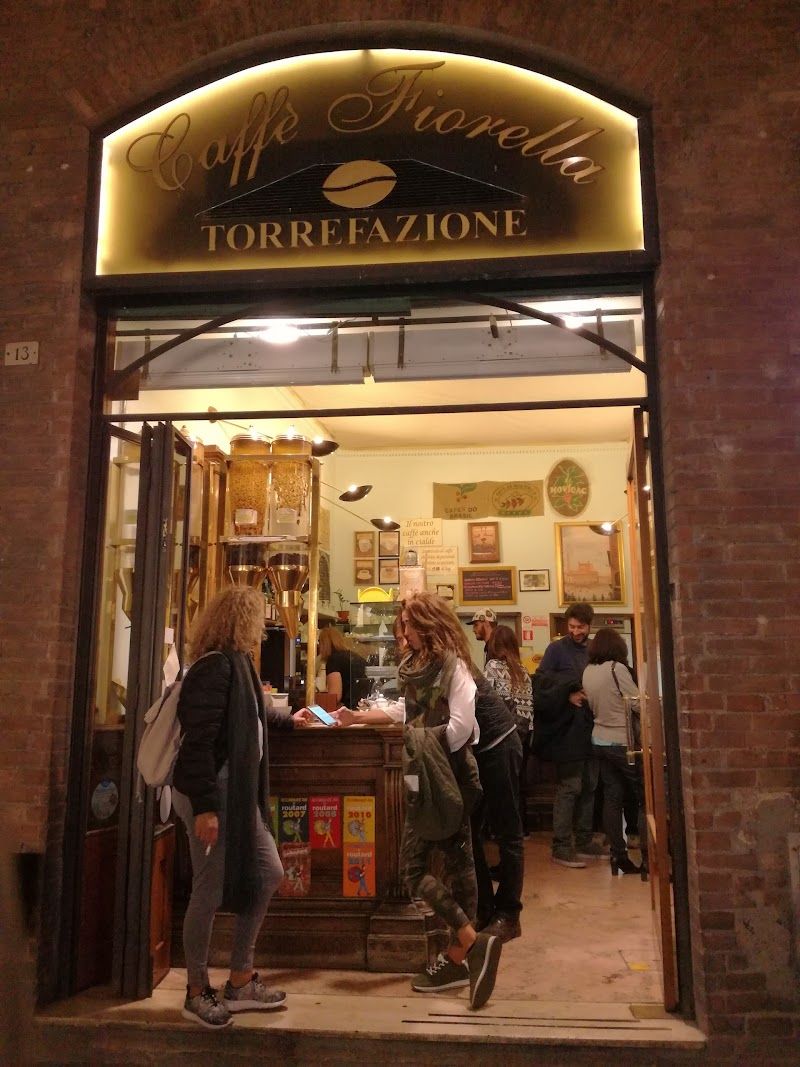
Caffè Fiorella, Siena · Piazza del Campo & Centro
Category
Cafe
Duration
45 minutes
Best Time
Morning
Entry
€€
Rating
4.8 (1,065)
The place

About Caffè Fiorella

Corner cafe with outdoor tables facing the Basilica of San Domenico and valley views stretching to the countryside. Morning service includes cappuccino and fresh pastries while afternoons feature aperitivo with complimentary snacks. The shaded terrace provides relief during summer heat with a local rather than touristy crowd.

Book ahead

Book Tickets

Live availability and skip-the-line options from our booking partners.

Search on Viator →Search on GetYourGuide →

Booking powered by our partners. DAIZ may earn a commission.

The place

Getting there

Address
Via di Città, 13, 53100 Siena SI, Italy
Neighborhood
Piazza del Campo & Centro
View on Google Maps →
Good to know

Tips, answered

Take the corner table closest to the basilica for the best view and photograph the church dome framed by cypress trees at sunset.

Plan for about 45 minutes. Morning visits are typically less crowded.

Caffè Fiorella is in the Piazza del Campo & Centro neighborhood of Siena. The address is Via di Città, 13, 53100 Siena SI, Italy. The area is well-served by metro.

Morning visits, especially early, mean fewer crowds and better light for photos. Weekdays are significantly quieter than weekends.

Comfortable shoes are recommended. Parts are outdoors, so bring a light layer.

Closed on Sunday. Check the official website for holiday closures and special hours.

Around the corner

Nearby in Piazza del Campo & Centro
Explore all →
Piazza del Campo
Landmark

Piazza del Campo

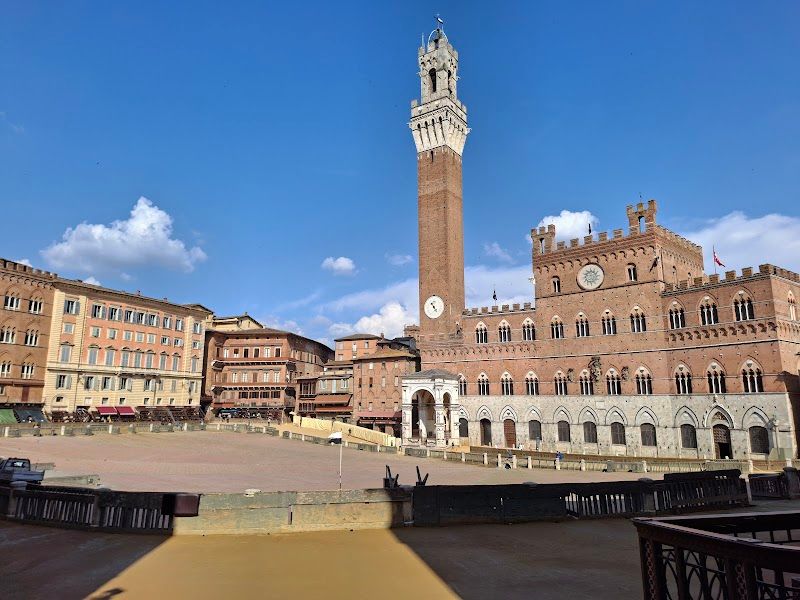
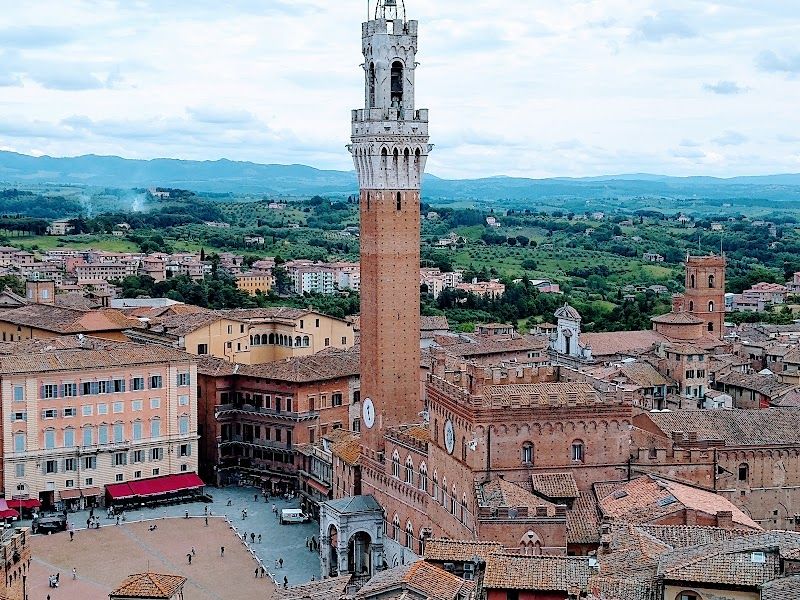
Piazza del Campo is Europe's most beautiful medieval square, a shell-shaped amphitheater of red brick that slopes down like a natural theater toward the Gothic Palazzo Pubblico. You're looking at 14th-century urban planning at its finest: nine white marble lines divide the fan-shaped space, representing the Council of Nine who ruled Siena during its golden age. The Fonte Gaia fountain anchors the high end while the 102-meter Torre del Mangia dominates the skyline at the bottom. Walking into the Campo feels like entering a living postcard where students sprawl on warm brick, tourists navigate gelato vendors, and pigeons patrol for dropped paninis. The sloping surface works like stadium seating, so you can sit almost anywhere and watch the theater of daily life unfold below. Twice yearly the space transforms completely when they dump sand everywhere for the legendary Palio horse race, but most of the time it's Siena's outdoor living room where conversations echo off surrounding palazzos. Skip the overpriced cafes ringing the square (EUR 4 for espresso, EUR 8 for a mediocre panino) and grab supplies from any alimentari instead. The restaurants charge a 25% premium for Campo views that aren't even that great from table level. Come at sunset when the brick glows golden and locals appear with wine bottles, or early morning when you can actually hear the fountain over the chatter.

30-60 minutesExplore
Palazzo Pubblico & Museo Civico
Museum

Palazzo Pubblico & Museo Civico

The Palazzo Pubblico houses Siena's most important art collection, centered around Ambrogio Lorenzetti's extraordinary Allegory of Good and Bad Government frescoes from 1338. These aren't just pretty paintings: they're a complete political manifesto painted across three walls, showing exactly what happens when rulers govern well versus badly. You'll also see Simone Martini's stunning Maesta and the controversial Guidoriccio equestrian portrait that art historians still argue about. You enter through the palazzo's Gothic courtyard and climb marble stairs to the first floor where the frescoes await. The Sala della Pace stops everyone in their tracks: Lorenzetti's good government scene shows merchants trading peacefully while farmers tend orderly fields, then the bad government wall reveals the same landscape in ruins with armed thugs roaming the streets. The contrast is startling and surprisingly relevant today. The adjoining Sala del Mappamondo feels more formal with its towering Maesta dominating one wall. Most visitors rush past this for the Torre del Mangia, which is backwards thinking. The museum ticket costs EUR 10 alone, or EUR 15 combined with the tower (saving you EUR 5). Skip the upper floors unless you're obsessed with minor 14th century works. Focus your hour on the two main rooms: they contain some of Europe's most sophisticated medieval political commentary, and unlike most fresco cycles, these tell a complete story you can actually follow.

45-60 minutesExplore
Palazzo Salimbeni
Landmark

Palazzo Salimbeni

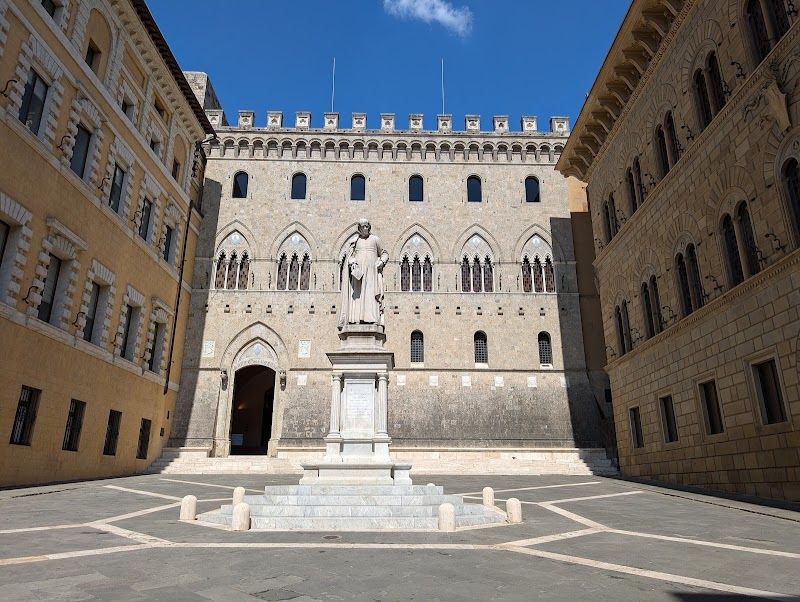
Palazzo Salimbeni houses Monte dei Paschi di Siena, founded in 1472 and still the world's oldest operating bank. You can't go inside, but the 14th-century Gothic facade with its stone crenellations and arched windows makes this one of Siena's most striking medieval buildings. The real draw is how perfectly it anchors Piazza Salimbeni, creating what feels like a private courtyard in the heart of the city. The square itself feels intimate and refined, flanked by two Renaissance palaces that complement the Gothic centerpiece beautifully. You'll find yourself naturally drawn to walk the perimeter, admiring how the three buildings create perfect architectural harmony. The statue of economist Sallustio Bandini sits right in the center, and locals often use the steps around it as an impromptu meeting spot. Most guides oversell this as a major attraction when it's really a lovely 10-minute stop while exploring the centro. The morning light hits the stone facade beautifully, making photos much better than afternoon shots. Skip it if you're rushing between the Duomo and Piazza del Campo, but if you're wandering the medieval streets anyway, it's worth the short detour for the architecture and peaceful atmosphere.

15 minutesExplore
Fonte Gaia
Landmark

Fonte Gaia

Fonte Gaia sits at the highest point of Piazza del Campo's slanted shell, a white marble fountain that's been the square's centerpiece for over 600 years. The rectangular basin features carved reliefs showing biblical scenes and allegorical figures representing virtues, all framed by elegant Gothic arches. What you're seeing is actually a faithful 19th-century copy: the original weathered panels by master sculptor Jacopo della Quercia are safely displayed in Santa Maria della Scala museum, where you can study the intricate details up close. The fountain creates a natural gathering spot where locals fill water bottles and tourists rest between exploring the surrounding medieval buildings. Water still flows from the carved spouts, just as it did when the fountain first brought fresh water to this hilltop square in 1419. The marble gleams white against the red brick Palazzo Pubblico behind it, and you'll often see people sitting on the steps leading up to it, using it as a backdrop for photos. Most guidebooks make this sound more spectacular than it actually is. It's pleasant to look at and historically significant, but don't expect to be blown away: the replica lacks the patina and character of the original. Save your real fountain admiration for the originals in the museum, which cost 8 EUR to visit. The fountain works best as part of experiencing the entire Campo rather than a destination itself.

15 minutesExplore
Libreria Senese
Shopping

Libreria Senese

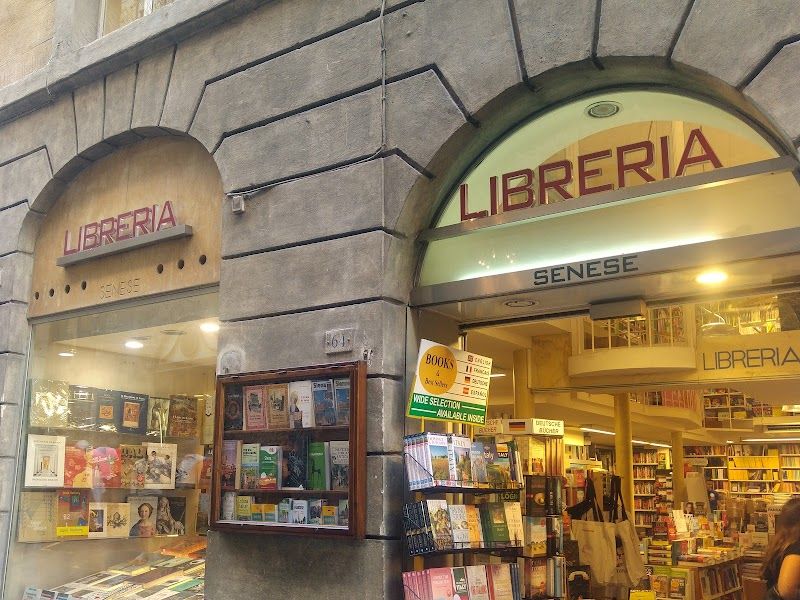
Libreria Senese occupies a narrow medieval storefront on Via di Città, where floor-to-ceiling shelves hold one of Tuscany's best collections of regional books. You'll find everything from scholarly texts on Sienese Gothic architecture to coffee table books about the Palio, plus a solid selection of contemporary Italian fiction and detailed hiking guides for the Chianti hills. The owners have been curating this collection for over 30 years, and it shows in the thoughtful organization and rare finds. Stepping inside feels like entering a literary time capsule. The space is compact but never cramped, with books stacked artfully on wooden tables and handwritten recommendation cards scattered throughout. University students browse alongside curious travelers, creating a quiet intellectual buzz. The staff genuinely knows their inventory and will pull books from seemingly impossible places when you mention a specific interest. Most travel bookshops are tourist traps selling overpriced guidebooks, but this place serves serious readers. Books range from 12 EUR for paperbacks to 45 EUR for art volumes, which is fair for the quality. Skip the generic Tuscany photography books near the entrance and head straight to the local history section in the back. The Palio collection alone justifies the visit, featuring publications you won't find anywhere else.

30-45 minutesExplore
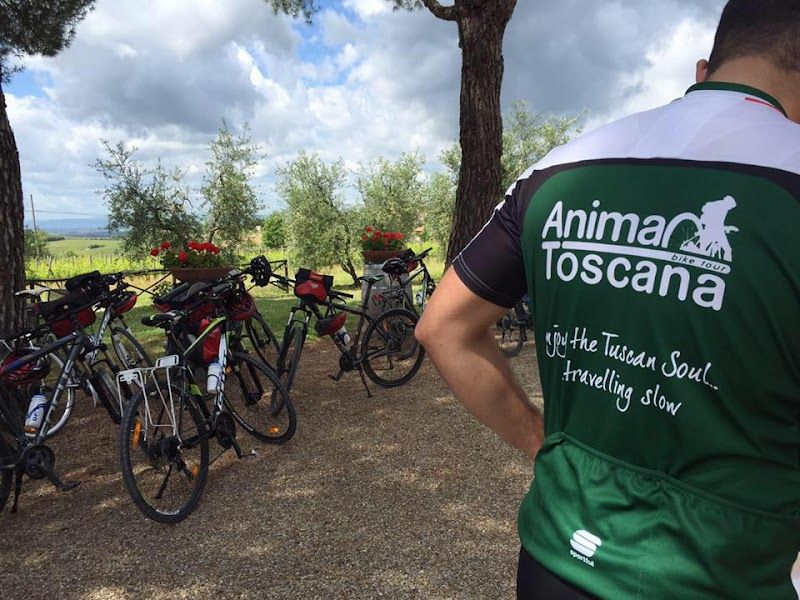
Bike Tour Siena
Tour

Bike Tour Siena

This 3.5-hour cycling tour takes you through the rolling Chianti hills surrounding Siena, covering about 25 kilometers of quiet country roads and gravel paths. You'll cycle past cypress-lined drives, medieval stone farmhouses, and terraced vineyards, with stops at panoramic viewpoints overlooking the Val d'Orcia and brief visits to fortified villages like Monteriggioni. The route is designed for recreational cyclists with moderate fitness levels, featuring gentle climbs and rewarding descents through some of Tuscany's most photogenic countryside. The experience feels like cycling through a Renaissance painting, especially during the golden hour when late afternoon light hits the wheat fields and olive groves. Your guide stops frequently for photos and local stories, pointing out wild boar paths and explaining how the landscape shaped medieval trade routes. The pace is leisurely with plenty of water breaks, and the provided e-bikes make the hills manageable even for casual cyclists. You'll share the roads mainly with local farmers and the occasional wine delivery truck. Most tour companies charge around 75-85 EUR per person including bike rental and helmet, but shop around as prices vary significantly. Skip this if you're expecting challenging mountain biking or extensive historical commentary, it's more about soaking up the scenery than serious cycling or education. The morning departure (9 AM) is superior to afternoon tours because you'll have better light for photos and cooler temperatures for the climbs.

3-4 hoursExplore
Ready for Siena?

Let DAIZ plan your Siena days

Tell us how long you've got and what you're into. We'll build a day-by-day plan, with the bookable bits ready to lock in.

Plan my Siena tripFree · no signup to start
Plan your Siena trip