Rome · Tridente & Piazza di Spagna

Settimio all'Arancio

Historic trattoria near Campo de' Fiori serving Roman classics since 1961.
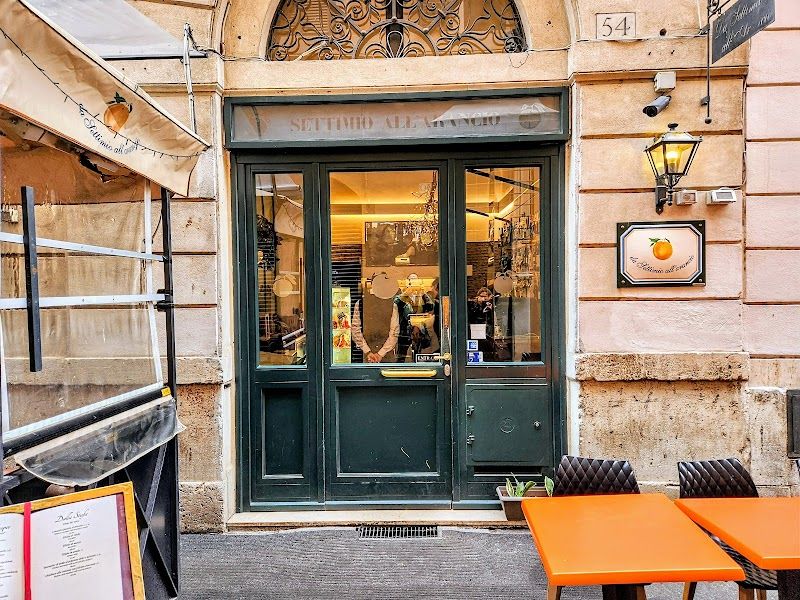
Settimio all'Arancio, Rome · Tridente & Piazza di Spagna
Category
Restaurant
Duration
2 hours
Best Time
Any time
Entry
€€€
Rating
4.2 (1,066)
The place

About Settimio all'Arancio

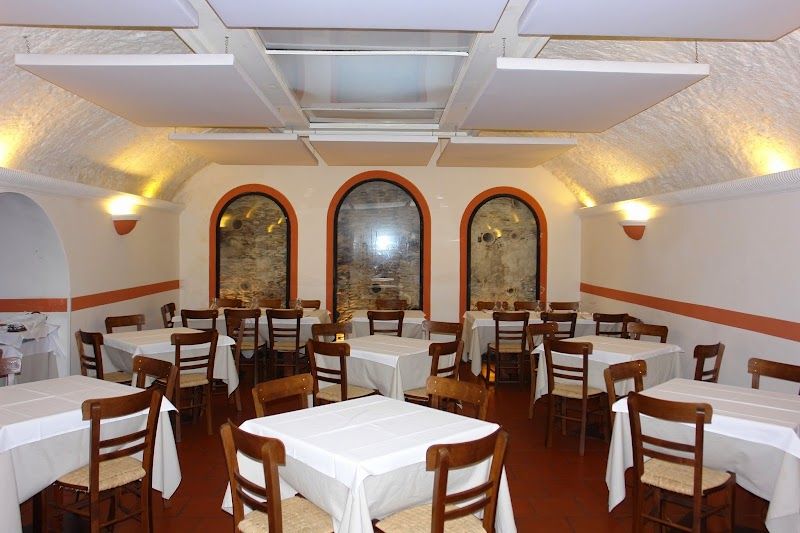
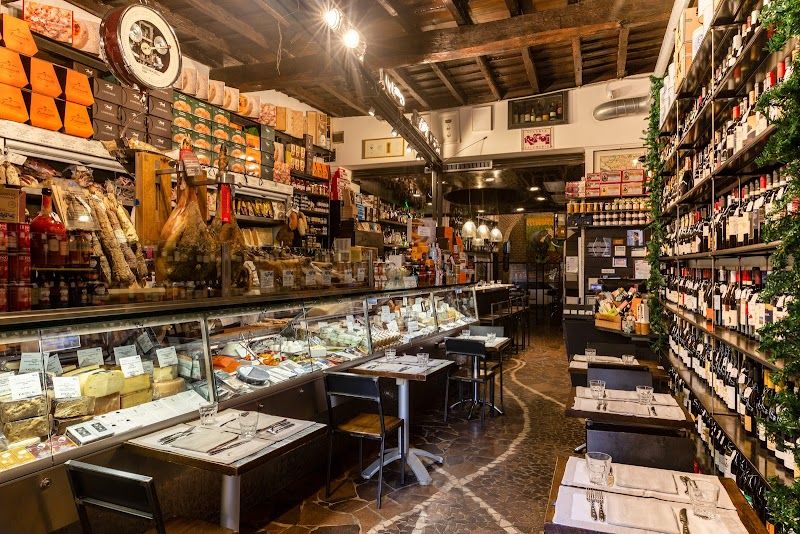
Historic trattoria near Campo de' Fiori serving Roman classics since 1961. The amatriciana won awards, the carciofi alla giudia in season are excellent, and the service maintains old-school professionalism. Proper tablecloths and multiple courses.

Book ahead

Book Tickets

Live availability and skip-the-line options from our booking partners.

Search on Viator →Search on GetYourGuide →

Booking powered by our partners. DAIZ may earn a commission.

The details

Practical bits

WalkingMinimal walking
The place

Getting there

Address
Via dell'Arancio, 50, 00186 Roma RM, Italy
Neighborhood
Tridente & Piazza di Spagna
Nearest Metro
Spagna (Line A)Flaminio (Line A)
View on Google Maps →
Good to know

Tips, answered

The artichoke season (February-April) is when to visit - their carciofi alla romana are prepared perfectly according to tradition.

Plan for about 2 hours.

Settimio all'Arancio is in the Tridente & Piazza di Spagna neighborhood of Rome. The address is Via dell'Arancio, 50, 00186 Roma RM, Italy. The area is well-served by metro.

This works well at any time of day, though mornings tend to be quieter. Weekdays are less crowded than weekends.

Closed on Sunday. Check the official website for holiday closures and special hours.

Around the corner

Nearby in Tridente & Piazza di Spagna
Explore all →
Landmark

Spanish Steps

The Spanish Steps are Rome's most famous staircase, 135 travertine steps connecting the luxury shopping district below to the Trinità dei Monti church above. Built in the 1720s with French money (hence the French church at the top), they've been a social hub for three centuries. You're here for the elegant curves of the staircase itself, the view from the top over Piazza di Spagna, and the Barcaccia fountain at the base designed by Pietro Bernini. Climbing feels ceremonial: the steps widen and narrow in graceful curves, and you'll notice how the travertine catches light differently throughout the day. From the top, the view opens up over the red rooftops toward the Pantheon and Vatican. The piazza below buzzes with street artists, tourists posing for photos, and shoppers emerging from Via dei Condotti with designer bags. The pink Keats Shelley House at the bottom right adds literary weight to all the Instagram activity. Here's what guides don't mention: sitting on the steps gets you a €400 fine, strictly enforced by police who patrol constantly. The steps are frankly more photogenic than meaningful, worth 20 minutes max unless you're shopping the expensive boutiques nearby. Come at 7am for empty photos, or skip entirely if you're short on time. The real charm is people watching from the Barcaccia fountain, which costs nothing and gives you the same view.

20-30 minutesExplore
Borghese Gallery
Museum

Borghese Gallery

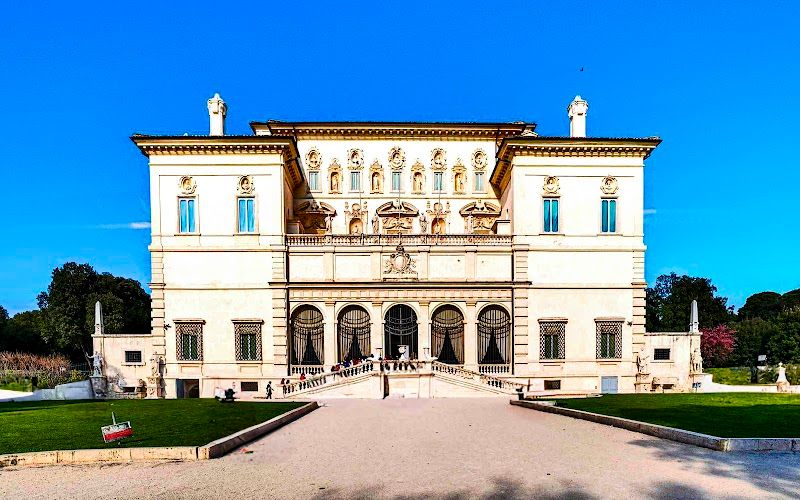
You must book ahead. This is not a suggestion - the Borghese Gallery limits entry to 360 people every two hours, and slots sell out weeks in advance during peak season. If you show up without a reservation, you will not get in. Book at galleriaborghese.beniculturali.it (the official site, not the third-party resellers who charge double) 2-3 weeks ahead, earlier in summer. That mandatory booking is actually one of the gallery's greatest features, because it means you'll see Bernini's Apollo and Daphne without fighting through a crowd. And you need to see it. The marble looks like actual skin - Daphne's fingers are turning into laurel leaves, Apollo's hand is pressing into her waist, and you can see the exact moment of transformation. It's the single most impressive piece of sculpture in Rome, and Bernini carved it at 24. The Rape of Proserpina, in the next room, has the same impossible quality: Pluto's fingers pressing into Proserpina's thigh create dimples in the marble that shouldn't be possible. The €15 entry is a bargain for what's arguably the best small art museum in the world. Two floors: ground floor is sculpture (Bernini, Canova), first floor is paintings (Caravaggio, Raphael, Titian). The Caravaggio room alone - Boy with a Basket of Fruit, David with the Head of Goliath (where Goliath's face is Caravaggio's self-portrait), and the raw, unflinching Madonna dei Palafrenieri - is worth the ticket. The 2-hour time limit sounds restrictive but it's actually perfect. It forces you to see a manageable collection without the museum-death-march exhaustion that hits at the Vatican or the Uffizi. You'll leave wanting to come back, which is the sign of a great museum. The gardens around the gallery (Villa Borghese park) are free, beautiful, and ideal for decompressing afterwards - rent a rowboat on the lake (€3 for 20 minutes) or just sit on a bench and process what you've just seen.

2 hoursExplore
Villa Borghese Gardens
Park & Garden

Villa Borghese Gardens

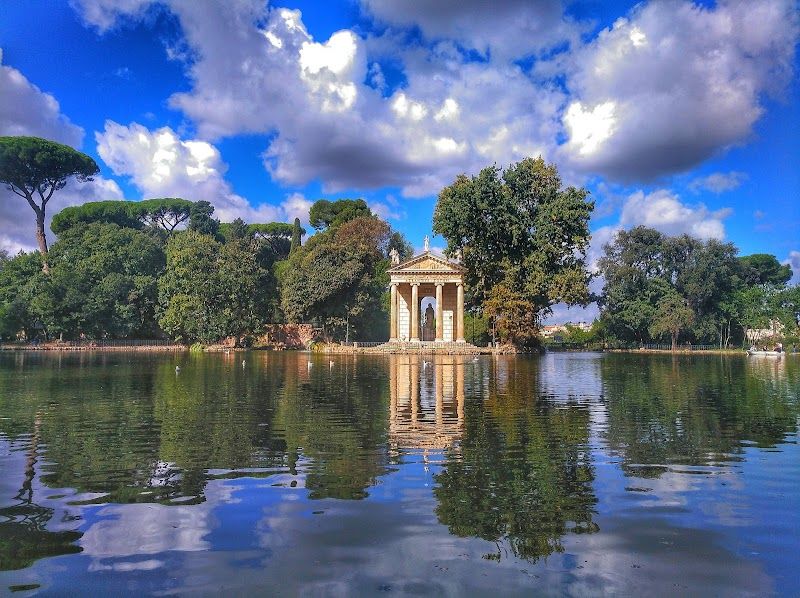
Villa Borghese is Rome's green lung, spreading across 80 hectares of rolling hills, umbrella pines, and landscaped gardens above Piazza del Popolo. You'll find Italians doing what they rarely do elsewhere - actually relaxing on benches, families cycling shaded paths, and couples rowing tiny boats on the artificial lake (€3 for 20 minutes). The park connects major attractions like the Borghese Gallery, so it's functional as well as beautiful. The atmosphere shifts completely from Rome's intensity the moment you enter. Instead of honking Vespas, you'll hear fountains trickling and children laughing at playgrounds scattered throughout. The western Pincio terrace delivers the city's best panoramic view - St. Peter's dome floating above terracotta rooftops with Piazza del Popolo spread below. Joggers loop the main paths at dawn, while families claim shady spots for elaborate picnics by afternoon. Most visitors rush through heading to the Borghese Gallery, but you're missing the point if you don't slow down. The lake area gets packed with families on weekends - go weekday mornings for peace. Skip the overpriced cafe near the entrance and bring food from nearby markets. Bike rental is worth it (€4-6/hour) since the park is bigger than it looks, but avoid the touristy surreys unless you have small kids.

1-2 hoursExplore
Bioparco di Roma
Park & Garden

Bioparco di Roma

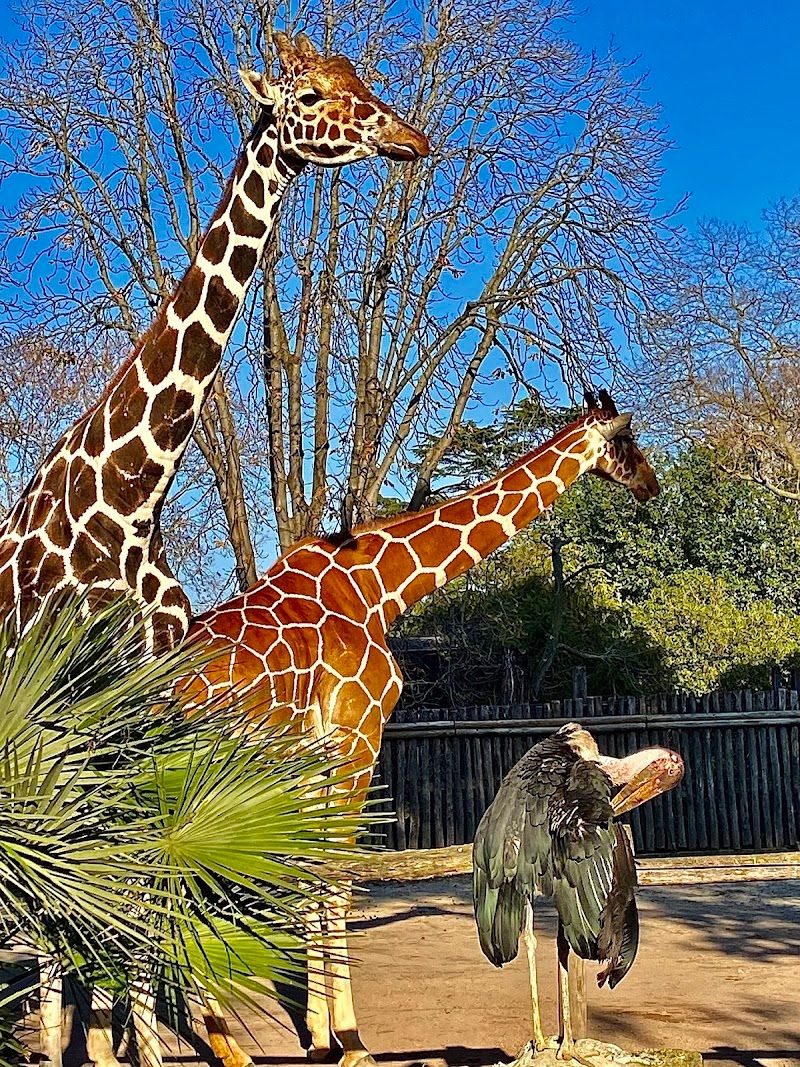
Rome's 110-year-old zoo sits right in Villa Borghese, housing over 1,000 animals across 17 hectares of surprisingly green space. You'll find Asiatic elephants splashing in sizeable pools, Amur tigers prowling through glass-fronted enclosures, and a whole island dedicated to ring-tailed lemurs who'll come right up to the fence. The reptile house showcases everything from Galápagos tortoises to venomous cobras, while the farm section lets kids pet goats and watch chickens roam freely. The layout follows winding paths that feel more like a park walk than a typical zoo march. Animals live in spacious, naturalistic habitats rather than cramped concrete cages - the hippo pool alone is massive, and you can watch them underwater through huge glass panels. The atmosphere stays relaxed even with families around, and you'll find plenty of shaded benches under mature trees. Feeding times draw the biggest crowds, especially at the sea lion pool where handlers explain conservation efforts. Most travel guides oversell this as a full-day experience - three hours covers everything comfortably. Skip the overpriced cafeteria (€12 for mediocre sandwiches) and pack snacks instead. The gift shop prices are ridiculous, but admission at €16 for adults and €13 for kids feels reasonable for what you get. Focus your time on the big cats, elephants, and reptile house - the bird aviaries are frankly underwhelming compared to the star attractions.

3-4 hoursExplore
MAXXI - Museo nazionale delle arti del XXI secolo
Museum

MAXXI - Museo nazionale delle arti del XXI secolo

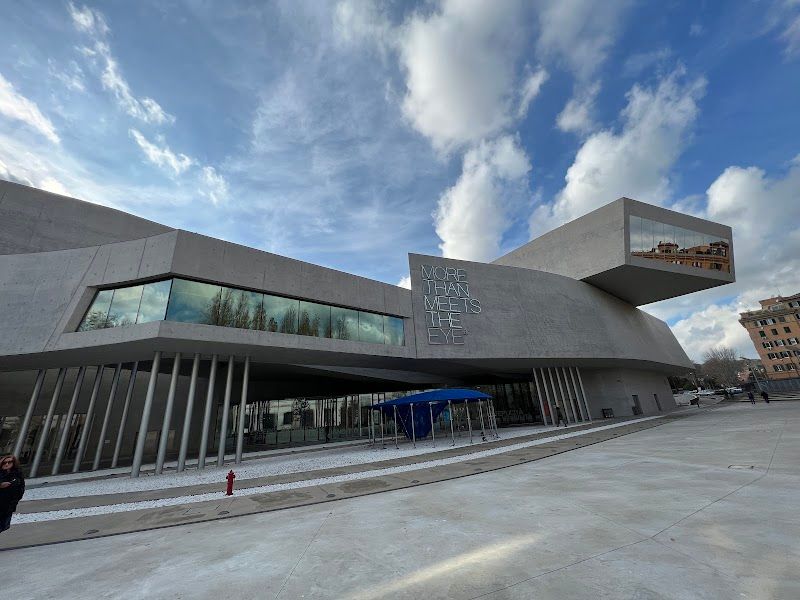
MAXXI is not just another art museum - it's Zaha Hadid's swooping concrete sculpture that happens to contain galleries. The building curves and flows like frozen water, with dramatic skylights casting shifting shadows throughout the day. You'll find rotating exhibitions of contemporary art, architecture displays, and design installations, but honestly, the structure itself outshines most of what's inside. The galleries flow into each other seamlessly, with no traditional room divisions. Walking through MAXXI feels like being inside a piece of contemporary art. The floors slope gently, walls curve without warning, and natural light pours in from unexpected angles above. You'll find yourself photographing the architecture more than the exhibitions - those concrete ribbons create engaging perspectives from every angle. The space can feel disorienting in the best way, especially when you reach the upper levels where the ceiling opens dramatically. Most guides won't tell you this: the permanent collection is quite thin, and temporary exhibitions can be hit-or-miss. Entry costs €12 (€9 reduced), which feels steep when exhibitions disappoint. The building is worth seeing, but don't expect Vatican-level art treasures. Skip the overpriced café and focus your time on exploring the architecture itself - that's where MAXXI truly delivers.

2 hoursExplore
Galleria Nazionale d'Arte Antica in Palazzo Barberini
Museum

Galleria Nazionale d'Arte Antica in Palazzo Barberini

The Galleria Nazionale d'Arte Antica occupies Palazzo Barberini, a 17th-century baroque masterpiece where the architecture competes with the art collection. You'll find Caravaggio's "Judith Beheading Holofernes" and his haunting "Narcissus," plus works by Raphael and Hans Holbein the Younger. Pietro da Cortona's ceiling fresco in the Gran Salone is a ceiling covering 1,400 square meters, featuring an allegory of divine providence that makes the ceiling seem to dissolve into heaven. Your visit flows through intimate palace rooms filled with Renaissance and baroque paintings, then opens dramatically into the Gran Salone where you'll crane your neck trying to figure out where real architecture ends and painted illusion begins. The competing staircases by Bernini and Borromini create a fascinating architectural dialogue - Bernini's flows in elegant curves while Borromini's climbs in angular geometry. The palace retains its residential feel with original frescoed ceilings and period furnishings. Most guides may overemphasize the importance of the entire collection when in reality the main attractions are the Caravaggios and the ceiling. To make the most of your time, skip the upper floors unless you're interested in 16th-century portraits - focus on the piano nobile. Admission costs €12, and the museum is relatively uncrowded compared to the Vatican museums. The audio guide (€5) is worth it for the Gran Salone's complex symbolism, providing a deeper understanding of the art.

2 hoursExplore
More on Rome

From the blog

View all →
Ready for Rome?

Let DAIZ plan your Rome days

Tell us how long you've got and what you're into. We'll build a day-by-day plan, with the bookable bits ready to lock in.

Plan my Rome tripFree · no signup to start
Plan your Rome trip