Rome · Centro Storico

Rome Boat Experience

Tour
Rome Boat Experience, Rome · Centro Storico
Category
Tour
Duration
1h 30m
Best Time
Evening
Entry
€€
Rating
3.8 (60)
The place

About Rome Boat Experience

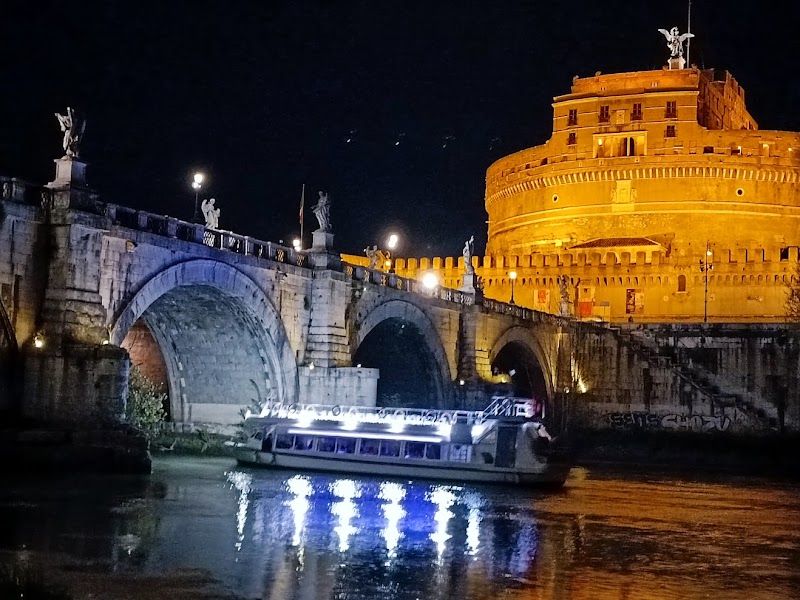
The Rome Boat Experience takes you along the Tiber on small vessels that carry about 20 passengers, giving you water level views of the city's 15 historic bridges and riverside palaces. You'll cruise past Castel Sant'Angelo, the Theater of Marcellus, and Tiber Island while your guide explains how Romans used the river for centuries. The evening tours include prosecco and basic antipasti platters, though don't expect gourmet quality.

The 90 minute journey moves at a leisurely pace, perfect for photographing the honey colored buildings reflected in the water as the sun sets. You'll pass under bridges built by emperors and popes, each with its own architectural style spanning 2,000 years. The boat's open sides let you feel the evening breeze, and the low perspective reveals details you'd never notice from street level. Other passengers tend to be a mix of couples and small groups, creating a relaxed atmosphere.

Honestly, this isn't Rome's most spectacular experience, but it fills a nice niche if you want something different from the usual walking tours. At around 35 EUR per person for sunset tours, you're paying mostly for the novelty since the food is forgettable and the commentary can be hit or miss depending on your guide. Skip the lunch cruises entirely, they lack the romantic lighting that makes this worthwhile.

Book This Tourvia Viator · prices may vary
Book ahead

Book This Tour

Live availability and skip-the-line options from our booking partners.

Search on Viator →Search on GetYourGuide →

Booking powered by our partners. DAIZ may earn a commission.
The place

Getting there

Address
Lungotevere Tor di Nona, 00186 Roma RM, Italy
Neighborhood
Centro Storico
Nearest Metro
Spagna (Line A) - 10 min walkBarberini (Line A) - 10 min walk
View on Google Maps →
Good to know

Tips, answered

Board from the Trastevere dock near Ponte Garibaldi instead of the main departure point at Ponte Sant'Angelo to avoid cruise ship crowds and get better seats

Book the 7pm departure in summer rather than the earlier slots, when the golden hour lighting transforms ordinary riverside buildings into something photogenic

Sit on the right side of the boat heading downstream for the best views of Castel Sant'Angelo and St. Peter's dome in the distance

Plan for about 1h 30m. Evening visits offer a different atmosphere with softer light.

Rome Boat Experience is in the Centro Storico neighborhood of Rome. The address is Lungotevere Tor di Nona, 00186 Roma RM, Italy. The area is well-served by metro.

Evening visits offer a unique atmosphere. The light is softer, crowds thin out, and the experience feels more intimate.

Comfortable walking shoes are essential — you'll be on your feet for a while. Parts are outdoors, so bring a light layer.

Around the corner

Nearby in Centro Storico

Explore all →
Ponte Sant'Angelo
Landmark

Ponte Sant'Angelo

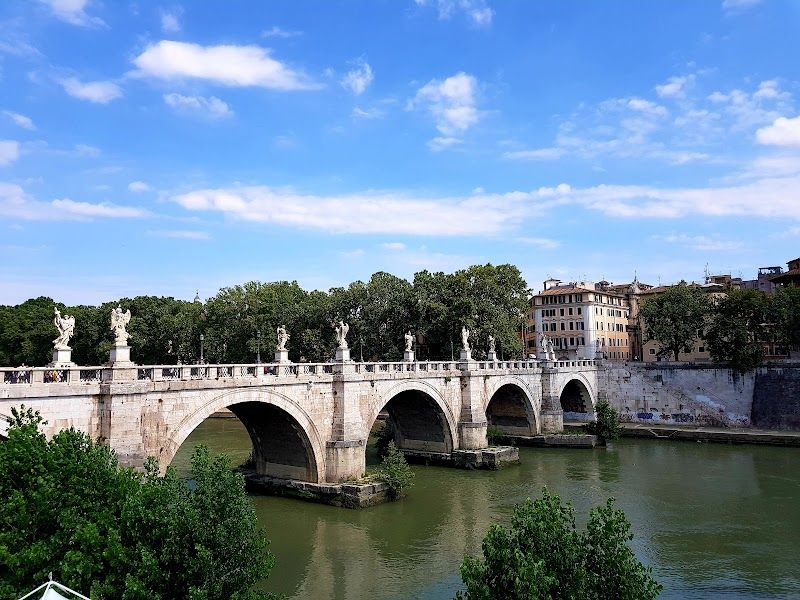
This pedestrian bridge connects central Rome to Castel Sant'Angelo, lined with ten dramatic baroque angels that tower over the Tiber. Each angel holds a different symbol from Christ's crucifixion: the crown of thorns, the nails, the sponge soaked in vinegar. Emperor Hadrian built the original span in 134 AD as his private route to his tomb, though Bernini's sculptural additions from the 1660s steal the show today. You'll get unobstructed views of St. Peter's dome and the fortress walls while classical musicians often perform beneath the statues. The bridge feels more like an outdoor sculpture gallery than a river crossing. Groups cluster around each angel, reading the Latin inscriptions and posing for photos against the castle backdrop. Street performers claim spots between the statues, filling the stone span with violin music that echoes off the fortress walls. The pedestrian only design means you can take your time studying each sculpture's details without dodging traffic. Early morning light hits the angels perfectly, casting dramatic shadows across their flowing robes. Most guidebooks oversell this as a lengthy stop, but fifteen minutes covers it completely unless you're a serious art student. The views are genuinely spectacular, especially looking back toward the Vatican dome, but don't expect much historical context from the sparse signage. Skip the overpriced gelato vendors at both ends and grab something better near the Pantheon instead. The bridge gets painfully crowded between 11am and 4pm when tour groups bottleneck around the center angels.

15-20 minutesExplore
Trevi Fountain
Landmark

Trevi Fountain

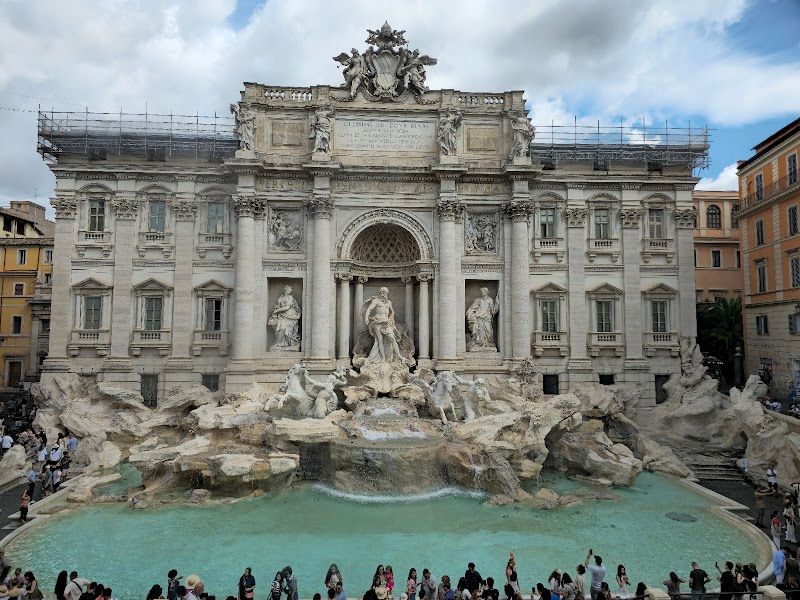
Nicola Salvi's theatrical masterpiece dominates this cramped piazza like a stage set come to life. Neptune commands the center while Tritons wrestle with horses that seem ready to leap from the carved stone. The detail work is genuinely impressive when you can get close enough to appreciate it. The fountain recycles 2,824,800 liters of water daily through its elaborate system, creating that signature rushing sound that somehow cuts through the crowd noise. You'll be shoulder-to-shoulder with tourists most hours, everyone jostling for the same Instagram shot while coins ping constantly into the water. The piazza feels impossibly small for such a massive fountain, which actually makes the whole thing more dramatic. There's no gradual reveal, just a sudden presentation of baroque theater in your face. The lighting system kicks in after sunset, turning the white travertine golden and the water into liquid mercury. Most people spend 5 minutes tossing a coin and leave, but the carved details reward a longer look. Spot the different Triton expressions and the intricate coral work. Skip the overpriced restaurants with terrace views (you're paying €8 for a Coke to look at crowds). The city collects about €1.5 million in coins annually for charity, so your toss actually does some good beyond the supposed return-to-Rome guarantee.

20-30 minutesExplore
Pantheon
Landmark

Pantheon

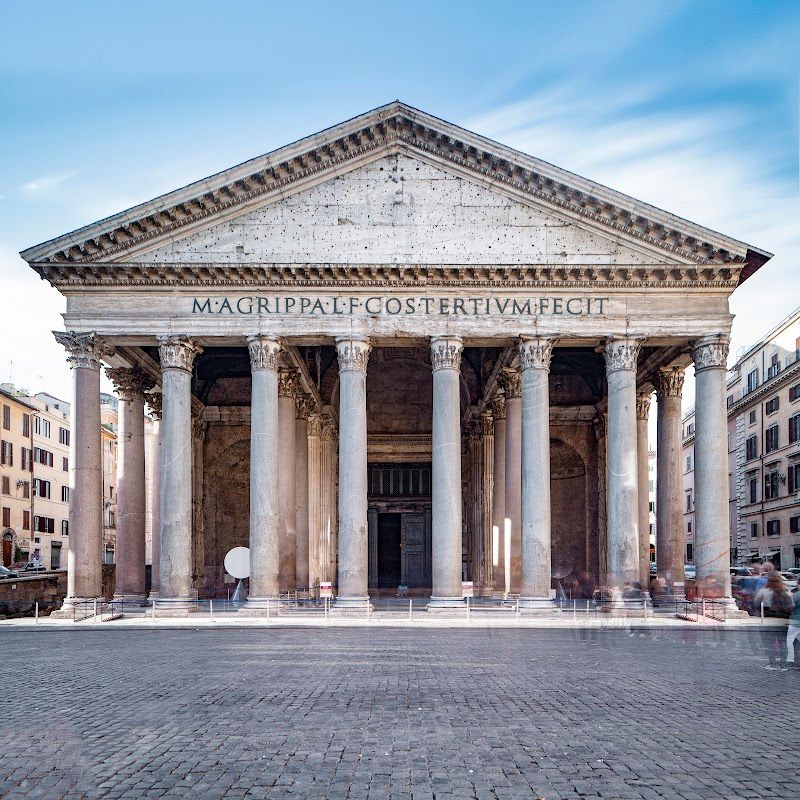
Two thousand years old, free to enter, and still the largest unreinforced concrete dome on the planet. The Pantheon is the building that makes engineers and architects stop talking mid-sentence. Walk through the massive bronze doors - originals, by the way - and look up at the coffered dome with its oculus, a 9-metre hole in the ceiling that is the only source of light. When it rains, the water falls straight through and drains through nearly invisible holes in the slightly convex floor. That's Roman engineering from 125 AD, and nobody has improved on it since. The interior is one enormous room, perfectly proportioned: the height to the oculus equals the diameter of the dome (43.3 metres). This was deliberate. The Romans designed it so the space would feel both vast and harmonious, and it works. The light beam that enters through the oculus moves across the interior like a slow spotlight - at noon it's at its most dramatic, hitting the floor in a near-perfect circle. Morning visits between 8:30-9:30 AM catch the beam sweeping across the coffered ceiling, which is arguably even more beautiful. Entry is free but you need a timed reservation since 2023. Book on the official site a few days ahead - it costs nothing, takes 30 seconds, and saves you from the walk-up queue that can reach 45 minutes. The reservation system was controversial but it's actually improved the experience because they now limit the number of people inside at any time. Raphael is buried here, in the third chapel on the left - most people walk right past it. The building started as a temple to all the gods (pan = all, theon = gods), was converted to a church in 609 AD, and has been in continuous use ever since. The piazza outside has the usual overpriced tourist cafes - walk two minutes south to Sant'Eustachio Il Caffe for what many Romans consider the best coffee in the city (€1.10 standing at the bar).

30-45 minutesExplore
Galleria Doria Pamphilj
Museum

Galleria Doria Pamphilj

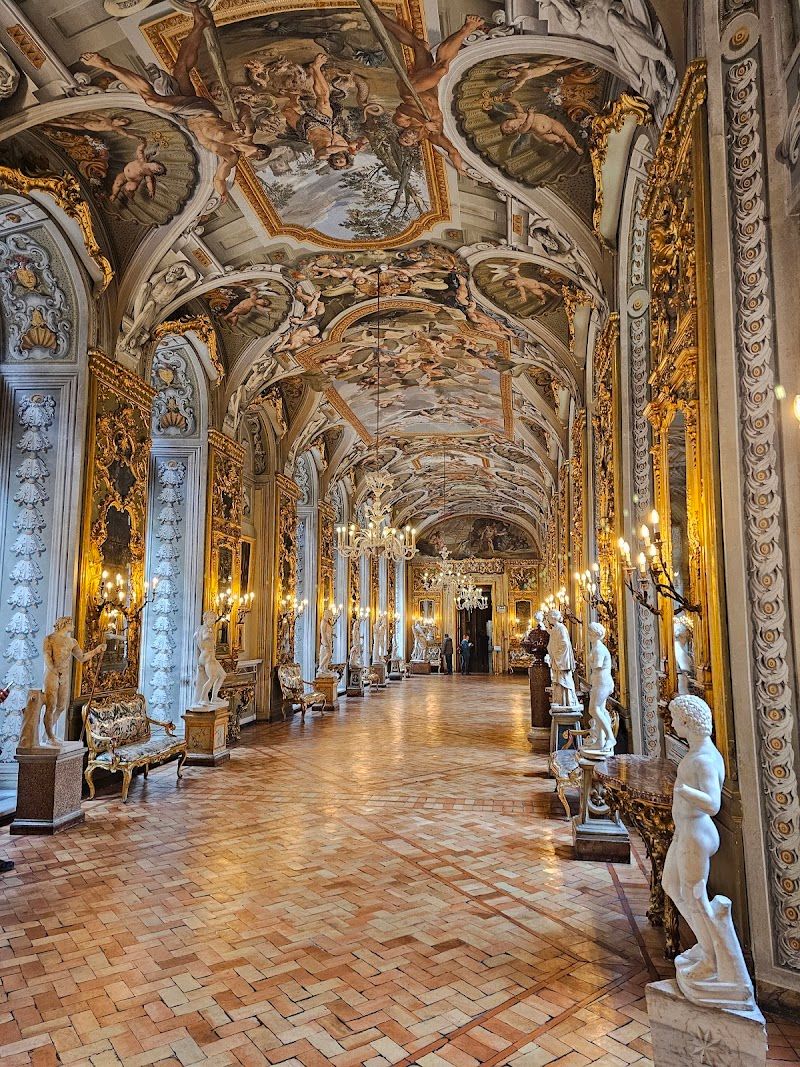
The Galleria Doria Pamphilj is Rome's most impressive private art collection, still owned by the noble family that's been accumulating masterpieces for 400 years. You'll see Velázquez's haunting portrait of Pope Innocent X (considered one of the greatest paintings ever made), plus works by Caravaggio, Titian, and Bernini scattered throughout their actual living quarters. The mirrored Gallery of Mirrors stretches 100 meters and genuinely competes with Versailles for sheer opulence. You're essentially touring someone's home - albeit a palazzo home filled with priceless art. The rooms flow naturally from the family's private apartments into grand galleries, creating an intimate atmosphere you won't find in major museums. The highlight Gallery of Mirrors feels like walking through a jewel box, with paintings reflected infinitely in ornate gilded mirrors. Unlike most Roman attractions, this place stays refreshingly uncrowded. At €12 entry plus €5 for the audio guide, it's excellent value considering what you're seeing. Most visitors rush through in 45 minutes, but you need at least 90 minutes to properly absorb the masterpieces. Skip the temporary exhibitions room - the permanent collection is far superior. The palazzo can feel overwhelming, so focus on the Gallery of Mirrors and the room with the Velázquez pope portrait.

1.5-2 hoursExplore
Portico d'Ottavia
Landmark

Portico d'Ottavia

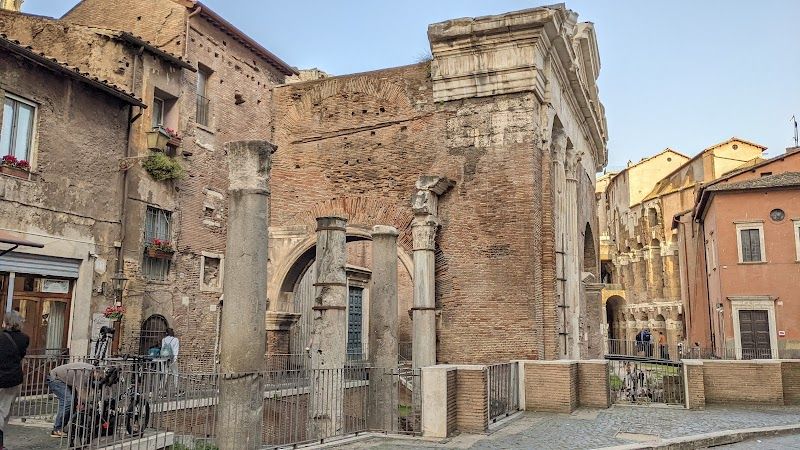
Portico d'Ottavia is where ancient Rome crashes into medieval Jewish Quarter life in the most spectacular architectural collision you'll find in the city. You're looking at the remains of a massive 2nd-century BCE colonnade that Augustus dedicated to his sister, now literally built into the walls of Sant'Angelo in Pescheria church and surrounding medieval buildings. The contrast is startling: crumbling Roman marble columns support Renaissance brickwork, while a 16th-century inscription about fish market regulations sits carved into ancient stone. Walking through feels like stepping through layers of time simultaneously. The portico's surviving archway frames the church entrance, and you can trace where Roman columns disappear into medieval walls. Jewish bakeries and restaurants occupy ground floors of buildings that incorporate actual Roman ruins as structural elements. The afternoon light filtering through the archway creates dramatic shadows on the ancient stones, while the smell of fresh challah drifts from Boccione bakery just steps away. Most visitors snap a photo and leave, missing the real story written in the stones. Look for the medieval fish market inscription on the left column, it's more interesting than the Roman parts because it shows how people actually used this space for centuries. Skip the overpriced restaurants facing the portico itself, they're tourist traps. Instead, grab something from Boccione bakery and eat it while sitting on the ancient steps.

20 minutesExplore
More on Rome

From the blog

View all →
Ready for Rome?

Let DAIZ plan your Rome days

Tell us how long you've got and what you're into. We'll build a day-by-day plan, with the bookable bits ready to lock in.

Plan my Rome tripFree · no signup to start
Plan your Rome trip