Rome · Monti

Monti District

Monti is Rome's first neighborhood built beyond the ancient forums, and it's managed to keep its medieval village feel despite being steps from the Colosseum.
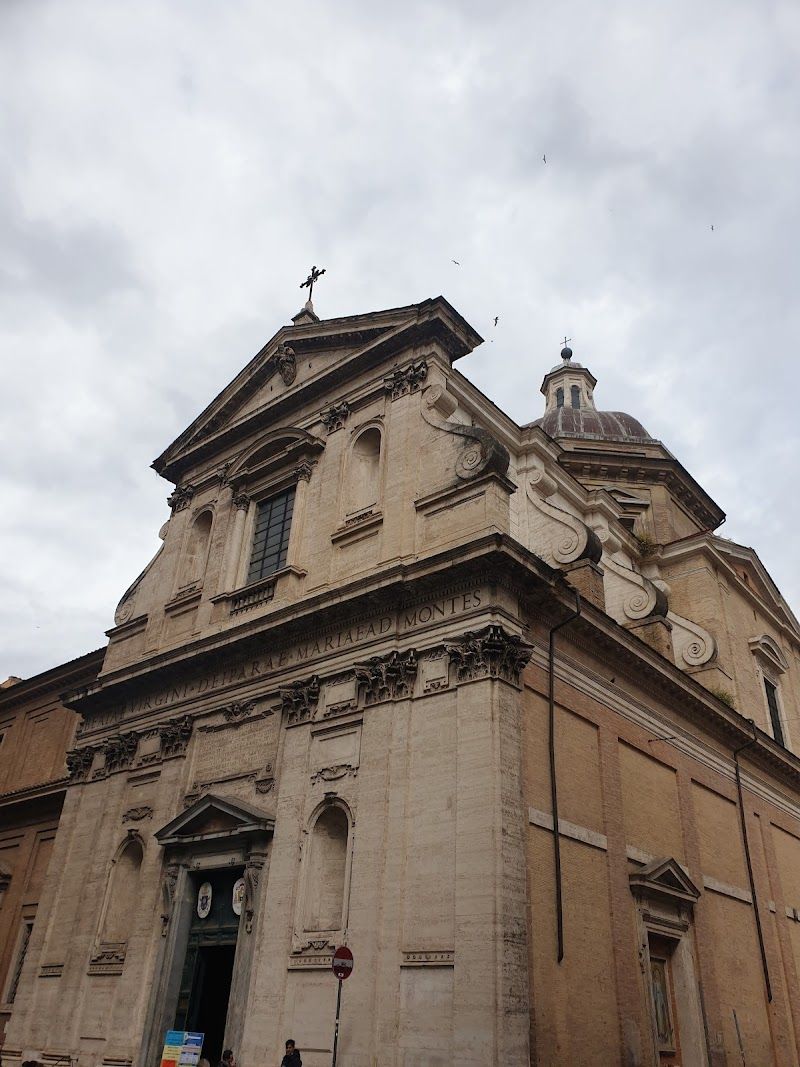
Monti District, Rome · Monti
Category
Cultural Site
Duration
2h 30m
Best Time
Morning
Entry
The place

About Monti District

Monti is Rome's first neighborhood built beyond the ancient forums, and it's managed to keep its medieval village feel despite being steps from the Colosseum. You'll wander cobblestone streets like Via del Boschetto and Via dei Serpenti, where laundry still hangs between buildings and neighbors chat in doorways. The area is packed with independent boutiques selling handmade leather goods, vintage clothing shops, vinyl record stores, and wine bars that spill onto postage stamp piazzas.

The experience feels like discovering a small Italian town that happens to be in central Rome. You'll hear Italian conversations echoing off narrow walls, smell fresh pasta from family trattorias, and watch artisans working leather in shop windows barely wider than their workbenches. The medieval street layout creates surprises around every corner: a tiny church, a hidden courtyard, or a wine bar with three tables outside. Locals still live here, so you'll see real Roman life between the shops and restaurants.

Most guides oversell the shopping, but the real charm is just wandering and people watching. Skip the overpriced boutiques on the main drag and explore the side streets where you'll find better prices and more character. Aperitivo spots charge 8 to 12 EUR for drinks with snacks, which is reasonable for the location. The area gets packed on weekend afternoons, so mornings are better for actually browsing shops and having conversations with owners.

Book ahead

Book Tickets

Live availability and skip-the-line options from our booking partners.

Search on Viator →Search on GetYourGuide →

Booking powered by our partners. DAIZ may earn a commission.
The place

Getting there

Address
Monti, Rome, Metropolitan City of Rome Capital, Italy
Neighborhood
Monti
Nearest Metro
Cavour (Line B)Colosseo (Line B)
View on Google Maps →
Good to know

Tips, answered

Enter from Via Cavour near Cavour metro station and work your way toward Via dei Serpenti to avoid the tourist crowds coming up from the Colosseum

Most visitors stick to the main streets, but the best shops and quietest wine bars are on the tiny side alleys like Via del Cardello and Via dei Cappuccini

Hit the vintage shops before 2pm when many close for riposo, and save the wine bars for after 6pm when locals start their evening routine

Plan for about 2h 30m. Morning visits are typically less crowded.

Monti District is in the Monti neighborhood of Rome. The address is Monti, Rome, Metropolitan City of Rome Capital, Italy. The area is well-served by metro.

Morning visits, especially early, mean fewer crowds and better light for photos. Weekdays are significantly quieter than weekends.

Comfortable walking shoes are essential — you'll be on your feet for a while. Parts are outdoors, so bring a light layer.

Around the corner

Nearby in Monti

Explore all →
Basilica di Santa Maria Maggiore
Cultural Site

Basilica di Santa Maria Maggiore

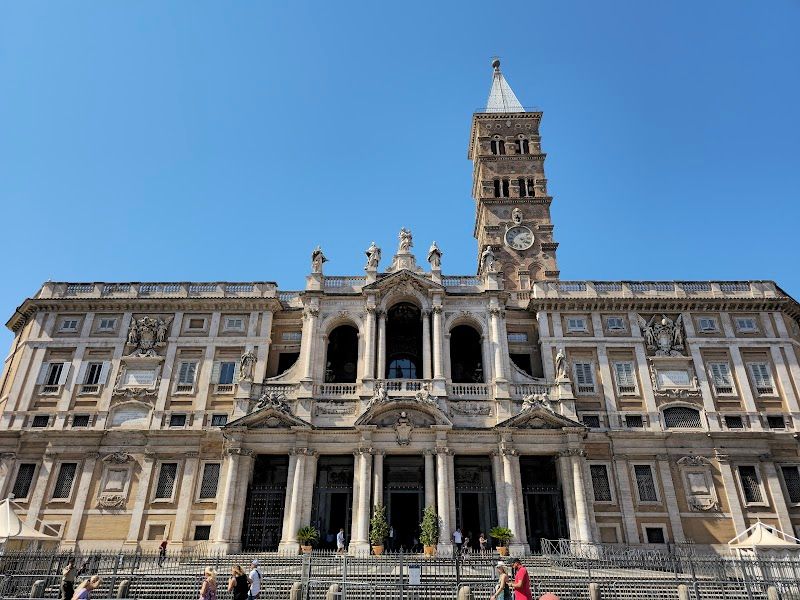
Santa Maria Maggiore ranks as Rome's most spectacular papal basilica, housing extraordinary 5th-century mosaics that survived when most early Christian art didn't. You'll find yourself staring up at intricate Old Testament scenes across the nave walls while walking beneath a coffered ceiling literally gilded with the first gold brought back from the New World. The Borghese Chapel alone justifies the visit: it's a Baroque masterpiece that puts most standalone churches to shame, dripping with marble, frescoes, and Bernini sculptures. The moment you step inside, the sheer scale hits you. The nave stretches 86 meters, lined with those ancient mosaics depicting Abraham, Isaac, Jacob, and Moses in remarkably preserved detail. Most visitors crane their necks at the ceiling for minutes, trying to process the intricate geometric patterns in American gold. The Sistine Chapel (not that one) contains Bernini's tomb, while the Borghese Chapel feels like stepping into a jewel box of colored marble and gilt bronze. Most guides rush you through, but spend time with those 5th-century mosaics, they're older than anything you'll see in the Vatican. Skip the crypt unless you're fascinated by papal tombs. The €3 loggia access is absolutely worth it for close-up views of the 13th-century facade mosaics that you can barely make out from street level. Come early morning when tour groups haven't arrived and light streams through the windows perfectly.

45 minutesExplore
Basilica di San Pietro in Vincoli
Cultural Site

Basilica di San Pietro in Vincoli

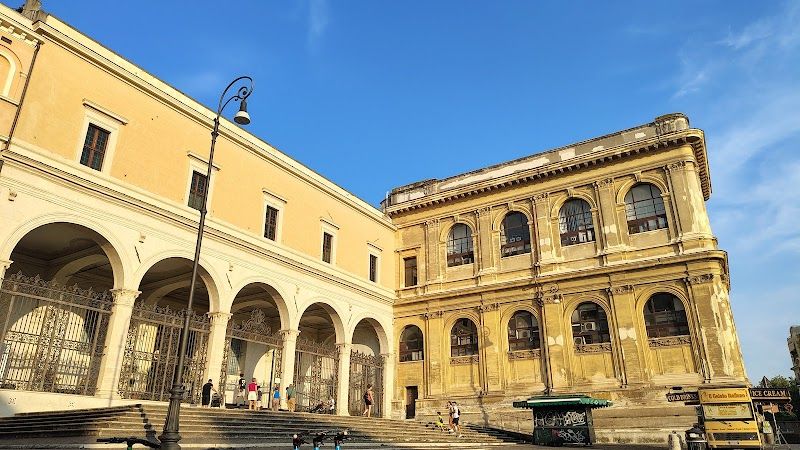
This unassuming church in Monti houses one of Michelangelo's most powerful sculptures - the Moses he carved for Pope Julius II's tomb between 1513-1515. You'll find the marble figure in the right transept, radiating such intensity that legend claims Michelangelo himself struck its knee, commanding it to speak. The church also preserves the actual chains that bound St. Peter in Jerusalem, displayed in a bronze and crystal reliquary beneath the main altar. The moment you step inside, the space feels intimate compared to Rome's grand basilicas. Natural light from the simple windows illuminates Moses perfectly - those famous horns of light jutting from his head, the muscular arms, and that penetrating gaze that seems to follow you. The chains draw less attention but they're genuinely fascinating relics, supposedly reunited here in the 5th century when they miraculously fused together. Most guidebooks oversell this as a major stop, but honestly, you're here for Moses and Moses alone. The rest of the church is pleasant but unremarkable. Entry is free, which makes it worthwhile, but don't expect to spend more than 20 minutes here unless you're a serious art history buff. Skip it entirely if you're rushing between the Colosseum and other major sites - Moses isn't going anywhere.

30 minutesExplore
Mercati di Traiano - Museo dei Fori Imperiali
Museum

Mercati di Traiano - Museo dei Fori Imperiali

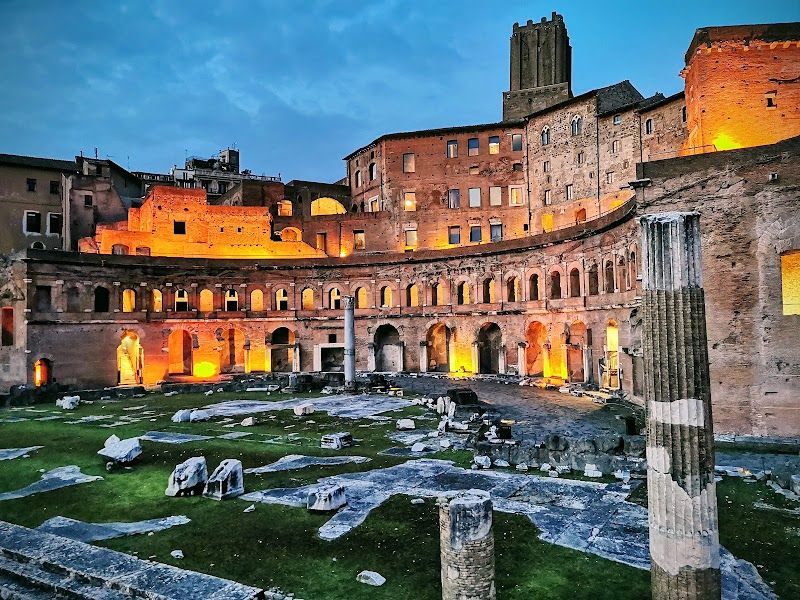
Trajan's Markets represents the world's oldest shopping mall, a massive 2nd-century complex carved into Quirinal Hill that once housed 150 shops selling everything from Chinese silk to Indian spices. Today it serves double duty as both an archaeological site where you can walk through original Roman commercial spaces and as the city's best museum for understanding the Imperial Forums. The multimedia displays finally make sense of the confusing ruins you see from street level, using holograms and 3D reconstructions to show how these massive public spaces actually functioned. You'll climb through three levels of perfectly preserved brick-vaulted shops, each opening onto semicircular terraces that offered different types of goods. The great hall on the upper level still feels like a proper market, with its soaring concrete vaults and individual shop spaces. Walking these corridors gives you an intimate sense of daily Roman commerce that you simply can't get from the forums themselves. The museum sections blend seamlessly with the ancient architecture, so you're learning about imperial propaganda while standing in spaces where Romans actually lived and worked. At €15, this delivers better value than most Roman sites because you're getting both significant ruins and excellent context. Most people rush through to reach the terrace viewpoint, but the real magic happens in the lower market halls where original marble counters and storage jars remain in place. Skip the temporary exhibitions unless they specifically interest you - the permanent collection and architecture provide more than enough for 90 minutes. The audio guide costs an extra €5 but isn't necessary since the visual displays are self-explanatory.

1.5 hoursExplore
Museo Nazionale Romano - Palazzo Massimo alle Terme
Museum

Museo Nazionale Romano - Palazzo Massimo alle Terme

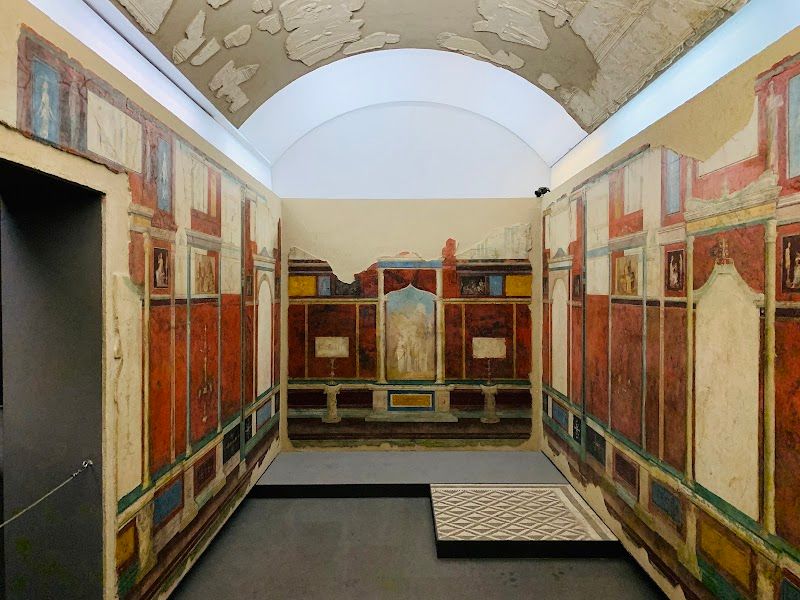
This is Rome's premier collection of ancient Roman art, housed in a beautifully restored 19th-century building near Termini Station. You'll find four floors packed with extraordinary pieces including the famous Lancellotti Discobolus (the best-preserved Roman copy of the Greek original), intricate mosaics, and some of the finest Roman portrait sculptures anywhere. The real showstopper is the top floor's frescoed garden room from Villa of Livia - Augustus's wife's private retreat - where painted trees, birds, and flowers create an illusory garden that's survived 2,000 years. The visit flows chronologically from bottom to top, starting with early Roman sculptures and working through the imperial period. The second floor's coin collection might sound boring but it's actually fascinating - you can trace Rome's rise and fall through currency alone. The atmosphere is serious and scholarly, with excellent lighting that shows off the marble work beautifully. Unlike the chaos at major sites, this feels like a proper museum where you can actually study the pieces without crowds pushing past. Most guides oversell the entire collection - realistically, you can skip the basement level unless you're obsessed with inscriptions. The entry fee is €10, and it's included in the €12 Roma Pass. Focus your energy on floors two and four where the best pieces live. The garden frescoes require timed entry (free but limited slots), so book this immediately when you arrive or you'll miss the main reason to visit.

2-3 hoursExplore
Big Bus Rome
Tour

Big Bus Rome

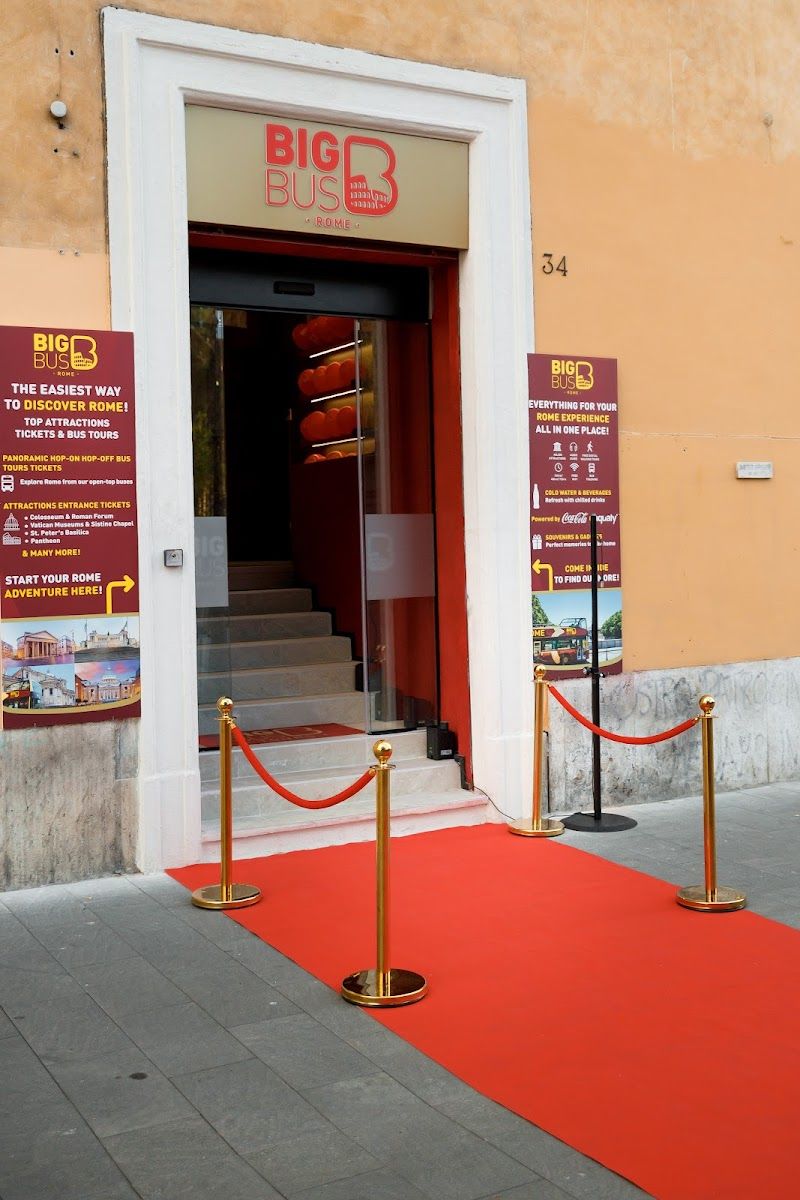
Big Bus Rome's three color-coded routes connect all the major sights you'd otherwise spend days navigating on foot or metro. The red route hits the classics - Colosseum, Vatican, Pantheon, Spanish Steps - while blue covers Tivoli and green focuses on ancient Roman sites. You'll get multilingual audio commentary that's actually decent (not the usual robotic drivel), and the open-top deck gives you photo angles impossible from street level. The double-deckers lumber through Rome's chaotic traffic at a leisurely pace, which sounds annoying but actually works in your favor - you get time to absorb the commentary and spot details you'd miss rushing past. The upper deck can get blazing hot in summer and freezing in winter, so dress accordingly. Each loop takes about 90 minutes, and buses run every 10-20 minutes depending on the route and season. Here's what most guides won't mention: tickets cost around €25-30 for 24 hours, which seems steep until you realize a single taxi ride across the city costs nearly that much. The Vatican stop is a 10-minute walk from St. Peter's, not right at the entrance like they suggest. Skip the Tivoli route unless you have three full days - it's a massive time sink for gardens you can see better elsewhere.

24-48 hoursExplore
Basilica di Santa Prassede
Cultural Site

Basilica di Santa Prassede

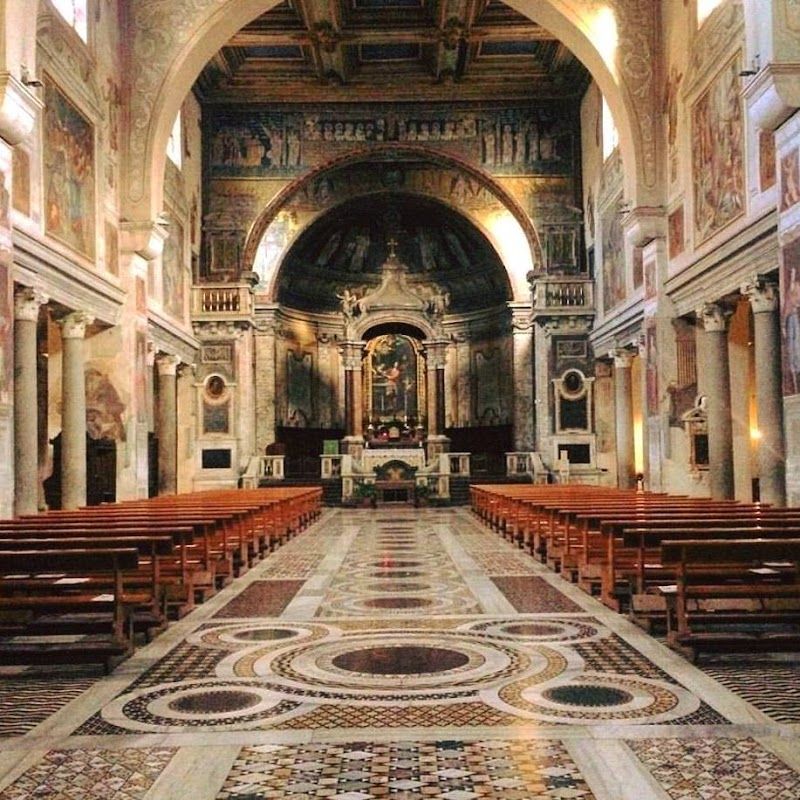
Santa Prassede is a 9th-century church that houses Rome's most spectacular Byzantine mosaics, concentrated in the tiny Chapel of San Zeno. The gold-background mosaics here genuinely rival Ravenna's famous works - Christ Pantocrator gazes down from the vault while saints parade along the walls in luminous detail. You'll also see the column where Christ was supposedly flogged, brought from Jerusalem, and medieval floor mosaics that most visitors walk right over. The church feels refreshingly intimate after visiting Rome's grand basilicas. The main nave is understated, almost plain, which makes discovering the Chapel of San Zeno feel like finding treasure. The chapel itself is barely large enough for six people - you'll crane your neck studying every inch of the glittering ceiling while €1 coins tick down the lighting timer. The mosaics seem to pulse with life as the artificial lighting catches different gold tesserae. Most guides call this a "under-the-radar spot" but it's not really hidden - it's just overlooked because tourists rush past chasing bigger names. The chapel gets cramped with even three visitors, so time your visit carefully. Skip the main church entirely if you're pressed for time and head straight to San Zeno. The €1 lighting fee adds up if you want to study details properly - budget €3-4 to really appreciate what you're seeing.

30 minutesExplore
More on Rome

From the blog

View all →
Ready for Rome?

Let DAIZ plan your Rome days

Tell us how long you've got and what you're into. We'll build a day-by-day plan, with the bookable bits ready to lock in.

Plan my Rome tripFree · no signup to start
Plan your Rome trip