Paris · Île de la Cité / Île Saint-Louis

Caveau de la Huchette

This 16th-century cellar beneath the Latin Quarter has hosted jazz dancing since 1946, featuring live swing, bebop, and traditional jazz seven nights a week.
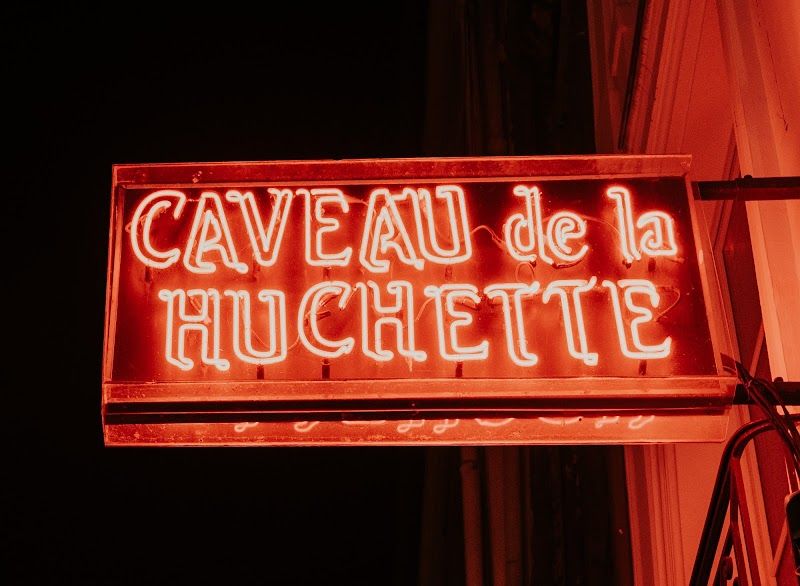
Caveau de la Huchette, Paris · Île de la Cité / Île Saint-Louis
Category
Nightlife
Duration
3 hours
Best Time
Evening
Entry
€€
Rating
4.4 (3,587)
The place

About Caveau de la Huchette

This 16th-century cellar beneath the Latin Quarter has hosted jazz dancing since 1946, featuring live swing, bebop, and traditional jazz seven nights a week. The vaulted stone basement creates a unique acoustic environment, and the small dance floor fills with dancers of all ages doing lindy hop and swing to live bands.

Check Availabilityvia GetYourGuide · prices may vary
Book ahead

Book Tickets

Live availability and skip-the-line options from our booking partners.

Search on Viator →Search on GetYourGuide →

Booking powered by our partners. DAIZ may earn a commission.

The details

Practical bits

WalkingMinimal walking
The place

Getting there

Address
5 Rue de la Huchette, 75005 Paris, France
View on Google Maps →
Good to know

Tips, answered

Come on weeknights for a more intimate experience with space to dance-weekends get extremely crowded with tourists and the stone cellar heats up considerably.

Plan for about 3 hours. Evening visits offer a different atmosphere with softer light.

Caveau de la Huchette is in the Île de la Cité / Île Saint-Louis neighborhood of Paris. The address is 5 Rue de la Huchette, 75005 Paris, France. The area is well-served by metro.

Evening visits offer a unique atmosphere. The light is softer, crowds thin out, and the experience feels more intimate.

Around the corner

Nearby in Île de la Cité / Île Saint-Louis
Cathédrale Notre-Dame de Paris
Landmark

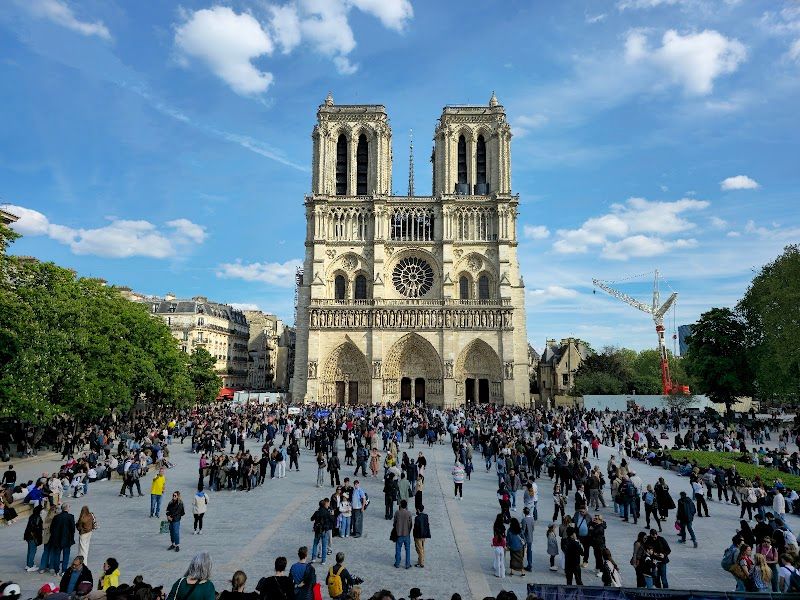
Cathédrale Notre-Dame de Paris

Notre-Dame showcases French Gothic architecture at its peak, with 69-meter nave walls supported by flying buttresses that visibly lean outward to distribute the cathedral's immense weight. The western facade features 28 statues in the Gallery of Kings representing Biblical monarchs, while three massive rose windows create spectacular light patterns throughout the day. You'll walk around the entire perimeter to appreciate how medieval architects solved engineering challenges that still impress today. The experience feels like examining a masterpiece under restoration, with scaffolding revealing the painstaking work to rebuild what the 2019 fire damaged. The south side offers the clearest views of restored stonework, while the rounded chevet at the east end displays the most complex flying buttress system. Standing on the parvis gives you perspective on the cathedral's true scale: those entrance doors measure 4 meters wide, and the gargoyles aren't just decorative but functional water spouts. Most visitors waste time crowding the front facade and miss the architectural genius visible from the sides and back. The southeast corner near Rue du Cloître-Notre-Dame provides unobstructed views without the parvis crowds. Skip the touristy center shots; the restoration work itself tells a fascinating story about medieval construction techniques being replicated with modern precision.

30 minutesExplore
Sainte-Chapelle
Cultural Site

Sainte-Chapelle

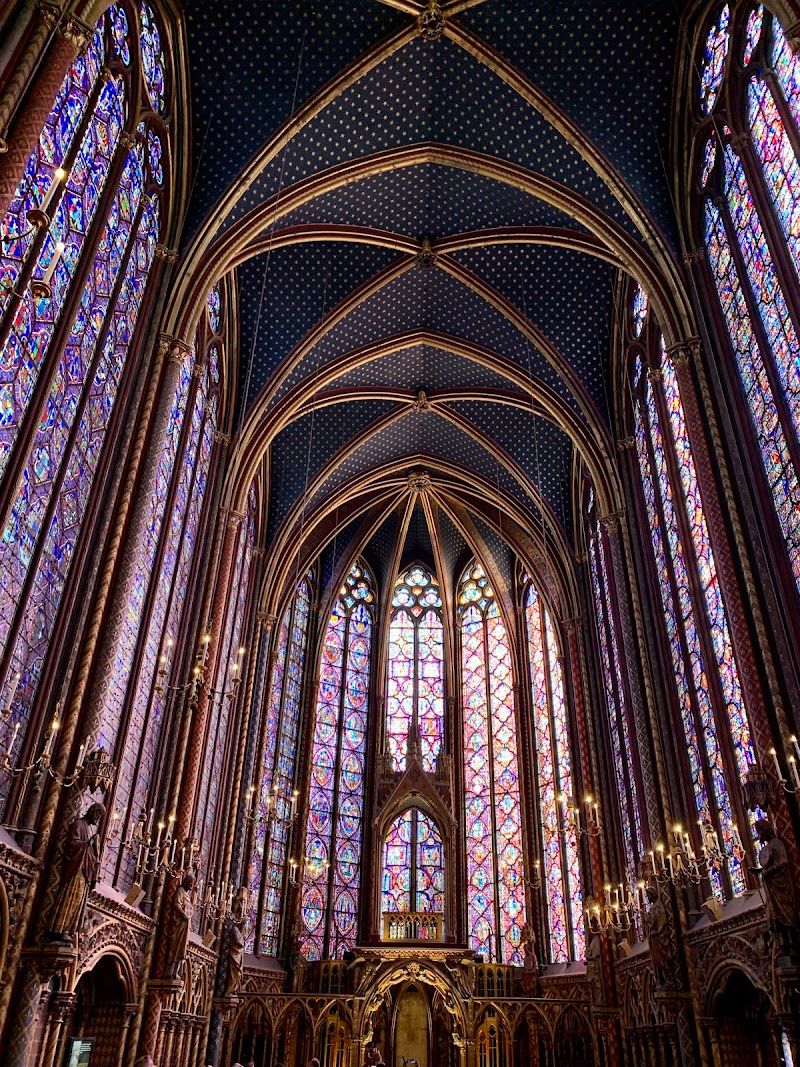
Louis IX built this 13th-century chapel specifically to house Christ's Crown of Thorns, creating what amounts to a reliquary the size of a building. The upper chapel's 15-meter stained glass windows tell the entire Biblical story from Genesis to Christ's resurrection in 1,113 individual scenes - you can spend an hour just decoding the stories in the Rose Window alone. When afternoon sun hits the western windows, the entire space glows like the inside of a sapphire. You'll enter through the lower chapel, which served the palace staff and feels surprisingly dark and cramped. The narrow spiral staircase deposits you into the upper chapel - the contrast is genuinely startling. The walls disappear into towers of colored glass, and your eyes need a moment to adjust to the kaleidoscope effect. Most people photograph frantically for five minutes then stand transfixed. The audio guide is actually worth it here - without context, the windows look beautiful but meaningless. Avoid the gift shop entirely and don't bother with the lower chapel beyond a quick glance. The magic happens upstairs, and you'll know within thirty seconds whether the light is good enough that day to make the visit worthwhile.

45 minutesExplore
Square René Viviani
Park & Garden

Square René Viviani

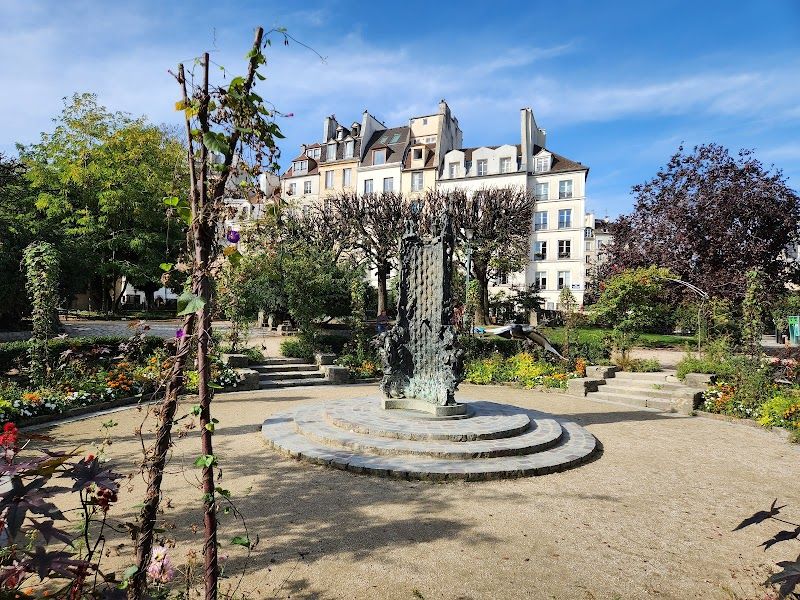
This postage-stamp garden sits directly across from Notre-Dame's apse, giving you an unobstructed view of the cathedral's flying buttresses and eastern facade that most tourists never see. The star attraction is genuinely Paris's oldest tree - a gnarly 400-year-old black locust that's witnessed the city's entire modern history. Medieval-style plantings include boxwood hedges, climbing roses, and herb patches that smell incredible in spring. The space feels more like someone's private courtyard than a public park - you can walk the entire perimeter in two minutes. Stone benches line the fence facing Notre-Dame, while the ancient tree dominates the center. A small fountain bubbles near the entrance, and the uneven stone pathways give it an authentically aged feel. Morning light hits the cathedral perfectly from here, and evening brings golden hour magic. Most people spend 10 minutes snapping photos and leave, but the real joy is lingering. The benches fill up fast during sunset, so claim your spot early. Skip it during midday when harsh shadows kill the cathedral views. The garden closes at dusk, which actually makes evening visits feel special rather than rushed - you're watching both the light fade and your time run out.

20-30 minutesExplore
Conciergerie
Museum

Conciergerie

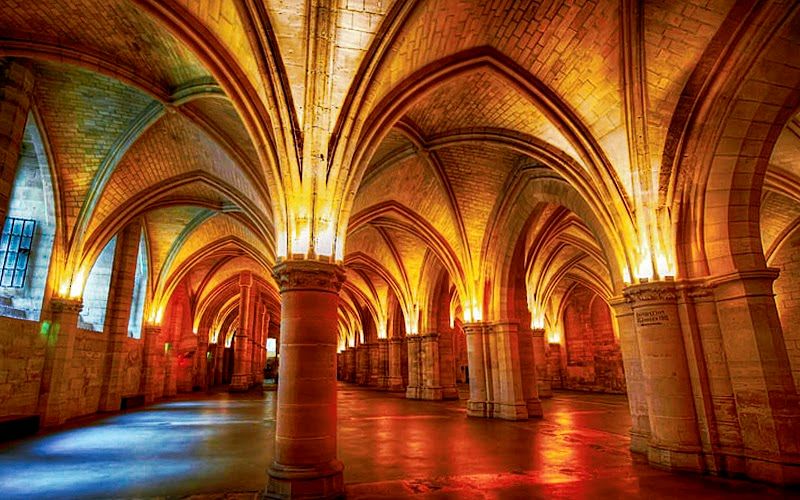
The Conciergerie is where French history got darkest - this former royal palace became the antechamber to the guillotine during the Terror. You'll see Marie Antoinette's actual prison cell, recreated with period furniture and a black crucifix, plus the communal cells where ordinary prisoners slept on straw. The highlight is the massive Gothic Hall of the Men-at-Arms with its ribbed vaulting - it's genuinely impressive medieval architecture that predates Notre-Dame. The visit flows chronologically from medieval palace to revolutionary tribunal. Interactive tablets work well here, explaining how the building functioned as both courthouse and prison. The reconstruct courtyard where prisoners took their final walk is sobering. The cell recreations vary in quality - Marie Antoinette's is atmospheric, but some others feel overly theatrical with wax figures. Honestly, this works better as historical context than standalone attraction. If you're doing Sainte-Chapelle anyway, the combo ticket makes sense, but I wouldn't prioritize it over Musée Carnavalet for French history. The medieval halls are the real draw - spend your time there rather than rushing through all the Revolution displays. Winter visits feel more appropriate given the somber subject matter.

1 hourExplore
Vedettes du Pont Neuf
Tour

Vedettes du Pont Neuf

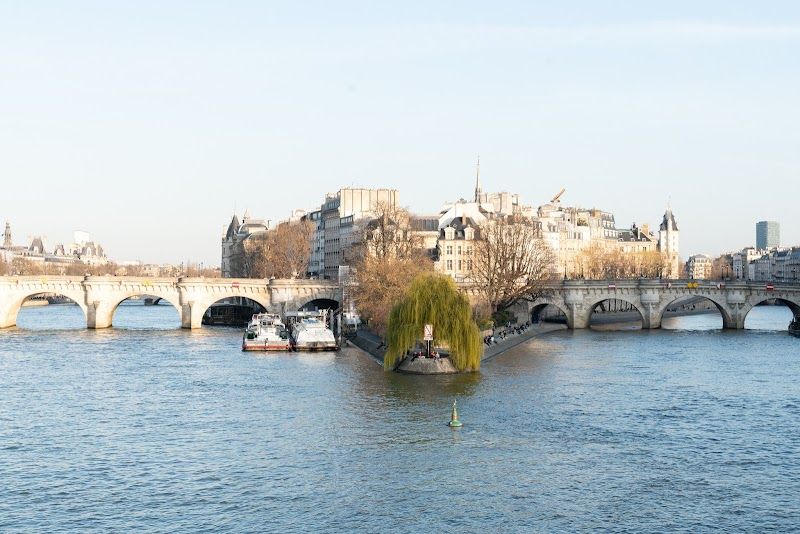
Vedettes du Pont Neuf operates glass-topped boats that hold about 80 passengers instead of the massive 300+ person vessels most competitors use. The smaller scale means you actually get unobstructed views of Notre Dame's flying buttresses, the ornate facade of the Conciergerie, and the detailed stonework on bridges like Pont Alexandre III. The multilingual commentary focuses heavily on architectural details you'd miss from street level. The 60-minute route covers central Paris from water level, passing under 15 bridges with the boat's low profile allowing closer approaches to quay walls. What sets this apart is the commentary quality - they point out specific architectural elements like the different stone colors indicating construction periods on Notre Dame, or the hidden medieval towers visible only from river level. The glass canopy means weather rarely disrupts sailings. The boats run every 30 minutes but can sell out on sunny weekend afternoons, despite no advance booking being required. Skip the evening cruises - the lighting makes architectural details disappear and you're mostly seeing building silhouettes. The afternoon departures between 2-4 PM offer the best light for photography and viewing carved stone details.

1 hourExplore
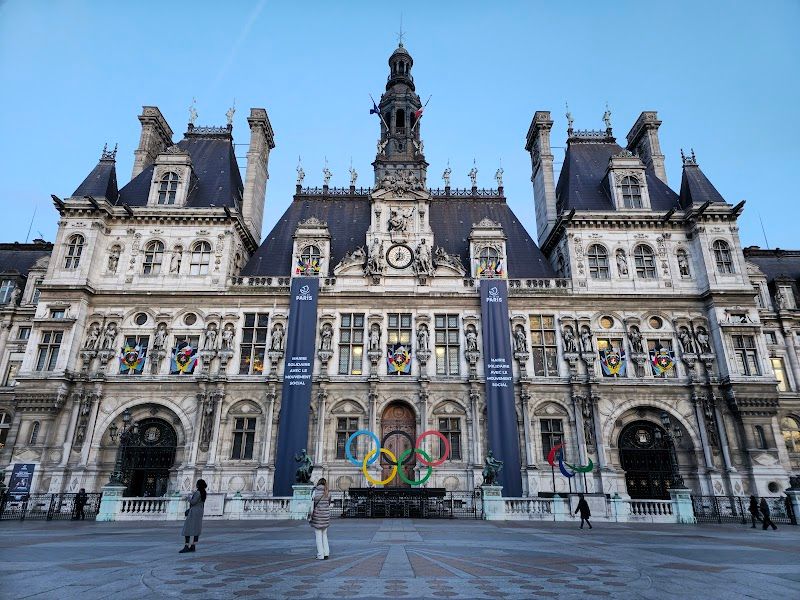
Hôtel de Ville
Landmark

Hôtel de Ville

The Hôtel de Ville serves as Paris's working city hall while doubling as an impressive cultural venue. The Neo-Renaissance facade dominates a massive plaza, but the real attraction lies in the rotating exhibitions housed in the ground-floor galleries, I've seen everything from contemporary photography to historical displays about Parisian neighborhoods. The building's interior features gilded salons and ceremonial rooms that rival Versailles in their opulence. Visiting feels like stumbling into two different experiences. The exhibitions occupy bright, modern gallery spaces that contrast sharply with the ornate exterior. During winter, the plaza transforms into a proper ice rink with Alpine chalet-style refreshment stands, while summer brings sand and volleyball nets that create an oddly beachy atmosphere against the formal architecture. The juxtaposition works better than it should. Most visitors snap photos of the facade and leave, missing the free exhibitions entirely. The shows change every few months and range from excellent to forgettable, check what's on before making a special trip. Skip the interior tours unless you're genuinely interested in municipal history and ceremonial rooms. The plaza events are worth timing your visit around, especially the winter ice skating which runs from December through February.

30 minutesExplore
More on Paris

From the blog

View all →
Ready for Paris?

Let DAIZ plan your Paris days

Tell us how long you've got and what you're into. We'll build a day-by-day plan, with the bookable bits ready to lock in.

Plan my Paris tripFree · no signup to start
Plan your Paris trip